Why spray dryer parts deserve more attention than they usually get
When a spray dryer starts drifting out of spec, the first suspicion often lands on the control system or the feed recipe. In practice, the problem is just as likely to begin with worn spray dryer parts. A nozzle that no longer atomizes evenly, a chamber surface that has built up residue, or a damaged sealing surface can quietly change drying behavior long before anyone notices a major failure.
That matters because spray drying is a chain reaction. Feed quality, atomization, airflow, temperature profile, and powder removal all depend on the condition of the hardware. If one piece is off, the downstream effect can be expensive: inconsistent particle size, more fines, sticky walls, lower throughput, or a cleaning cycle that takes too long to recover production.
For engineers and sourcing teams, the real decision is not simply “replace the broken item.” It is how to identify which industrial spray dryer parts are actually controlling quality, which ones can be maintained, and which ones should be specified more conservatively in the next maintenance cycle.
What the term usually covers
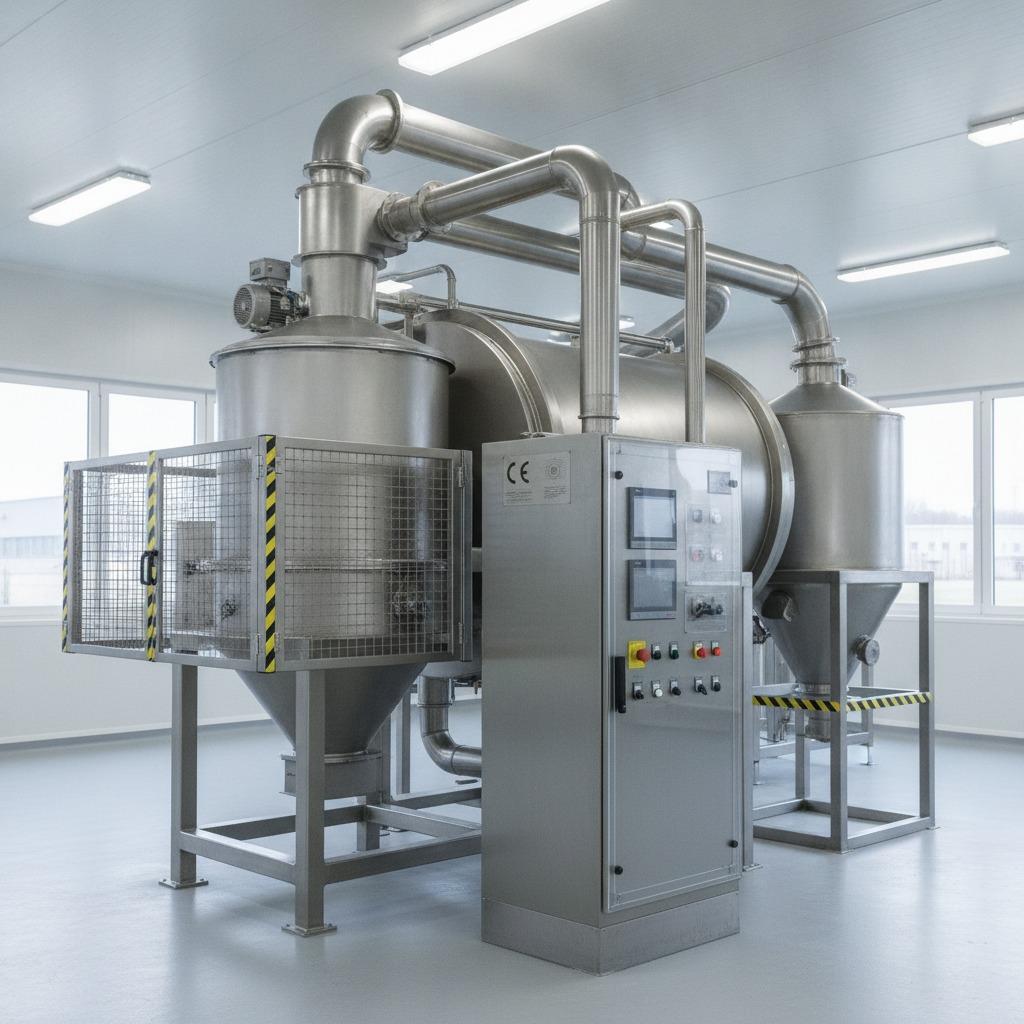
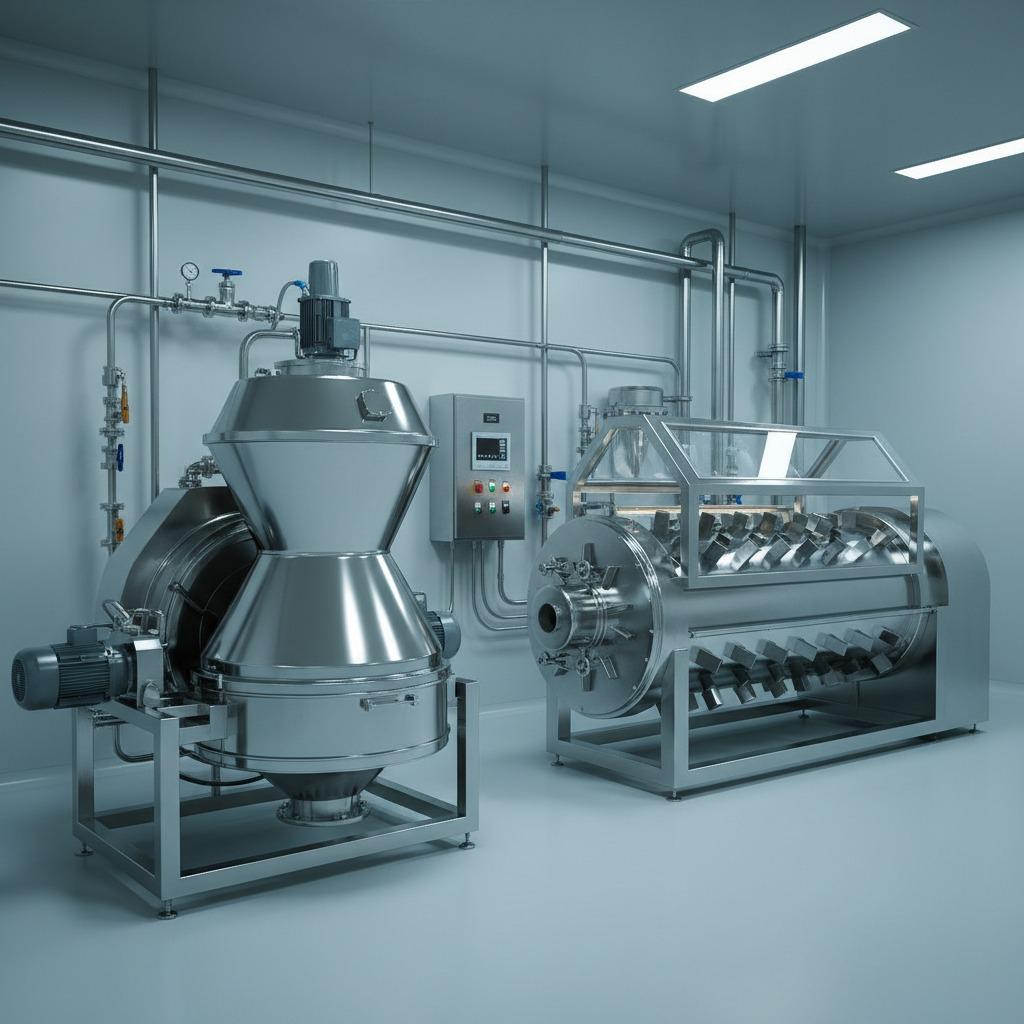
In plant language, spray dryer parts can mean a broad mix of items. Some are obvious wear components, such as a spray dryer atomizer or spray dryer nozzle. Others are structural or process-related pieces inside and around the spray dryer chamber, including ducts, access ports, hoppers, support frames, valves, and seals. In larger systems, the surrounding stainless-steel vessels and cone-bottom process equipment also play a role in keeping feed stable and discharge controlled.
That broader view is important. A spray dryer is not a standalone box; it is a connected process section. In many production lines, the feed tank, transfer piping, chamber, exhaust handling, and discharge arrangement all affect dryer performance. If one of those pieces is poorly matched, the operator may blame the dryer itself when the weakness is really in the upstream or downstream hardware.
Key components that typically drive performance
1. Atomization hardware
The spray dryer atomizer is usually where the process begins to show its age. Its job is to break feed into droplets of a controlled size distribution. When it wears, the droplet pattern can change subtly, and that changes everything else. More wall deposition, uneven drying, and unstable powder characteristics are common symptoms.
A spray dryer nozzle serves a similar function in nozzle-based systems. Buyers often focus on flow capacity, but the practical question is whether the nozzle maintains a consistent spray pattern under real operating conditions. A small variation in wear can have an outsized effect on product quality, especially in fine powders or heat-sensitive materials.
2. Chamber and internal surfaces
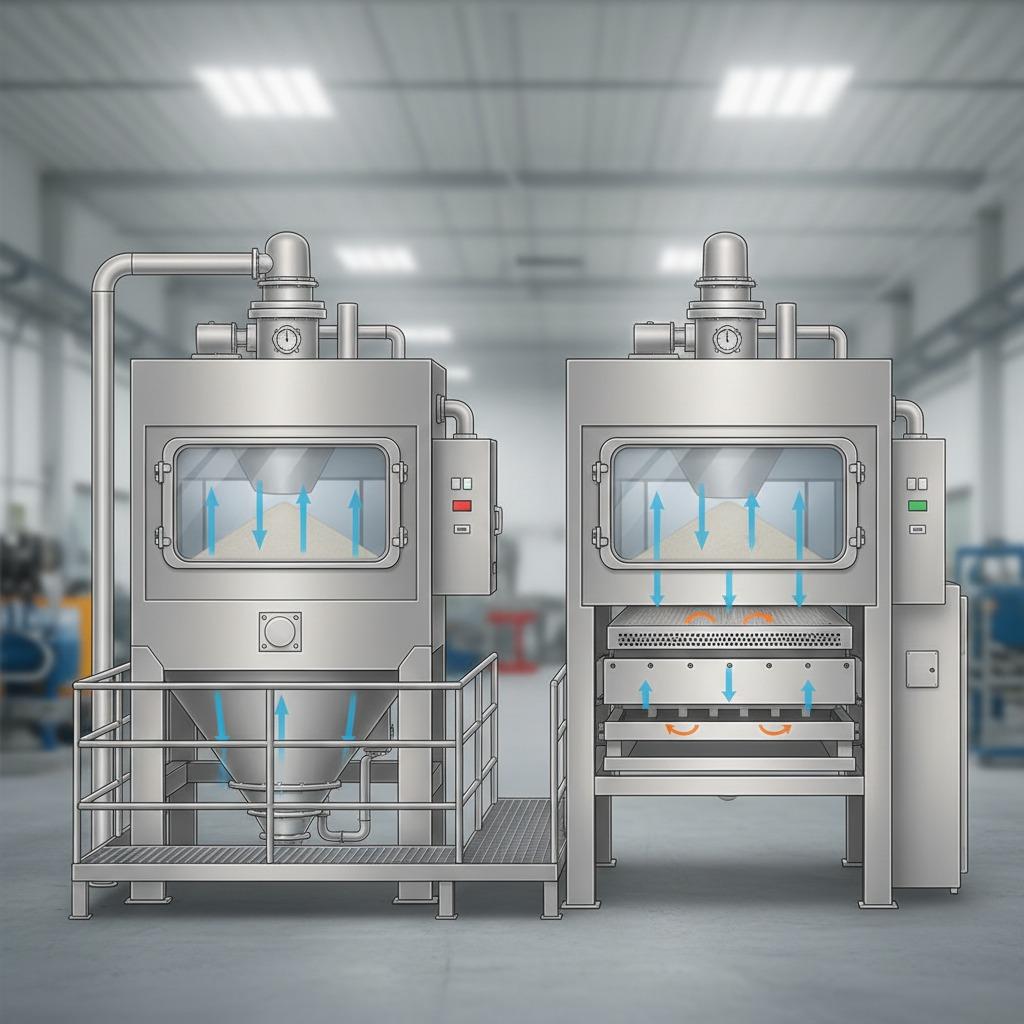
The spray dryer chamber is often treated as fixed infrastructure, but it is still a maintenance item in the broader sense. Internal surfaces can foul, erode, or accumulate product. In stainless-steel systems, the smoothness and cleanliness of the wetted surfaces matter more than people sometimes admit. Residue buildup does not just affect sanitation; it also changes airflow and heat transfer near the wall.
That is why access points, inspection openings, and cleanout details matter. A chamber that is technically sound but difficult to service often costs more in lost production than one that was specified with a little more maintenance access from the start.
3. Feed and discharge hardware
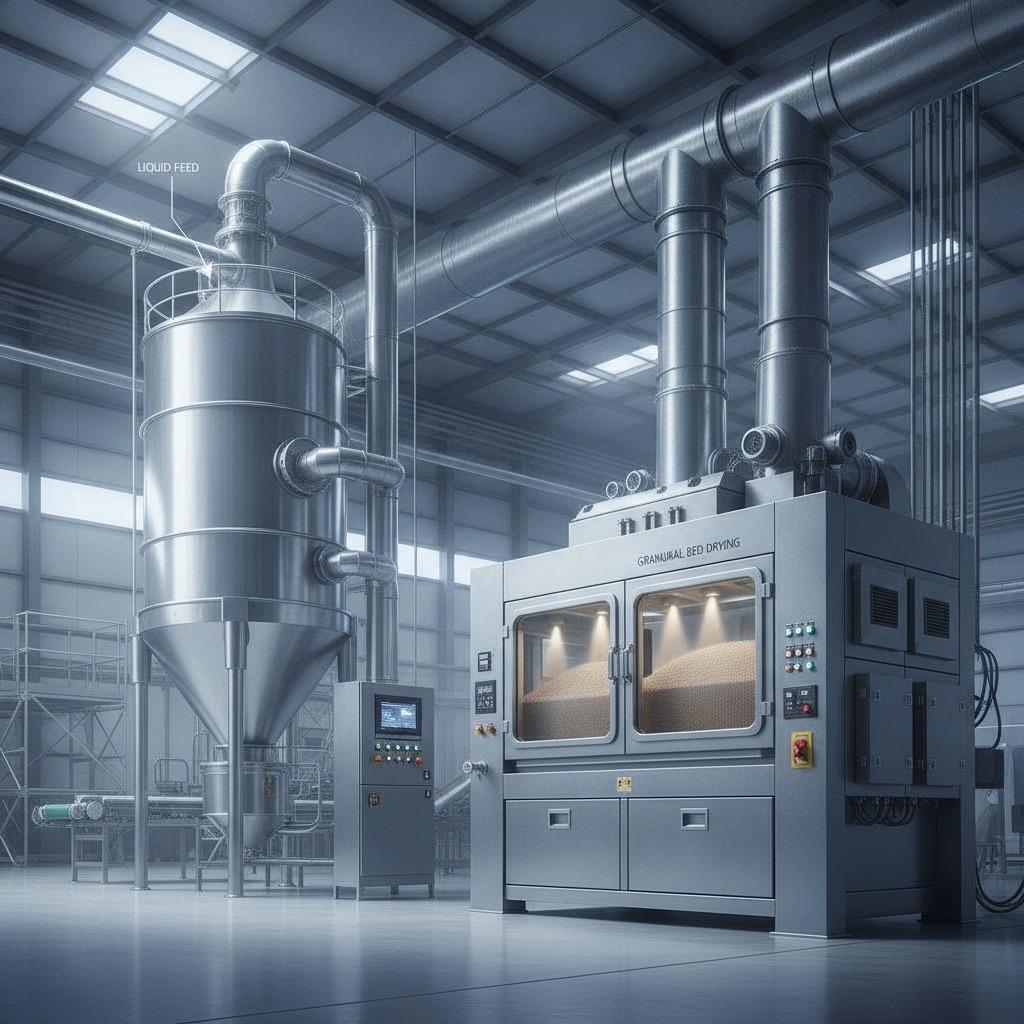
Many process lines use large stainless-steel vessels with cone-bottom geometry, similar to the industrial tanks and hoppers commonly found in batching or powder-processing plants. These vessels help stabilize feed or manage discharge, and they often sit close to the drying system. Their performance may not look glamorous, but they influence how consistently material reaches the dryer.
In plant systems handling slurry, granules, or intermediate powders, bottom outlets, valves, piping connections, and instrumentation ports become part of the reliability story. A sticky outlet or a poorly draining cone can interrupt the entire spray drying cycle.
How to judge replacement priorities without overbuying
Not every worn component deserves immediate replacement. The trick is to separate cosmetic wear from process-critical wear.
If the atomizing element is drifting out of pattern, that is a quality issue, not just a maintenance issue. If the chamber shows residue but the cleaning cycle fully restores operating conditions, the risk may be manageable for a while. If a valve or seal on the feed system is causing instability, the dryer may be doing its job perfectly while the upstream equipment is quietly sabotaging it.
A practical buyer should ask three questions:
- Does this part affect droplet formation, airflow, or powder discharge?
- Does wear on this part change product consistency or cleaning time?
- Can the component be inspected and replaced before it creates a line stoppage?
If the answer is yes to the first two, the item belongs on the short list for planned spares.
Material and fabrication details that matter in real plants
For many spray drying applications, corrosion-resistant metal construction is the default expectation. Stainless-steel process vessels, pipes, platforms, and support frames are commonly used because they tolerate industrial cleaning and harsh plant environments better than lighter-duty alternatives. That said, the right material is still application-dependent. Food, pharmaceutical, chemical, and powder-processing lines do not always have the same priorities.
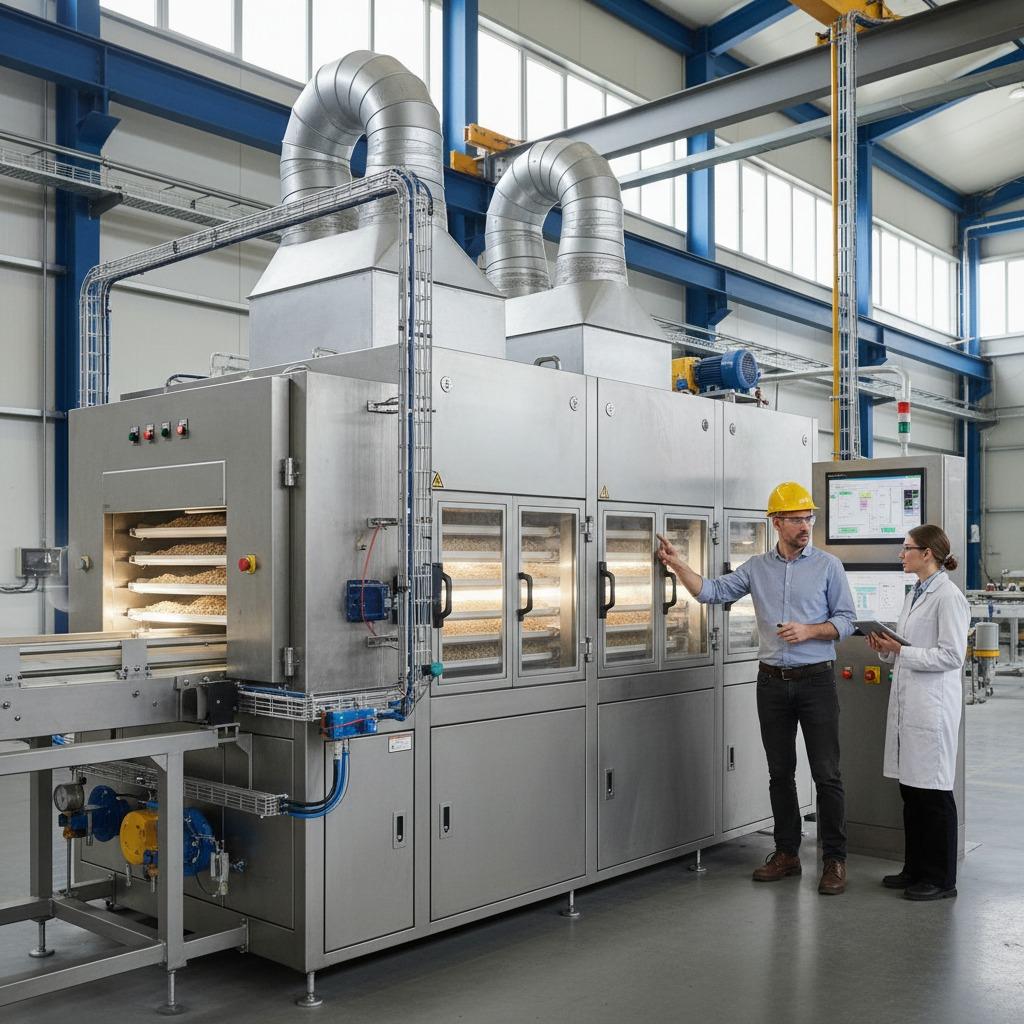
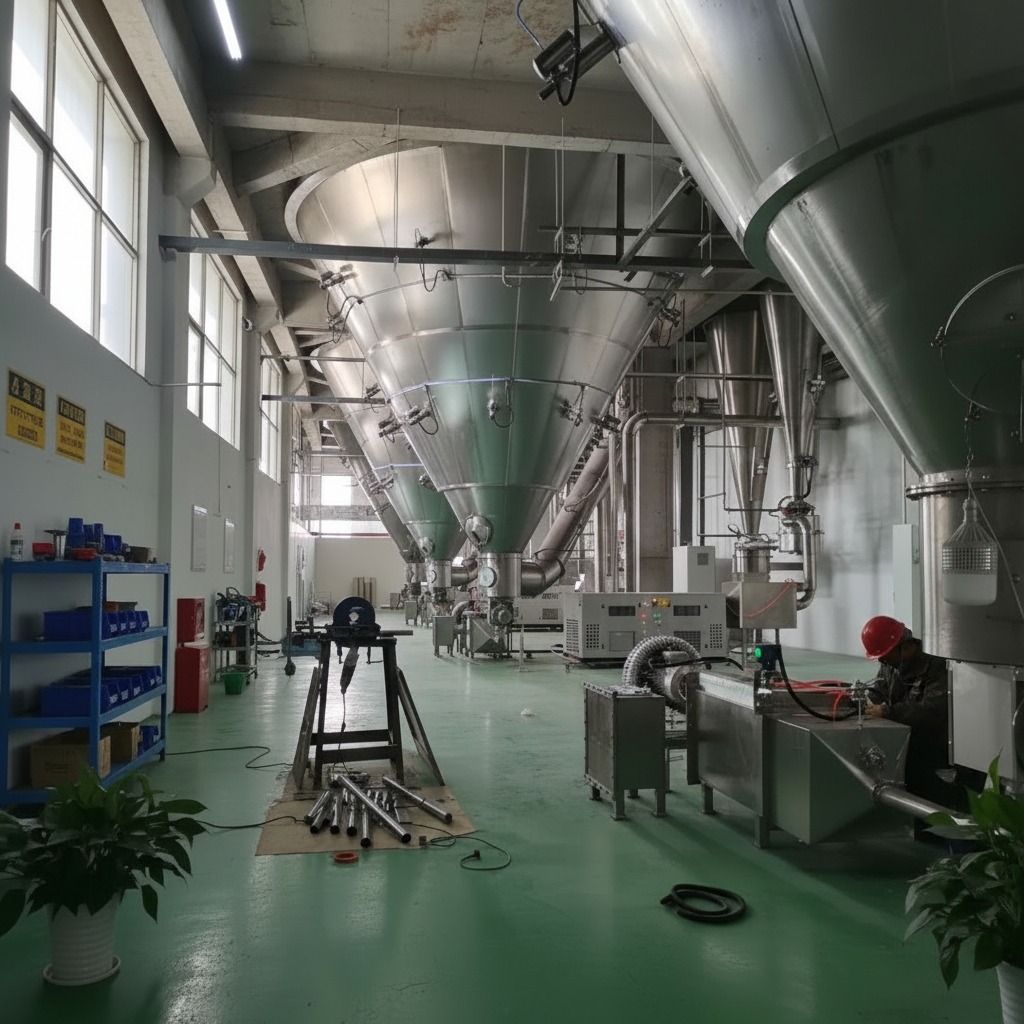
The visible production equipment in many factories shows a familiar pattern: large vertical vessels, cone-bottom discharge, flanged pipe connections, access platforms, and control cabinets mounted nearby. Those features are not decorative. They tell a sourcing manager a lot about maintainability, drainage, and how the equipment will fit into a continuous or batch process.
When comparing suppliers, buyers should pay close attention to how parts are fabricated and how they are installed, not just to the finished appearance. A polished surface looks good, but field serviceability, sealing geometry, and piping alignment are what usually determine whether the line stays stable after commissioning.
Common failure modes people underestimate
The obvious failures get attention: a cracked component, a seized actuator, a broken gasket. The more expensive problems are often less dramatic.
Residue buildup on a spray dryer chamber wall can gradually narrow the operating window. A spray dryer nozzle may still work, but not with the same spray cone or repeatability. A support platform or access stair may seem irrelevant until maintenance becomes slower and more awkward, which in turn extends downtime.
There is also a buyer-facing warning worth stating plainly: parts that are “close enough” dimensionally are not always close enough in service. In drying systems, small geometry changes can alter flow, cleaning, or atomization more than expected. That is one reason experienced plants keep careful records of part revisions and retrofit history.
What to request from a supplier
If you are sourcing spray dryer components, ask for information that helps you compare function, not just appearance. Useful questions include:
- Which operating conditions is the part intended for?
- Is it meant as a direct replacement or an improved revision?
- What wear surfaces are expected to change first?
- How is the part installed, inspected, and cleaned?
- Does the design fit the existing chamber, piping, or vessel arrangement without modification?
For larger plant hardware, such as stainless-steel cone-bottom tanks or process vessels feeding the dryer, ask for the fabrication drawings, connection details, and maintenance access considerations. Those documents often reveal more about long-term usability than a short product description does.
Buying advice for sourcing managers and plant engineers
The best procurement decisions usually come from looking at the system as a whole. A low-cost nozzle that wears fast may cost more than a better-built part that holds its pattern longer. A chamber component that is awkward to clean can become a recurring operational cost. A vessel with good drainage geometry can make feed handling more predictable, which is often worth more than people estimate at the purchase stage.
It also helps to distinguish emergency spares from planned spares. Emergency spares are for the failures that can stop the line. Planned spares are the items that will not fail today, but are known to drift. The second category is where many plants save money, because they reduce unplanned downtime without buying a warehouse full of inventory.
FAQ: quick answers buyers usually need
Are all spray dryer parts equally important?
No. Atomization hardware, chamber internals, and feed/discharge components usually have the biggest effect on product consistency and uptime.
Do stainless-steel vessels matter if the dryer itself is the focus?
Yes, especially when they feed, buffer, or receive material around the dryer. Stable upstream and downstream handling can be just as important as the drying section.
Should I replace only the visibly damaged item?
Not always. If a worn part is part of a matched set, or if it has affected spray pattern or sealing surfaces, replacing the full functional group may be smarter.
What is the biggest mistake in spare-parts buying?
Treating the dryer as isolated equipment. In practice, the chamber, atomizer, nozzle, piping, valves, and process vessels all influence outcome.
A practical next step
If you are reviewing spray dryer parts for a current line or planning a new installation, start with the components that affect atomization, cleaning, and discharge. Then look at the connected stainless-steel process equipment around the dryer. That is usually where the hidden cost sits.
For a better purchasing decision, map the existing system, note the wear points, and separate critical replacements from convenience purchases. A short field inspection and a spare-parts list that reflects actual process behavior will usually do more for uptime than a large generic order ever will.