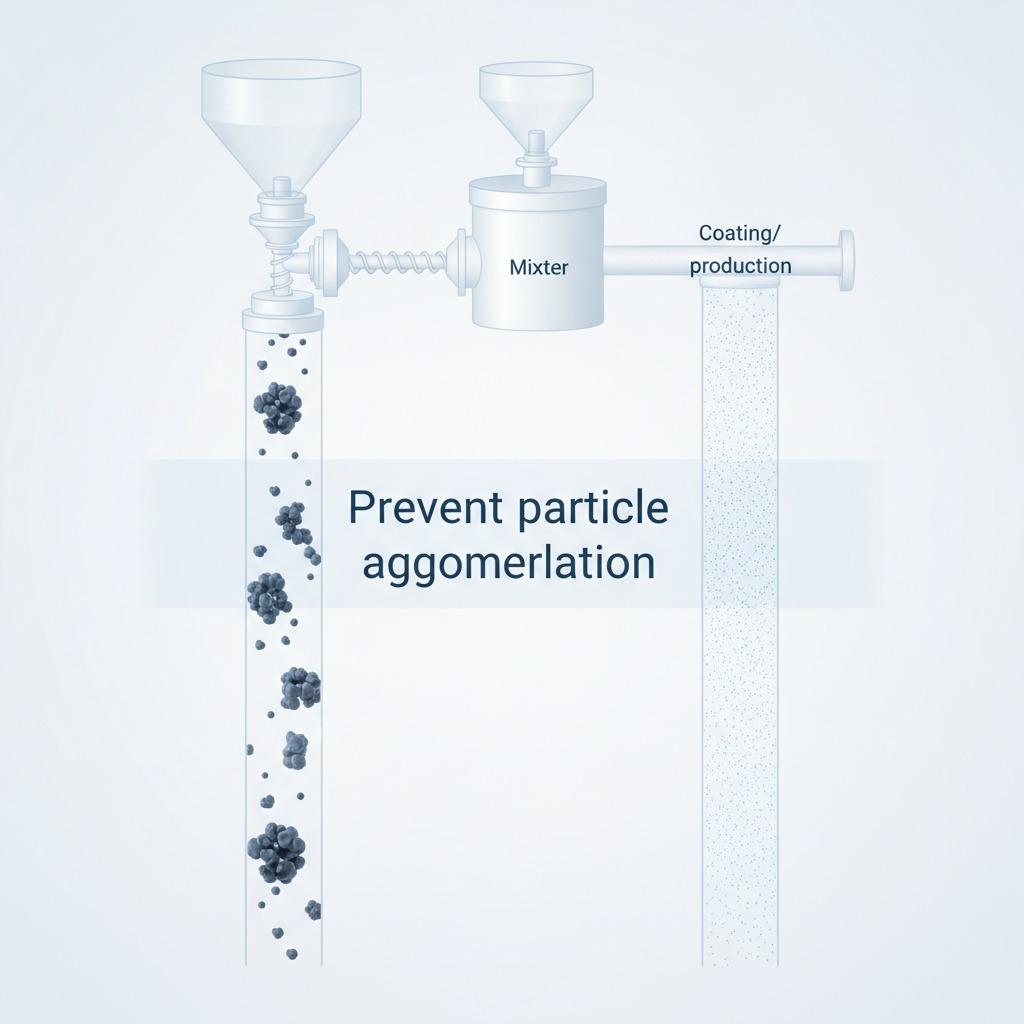
Why spray dryer parts matter more than most buyers expect
When a drying line goes down, the cost is rarely limited to one broken component. In a spray drying operation, worn spray dryer parts can affect particle size, moisture control, throughput, dust handling, and even how much cleaning the crew has to do before the next run. For sourcing teams and process engineers, the real question is not just which spare to buy, but which component is causing the bottleneck and how to avoid buying the wrong one twice.
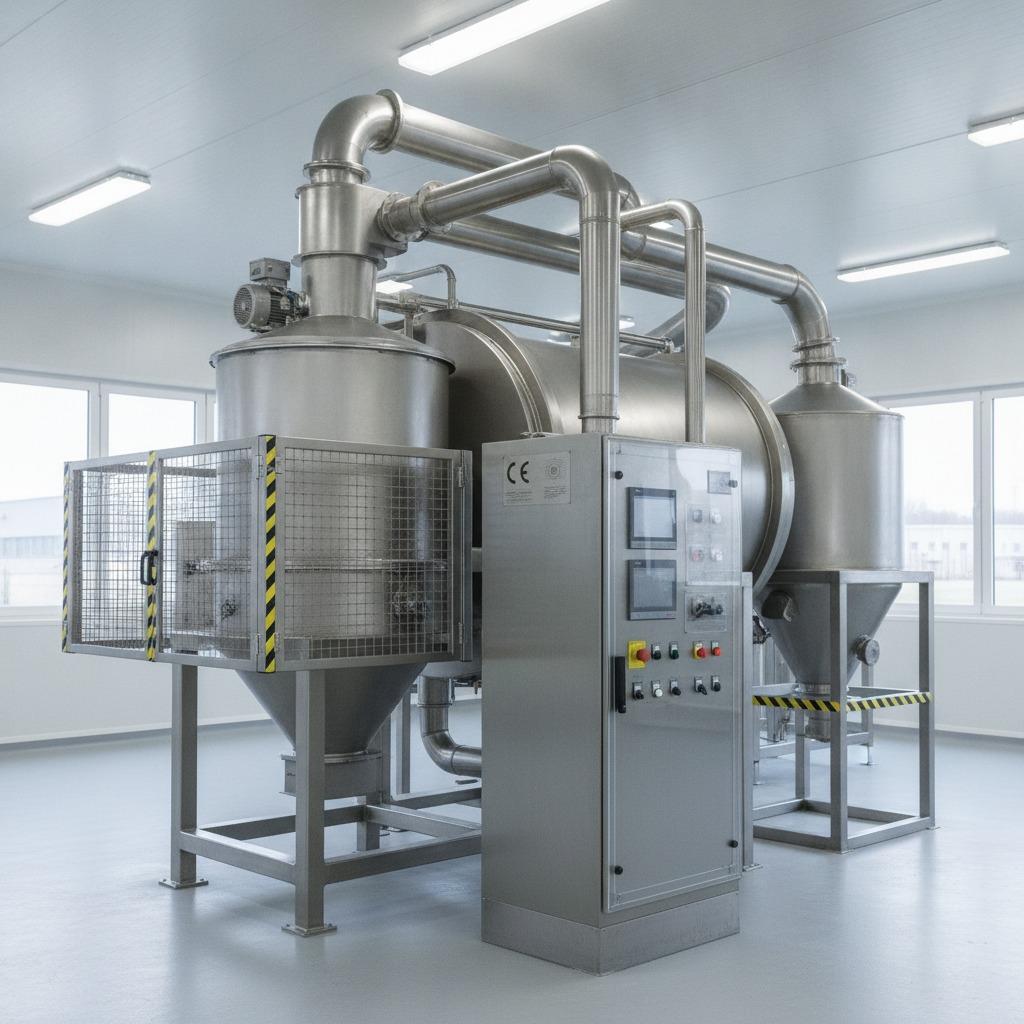
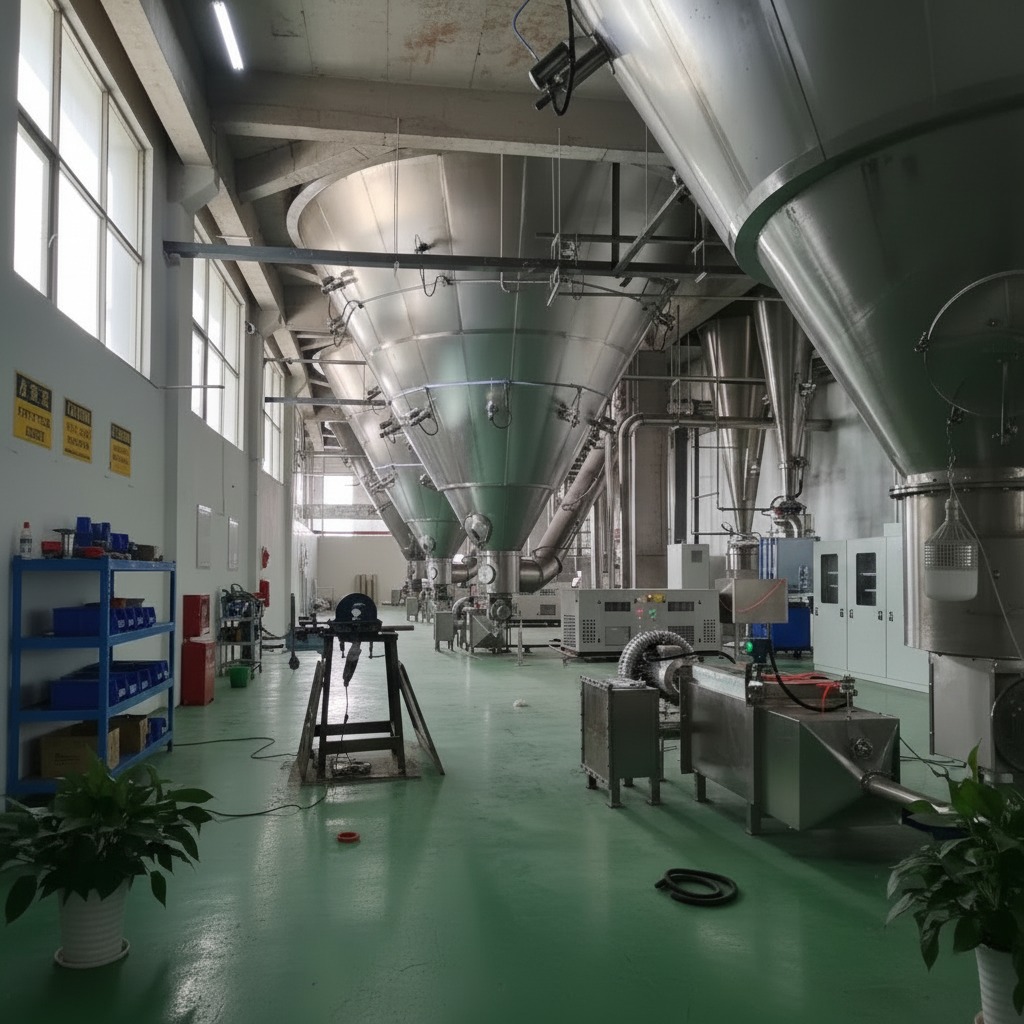
That is especially true on large stainless-steel systems with conical hoppers, vertical vessels, ducting, access platforms, and control interfaces. Those installations are built as integrated lines, so the spray dryer components have to work as a matched set. A worn spray dryer atomizer, a misfiring spray dryer nozzle, or a fouled spray dryer chamber does not behave like an isolated failure. It changes the drying profile, shifts the load on downstream filters, and can turn a stable line into a maintenance headache.
What buyers are really trying to decide
Most readers searching for spray dryer parts are trying to answer one of three practical questions: what is wearing out, what can be replaced without disturbing the rest of the system, and what needs to be specified more carefully because the process is sensitive. That is a fair distinction. A plant can often tolerate a generic gasket or valve seat. It is much less forgiving with high-wear components that control droplet formation, air distribution, or powder collection.
In a plant with multiple stainless-steel vessels, pipe runs, and control cabinets, the line may include drying, separation, collection, and transfer stages that each rely on different industrial spray dryer parts. The visual complexity matters because it tells you the machine is not a simple standalone dryer. It is a process system. That means spare parts should be chosen with the same discipline used for pumps, mixers, or reactor internals.
Core spray dryer components and what they do
Although exact machine layouts vary, the same basic groups show up across most drying systems. Understanding those groups helps narrow a spare parts list quickly.
Feed and atomization hardware
The spray dryer atomizer is often the most critical wear item in a line. Its job is to turn a feed into droplets with a repeatable size distribution. If it drifts, so does the final powder. Depending on the setup, the system may use a rotary atomizer or a pressure-type device. Either way, the maintenance team cares about runout, wear, buildup, bearing condition, and how easily the unit can be cleaned.
A spray dryer nozzle serves a similar function in nozzle-based systems, but the practical risks are a little different. Orifice wear, blockage, and changes in spray pattern can quickly affect drying uniformity. Buyers should be cautious about assuming that any nozzle with a similar flow rating will behave the same in service. Pattern geometry and droplet behavior matter as much as nominal size.
Drying chamber and air path
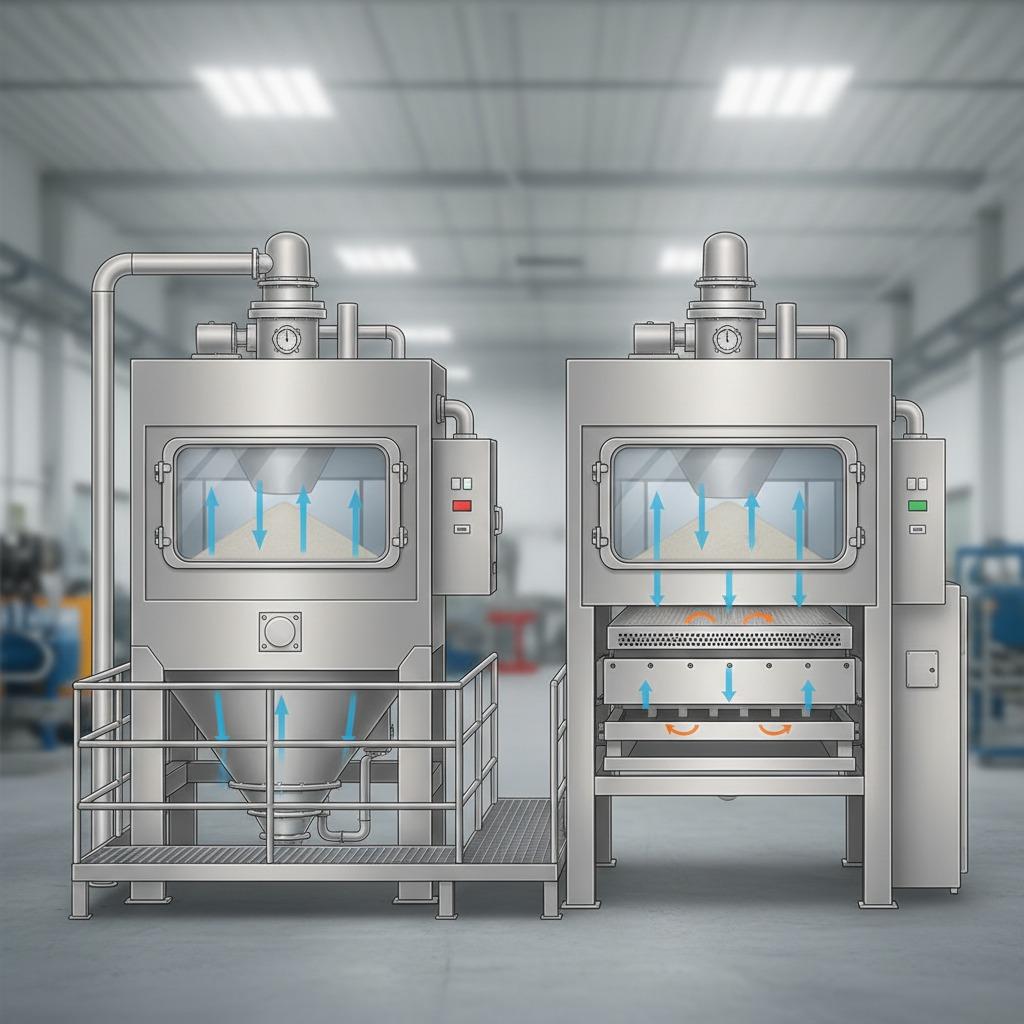
The spray dryer chamber is where the process becomes unforgiving. Once the feed is atomized, residence time, air movement, and wall conditions influence whether material dries cleanly or starts to stick. In large vertical chambers, the geometry and internal finish are part of the process, not just the vessel design. Stainless construction is common because it supports corrosion resistance and cleaning, but finish quality, weld quality, and access points can make a noticeable difference in upkeep.
Auxiliary ducting, cyclones, filters, and discharge hoppers also deserve attention. These parts are not glamorous, but they often determine how much product is recovered and how much powder escapes into the dust-handling system. In a multi-module line, a weak link in collection or transfer can look like a dryer problem when it is really a downstream handling issue.
Structural and access parts
On the kind of plant equipment seen in stainless process lines, structural items matter more than buyers sometimes assume. Platforms, ladders, handrails, inspection ports, flange connections, flexible hoses, valves, and control interfaces all affect uptime. If operators cannot inspect a spray dryer chamber safely or reach the atomization assembly without awkward disassembly, maintenance time rises immediately.
How to think about replacement: wear, sensitivity, and access
A sensible sourcing approach is to classify parts by how they fail. Some items wear gradually. Others fail suddenly. A few become problematic only when the process is running near its upper limits. That distinction helps separate stocking priorities from one-off repair purchases.
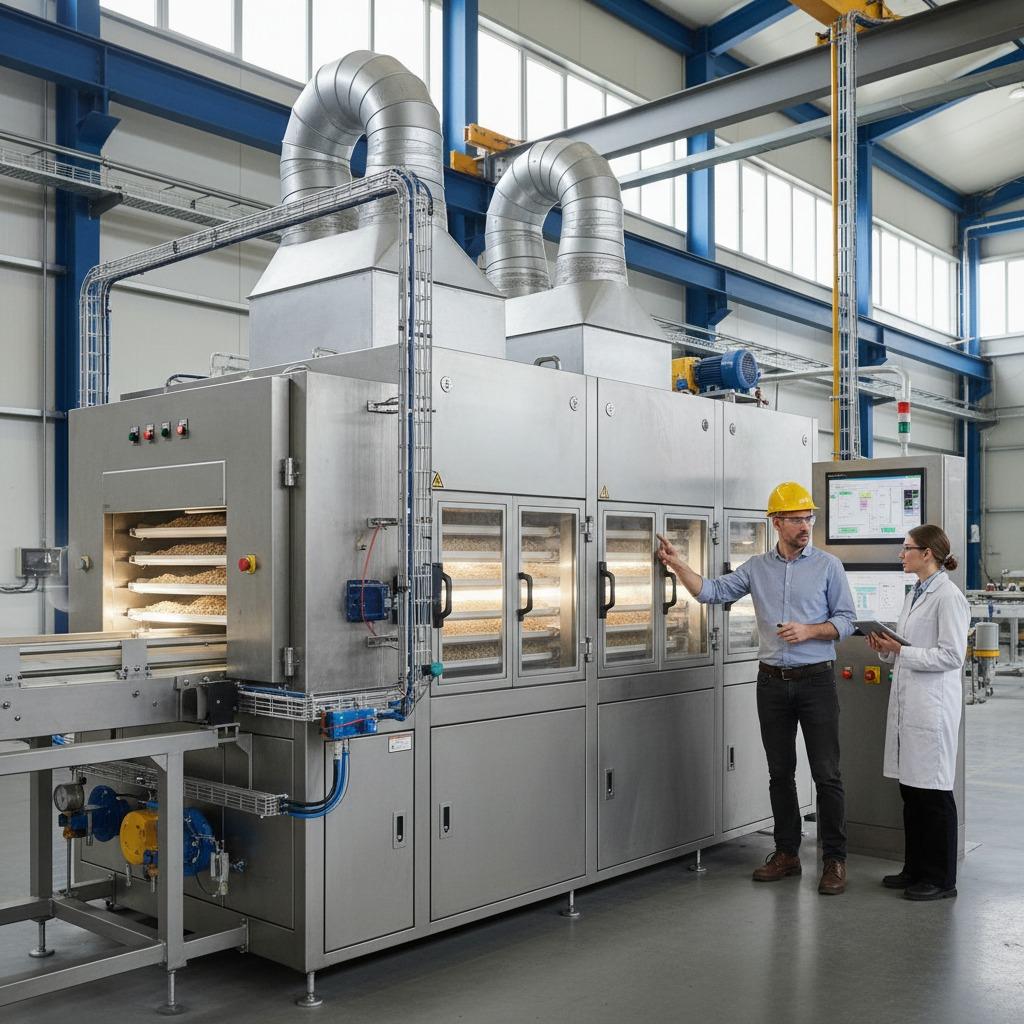
High-priority inventory usually includes pieces that wear from abrasion, buildup, or repeated cleaning. In drying lines that handle powders, granules, or slurry-derived solids, even apparently minor components can suffer from recurring exposure to heat, impact, and fine particulate. If the line is run hard, a back-up set of spray dryer parts can be cheaper than a week of unplanned downtime. That is not a dramatic statement; it is simply how many plants keep batch or continuous lines usable.
More sensitive items are those that affect the process window. A spray dryer atomizer or spray dryer nozzle may still “fit” after a replacement, but if the droplet pattern changes, the product can move outside its normal moisture or bulk-density range. That kind of issue is frustrating because the hardware seems correct at first glance. The failure only becomes visible when the powder starts to flow differently or downstream equipment loads differently.
Material and construction details that matter in stainless systems
The visible equipment in many industrial drying and powder-processing lines is stainless steel, usually because the application needs corrosion resistance, easier cleaning, or a smoother product-contact surface. Still, buyers should not stop at the word stainless. The actual grade, surface finish, weld treatment, and seal selection can change durability and hygiene performance. If those details are not supplied, ask for them explicitly.
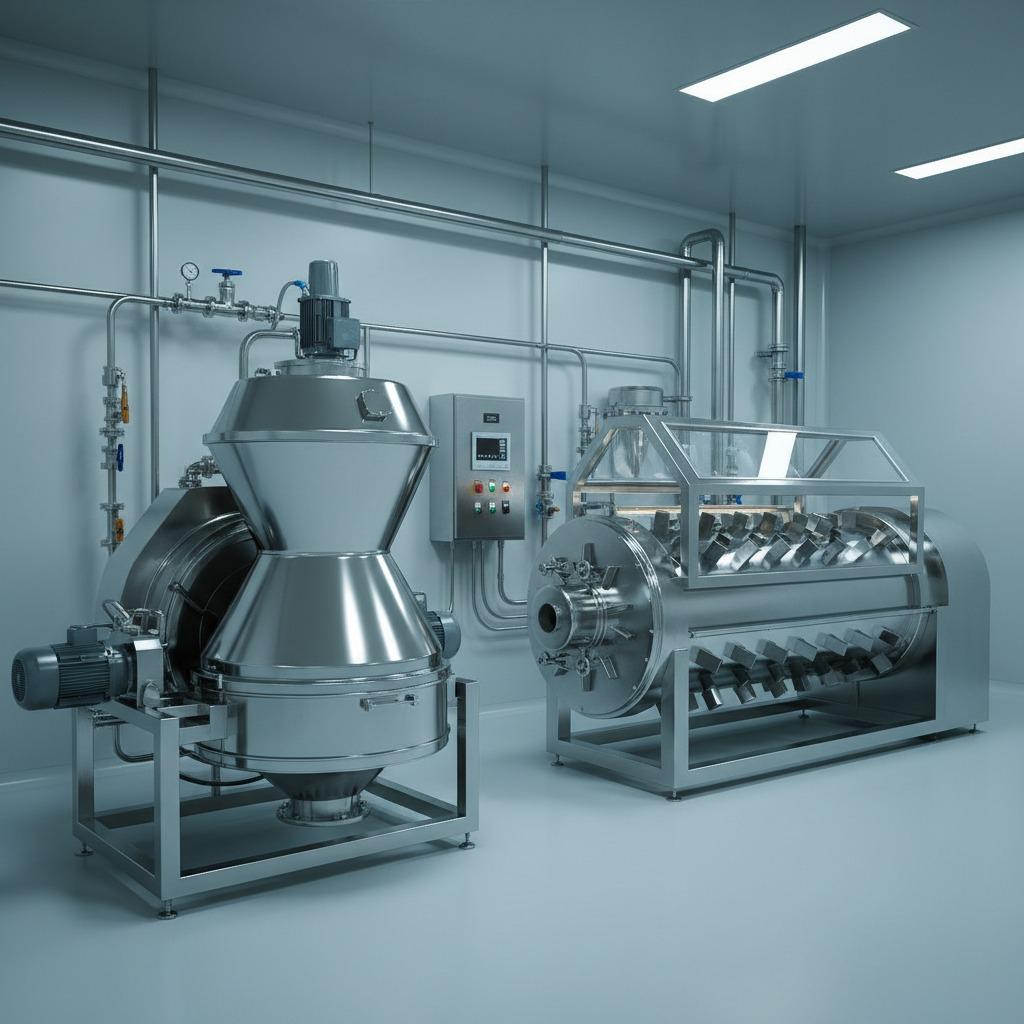
For buyers evaluating industrial spray dryer parts, this is where caution helps. Two parts can look identical in a catalog photo and still behave differently in service because of the way they are machined, balanced, sealed, or finished. A plant may also use several stainless subassemblies around the same dryer line, from cone-bottom hoppers to vertical chambers and connected pipework. That layout suggests a need for parts that fit both mechanically and operationally, not just dimensionally.
Selection criteria that actually help on the shop floor
When comparing replacement spray dryer components, start with function before price. Then verify the practical details that are easy to overlook:
Does the part match the feed type and expected wear mechanism? Does it fit the existing mounting and access layout? Can it be cleaned without a major teardown? Will it preserve the original spray pattern, flow path, or discharge behavior? If the answer to any of those is uncertain, the cheapest option may become the most expensive one after commissioning.
Maintenance history is also useful. If the same part has failed repeatedly, do not just replace it and move on. Look for evidence of buildup, misalignment, vibration, thermal stress, or operating conditions that are harsher than the component was designed to tolerate. That kind of review often reveals whether the problem lies in a spray dryer nozzle, a feed issue, or the chamber environment itself.
Common buyer mistakes
One frequent mistake is buying by description alone. “Fits spray dryer” is not enough. Another is assuming a visible match means a process match. A part may bolt into place and still produce a different drying outcome. That is especially risky in product-sensitive operations where particle morphology, moisture content, or dust load matters.
Another common error is treating the chamber, the atomizer, and the collection system as separate purchasing categories. In practice, they are linked. If a part changes droplet size or residence behavior, the downstream cyclone or filter load changes too. Plants often discover this after the fact, which is why spare-parts planning should include the whole process path, not only the obvious wear item.
Practical advice for sourcing managers and engineers
For routine maintenance, keep a short list of critical spares with clear identifiers: location in the line, function, and the failure mode it supports. Include photos if internal records allow it. That is useful when the line contains several similar stainless vessels and auxiliary units. Ambiguity costs time, especially during shutdown windows.
For capital projects or line expansion, ask suppliers how their parts interface with the existing spray dryer chamber, ducting, and discharge hardware. If a supplier cannot explain the process impact of a replacement, that is a warning sign. It does not necessarily mean the part is poor, but it does mean the buyer will have to do more engineering verification before installation.
And if the line handles powders that are moisture-sensitive, sticky, or abrasive, build in a margin for cleaning and inspection. Real plants are not ideal lab conditions. Residue, vibration, and thermal cycling add up. A component that looks fine on paper may be troublesome after a few cleaning cycles or a season of hard use.
Quick reference: what to inspect first
If performance drifts, inspect the atomization assembly first, then the spray pattern source, then chamber buildup, then collection and transfer hardware. If there is visible powder carryover or unstable discharge, check the downstream collection path before blaming the whole dryer. If cleaning time has increased, look for internal surfaces, access points, and seals that may be holding residue.
FAQ
Are all spray dryer parts interchangeable?
No. Even parts that look similar can behave differently because of flow geometry, finish, balancing, sealing, and process conditions.
What is the most critical wear item?
That depends on the system, but the spray dryer atomizer and spray dryer nozzle are often among the most sensitive to wear or blockage.
Should I stock chamber parts or nozzle parts first?
Stock the parts that most often stop the line or alter product quality. In many plants, that means atomization and feed-related spares first, then chamber seals, access hardware, and collection components.
What to do next
If you are reviewing a dryer line, map the process from feed entry to powder discharge and identify which spray dryer parts are quality-critical, which are wear items, and which are simply access or support hardware. That small exercise usually clarifies purchasing priorities fast. For plants using large stainless-steel process systems with integrated piping, platforms, and collection equipment, the best spare parts plan is the one that protects both uptime and product consistency, not just the one that fills a cabinet.