Vibrating vs conventional fluid bed: how to choose the right dryer for difficult materials
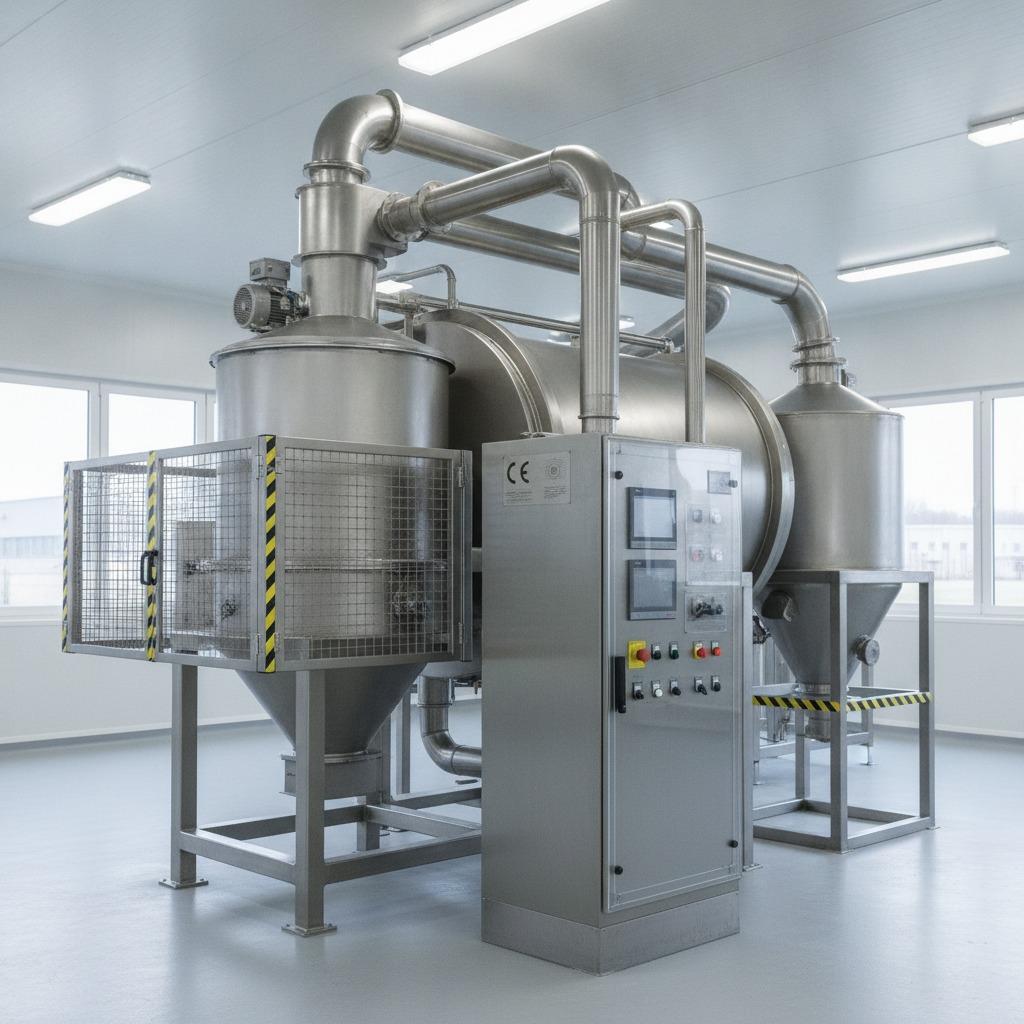
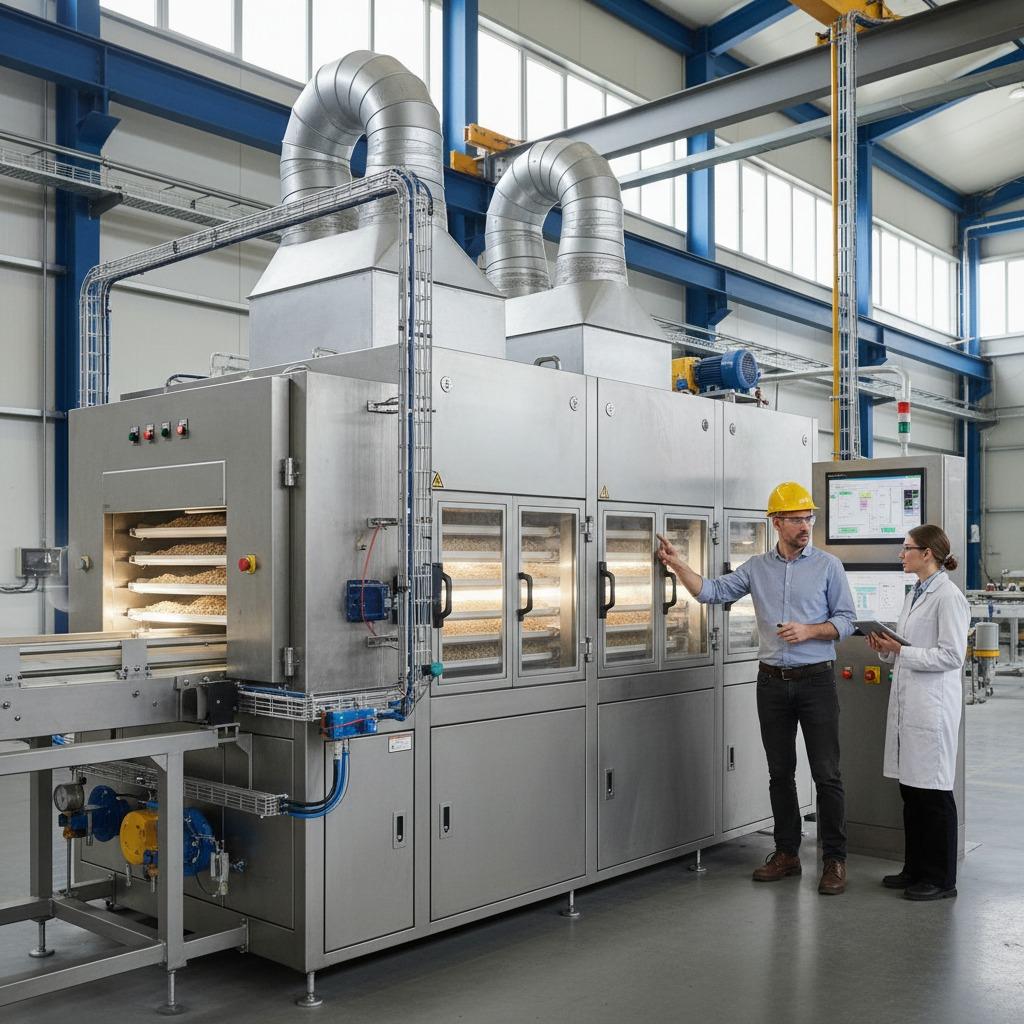
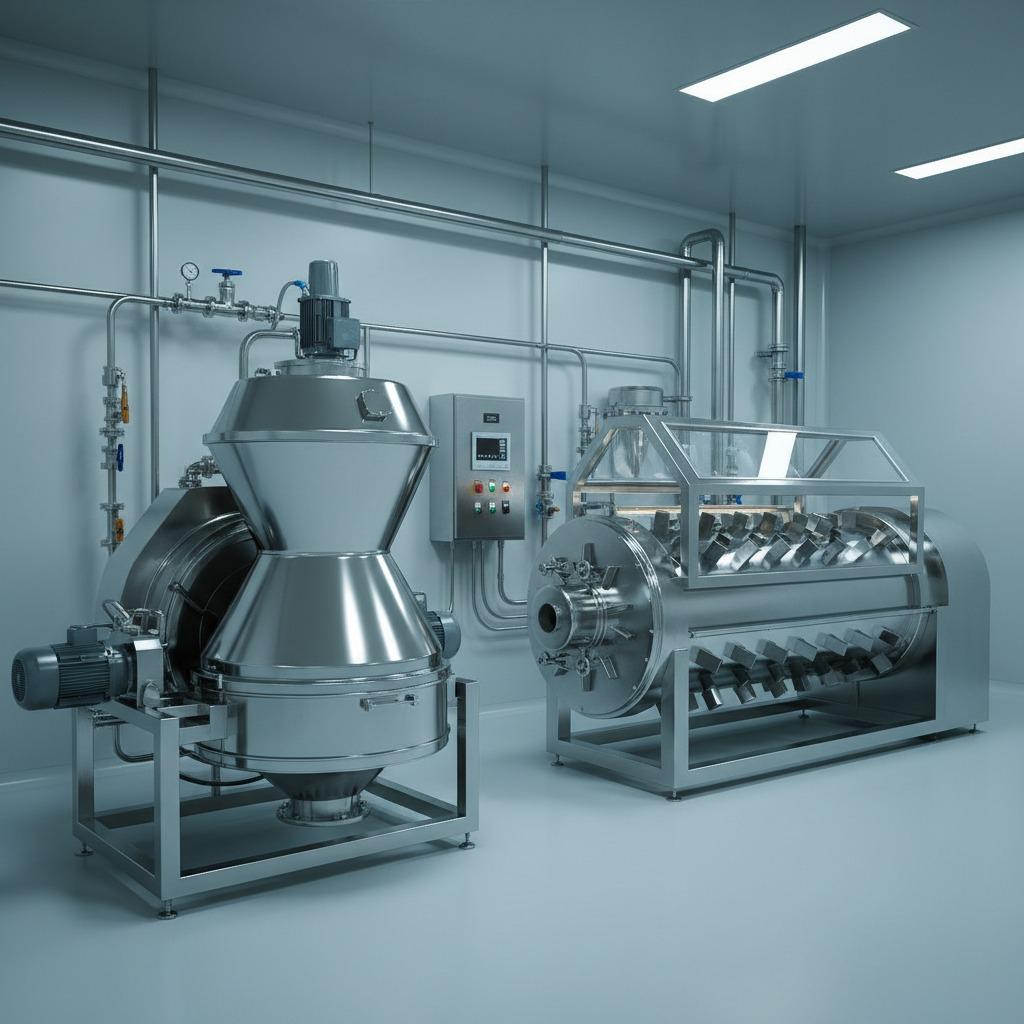
When people compare Vibrating vs conventional fluid bed dryers, they are usually trying to answer a practical question: which system will dry the product more evenly, keep the line moving, and avoid the kinds of problems that waste time downstream? For free-flowing granules, the answer is often straightforward. For more troublesome powders, crystalline products, and especially Sticky materials drying, the choice becomes less obvious and much more expensive to get wrong.
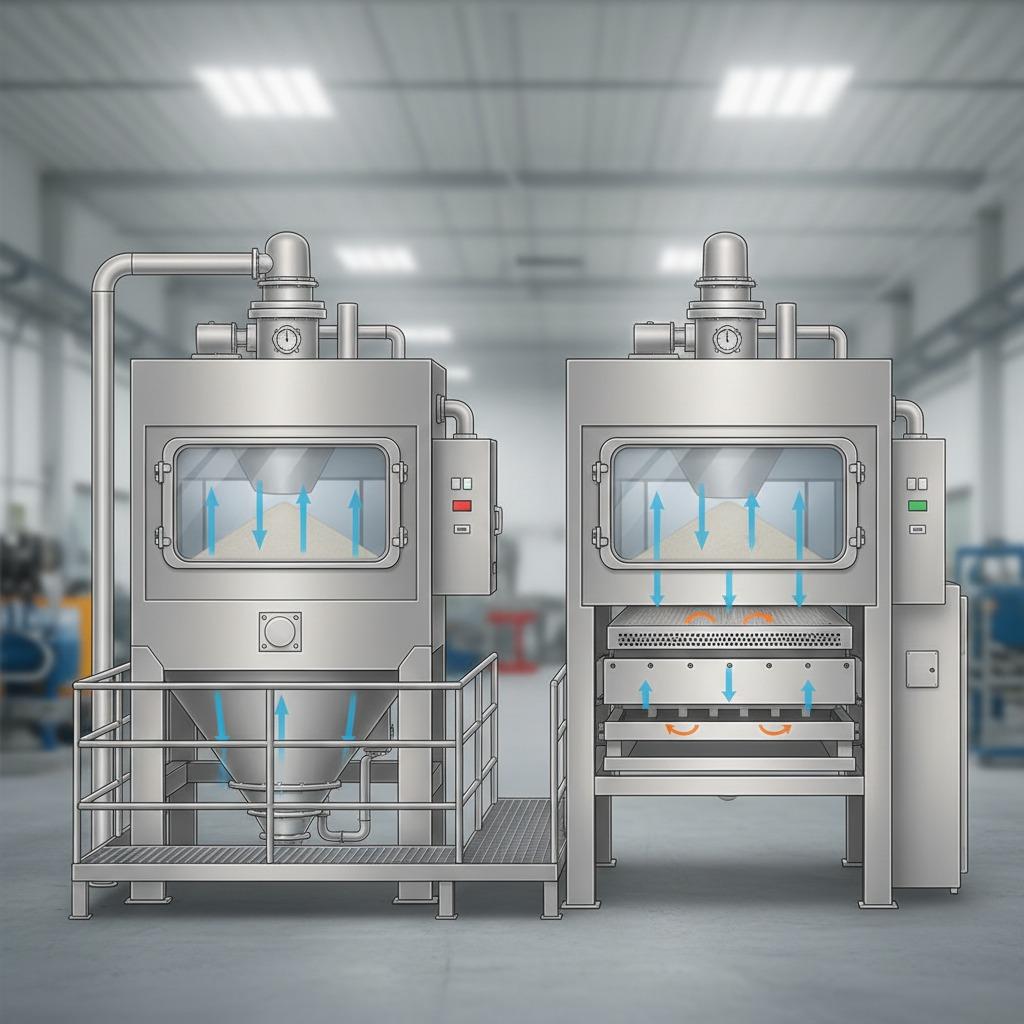
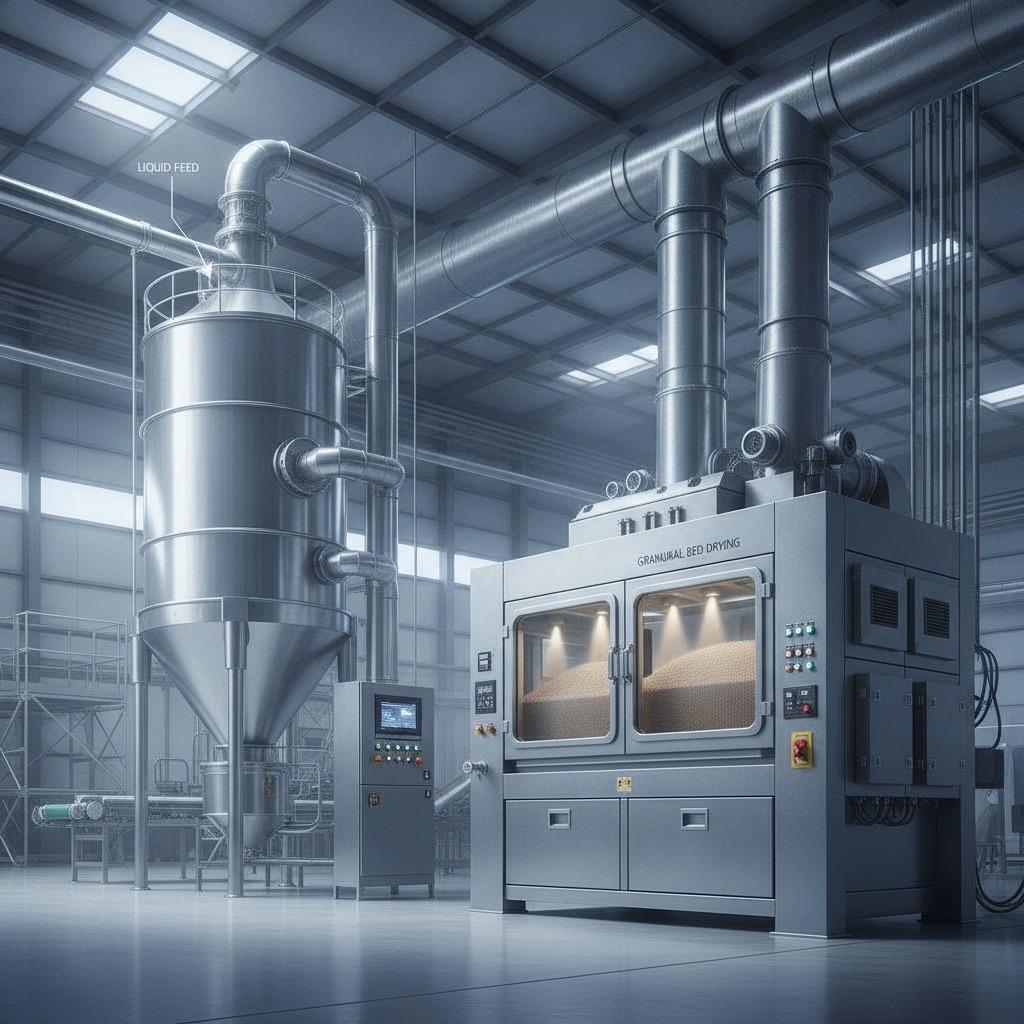
A fluid bed dryer is not just a heated box with air blown through it. It is a controlled process environment where particle behavior, moisture migration, residence time, and mechanical handling all interact. Conventional fluid bed systems rely mainly on air velocity to suspend and mix particles. Vibrating fluid bed systems add mechanical motion to help move material through the chamber and reduce the risk of dead zones, bridging, or uneven residence time. That basic difference drives most of the real-world tradeoffs.
Why this comparison matters to engineers and buyers
On paper, both systems can dry solids efficiently. In practice, the right choice affects product quality, throughput stability, cleanup effort, and how much operator attention the line demands. A dryer that looks economical at purchase can become expensive if it struggles with fouling, hot spots, or product buildup. The opposite is true as well: an over-specified vibrating unit may solve handling issues, but not every product needs that extra complexity.
For sourcing teams, this is also a capital planning decision. The dryer type influences footprint, utilities, maintenance routines, and the level of process tuning required after installation. For process engineers, the real question is whether the material will fluidize consistently under the expected moisture range and particle size distribution. That is where many projects run into trouble.
Quick comparison: where each dryer tends to fit
Conventional fluid bed dryers
Conventional designs are usually strongest when the material is relatively uniform, free-flowing, and not prone to clumping. They work well because the air stream does most of the lifting and mixing. If the particles behave predictably, you can often get efficient heat transfer and a clean discharge without much mechanical help.
They are commonly considered for granules, pellets, and some crystalline materials. Their appeal is simple: fewer moving parts in the bed itself, a familiar operating model, and often a lower upfront cost. But that simplicity has boundaries. Once the feed becomes irregular, sticky, or sensitive to layering and channeling, the system can become finicky.
Vibrating fluid bed dryers
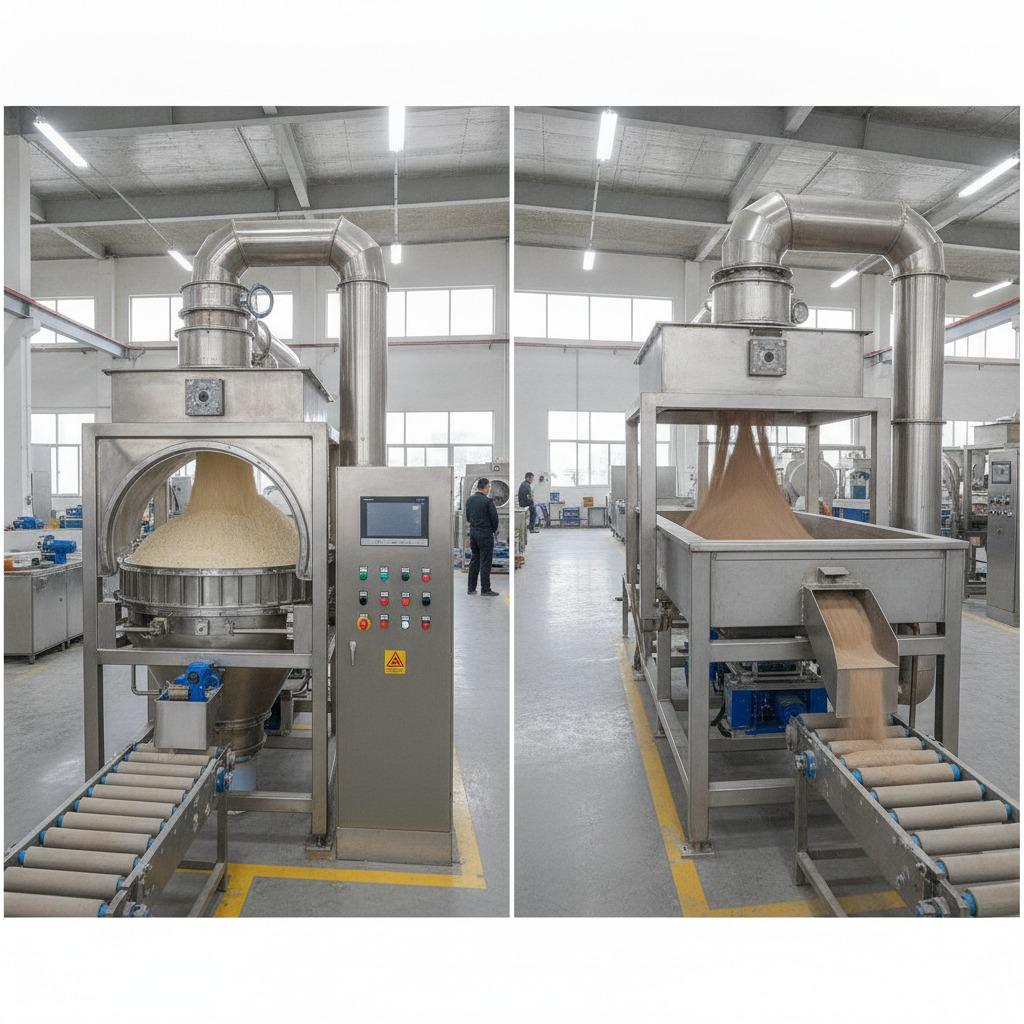
Vibrating units add controlled motion to move product through the dryer and support fluidization. This extra agitation can be useful when the material tends to compact, form lumps, or resist uniform airflow. In that sense, vibration is not a gimmick; it is a way of making the bed more forgiving.
They are often looked at for products that are awkward to handle, including some Sticky materials drying applications, where adhesion and buildup can disrupt a conventional bed. The added motion may also help when the feed has a wider moisture spread or when the product needs more reliable conveying through the drying zone. The caveat is that vibration can introduce its own wear points and process tuning requirements.
How the drying mechanism differs
In a conventional fluid bed, heated air passes upward through a distributor plate or similar surface. If the air velocity is right and the product remains well suspended, each particle sees a similar drying environment. That is the theory, and often the reality for cooperative materials.
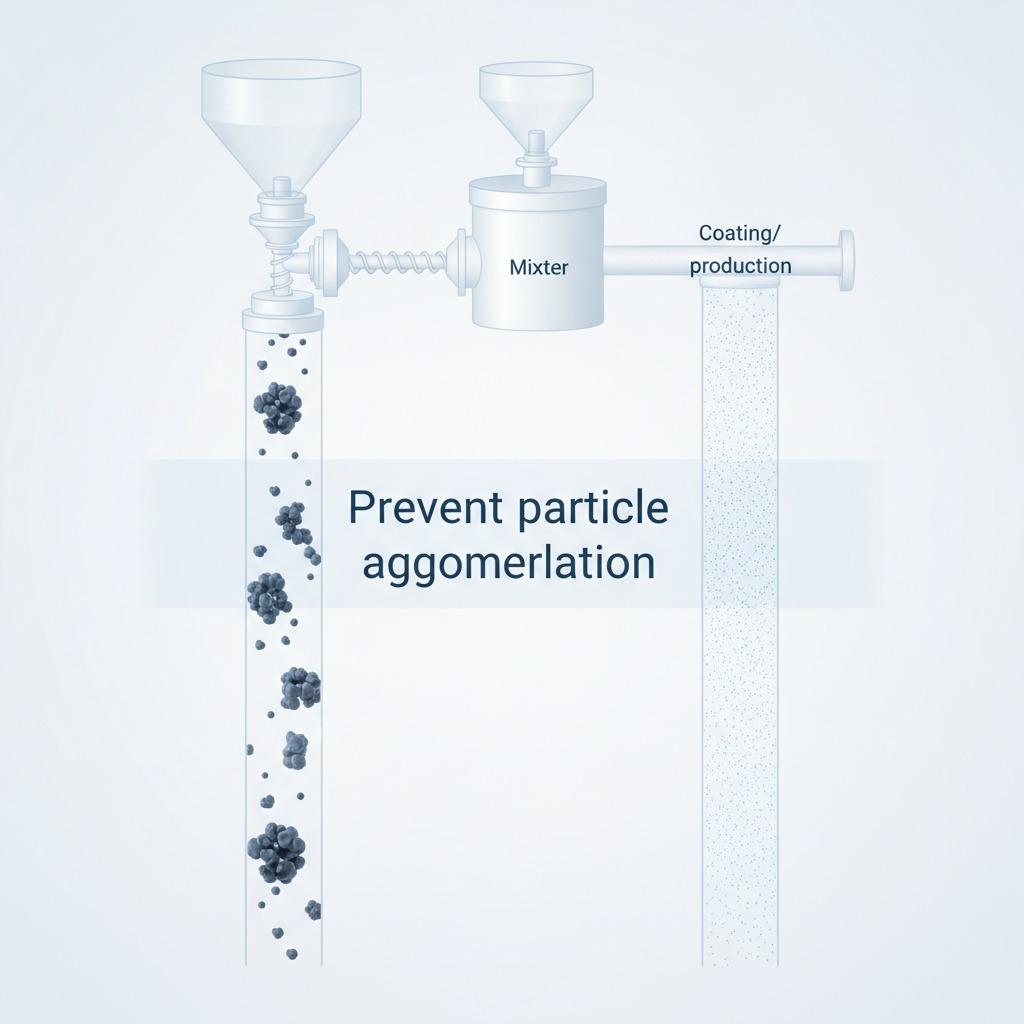
In a vibrating fluid bed, the mechanical motion encourages movement across the bed while the air still provides heat and mass transfer. This combination can improve material turnover and reduce the chance of stagnant zones. It can also help break light agglomerates before they harden into larger clumps. Still, vibration is not a cure-all. A very tacky product can still smear, coat surfaces, and demand careful temperature control.
One practical point worth noting: the right drying mechanism depends not only on chemistry but also on particle size, surface moisture, bulk density, and whether the product changes behavior during the run. A powder that flows well at the start may become sticky partway through drying as surface moisture drops and internal migration changes the texture.
Selection criteria that actually matter
If you are comparing dryers, start with product behavior rather than machine preference. Too many projects begin by asking which design is “better” in general, when the real question is which one matches the material at hand.
1. Flowability and cohesion
Free-flowing materials usually favor conventional systems. Cohesive, bridging, or lump-forming products may need vibration to maintain movement. If the feed bridges at the hopper or forms crusts during pre-drying handling, that is a warning sign that conventional fluidization could be unreliable.
2. Moisture profile
Surface moisture can be much more important than total moisture. A material with modest average moisture may still behave badly if the outside is tacky while the core remains wetter. That unevenness can make a dryer appear unstable even when the root problem is feed consistency.
3. Heat sensitivity
Some materials cannot tolerate aggressive inlet temperatures. When heat-sensitive products are involved, the real challenge is balancing drying speed against product integrity. A vibrating bed may improve residence control, but it does not remove the need to manage thermal exposure carefully.
4. Fouling and cleanup
Sticky or resinous products can coat internal surfaces, plates, and discharge areas. Conventional units may be simpler to access in some layouts, while vibrating systems may reduce buildup in motion-prone zones but still require disciplined cleaning practices. Buyers should look closely at the access points, removable components, and cleaning sequence, not just the brochure performance.
5. Maintenance tolerance
Vibration adds mechanical complexity. Bearings, mounts, drive elements, and alignment all deserve attention. That is not necessarily a disadvantage, but it should be weighed against the process benefits. If a plant prefers low-mechanical-complexity equipment and the product is easy to fluidize, conventional may be the better long-term fit.
Common mistakes in dryer selection
One of the most common mistakes is assuming that a dryer that works in the lab will behave the same way at production scale. Scale changes airflow distribution, hold-up volume, and the way the bed responds to start-up and shutdown. A second mistake is underestimating how sticky a product becomes during transition states, not just at room temperature.
Another frequent issue is treating all “difficult powders” as one category. There is a major difference between a cohesive powder that still de-aerates well and a material that smears as soon as it warms. The first may only need process tuning. The second may need mechanical assistance, tighter feed conditioning, or even a different drying technology altogether.
A third mistake is ignoring discharge behavior. A dryer that dries well but discharges poorly can create a bottleneck that erases the gains. In real plants, the exit point matters as much as the drying zone.
What buyers should ask before committing
Before making a decision, ask how the supplier expects the bed to behave across the full moisture range, not just under ideal conditions. Ask whether the product has been proven to move without compaction, and whether residence time is controlled primarily by airflow, vibration, or both. If sticky behavior is part of the process, ask specifically how buildup is managed and where the likely fouling points are.
It is also worth asking what happens when conditions drift. Production reality includes feed variability, operator adjustments, and seasonal changes in ambient humidity. A dryer that is stable only when everything is perfect may be harder to live with than a slightly less efficient model that is more forgiving.
Practical takeaways for Sticky materials drying
For Sticky materials drying, the best choice is usually the one that combines gentle handling with enough mechanical assistance to keep the bed moving. That often points toward a vibrating design, but not always. Some sticky products can be made workable in a conventional system if the upstream conditioning, feed uniformity, and temperature control are excellent. Others will fight the process from day one and make the extra motion worthwhile.
The real measure is not whether the dryer can remove moisture in a single ideal test. It is whether it can do so consistently at production rate without excessive buildup, manual intervention, or quality drift. Engineers know this instinctively; buyers feel it later in maintenance and downtime.
FAQ: short answers to the questions teams usually ask
Is vibrating always better for difficult materials?
No. It can help with movement and reduce bridging, but it adds mechanical complexity and may not solve a fundamentally poor material fit.
Are conventional fluid beds simpler to operate?
Usually yes, provided the product fluidizes well. Simpler operation depends on the material behaving consistently.
Can one dryer handle a wide range of products?
Sometimes, but flexibility has limits. A dryer designed around one class of solids may struggle when the particle size, moisture profile, or cohesiveness changes too much.
A sensible next step
If you are comparing Vibrating vs conventional fluid bed options, start with the product, not the machine. Map the material’s flow behavior, moisture profile, sensitivity to heat, and tendency to foul. Then look at the dryer’s ability to keep the bed moving, control residence time, and stay maintainable in real production conditions. That sequence usually leads to a better decision than chasing the highest drying rate on a datasheet.
For teams evaluating a new line or replacing underperforming equipment, the best next step is to document the product’s worst-case behavior and ask suppliers to respond to that scenario, not the easiest one. That small shift in the conversation often reveals which dryer type is actually suited to the job.