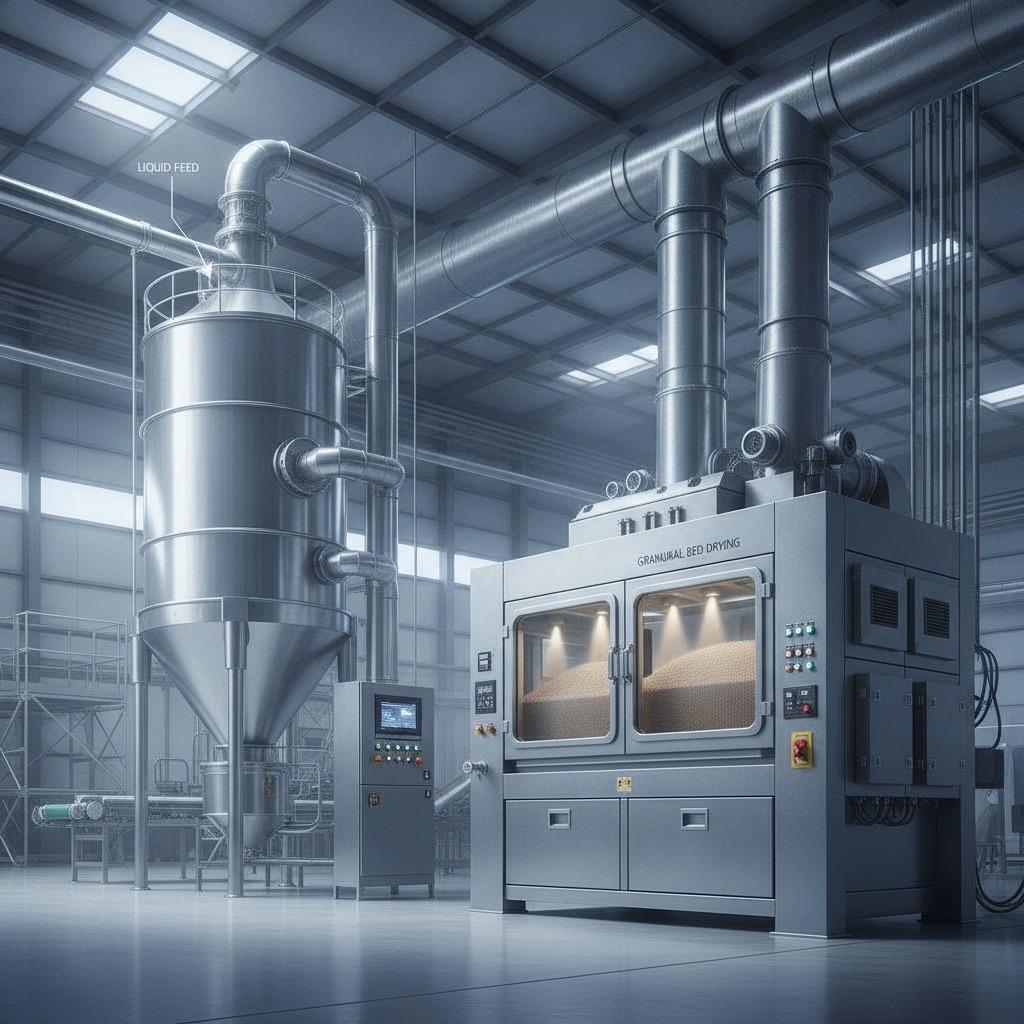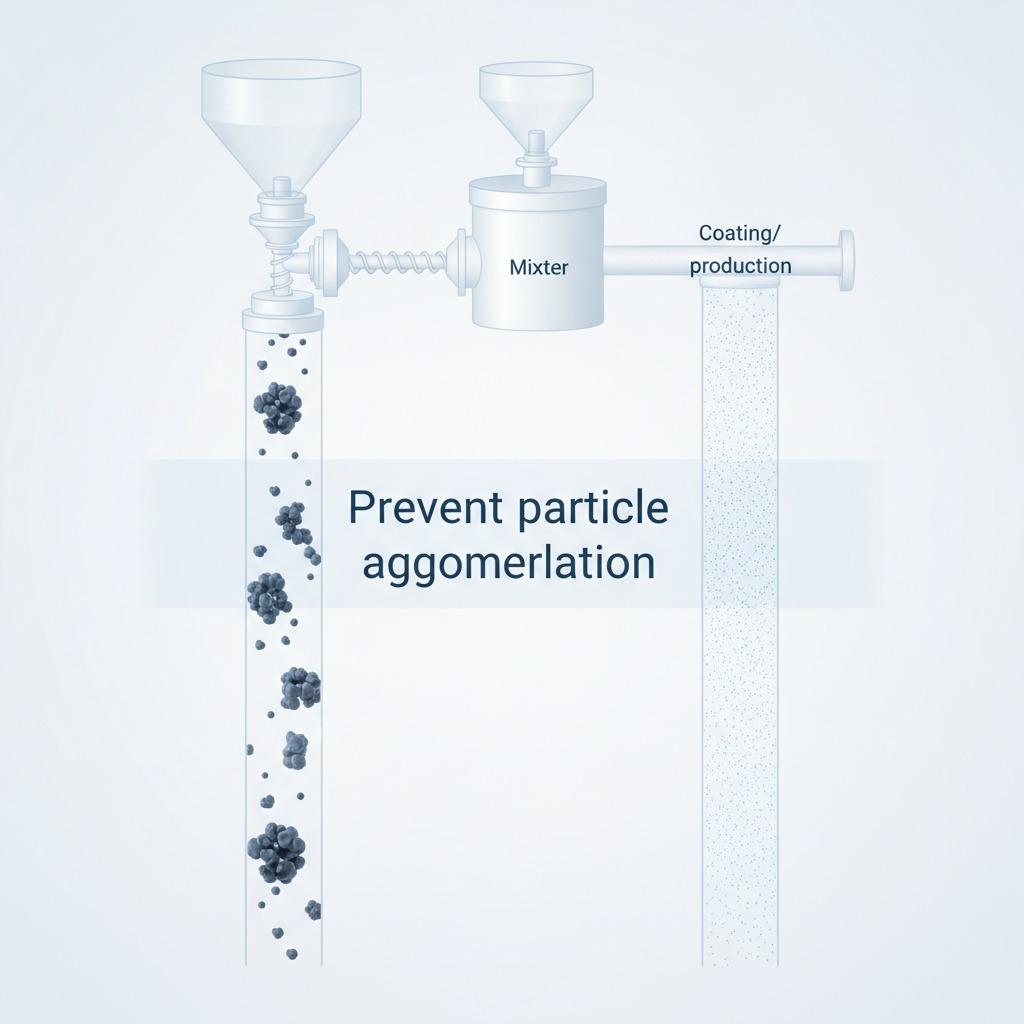
Understanding the Industrial Vacuum Dryer: Efficiency in Modern Processing
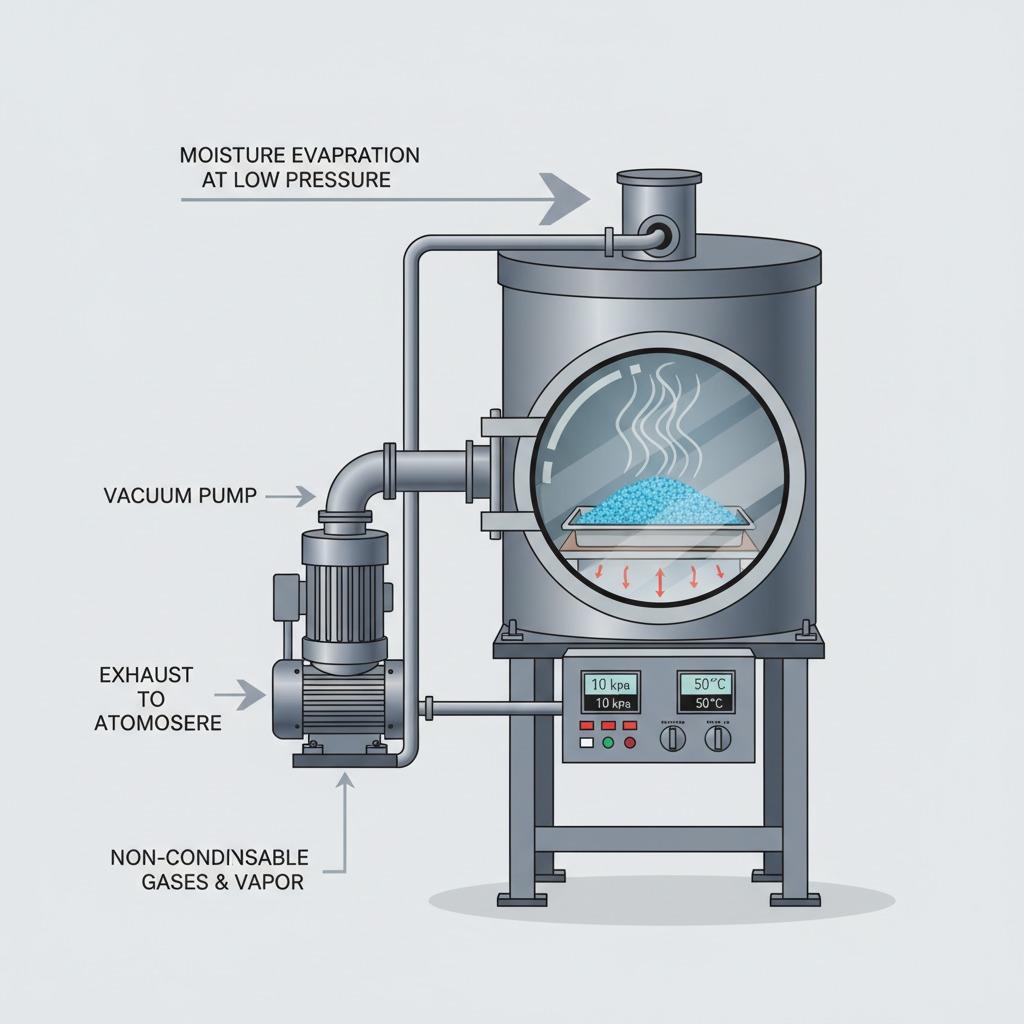
In today's fast-paced industrial landscape, the industrial vacuum dryer stands out as a pivotal piece of equipment for moisture removal in various manufacturing sectors. This specialized drying equipment operates under reduced pressure to accelerate the evaporation process, making it essential for industries like pharmaceuticals, food processing, and chemicals. By integrating the vacuum drying process, companies can achieve superior product quality without compromising on efficiency. As we delve deeper, we'll explore how this technology transforms raw materials into finished goods, highlighting its role in enhancing productivity.
The Fundamentals of the Vacuum Drying Process
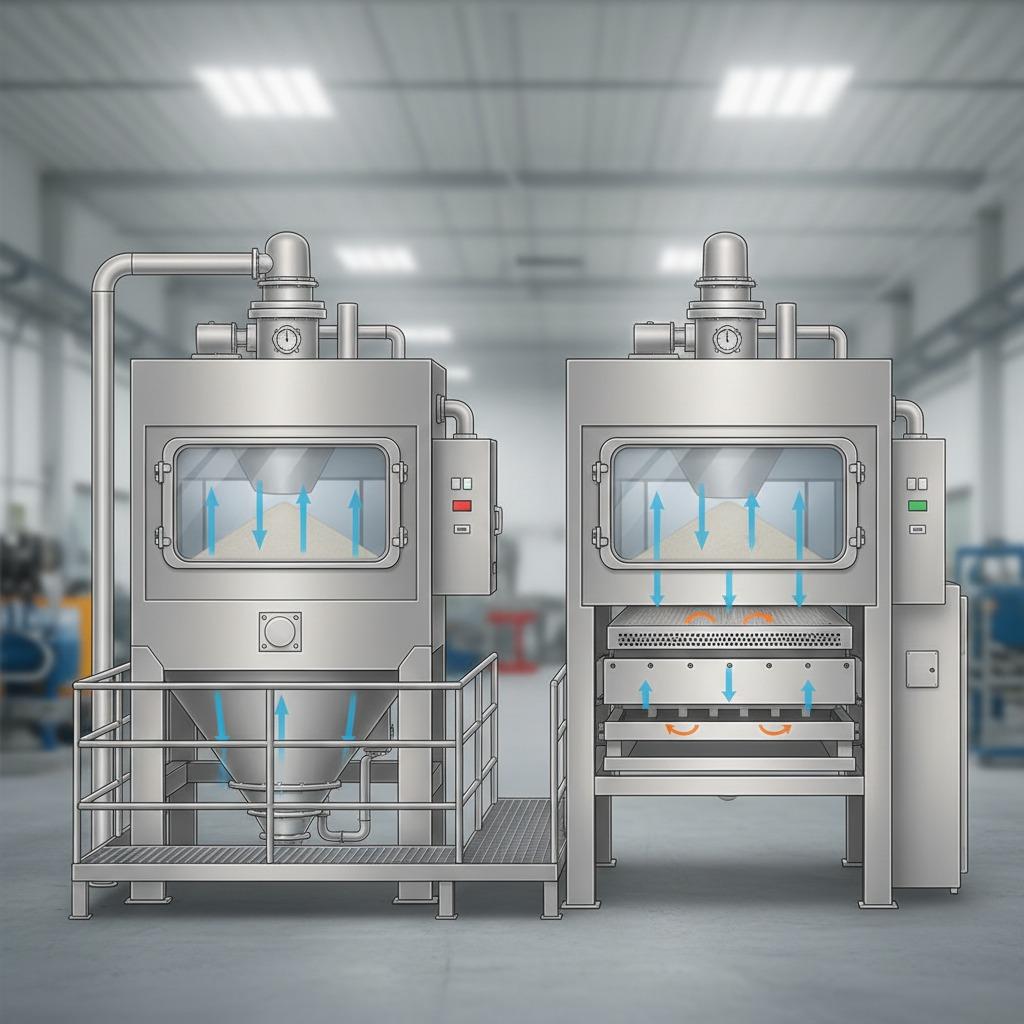
The vacuum drying process is at the heart of an industrial vacuum dryer, where materials are dried in a low-pressure environment to lower the boiling point of water or solvents. This method prevents oxidation and thermal degradation, preserving the integrity of sensitive products. Unlike traditional drying techniques, the vacuum drying process allows for uniform moisture extraction, reducing drying times significantly. In practice, this process involves placing the material in a sealed chamber where vacuum pumps create the necessary pressure drop, facilitating rapid evaporation at lower temperatures.
Engineers often pair this with precise temperature controls to tailor the vacuum drying process to specific material properties, ensuring optimal results. For instance, in pharmaceutical applications, it safeguards active ingredients from heat damage, maintaining potency and efficacy. The process's versatility extends to batch and continuous operations, making it adaptable for diverse production scales. Overall, understanding the vacuum drying process is crucial for selecting the right equipment that aligns with operational needs, ultimately boosting throughput and minimizing waste.
Key Features of Advanced Drying Equipment
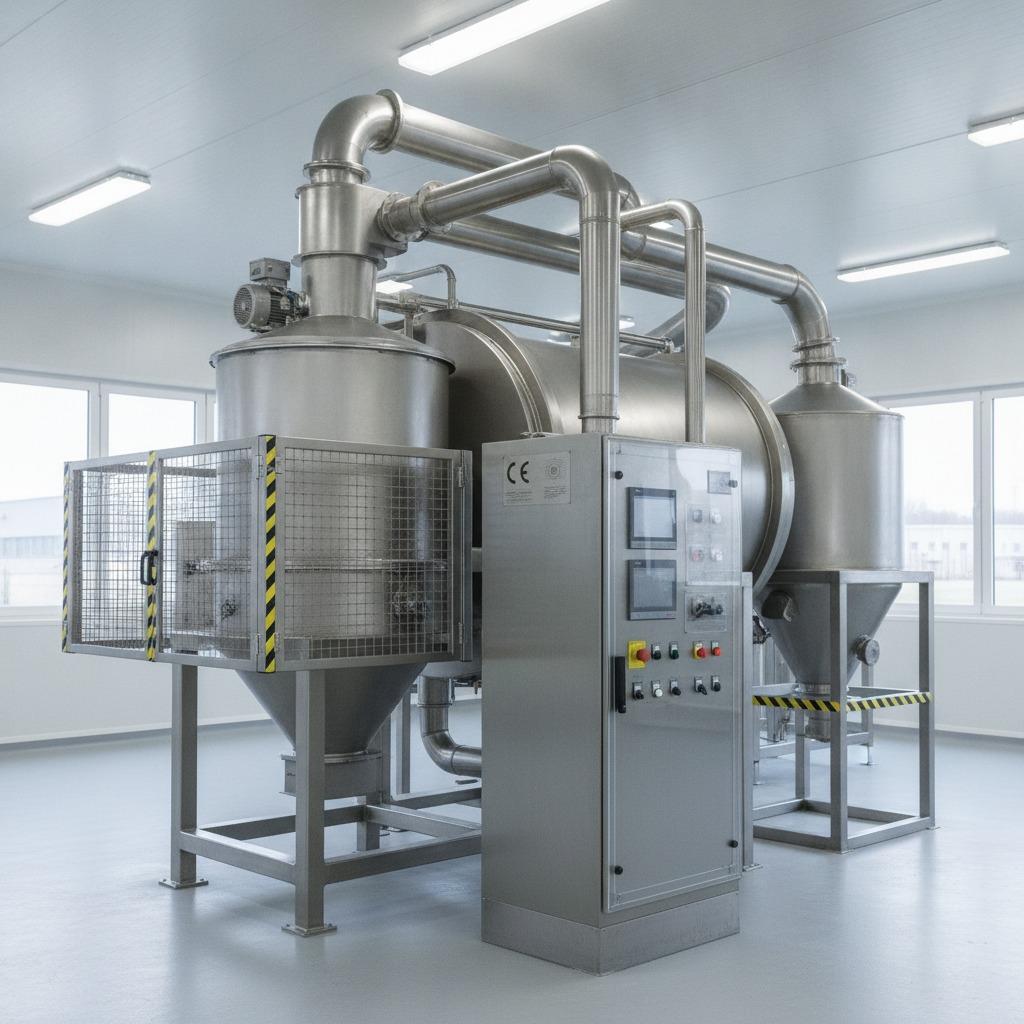
When evaluating drying equipment, the industrial vacuum dryer emerges as a robust solution due to its durable construction and innovative features. Typically made from high-grade stainless steel, this drying equipment withstands corrosive environments while ensuring hygiene standards are met. Key components include vacuum chambers, heating elements, and automated controls that monitor humidity and pressure in real-time, allowing for consistent performance.
Modern drying equipment like the industrial vacuum dryer often incorporates energy-efficient designs, such as insulated jackets and variable speed drives, which cut down on operational costs. Safety features, including pressure relief valves and interlocks, protect operators and prevent system failures. In comparison to conventional dryers, this equipment excels in handling heat-sensitive materials, offering a gentler drying approach that preserves nutritional value in food products or structural integrity in polymers.
Furthermore, the scalability of drying equipment means it can be customized for small labs or large manufacturing plants, integrating seamlessly with existing production lines. By investing in quality drying equipment, businesses not only enhance product quality but also comply with stringent regulatory standards, such as those from the FDA or EU guidelines.
Optimizing Operations with a Vacuum Drying System
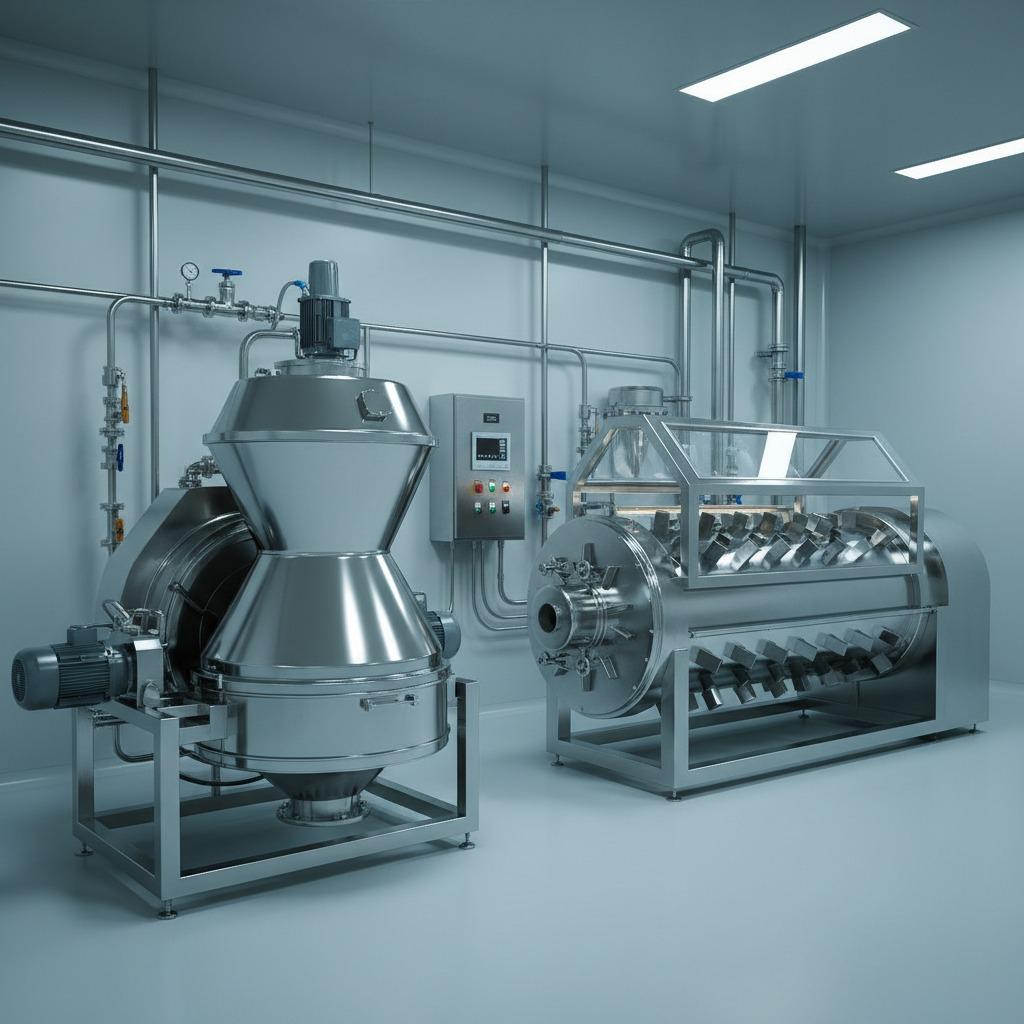
A well-designed vacuum drying system encompasses more than just the core dryer; it includes ancillary components like condensers, filters, and exhaust systems that work in unison to create an efficient drying ecosystem. The industrial vacuum dryer, as the centerpiece, relies on this system to recycle vapors and maintain a clean operating environment. In pharmaceutical settings, a vacuum drying system ensures contaminant-free processing, crucial for sterile product development.
Implementing a vacuum drying system involves careful planning, from site preparation to integration with upstream and downstream processes. For example, connecting the system to automated filling lines streamlines workflows, reducing manual intervention and error rates. The system's ability to handle various material forms—powders, granules, or pastes—makes it indispensable in diverse applications, from drying APIs to dehydrating agricultural products.
Maintenance is another aspect where a vacuum drying system shines, with modular designs allowing for quick part replacements and minimal downtime. Regular calibration of sensors and seals ensures the system operates at peak efficiency, extending equipment lifespan and providing a strong return on investment. Companies adopting such systems report up to 30% reductions in energy consumption, underscoring the economic benefits alongside environmental sustainability.
Exploring the Continuous Vacuum Dryer for High-Volume Production
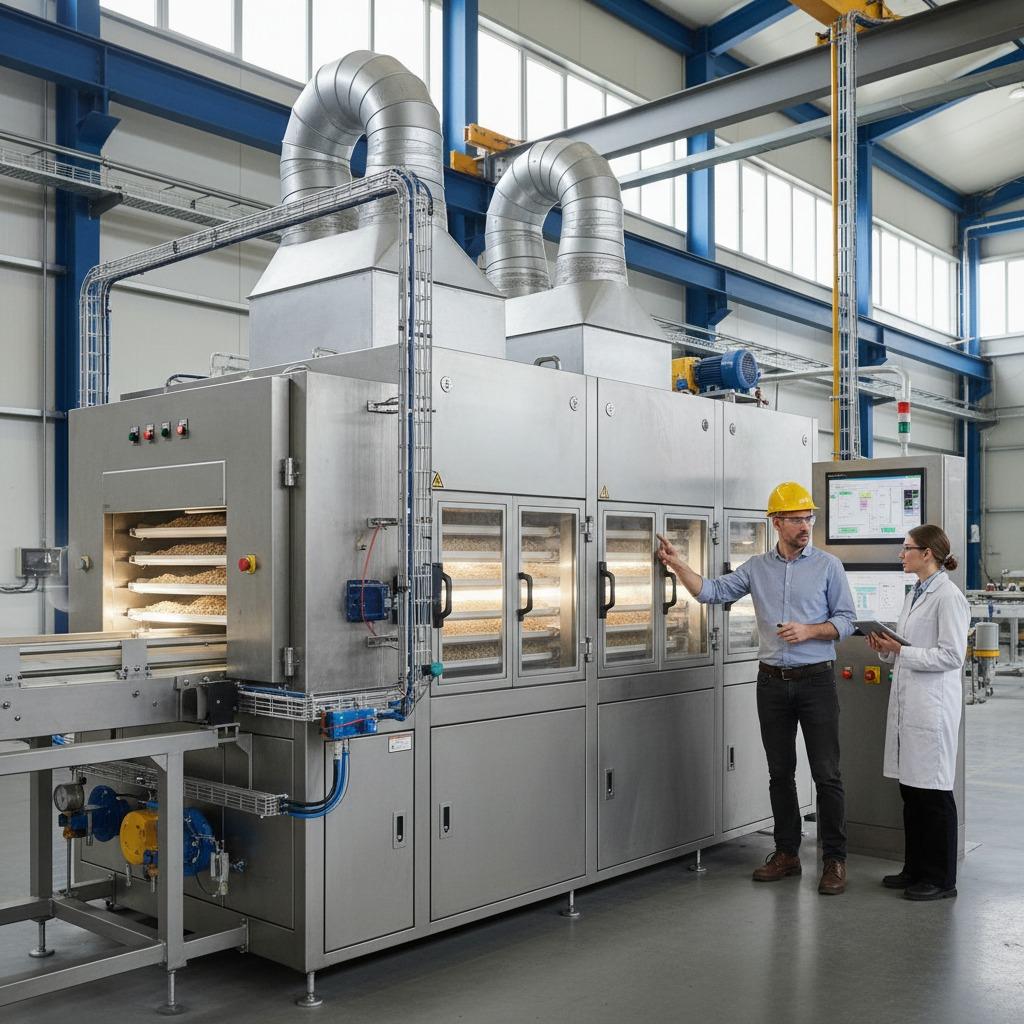
For industries requiring uninterrupted output, the continuous vacuum dryer represents the next evolution in drying technology. Unlike batch models, this dryer facilitates a steady flow of materials through the drying chamber, enabling 24/7 operations without pauses. The industrial vacuum dryer in its continuous form integrates conveyor mechanisms or rotary drums to move products progressively, ensuring even drying across large volumes.
The continuous vacuum dryer is particularly advantageous in food and chemical sectors, where high throughput is paramount. By maintaining a consistent vacuum level throughout the process, it achieves uniform moisture content, eliminating hotspots that could lead to product inconsistencies. Advanced models feature PLC controls for real-time adjustments, adapting to varying feed rates and material characteristics.
Transitioning to a continuous vacuum dryer often involves retrofitting existing setups, but the payoff is substantial: increased production rates and lower labor costs. Case studies from leading manufacturers show that implementing this dryer can double output while halving energy use compared to traditional methods. Its design also supports easy cleaning and validation, vital for GMP-compliant environments.
In summary, whether starting with basic drying equipment or advancing to a sophisticated vacuum drying system, the industrial vacuum dryer offers unparalleled efficiency and reliability. As industries evolve, embracing these technologies ensures competitiveness and innovation, driving success in moisture-sensitive applications. By prioritizing the vacuum drying process and continuous vacuum dryer solutions, businesses can future-proof their operations against growing demands for quality and speed.
(Word count: 1024)