In the world of industrial processing, the spin flash dryer stands out as an innovative technology designed to handle the efficient drying of various materials. This equipment is particularly valued for its ability to process pastes, cakes, powders, and granules with remarkable speed and precision. As industries strive for higher efficiency and lower operational costs, the spin flash dryer has become a go-to solution, especially in sectors like chemicals and pharmaceuticals where product quality is paramount.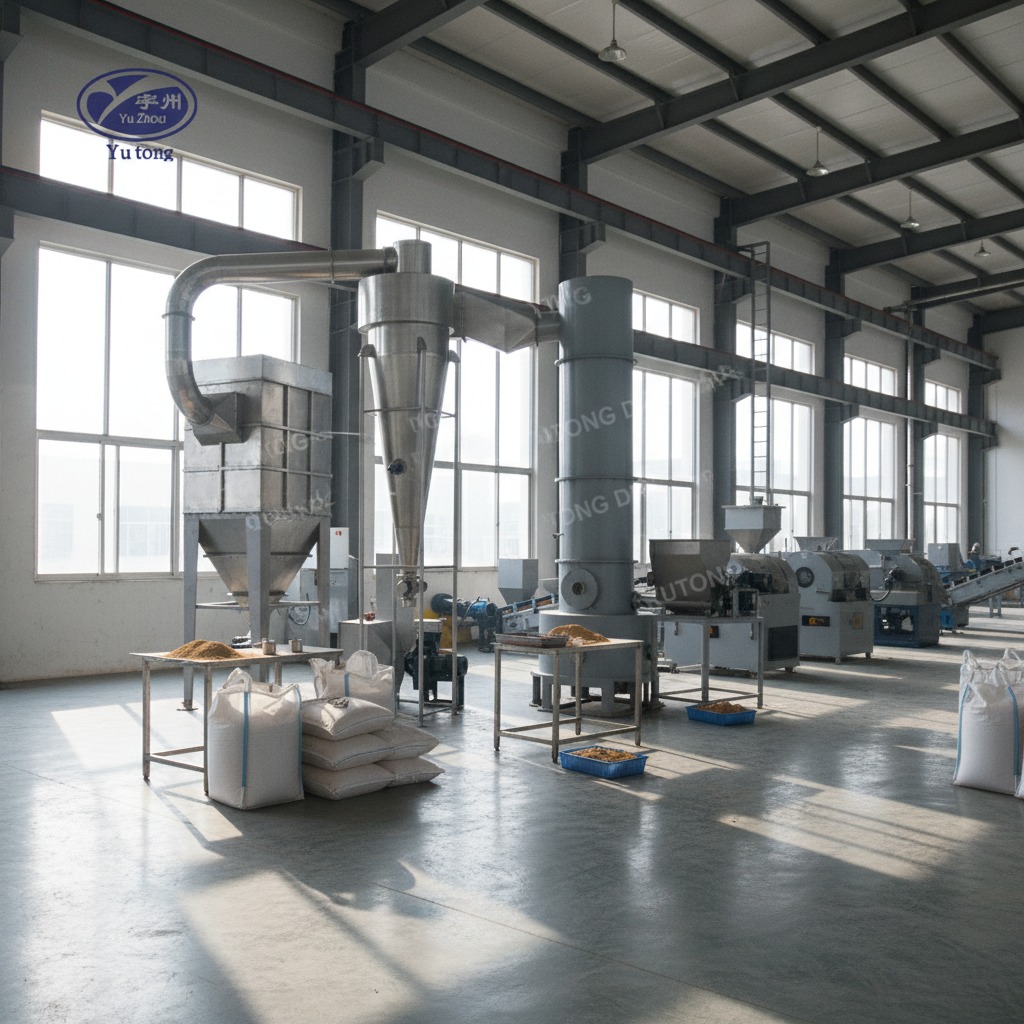
Exploring Spin Flash Drying Technology
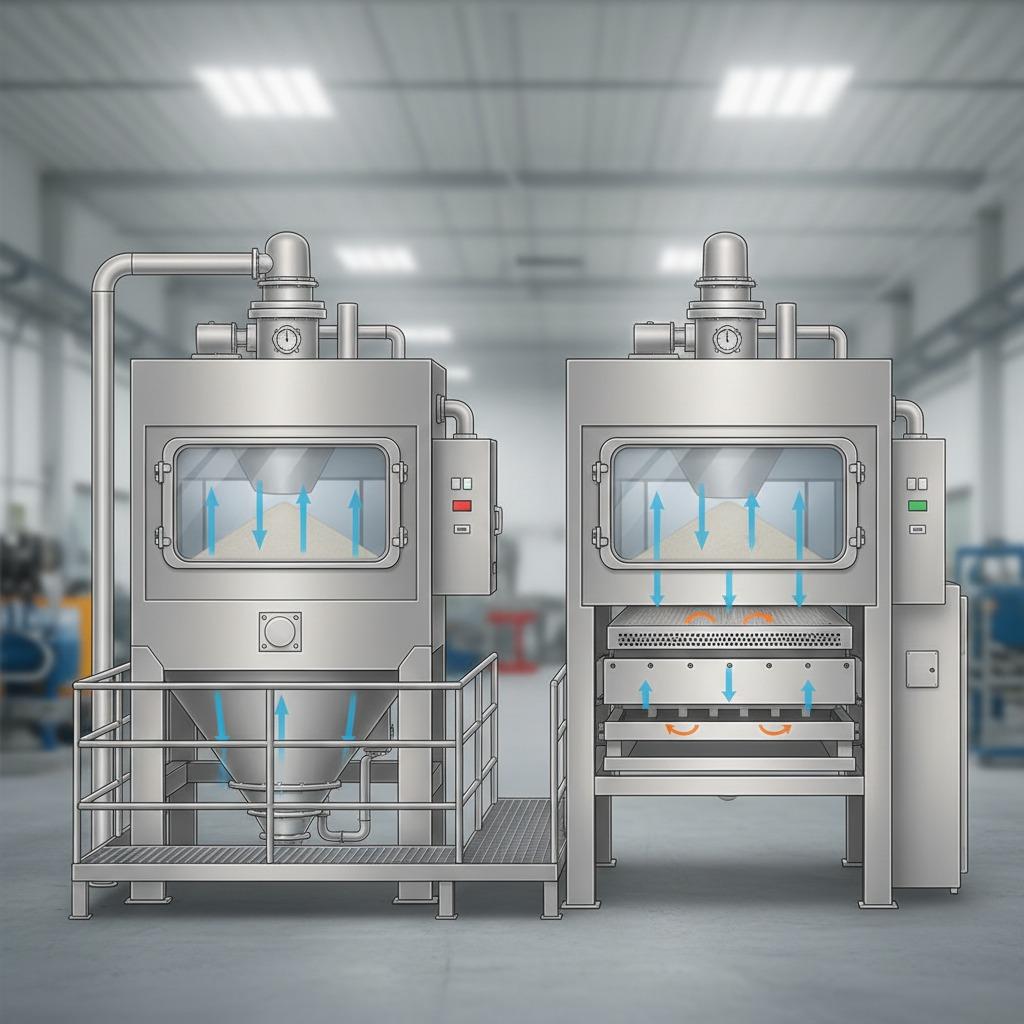
Spin flash drying technology represents a significant advancement in drying methods, combining high-velocity hot air streams with mechanical agitation to achieve rapid moisture evaporation. At its core, this technology involves feeding wet materials into a drying chamber where a rotating distributor disperses them into fine particles. The hot air, entering from the bottom, creates a fluidized bed effect that suspends the particles, allowing for instantaneous drying as moisture flashes off into vapor. This process not only minimizes drying time—often reducing it to seconds—but also preserves the physical and chemical properties of the material, preventing degradation that can occur in traditional drying systems.
One of the key benefits of spin flash drying technology is its energy efficiency. By utilizing a countercurrent flow of air and material, it optimizes heat transfer, requiring less energy per unit of dried product compared to conventional dryers. This is particularly advantageous in large-scale operations where energy costs can significantly impact profitability. Moreover, the technology's design allows for easy integration into existing production lines, with minimal modifications needed for setup. Industries adopting this technology often report up to 30% reductions in drying times and substantial savings in maintenance due to fewer moving parts and simpler cleaning procedures.
The versatility of spin flash drying technology extends to a wide range of particle sizes and moisture contents. Whether dealing with heat-sensitive pharmaceuticals or robust chemical compounds, the system can be fine-tuned by adjusting air temperature, velocity, and feed rates. This adaptability ensures that the final product meets stringent quality standards, such as uniform particle size distribution and low residual moisture levels, which are critical for downstream processes like granulation or packaging.
The Industrial Spin Flash Dryer in Action
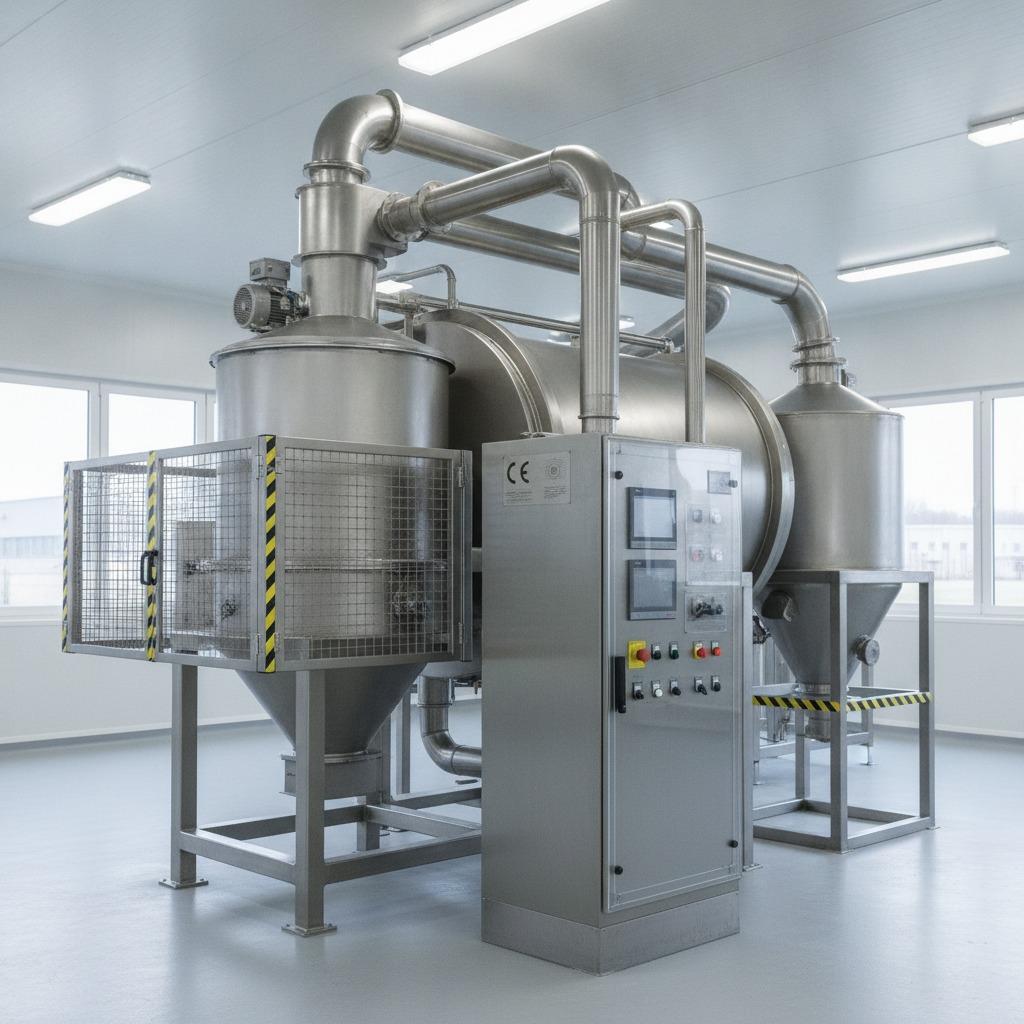
The industrial spin flash dryer is engineered for heavy-duty applications, featuring robust construction from high-grade stainless steel to withstand corrosive environments and ensure longevity. Models like the SXG Spin Flash Dryer exemplify this, with a compact footprint that fits seamlessly into space-constrained facilities. Its high-speed air stream, generated by efficient turbines, facilitates quick drying cycles, making it ideal for continuous production environments where downtime must be minimized.
In practical terms, the industrial spin flash dryer excels in handling diverse materials. For instance, in the food industry, it dries starch slurries into free-flowing powders without altering flavor or nutritional value. In chemicals, it processes pigments and dyes, achieving the fine particle sizes necessary for paints and coatings. The dryer's advanced piping network and multi-stage filtration units further enhance its performance by capturing fines and preventing dust emissions, aligning with environmental regulations. This not only improves workplace safety but also reduces waste, contributing to sustainable manufacturing practices.
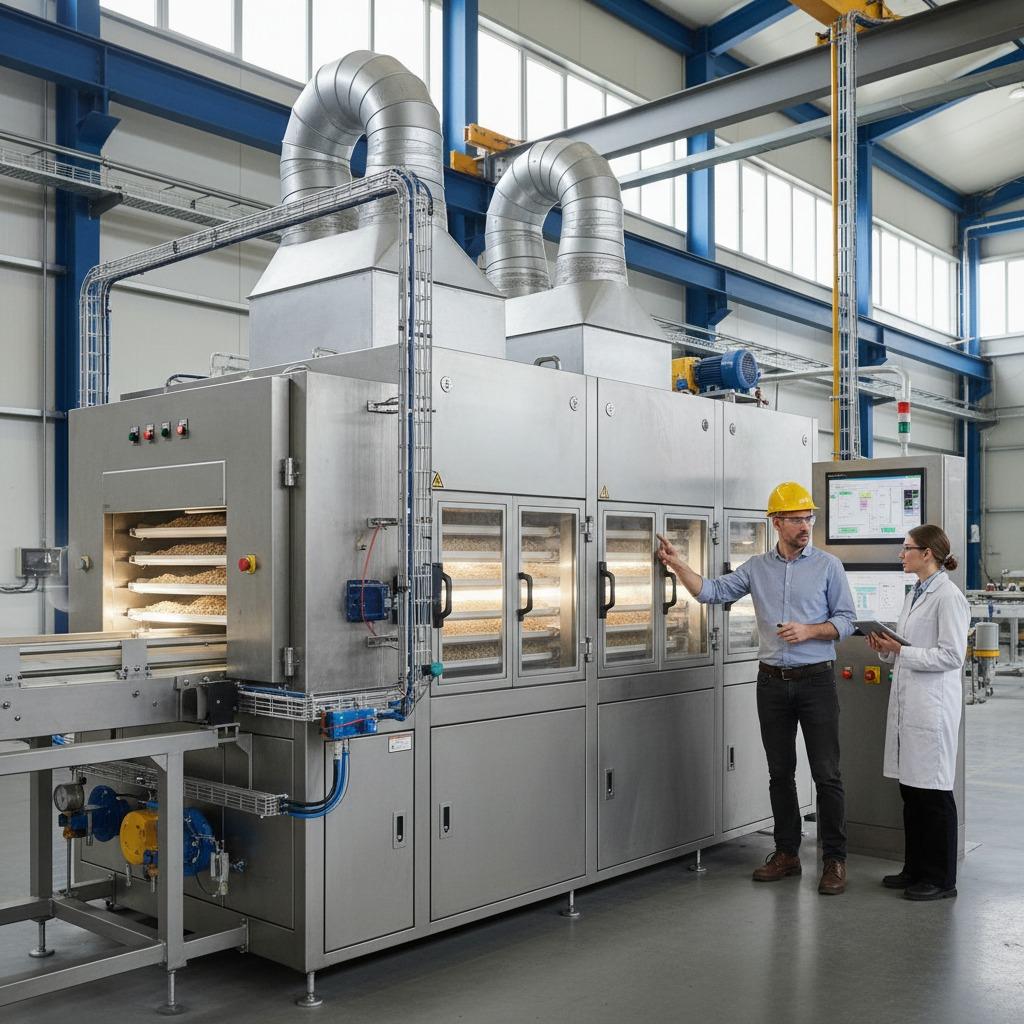
Installation and operation of an industrial spin flash dryer are straightforward, thanks to its user-friendly design. Automated controls allow operators to monitor and adjust parameters in real-time, ensuring consistent output. Maintenance is simplified with accessible components and durable materials that resist wear, leading to lower long-term costs. Companies investing in this equipment often see a quick return on investment through increased throughput and reduced energy consumption, making it a strategic choice for scaling operations.
Key Applications of the Spin Flash Dryer
Spin flash dryer applications span multiple industries, showcasing its broad utility in modern manufacturing. In pharmaceuticals, it is used to dry active pharmaceutical ingredients (APIs) and excipients, ensuring sterility and uniformity essential for tablet production. The rapid drying prevents thermal degradation, preserving efficacy and extending shelf life. Similarly, in the food and beverage sector, spin flash dryer applications include drying milk powder, instant coffee, and herbal extracts, where maintaining aroma and solubility is crucial.
In the chemical industry, spin flash dryer applications are vital for producing fertilizers, polymers, and inorganic salts. The technology's ability to handle sticky or cohesive materials without agglomeration makes it superior for these processes. Environmental applications also benefit, such as drying sewage sludge for waste management, where the dryer reduces volume and prepares material for incineration or landfilling while minimizing odors and pathogens.
Beyond these, spin flash dryer applications extend to mining and metallurgy for drying ores and concentrates, enhancing recovery rates in subsequent processing. In agriculture, it dries seeds and grains, preventing spoilage and improving storage viability. The common thread across these applications is the dryer's capacity to deliver high-quality results efficiently, often integrated with upstream wet processing and downstream packaging systems for a streamlined workflow.
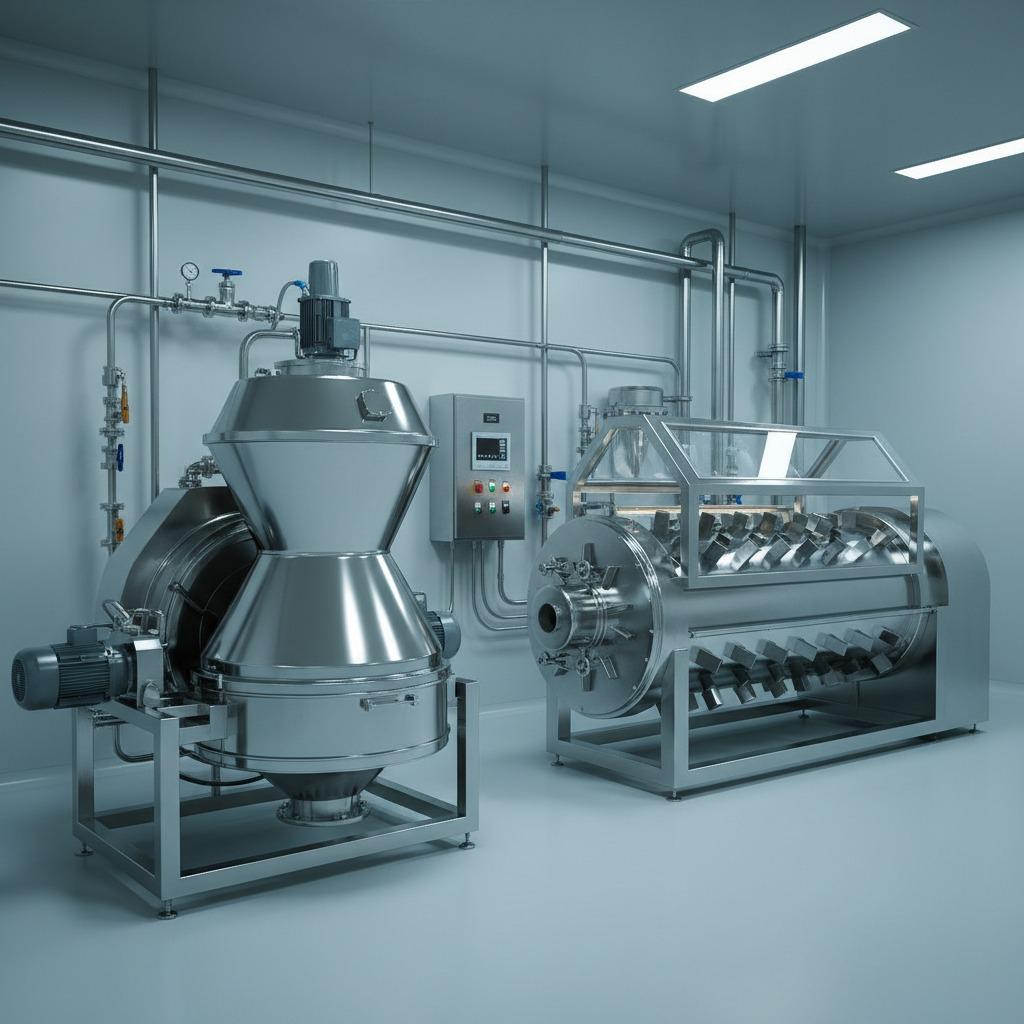
The integration of spin flash dryer applications with complementary technologies, like dust collection systems, further amplifies its effectiveness. For example, pairing it with a robust dust collection unit ensures clean air output, capturing particulates through advanced filtration and ductwork. This setup is common in facilities handling fine powders, where air quality directly impacts both product purity and employee health.
Why Choose the SXG Spin Flash Dryer for Your Needs
The SXG Spin Flash Dryer embodies the pinnacle of spin flash drying technology, tailored for industrial demands with features like rapid drying, versatile application, and a compact design. Its robust construction and advanced components, including energy-efficient motors and intelligent controls, make it a reliable choice for high-capacity environments. Whether processing pharmaceuticals or chemicals, this dryer streamlines operations, reduces costs, and enhances productivity.
In summary, the spin flash dryer, through its innovative technology and diverse applications, transforms drying processes across industries. By selecting equipment like the SXG model, businesses can achieve superior efficiency and quality, positioning themselves for long-term success in competitive markets.