Why a paddle dryer shows up in chemical residue treatment
A paddle dryer in chemical residue treatment is usually not the first piece of equipment people think about when they discuss waste handling, dewatering, or solvent recovery, but it often becomes one of the most practical choices once a plant starts dealing with sticky, pasty, or heat-sensitive residues. Engineers tend to arrive at this decision after trying simpler options that leave too much moisture behind, create fouling problems, or consume more energy than expected. Sourcing teams see the same pattern: a residue stream that looks manageable on paper turns into a difficult handling issue in the plant.
That matters because chemical residue is rarely just “wet waste.” It can contain salts, catalyst fines, polymers, pigments, organics, and traces of process liquids that change how the material behaves under heat and shear. If the goal is to reduce volume, stabilize the waste, recover a usable solid, or prepare material for safer disposal, the drying step becomes a process decision rather than an afterthought. The wrong dryer can create crusting, dead zones, or excessive dusting. The right one can make a stubborn stream far easier to manage.
What a paddle dryer actually does
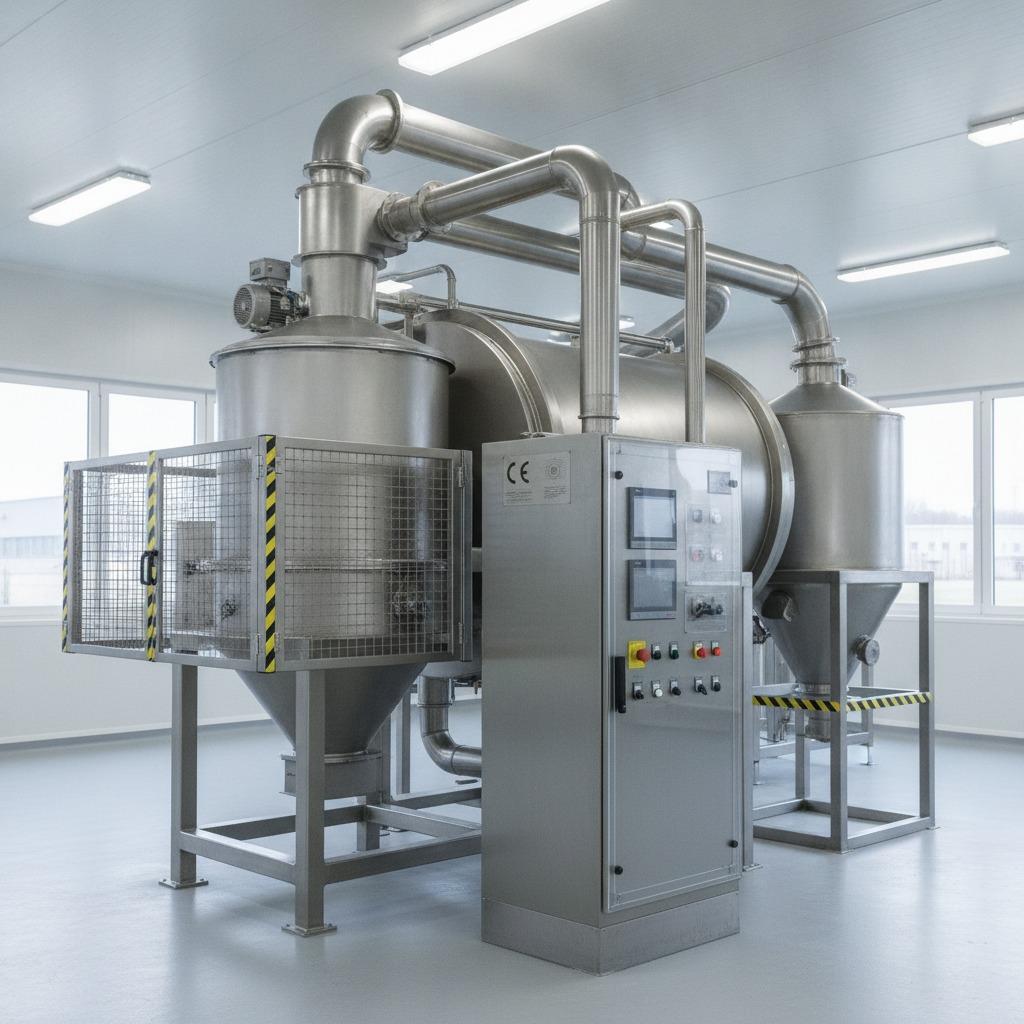
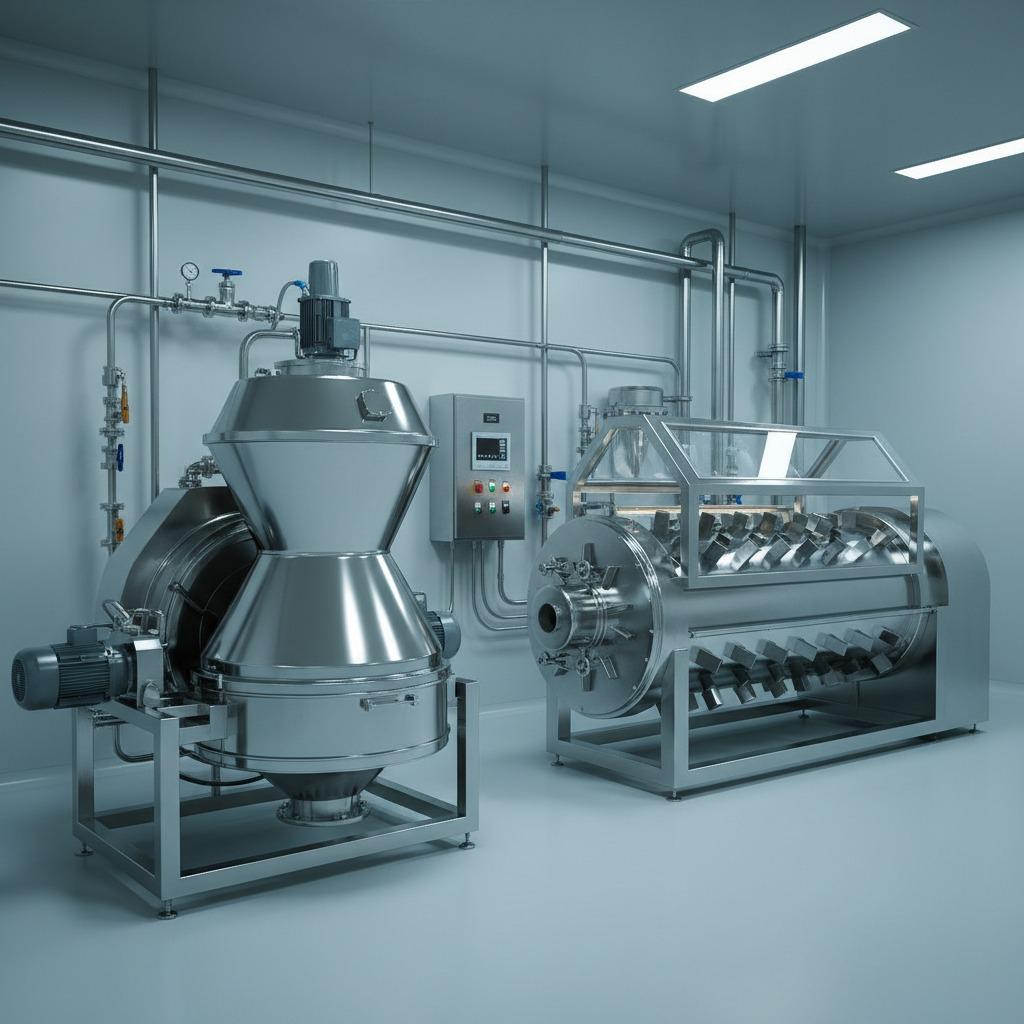
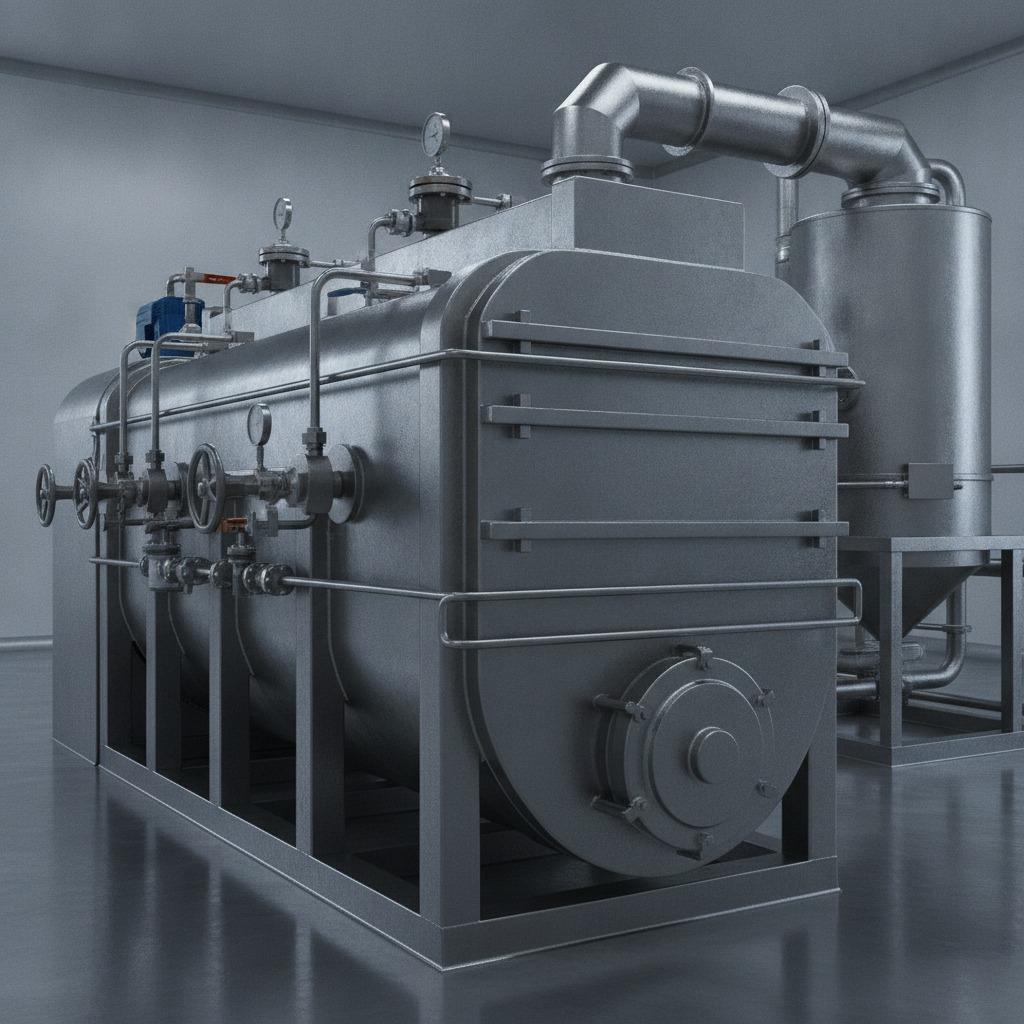
A paddle dryer is a mechanically agitated indirect dryer. Instead of blowing large volumes of hot air through the material, it transfers heat through a jacketed trough and hollow paddles or agitators. The product is moved, turned, and exposed to the heated surfaces by the paddles, which improves heat transfer and helps break up lumps. For residue treatment, that mechanical action is often the main advantage. Sticky cakes do not sit quietly in the vessel; they are continuously refreshed against the hot surface.
This indirect approach is especially useful when the residue contains solvent, moisture, or both, and when uncontrolled airflow would be a drawback. In some plants, the concern is not only dryness but containment. Indirect drying can reduce the volume of exhaust gas compared with convective systems, although the overall system design still depends on the material and whether vapors must be captured, condensed, scrubbed, or treated downstream.
Where paddle dryers fit better than other drying equipment
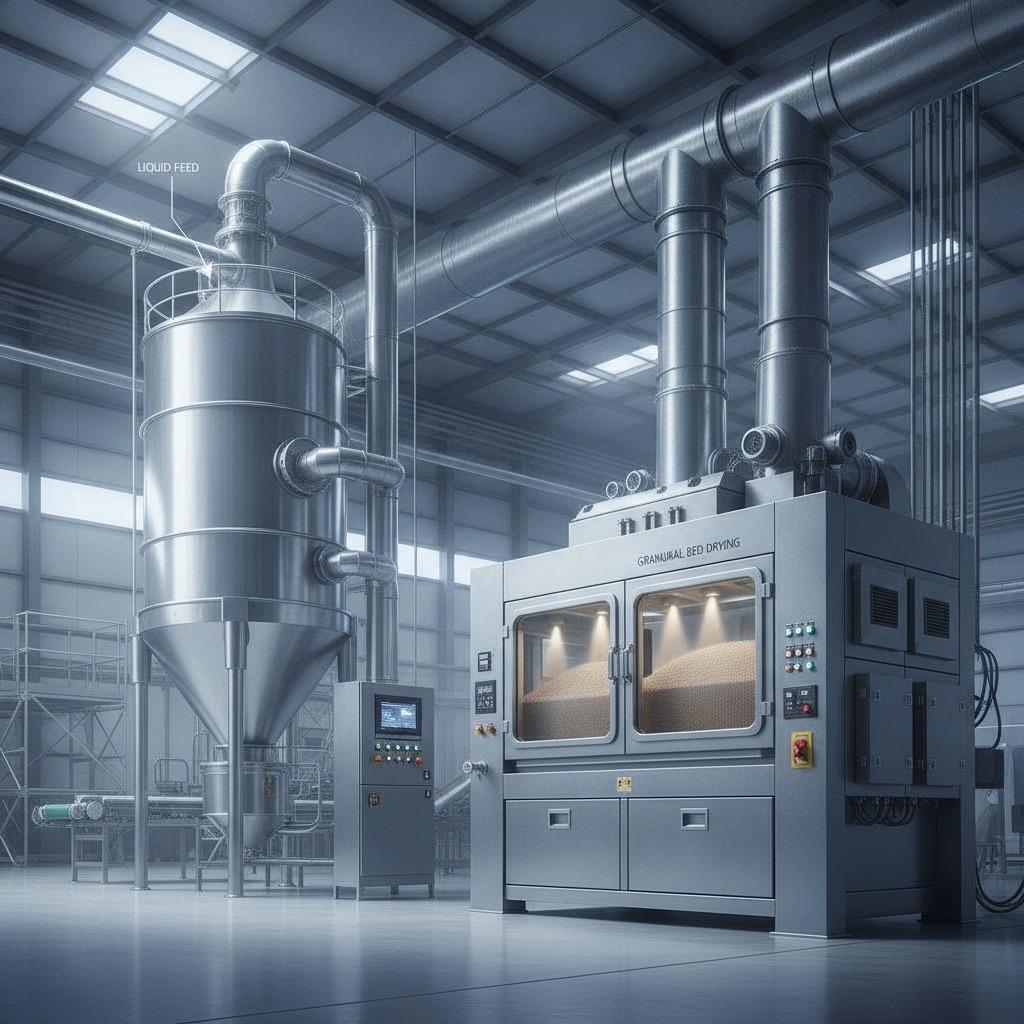
There is no universal dryer for chemical residue, which is why selection usually comes down to the behavior of the feed. Rotary dryers can work well on free-flowing solids, but they are not always the best match for sticky cakes. Fluid bed systems are efficient for granular materials, yet they struggle when the feed is cohesive or varies in particle size. Vacuum dryers may suit heat-sensitive compounds, though they can be slower and more batch-oriented.
A paddle dryer tends to earn its place when the residue is:
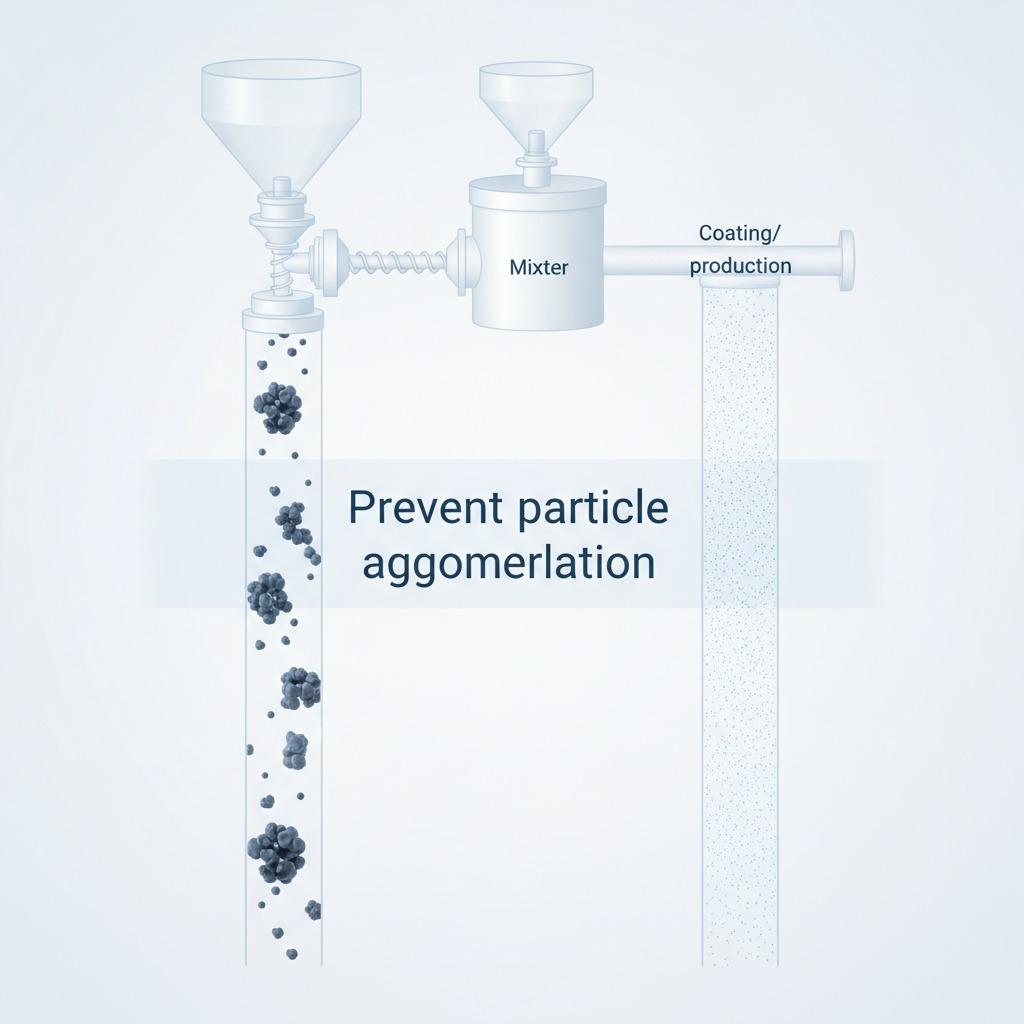
• pasty, sticky, or prone to agglomeration
• sensitive to excessive air exposure
• better handled in a closed or semi-closed system
• in need of intensive mixing during heat transfer
• part of a process where final moisture reduction has to be controlled closely
That said, it is not the answer to every residue stream. Very abrasive solids can wear internal surfaces faster. Materials that melt into a low-viscosity phase may need careful temperature control to avoid forming a sticky film. And if the feed is highly variable, the control strategy becomes just as important as the dryer itself.
The process logic: how drying residue is different from drying a product
Drying a saleable chemical and drying a residue are not the same task, even if the hardware looks similar. A residue stream may contain unknowns, mixtures of incompatible materials, or contaminants that influence corrosion, odor, vapor loading, and final disposal route. The equipment must be selected not only for thermal performance but also for robustness.
In practice, a chemical residue treatment system often needs to answer four questions before anyone signs off on equipment:
1. What is being removed: water, solvent, or a mix of both?
2. What is left behind: a reusable solid, a stabilized waste, or a material for further treatment?
3. How does the residue behave as it heats: does it thicken, foam, melt, or char?
4. What must happen to the off-gas: condensation, recovery, scrubbing, or safe venting?
Those questions shape not just dryer size but agitation style, sealing arrangement, heating medium, and downstream vapor handling. A paddle dryer may be mechanically straightforward, yet the surrounding system is where many projects succeed or stumble.
Material behavior that changes the buying decision
Engineers often focus first on temperature limits, but residue texture can be just as decisive. A material that begins as a damp filter cake may become more cohesive as moisture leaves. Another may break apart neatly until it reaches a certain solids level, then smear across the metal surfaces. These transitions are hard to guess without trial data, which is why pilot testing or at least sample evaluation is worth the effort when the project is significant.
Heat sensitivity also deserves attention. Some residues darken, decompose, or give off odors if overheated. Because paddle dryers rely on contact heat, the operator has to manage jacket temperature, residence time, and loading carefully. That makes process control more than a nice extra. It is the difference between a stable operation and a batch that needs rework or disposal.
There is also the matter of fouling. Chemical residues can leave films on the heat-transfer surfaces, especially if they contain binders, oils, or dissolved salts. A dryer that is easy to clean and inspect may save far more over its life than one that looks slightly more efficient on a spreadsheet.
Key selection criteria for engineers and sourcing teams
When comparing options, buyers usually need to balance thermal performance, maintainability, and containment. The following points deserve a close look:
Feed characteristics
Moisture content, viscosity, stickiness, solids loading, and particle size distribution all affect drying behavior. If the feed changes from one campaign to another, the machine should have enough flexibility to handle that range without constant intervention.
Temperature control
Indirect dryers depend on careful temperature management. The heating medium may be steam, hot water, thermal oil, or another plant utility, depending on the application. The question is not only “what gets hot enough,” but “what gives enough control without damaging the residue or the equipment.”
Vapor handling
Residue treatment can release moisture, solvent, or trace process vapors. That means the dryer is only one part of the system. Condensers, vacuum equipment, filters, scrubbers, and emissions controls may be necessary depending on the chemistry involved.
Maintenance and cleanability
Residue systems tend to reward simple maintenance. Access points, seal design, wear surfaces, and inspection routines matter. If a dryer is difficult to clean, any theoretical efficiency gain can disappear quickly in downtime.
Safety and containment
Many chemical residues are messy, odorous, or hazardous. A closed design, proper vent management, and thoughtful discharge handling can reduce operator exposure and make the system easier to run day after day. This is one area where shortcuts usually show up later as plant complaints.
Common mistakes buyers make
One frequent mistake is sizing the dryer from average conditions rather than worst-case conditions. Residue streams are rarely steady. A system that performs acceptably on a mild batch may struggle when the cake is denser or the solvent load is higher.
Another mistake is treating off-gas handling as a separate project. In reality, the dryer and vapor system should be engineered together. If the vapors are not managed properly, the plant may end up with odor issues, recovery losses, or unnecessary compliance headaches.
A third problem is overestimating how “dry” the residue needs to be. Some downstream processes require a specific moisture target, but many waste handling applications only need enough reduction to change the material’s handling, storage, or disposal behavior. Overdrying can waste energy and, in some cases, make the residue harder to manage.
Practical buyer advice before you commit
If you are evaluating a paddle dryer in chemical residue treatment, start with real samples and not just process descriptions. Ask how the material behaves after 10 minutes, 30 minutes, and longer exposure. Watch for caking, odor release, darkening, and changes in flowability. Those small observations can be more useful than a generic capacity claim.
It also helps to define the success criteria in operational terms. Is the target a moisture range, a disposal-volume reduction, a recoverable solid, or a safer transfer condition? The answer changes how the project should be specified. A plant that wants a saleable byproduct may need tighter control and cleaner discharge than one that is simply stabilizing a residue for landfill or further treatment.
Finally, think beyond installation. Residue drying systems live or die on day-to-day operation. Access for cleaning, seal integrity, utility stability, and control simplicity matter every shift. A slightly less glamorous machine that operators trust is usually the better buy.
FAQ: short answers that often decide the project
Is a paddle dryer always better for sticky residues?
No. It is often a strong candidate, but the best choice depends on the chemistry, vapor load, target dryness, and downstream handling needs.
Can it handle solvent-bearing residues?
Yes, in some cases, but the system must be designed for vapor recovery, sealing, and safety. That part should never be improvised.
Does indirect drying save energy?
It can, depending on the process and the heat source. The bigger value is often control and containment rather than energy alone.
A sensible next step
If your plant is evaluating a paddle dryer in chemical residue treatment, the best next step is usually a process review built around the actual residue, not a generic brochure conversation. Bring together operations, EHS, maintenance, and sourcing early. Define the feed profile, off-gas requirements, and the real reason the residue needs drying. That combination usually reveals whether a paddle dryer is the right tool or merely one of several workable options.
The equipment choice is not just about drying. It is about whether the residue can be handled safely, consistently, and with fewer surprises once the system is on the floor.