Milk Powder Spray Drying: Revolutionizing Dairy Processing
Milk powder spray drying is a cornerstone technology in the dairy industry, enabling the efficient transformation of liquid milk into a stable, powdered form that extends shelf life and facilitates global distribution. This process involves atomizing milk into fine droplets within a hot air stream, rapidly evaporating the moisture to produce high-quality powder. At our company, we specialize in advanced spray dryer systems designed for optimal performance in milk powder production. Our high-performance solutions ensure precision and efficiency, making them indispensable for large-scale operations.
Understanding the Basics of Milk Powder Spray Drying
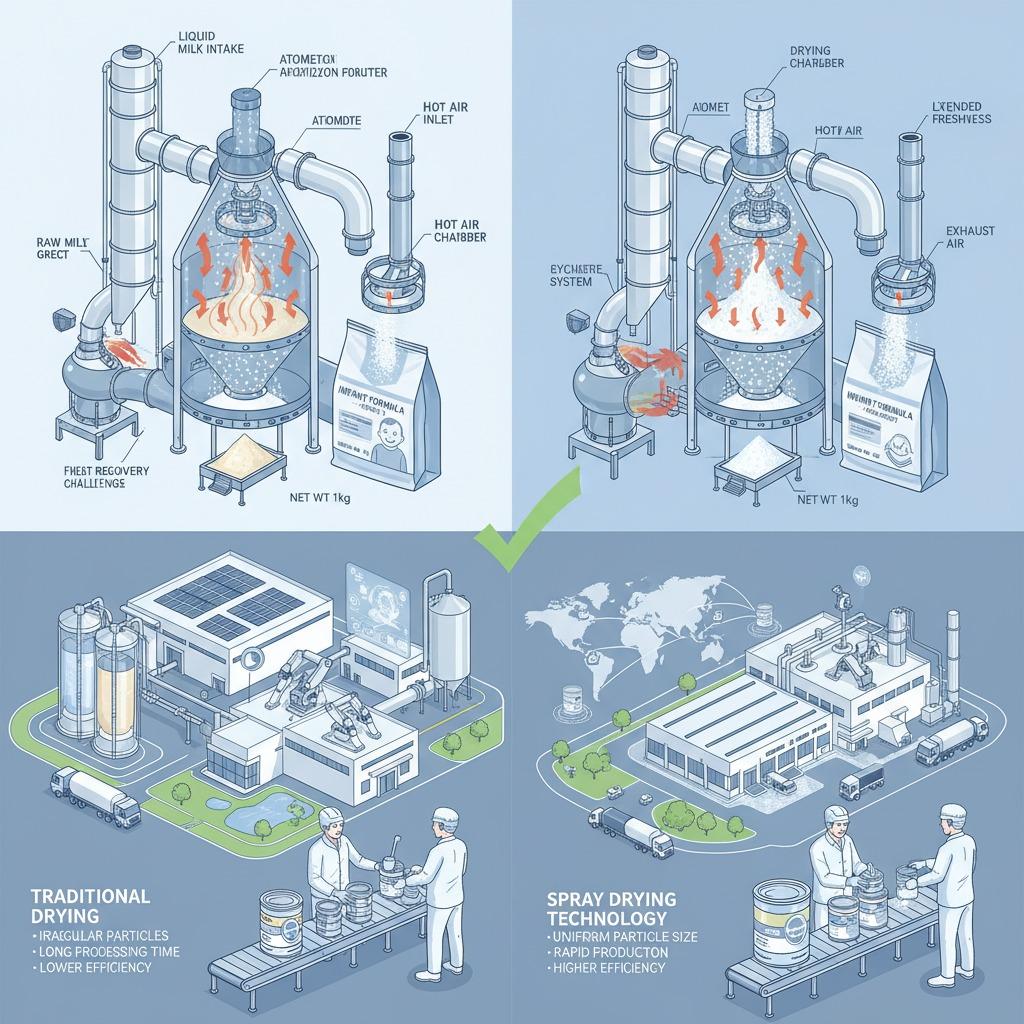
The fundamentals of milk powder spray drying begin with the preparation of liquid milk, which is preheated and then fed into the spray dryer. Inside the expansive drying chamber, made from durable stainless steel to resist corrosion, the milk is atomized through nozzles into tiny droplets. These droplets encounter a vortex of hot air, typically between 180-200°C, causing instantaneous evaporation of water content. This rapid drying preserves the nutritional integrity of the milk proteins, fats, and vitamins, resulting in a fine powder that retains much of the original milk's qualities.
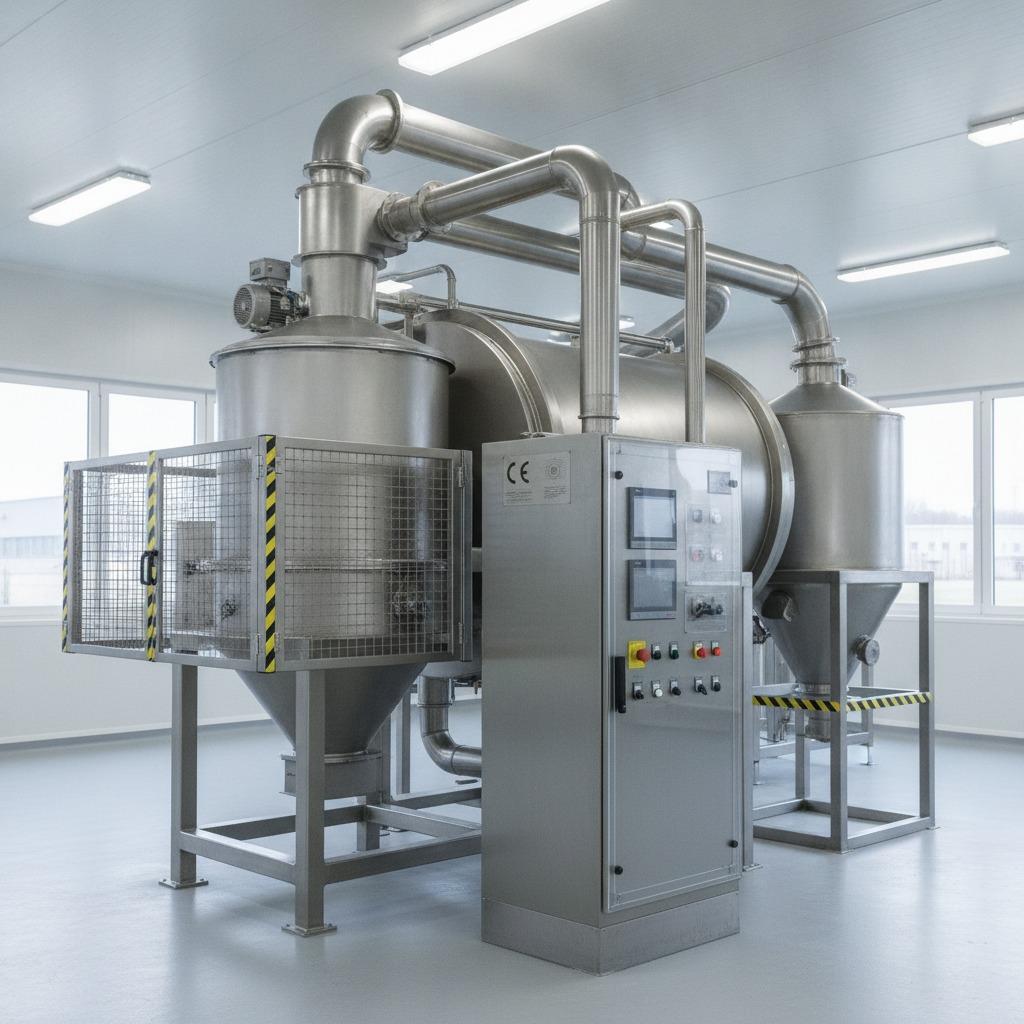
Our spray dryer for milk systems are engineered with state-of-the-art components, including intricate piping and robust exhaust mechanisms that control airflow and temperature precisely. This setup not only enhances the drying efficiency but also minimizes energy consumption, making it a sustainable choice for modern dairy plants. The process is versatile, accommodating various milk types such as whole milk, skim milk, or fortified variants, ensuring consistent output regardless of input variations.
In milk powder production, the spray drying method stands out for its scalability. Traditional drying techniques, like drum drying, often lead to uneven particle sizes and potential nutrient degradation due to prolonged heat exposure. In contrast, spray drying achieves uniform particles in seconds, reducing the risk of scorching and preserving flavor profiles. Facilities using our technology report up to 30% higher throughput, thanks to the towering structures that handle large volumes without compromising quality.
Key Components of a High-Performance Spray Dryer for Milk
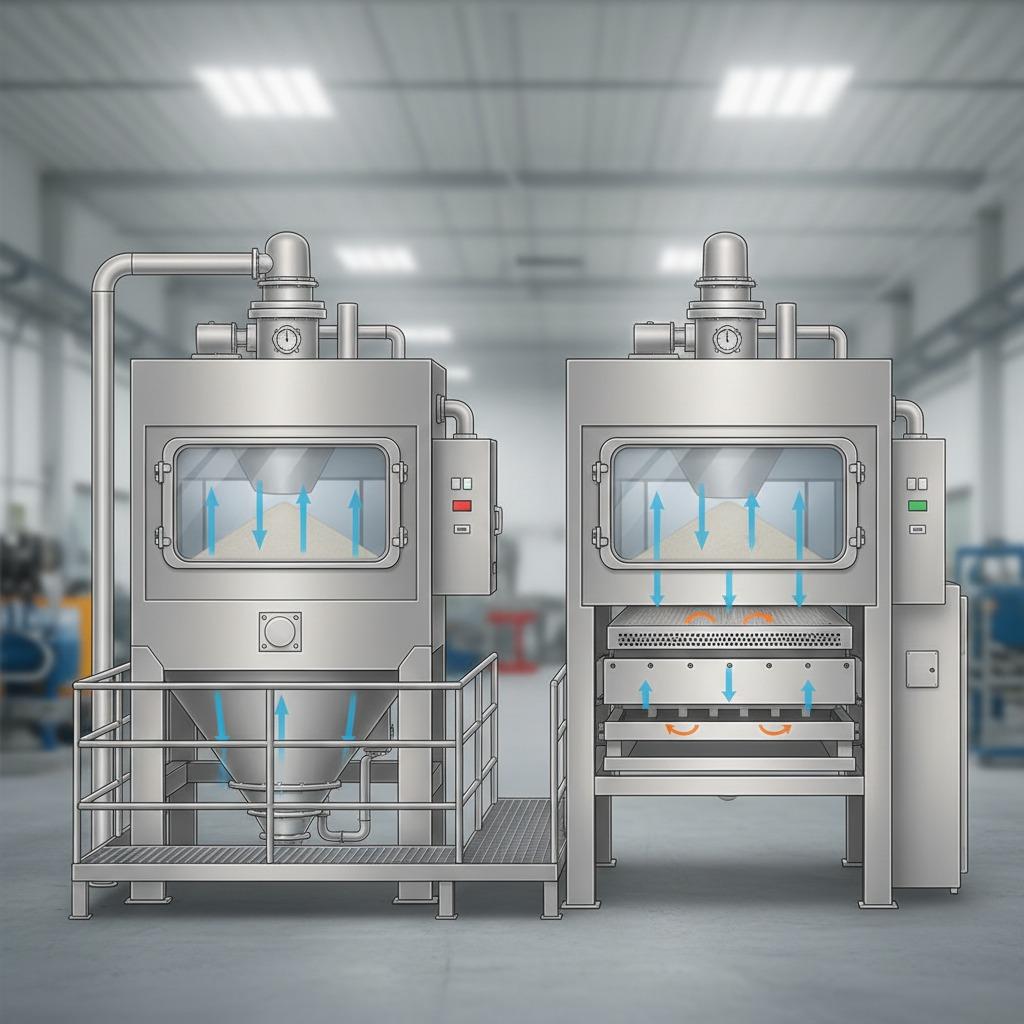
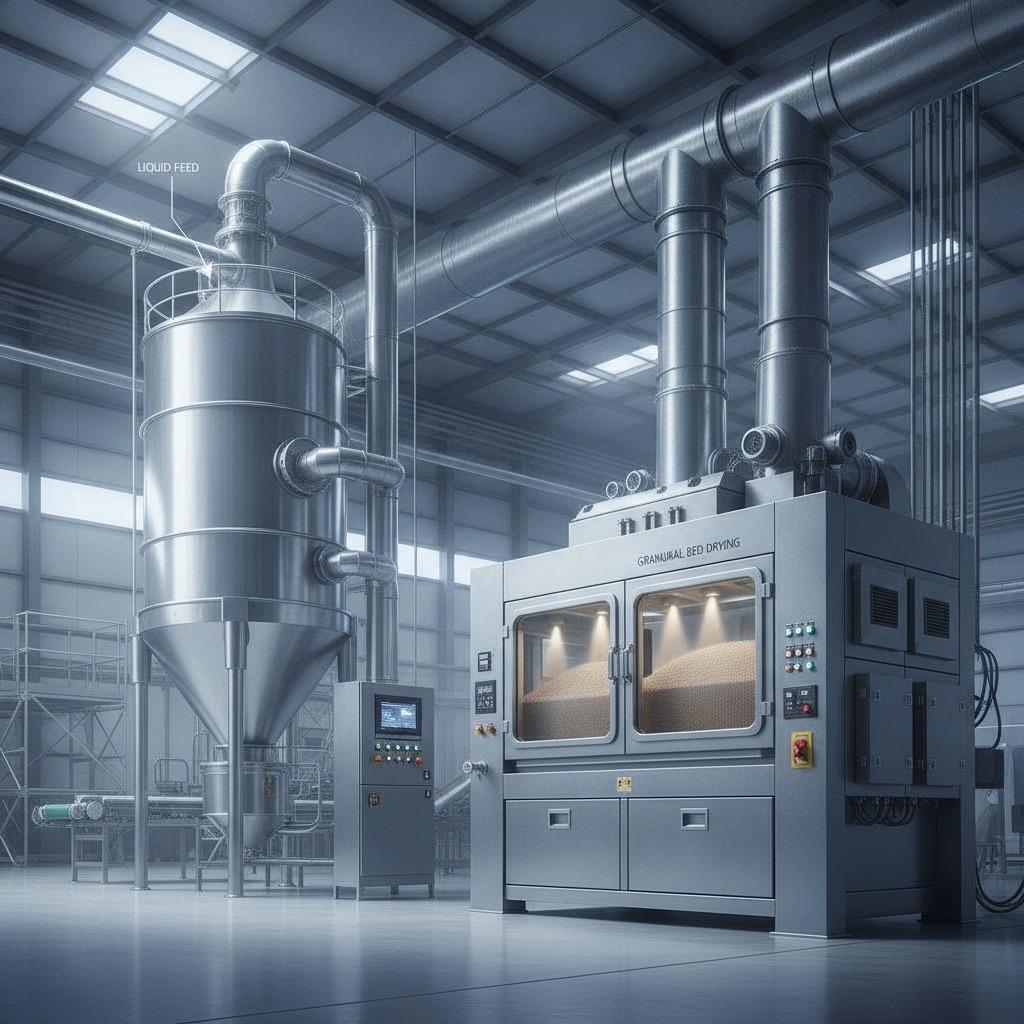
A top-tier spray dryer for milk features an integrated system where every element contributes to seamless operation. The central drying chamber, constructed from corrosion-resistant stainless steel, forms the heart of the apparatus. Surrounding it are advanced atomization nozzles that create a fine mist, ensuring maximum surface area for evaporation. Our models incorporate adjustable air inlets that regulate the hot air flow, allowing operators to fine-tune conditions for different milk concentrations.
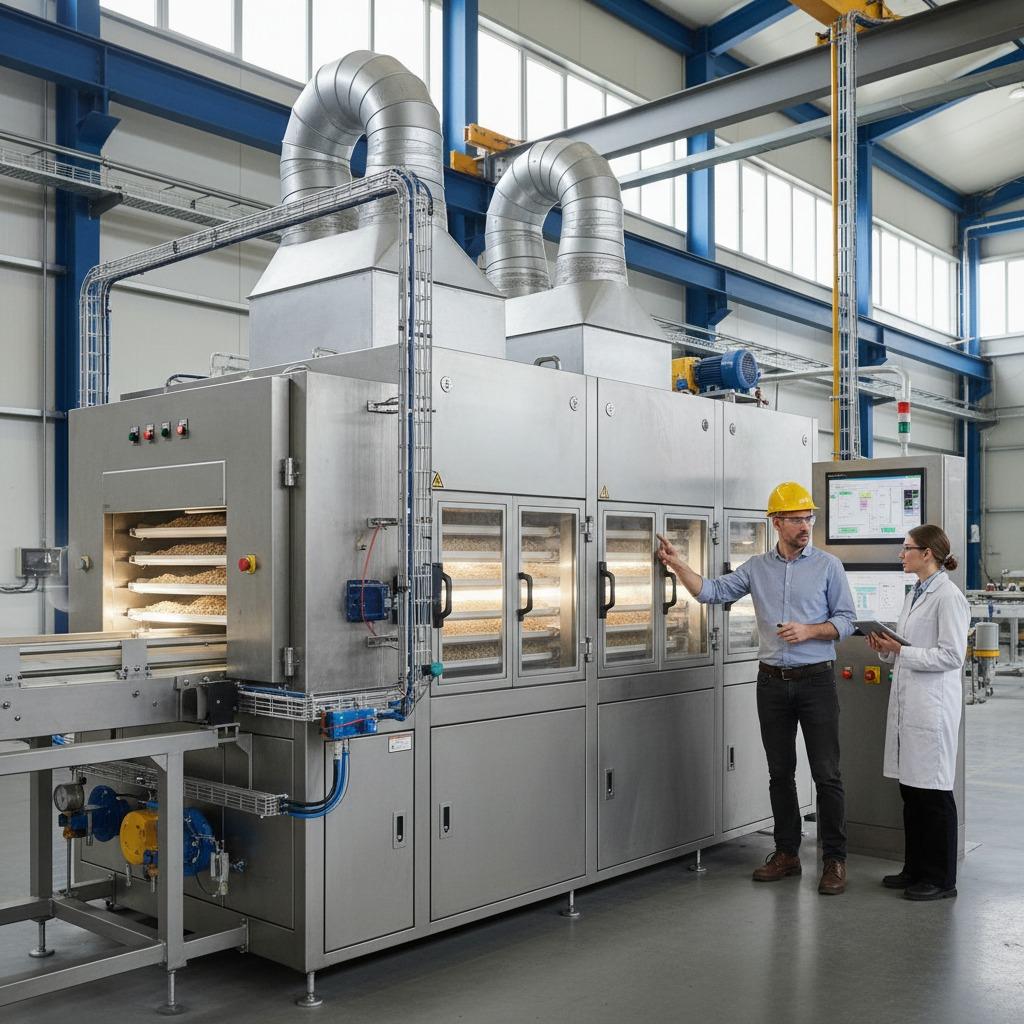
The exhaust system plays a critical role in milk powder production by removing spent air and capturing any residual moisture or particles. Equipped with high-efficiency cyclones and bag filters, it prevents emissions and maintains a clean environment, adhering to stringent food safety standards like those from the FDA or EU regulations. Control panels with real-time monitoring provide data on temperature, humidity, and powder yield, enabling proactive adjustments to optimize the milk powder spray drying process.
Additionally, our systems include safety features such as automated shutdowns for overpressure and advanced filtration to safeguard against contamination. These components not only enhance reliability but also reduce downtime, which is vital for continuous milk powder production lines. The stainless-steel frameworks, complete with access ladders and platforms, facilitate easy maintenance, ensuring longevity in demanding industrial settings.
Applications and Benefits in Milk Powder Production
In the realm of milk powder production, spray drying extends far beyond basic dehydration; it's pivotal for creating value-added products like infant formula, nutritional supplements, and recombined milk for regions with limited fresh dairy access. Our spray dryer for milk technology excels in producing powders with low moisture content—typically under 4%—which prevents microbial growth and extends shelf life to years without refrigeration. This is particularly beneficial in global supply chains where transportation challenges are common.
The efficiency of milk powder spray drying translates to significant cost savings. By processing up to 1,000 liters of milk per hour into powder, facilities can reduce storage and logistics expenses dramatically. Moreover, the process allows for the incorporation of additives during atomization, such as vitamins or flavors, enabling customized products that meet diverse market demands. Environmental benefits are also notable; our systems recycle exhaust heat, lowering overall energy use by 20-25% compared to older models.
Quality control is paramount in milk powder production, and our advanced monitoring ensures compliance with international standards. Particle size distribution is uniform, typically 50-200 microns, which improves solubility and reconstitution rates—key for end-users like bakers or beverage manufacturers. Case studies from our installations show improved powder flowability, reducing clumping issues and enhancing packaging efficiency.
Advancements and Future Trends in Spray Drying Technology
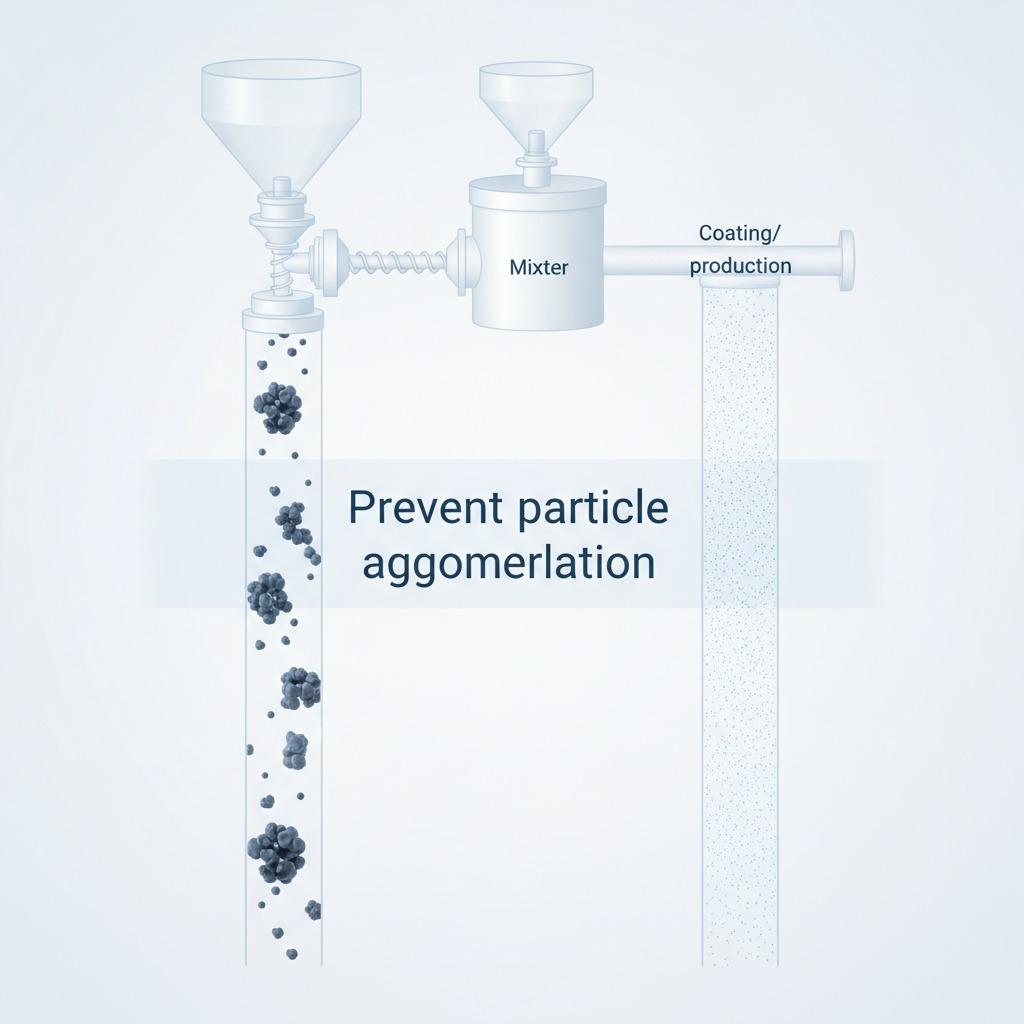
Looking ahead, innovations in milk powder spray drying are focusing on sustainability and automation. Our latest spray dryer for milk models integrate AI-driven controls that predict and adjust parameters based on real-time data, minimizing waste and maximizing yield. Hybrid systems combining spray drying with agglomeration techniques produce instantized powders that dissolve faster, catering to the growing demand for convenience foods.
Sustainability efforts include water recovery from exhaust streams and the use of renewable energy sources for air heating, aligning with global eco-friendly mandates. In milk powder production, these advancements not only cut operational costs but also appeal to environmentally conscious consumers. Research into nano-encapsulation during spray drying is opening doors for fortified milks with enhanced bioavailability of nutrients, promising healthier options worldwide.
As the dairy industry evolves, investing in robust milk powder spray drying equipment remains essential. Our commitment to engineering excellence ensures that clients achieve superior results, from powder consistency to production scalability. Whether for small-batch artisanal producers or massive industrial plants, these systems deliver reliability and innovation, shaping the future of dairy processing.
In summary, milk powder spray drying represents a blend of tradition and cutting-edge technology, vital for efficient and high-quality milk powder production. With our specialized spray dryer for milk solutions, businesses can navigate industry challenges while seizing opportunities for growth and excellence.