Milk Powder Spray Drying: Revolutionizing Dairy Processing
Milk powder spray drying is a cornerstone technology in the dairy industry, enabling the efficient transformation of liquid milk into a stable, powdered form that extends shelf life and facilitates global distribution. This process, widely adopted for its precision and scalability, ensures that essential nutrients are preserved while minimizing waste. As dairy demands grow, understanding milk powder spray drying becomes vital for producers aiming to optimize production lines and meet market needs.
The Fundamentals of Milk Powder Spray Drying
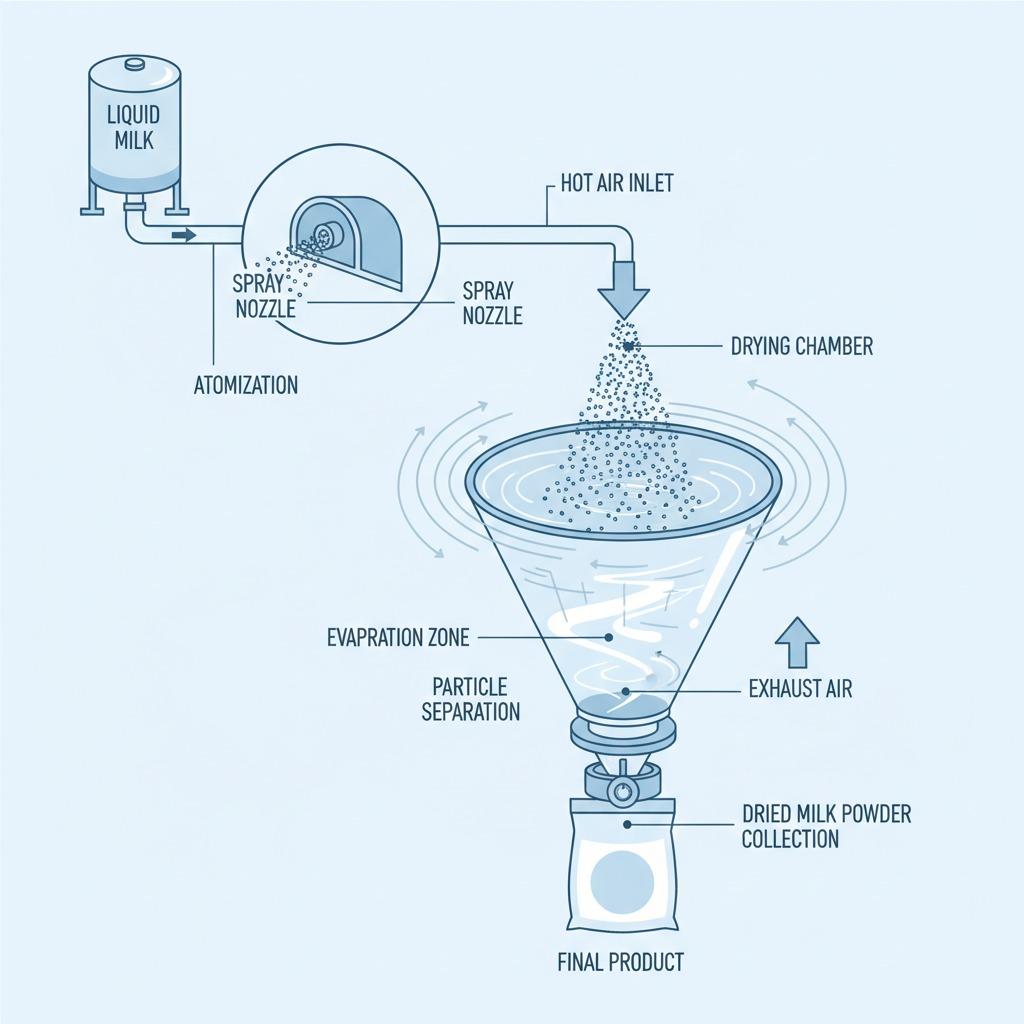
At its core, milk powder spray drying involves atomizing liquid milk into fine droplets within a hot air stream, rapidly evaporating the moisture to produce dry powder particles. This method is preferred over traditional drying techniques due to its speed, which prevents heat damage to sensitive proteins and vitamins in the milk. The process begins with the preparation of concentrated milk, which is then fed into a spray nozzle. High-velocity hot air, typically between 180-200°C, instantly dries the droplets in a matter of seconds, resulting in free-flowing powder that can be collected and packaged.
The efficiency of milk powder spray drying lies in its ability to handle large volumes continuously, making it ideal for industrial-scale operations. Modern systems incorporate precise control over air temperature, flow rates, and atomization pressure to achieve consistent particle sizes, usually ranging from 10 to 250 microns. This uniformity is crucial for the powder's solubility and reconstitution properties, which are key for applications in infant formula, baking, and beverages. By leveraging advanced engineering, milk powder spray drying reduces energy consumption and operational costs compared to older dehydration methods, positioning it as a sustainable choice in food processing.
Spray Dryer for Milk: Advanced Equipment for Optimal Performance
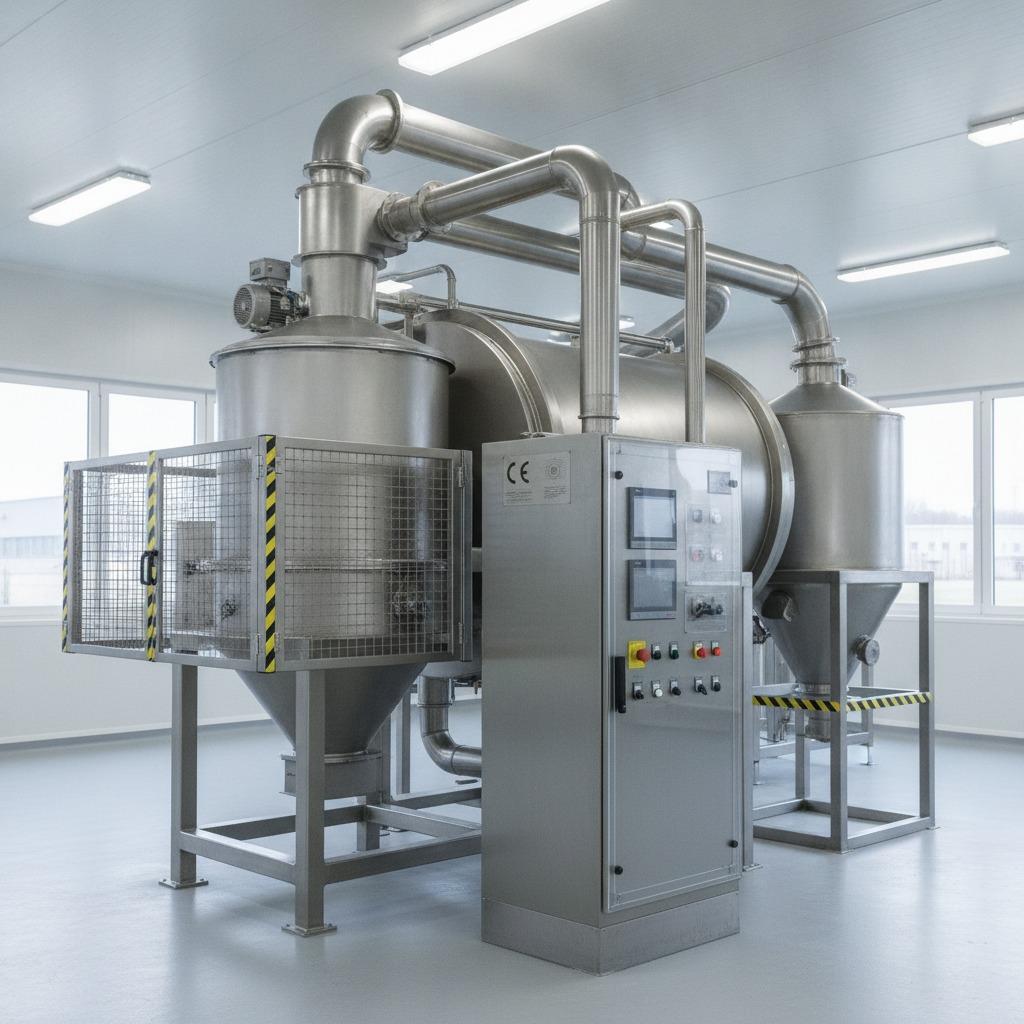
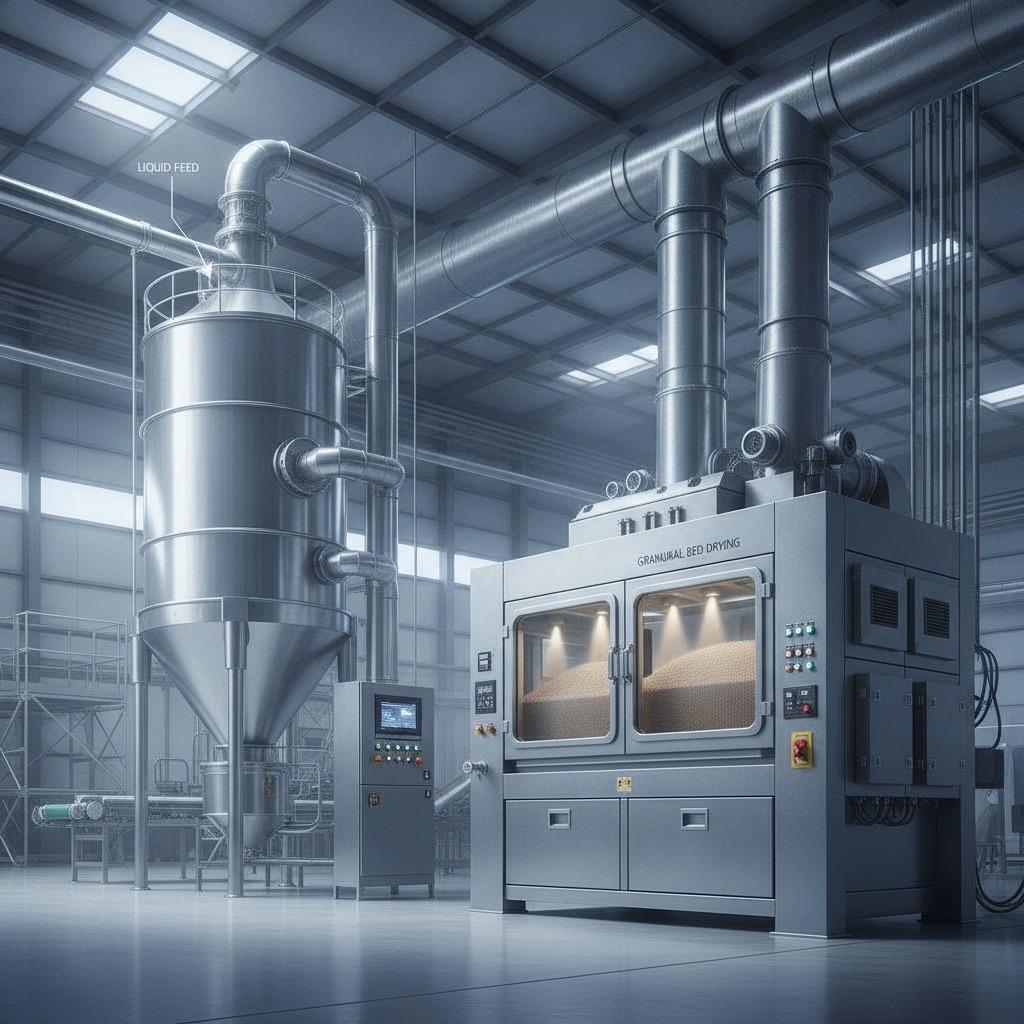
A spray dryer for milk represents the pinnacle of drying technology, designed specifically to handle the unique viscosity and thermal sensitivity of dairy liquids. These machines feature a large, cylindrical drying chamber that maximizes airflow and heat distribution, ensuring every droplet is exposed to optimal conditions. The robust, seamless metal construction withstands the rigors of continuous operation in high-demand environments like food processing plants.
Equipped with state-of-the-art temperature controls and moisture detection sensors, a spray dryer for milk guarantees uniform drying results, preserving the nutritional integrity of the product. For instance, the equipment's atomization system uses high-pressure nozzles or rotary disks to create a fine mist, allowing for rapid moisture removal without compromising flavor or quality. In milk powder production, this technology is indispensable, as it supports the creation of various powder types, from whole milk to skimmed variants, each tailored to specific consumer needs.
User-friendly interfaces on these spray dryers simplify operation and maintenance, reducing downtime and training requirements for staff. Integration with automation systems further enhances efficiency, enabling real-time monitoring and adjustments. For companies focused on scalability, investing in a high-capacity spray dryer for milk can boost output by up to 50%, streamlining the path from raw milk to finished powder while adhering to stringent hygiene standards.
Milk Powder Production: From Liquid to Market-Ready Product
Milk powder production encompasses a series of integrated steps, with spray drying at the heart of the operation. It starts with milk standardization to achieve the desired fat and solids content, followed by pasteurization to eliminate pathogens. Pre-heating prepares the concentrate for atomization, ensuring smooth flow through the spray dryer for milk.
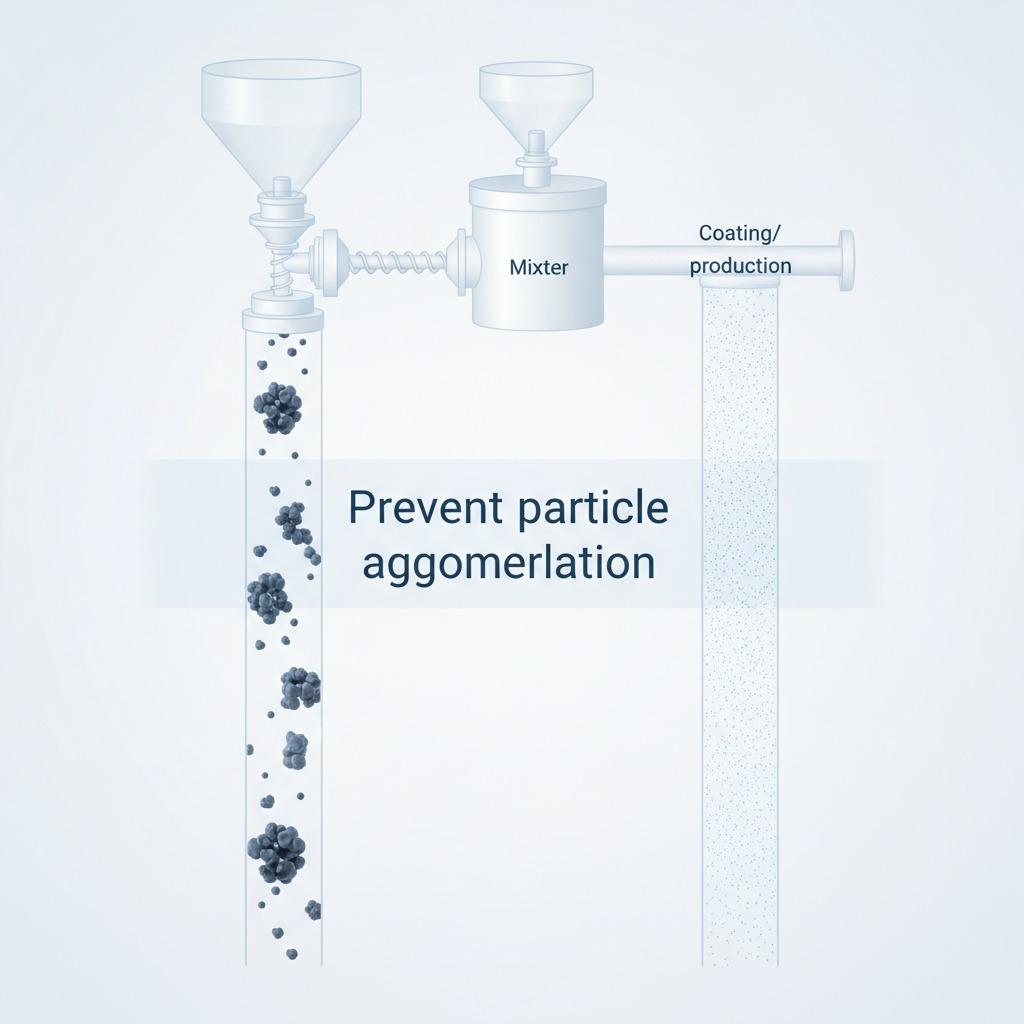
Post-drying, the powder undergoes cooling and sifting to remove agglomerates, then is packaged in moisture-proof containers to maintain quality during storage and transport. This holistic approach in milk powder production not only extends shelf life to over two years but also enables the export of dairy products to regions where fresh milk is scarce. Advanced facilities incorporate cyclones and bag filters to capture fine particles, recycling them back into the process for zero waste.
In terms of quality control, milk powder production relies on rigorous testing for microbial safety, solubility index, and scorched particle content. Technologies like near-infrared spectroscopy provide instant feedback, allowing adjustments during the spray drying phase to meet international standards such as those from the Codex Alimentarius. For producers, mastering milk powder production through efficient spray drying translates to competitive advantages, including cost savings and premium product positioning in global markets.
Benefits and Innovations in Milk Powder Spray Drying
The advantages of milk powder spray drying extend beyond efficiency to include versatility across dairy and non-dairy applications. It supports the encapsulation of flavors and nutrients, producing fortified powders for nutritional supplements. Energy-efficient designs in modern spray dryers for milk reduce carbon footprints, aligning with sustainability goals in the industry.
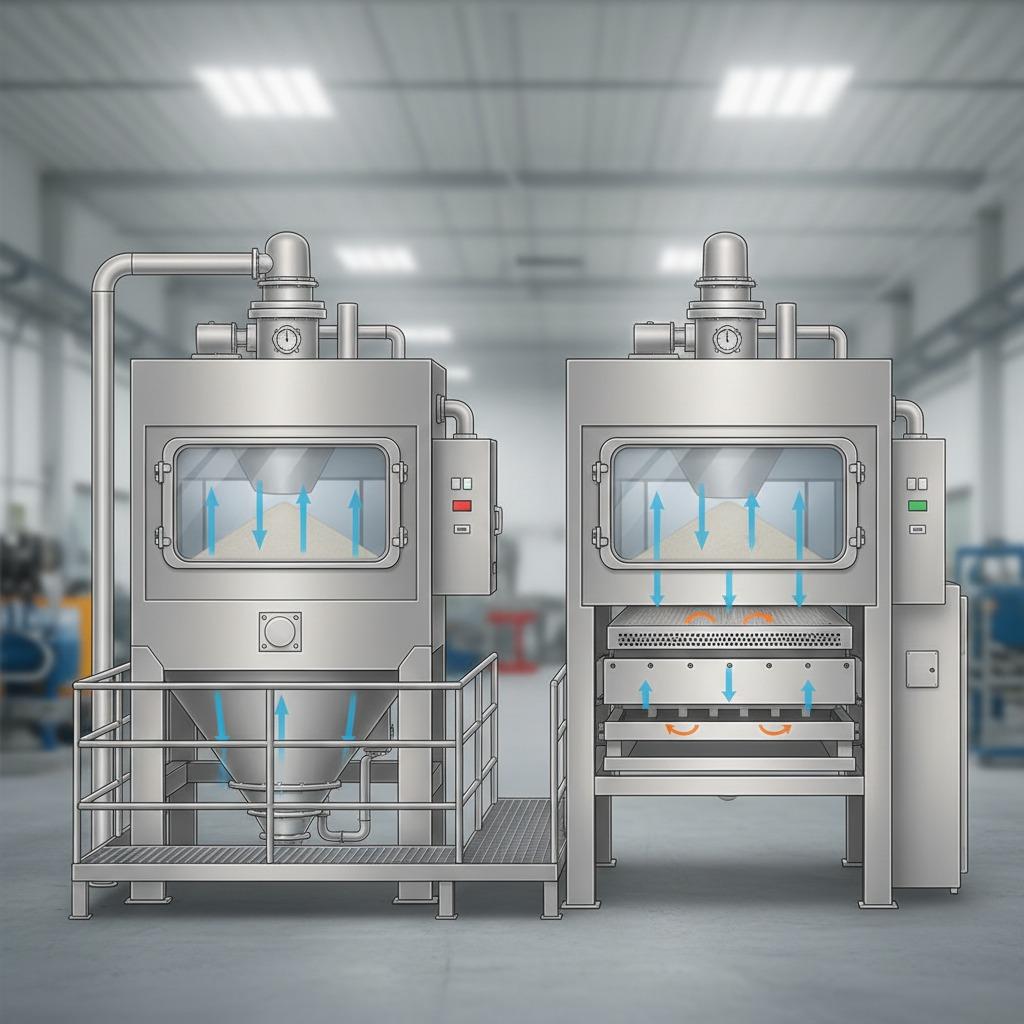
Innovations such as multi-stage drying combine spray drying with fluid bed systems for agglomerated powders that dissolve instantly in water, ideal for instant milk beverages. These advancements minimize stickiness issues common in high-fat milks, enhancing yield and product consistency. In pharmaceutical extensions, milk powder spray drying techniques are adapted for protein-based drugs, showcasing the technology's broad applicability.
For industrial users, the scalability of milk powder production systems allows seamless expansion, from pilot plants to full-scale factories. Integration with upstream processes like evaporation and downstream packaging creates a cohesive workflow, minimizing bottlenecks. As consumer demand for convenient dairy products rises, milk powder spray drying remains a pivotal process, driving innovation and reliability in the sector.
Challenges and Best Practices in Implementation
Despite its benefits, milk powder spray drying presents challenges like fouling on chamber walls due to milk's proteins, which can reduce efficiency. Best practices include regular cleaning with automated CIP (Clean-In-Place) systems and selecting materials resistant to corrosion, such as stainless steel.
Optimizing feed rates and air humidity controls prevents over-drying, which could degrade quality. Training operators on spray dryer for milk maintenance ensures longevity, with predictive analytics now used to foresee wear and tear. In milk powder production, adherence to HACCP protocols safeguards against contamination, building consumer trust.
By addressing these hurdles, facilities can achieve up to 98% recovery rates, maximizing profitability. Collaborative efforts with equipment suppliers yield customized solutions, tailoring spray drying parameters to specific milk compositions, whether from cow, goat, or plant sources.
Future Trends in Milk Powder Spray Drying Technology
Looking ahead, milk powder spray drying is evolving with AI-driven optimizations that predict and adjust drying conditions in real-time, enhancing precision. Sustainable practices, like using renewable energy for air heating, are gaining traction, reducing environmental impact.
Hybrid systems combining spray drying with membrane technologies concentrate milk more efficiently before drying, cutting energy use by 20-30%. As global dairy trade expands, advanced milk powder production lines will incorporate blockchain for traceability, ensuring authenticity from farm to powder.
In conclusion, milk powder spray drying continues to transform the dairy landscape, offering unmatched efficiency and quality. For producers embracing this technology, the future holds endless possibilities in innovation and market leadership.