Why industrial drying gets difficult faster than people expect
An Industrial Vacuum Dryer is often the difference between a stable product and a batch that looks fine on the outside but still holds moisture where it matters. That matters in more places than many buyers first assume: coatings that need a clean cure, compounds that must not oxidize, parts that trap liquid in blind holes, and materials that degrade when heat alone is pushed too far. If you are sourcing drying equipment for a production line, the real question is not simply “can it remove moisture?” It is whether it can do that repeatably, at a controlled temperature, without damaging the product or slowing the line.
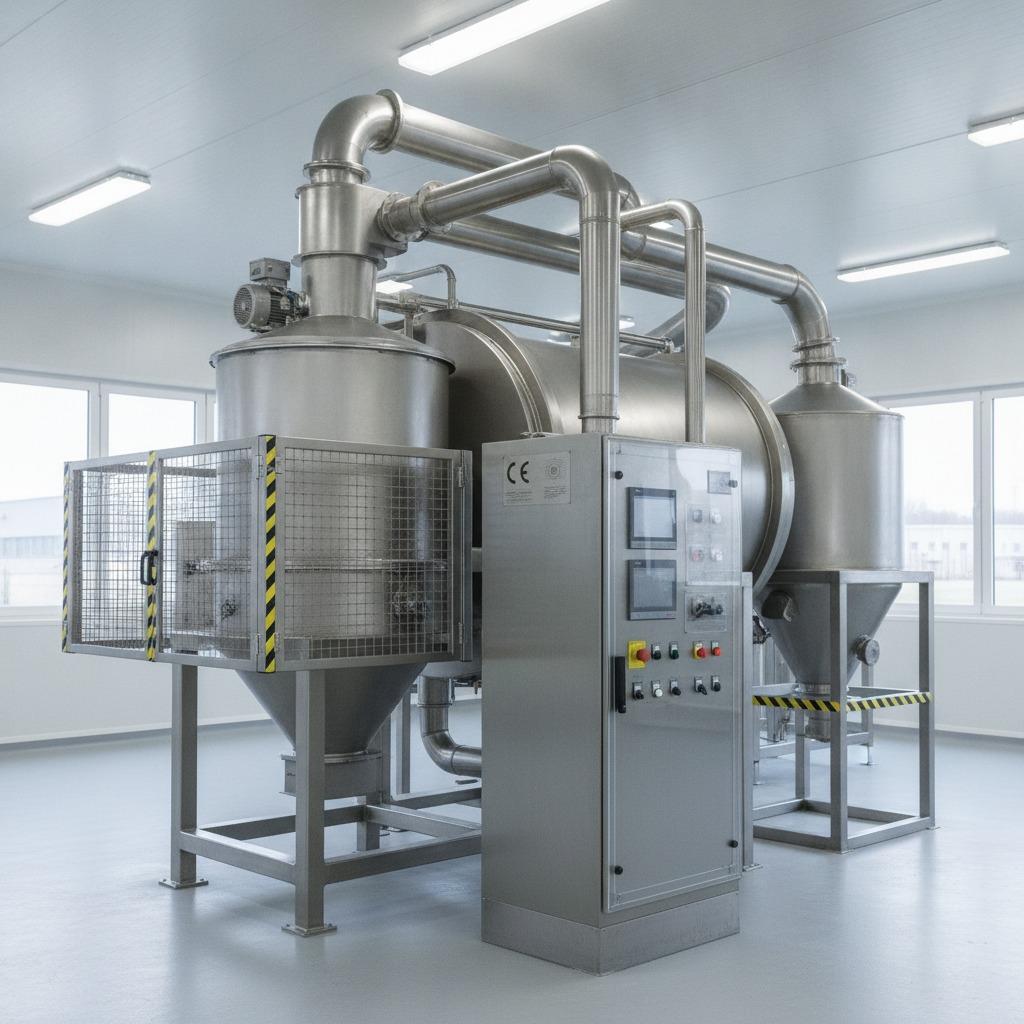
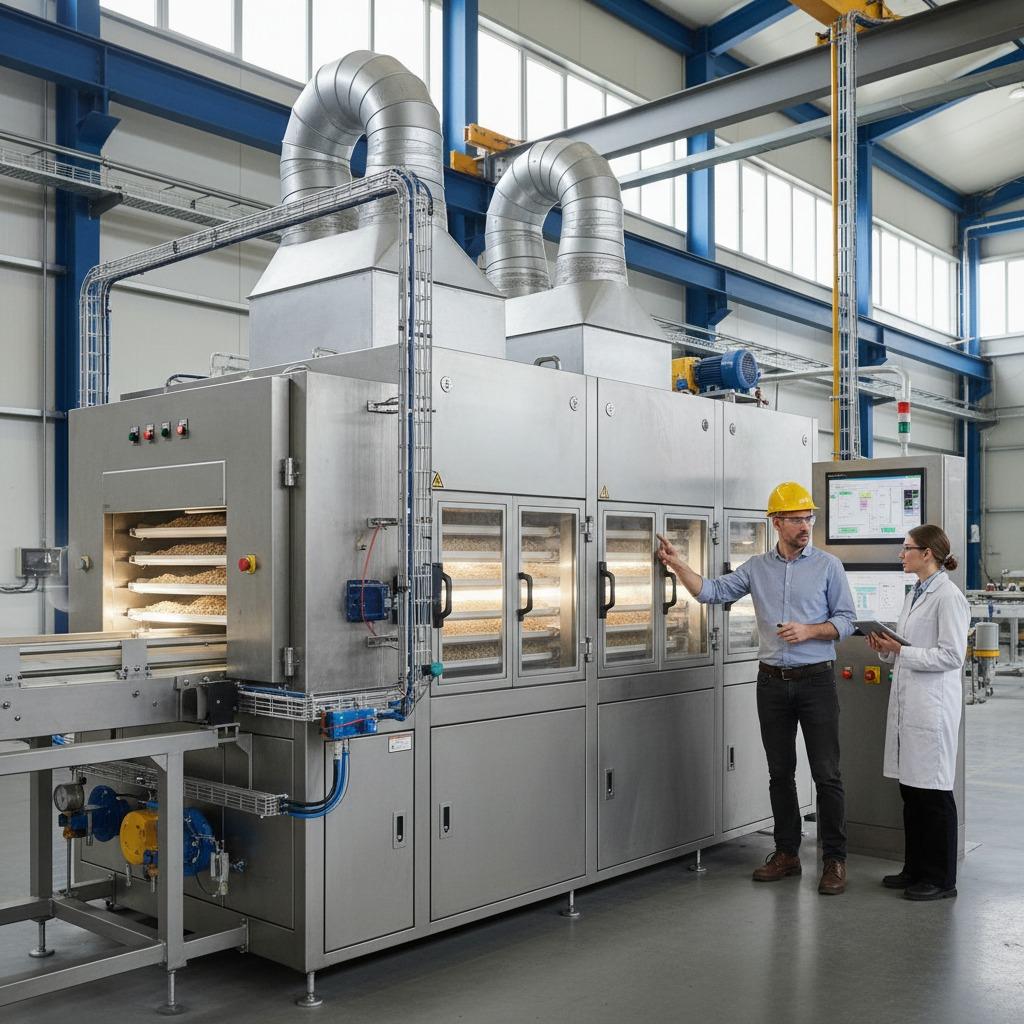
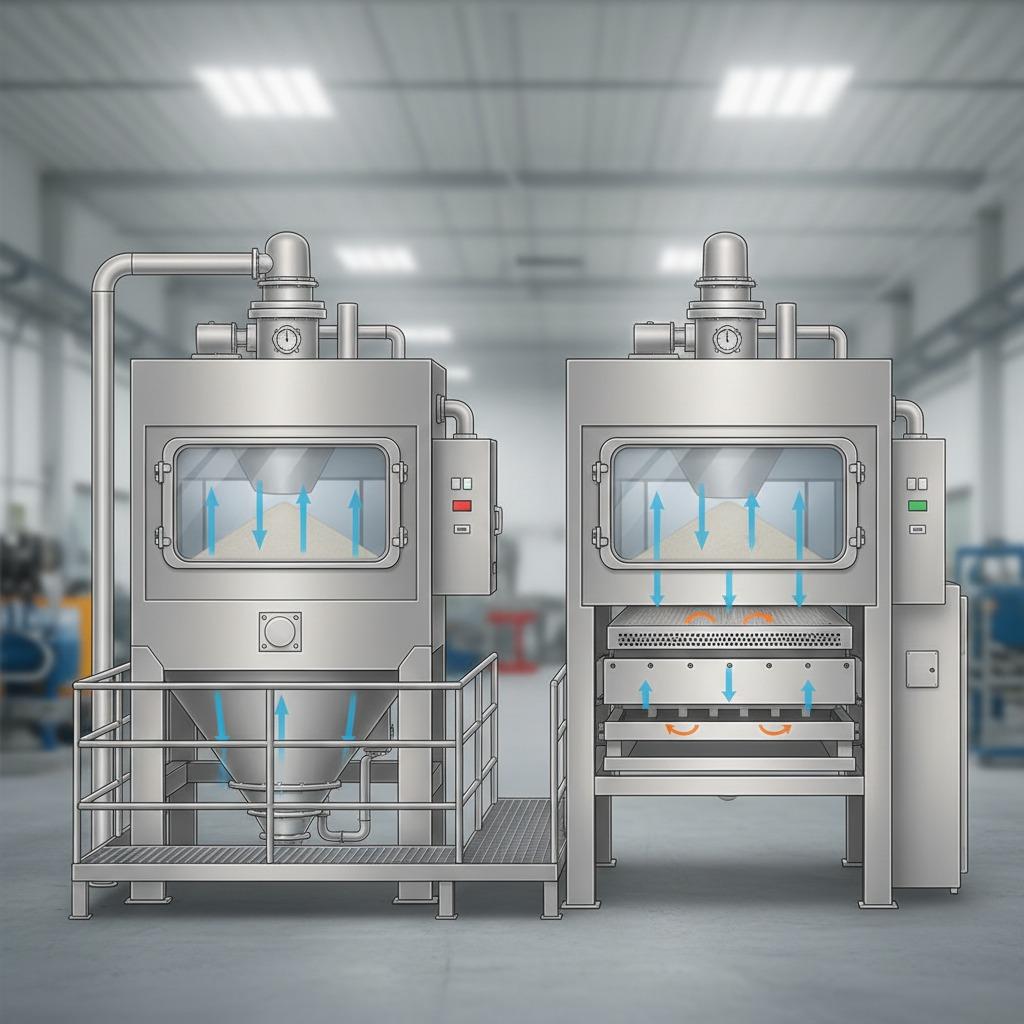
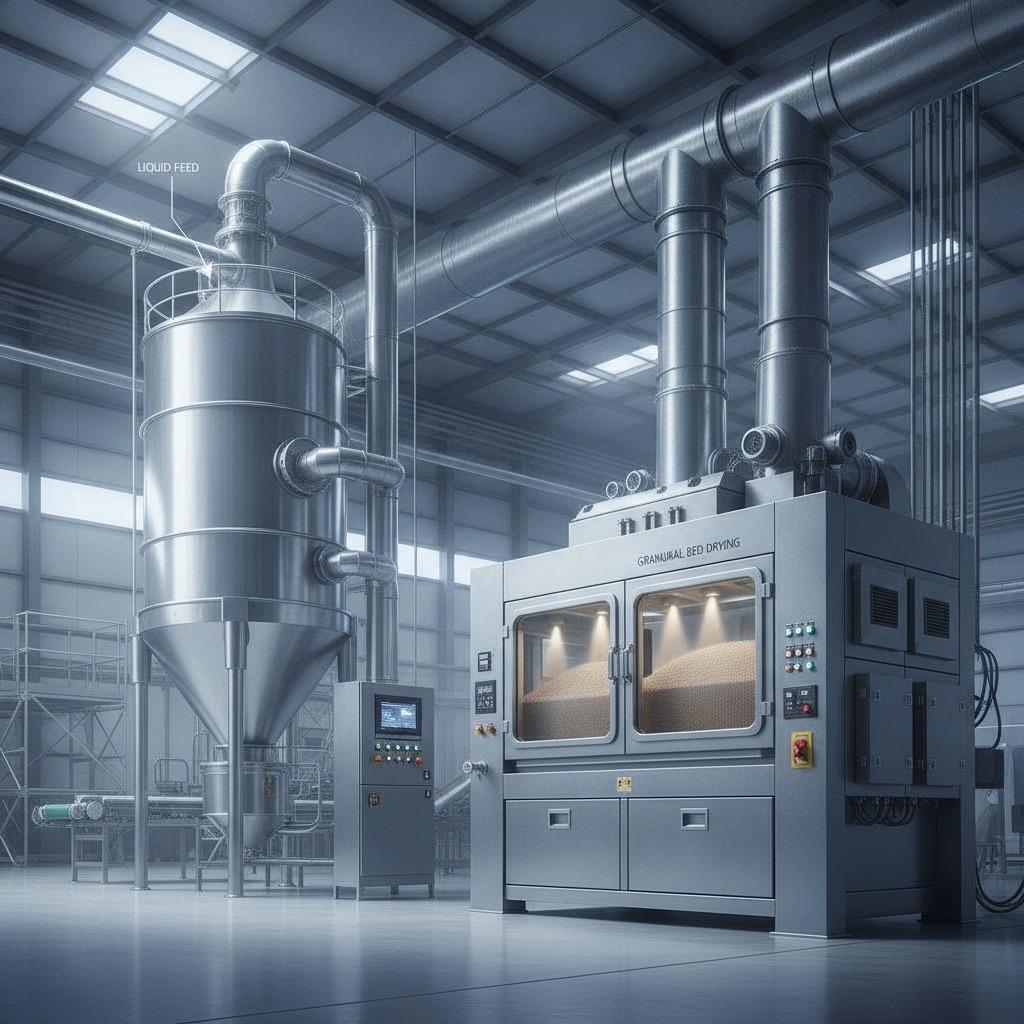
The equipment shown in the preparation data appears to be a stainless steel cabinet-style industrial chamber with front access doors, locking handwheels, gauges, and inspection windows. The exact process function cannot be confirmed from the image alone, so it is safer to treat it as a controlled-environment chamber rather than assume a single use. Still, the visual cues fit the kind of heavy-duty equipment buyers consider when they need a dependable Vacuum Drying Machine or related chamber for process work.
The practical problem: why conventional drying can fall short
Many production teams start with hot air drying because it is familiar. It is also, in some cases, perfectly adequate. But hot air alone can be slow for dense parts, uneven for irregular geometries, and risky for temperature-sensitive materials. Surface moisture may disappear while internal moisture lingers. In other cases, higher heat speeds the job but changes the part: warping, oxidation, discoloration, or residue formation can follow.
Vacuum drying addresses that by lowering the pressure inside the chamber. When the pressure drops, moisture can evaporate at a lower temperature than it would in ambient air. That is the basic appeal. Less thermal stress, more even drying, and often better preservation of the material’s properties. For engineers and sourcing managers, the decision is rarely academic. It is a process choice that can affect scrap rate, cycle time, downstream assembly quality, and even warranty exposure.
What an industrial vacuum drying setup is meant to do
In trade language, an Industrial Vacuum Dryer is not just a box that gets warm and pulls air out. It is a controlled chamber designed to manage pressure, temperature, and airflow behavior in a way that helps moisture leave the product safely. Depending on the application, the chamber may also need corrosion-resistant surfaces, reliable sealing, clear status monitoring, and robust door hardware that can stand up to repeated cycles.
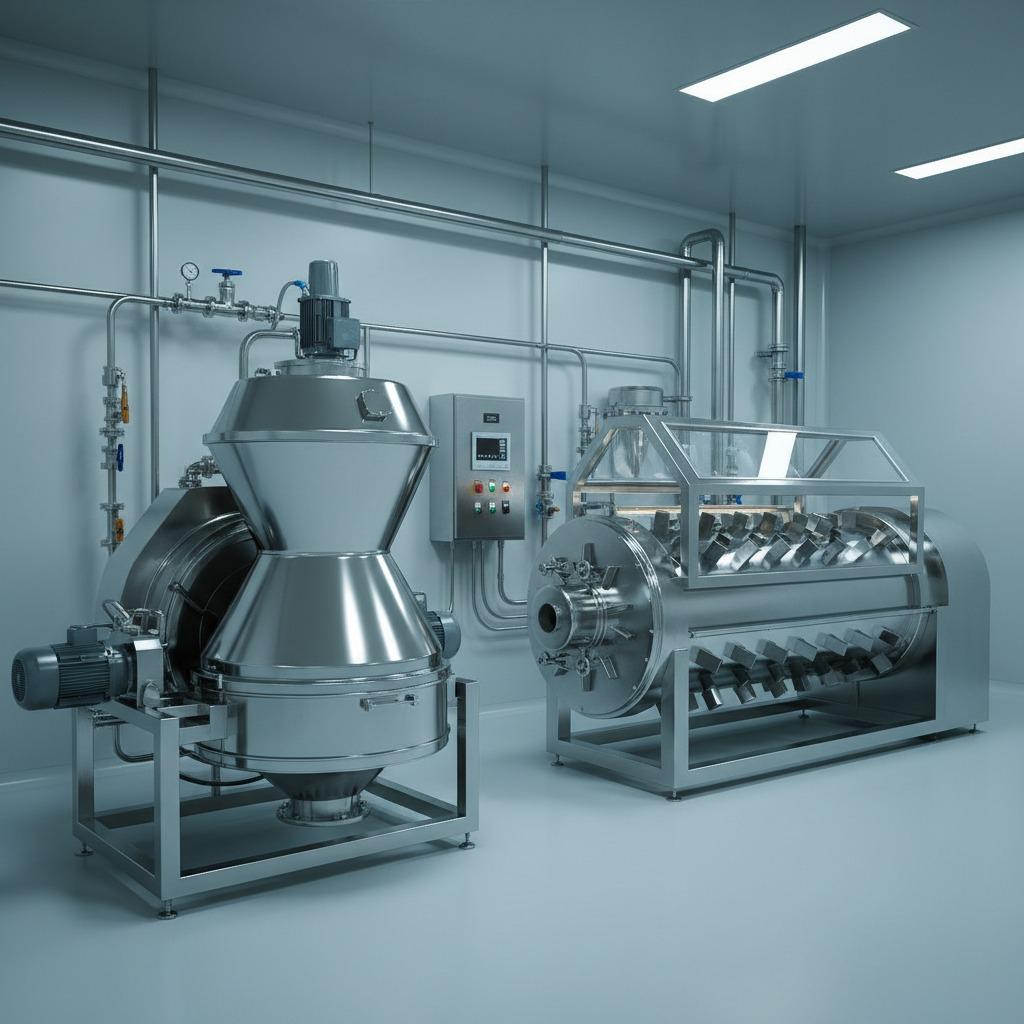
The product details provided point to large stainless steel cabinets or chambers with a brushed finish, heavy-duty bases, and multiple front access doors or panels. That construction suggests industrial service rather than bench-top use. Stainless steel is commonly chosen in environments where cleanliness, corrosion resistance, or repeated washdown matter. It is not automatically the right material for every installation, but it is a sensible default in many process settings.
Key features buyers usually care about
1. Chamber integrity and sealing
Vacuum performance depends heavily on the chamber’s ability to hold pressure consistently. Door design, gasket condition, panel stiffness, and welding quality all matter. A good-looking exterior is not enough. Buyers should ask how the doors seal, how the latching system distributes force, and what maintenance the seal surface requires over time.
2. Temperature control
Drying is about heat transfer as much as pressure reduction. If the chamber cannot hold a stable temperature, the process may become uneven or slow. For sensitive materials, small temperature swings can be costly. This is one reason engineers often treat drying equipment as a process asset rather than a simple utility appliance.
3. Monitoring and visibility
The visible analog gauges and round inspection windows in the supplied data are worth noting. Whether they are for pressure, temperature, or another process variable, they suggest the equipment is built with operator observation in mind. In real factories, that matters. Operators need to see whether a cycle is behaving normally without opening the chamber or relying only on software screens.
4. Door hardware and access
Large handwheels and locking mechanisms are not decorative. On industrial chambers, they help apply even force around the door and maintain a proper seal under vacuum or controlled conditions. That hardware also tells you something about the machine’s service life. If the system is meant for frequent cycling, the door mechanism must be rugged enough to tolerate routine use without drifting out of alignment.
When a vacuum drying approach makes more sense than hot-air drying
A vacuum-based approach is usually worth a closer look when the product is heat-sensitive, contains trapped solvent or moisture, or has cavities that are difficult to dry evenly. It is also useful when oxidation must be minimized. Materials in electronics, composites, precision machining, specialty chemicals, and certain medical or laboratory workflows often fit that profile.
That said, vacuum drying is not a universal upgrade. If the part is robust, non-sensitive, and easy to dry with moving air, a simpler system may be cheaper to run and easier to maintain. Buyers should resist the habit of over-specifying process equipment just because more technical sounding machinery seems safer. Sometimes it is. Sometimes it is just more expensive to operate.
Selection criteria that prevent expensive mistakes
When evaluating an Industrial Vacuum Dryer or related chamber, focus on the process first and the equipment second. That sounds obvious, but sourcing teams still get trapped by brochure features.
Start with the material behavior. What exactly is being removed—free water, bound moisture, solvent, or a mix? Different materials respond differently under reduced pressure.
Check the load geometry. Dense stacks, porous parts, and products with blind recesses may need a different chamber arrangement than flat components.
Match the chamber material to the environment. Stainless steel is often a strong choice, but the exact grade, surface treatment, and fabrication quality matter. If the process is corrosive or cleanliness-sensitive, that should be discussed up front.
Look at the operating rhythm. A unit used once a day has a different design burden than one used on a production line with repeated cycles and fast turnarounds.
Confirm maintenance access. Gaskets, gauges, seals, door latches, and instrumentation should be serviceable without turning every minor issue into downtime.
Why the visible construction details matter
The supplied product description mentions multiple identical units installed in a production space, stainless steel construction, front-mounted gauges, inspection windows, and a raised floor-standing base. Those are not trivial details. In industrial equipment, repeatability and physical robustness often matter more than cosmetic polish.
A floor-standing cabinet with a substantial base is usually easier to integrate into a plant than a lightweight machine that needs delicate mounting. The inspection window gives operators a direct look at the chamber. The gauges provide quick status checks. The locking wheels suggest a system designed for secure closure rather than casual access. None of that tells us the exact process, but it does indicate an industrial mindset: control, visibility, and mechanical strength.
Common buyer mistakes with drying chambers
One common mistake is asking only for capacity. Capacity matters, of course, but a chamber that is physically large can still be a poor fit if pressure recovery is slow or temperature uniformity is weak. Another mistake is assuming stainless steel alone guarantees suitability. It does not. Construction quality, sealing design, and process controls matter just as much.
A third mistake is forgetting the upstream and downstream steps. If loading takes too long, if the product must cool in a controlled way, or if the chamber needs frequent cleaning between batches, those operational details can dominate the real cost of ownership. Buyers sometimes discover this only after installation, when the machine is already committed to the floor plan.
Questions to ask before you request a quote
If you are sourcing a Vacuum Drying Machine or comparable chamber, ask practical questions rather than broad ones:
What type of material or product is the chamber intended for?
How is the door sealed and how often do the seals need replacement?
What temperature and pressure monitoring is included?
Is the chamber built for batch work, continuous use, or intermittent conditioning?
What cleaning or maintenance access is provided around the front doors, gauges, and fittings?
These questions help separate a machine that merely looks industrial from one that will survive real production use.
A practical note for engineers and sourcing teams
If the application is still being defined, it is better to avoid locking into a single label too early. The equipment shown could be part of a drying line, a curing system, a sterilization process, or another controlled chamber application. The underlying buying logic is similar: determine the process variable that matters most, then specify the chamber around that requirement. That approach prevents overbuying, and it also reduces the chance that a machine arrives with the wrong emphasis.
For many teams, that means requesting process data instead of just dimensions. What is the load? What is the target moisture level? What must be preserved? What is the acceptable cycle time? Those answers do more to define the right machine than any catalog headline.
What to do next
If you are evaluating an Industrial Vacuum Dryer or a related stainless steel chamber for your line, start by mapping the product behavior and the required process outcome. Then compare chamber construction, sealing design, monitoring, and service access against that requirement. If you already have a production environment in mind, share the load type, batch size, and target process conditions so the equipment can be matched more accurately. That step is usually where the useful technical discussion begins.