Understanding Industrial Mixing Equipment: Essential Tools for Modern Manufacturing
In the world of manufacturing, industrial mixing equipment stands as a cornerstone for efficient production processes. This vital machinery ensures that raw materials are blended uniformly, enhancing product quality across industries like pharmaceuticals, chemicals, and food processing. As facilities scale up operations, selecting the right industrial mixing equipment becomes crucial for maintaining consistency and minimizing waste. From heavy-duty mixers to specialized units, these tools are engineered to handle diverse materials under rigorous conditions. This article explores the key types and benefits of industrial mixing equipment, highlighting how innovations in design and materials are transforming manufacturing landscapes.
Heavy-Duty Mixers: Built for Demanding Applications
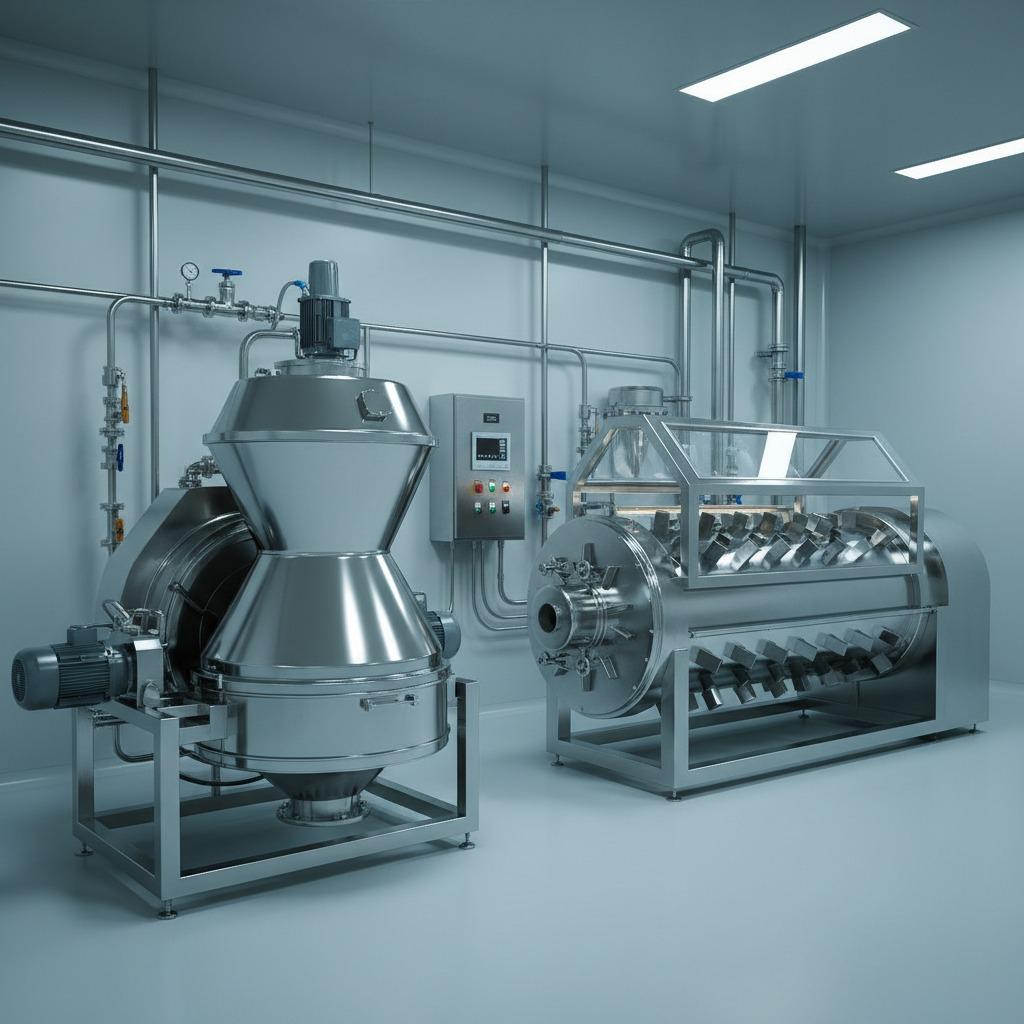
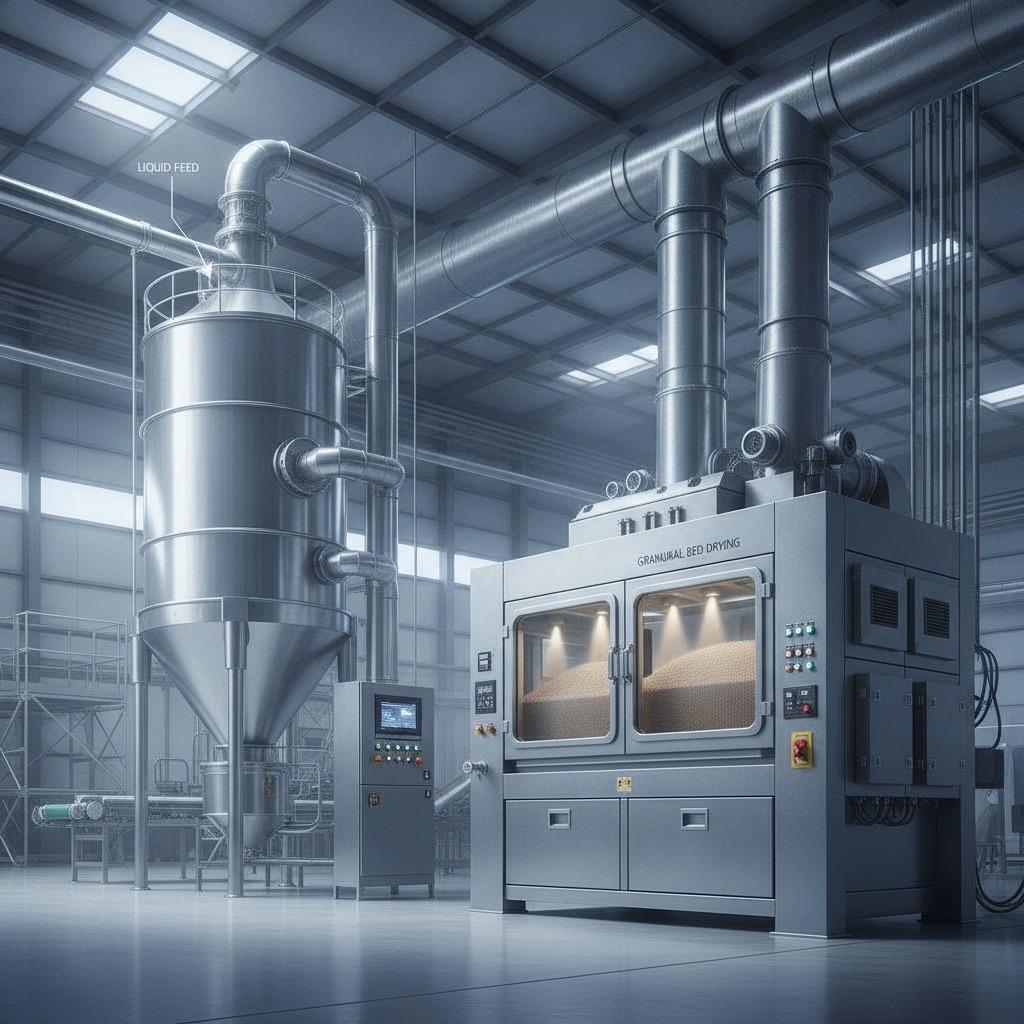
Heavy-duty mixers represent a robust category within industrial mixing equipment, designed to withstand the rigors of high-volume production. These machines are constructed from durable materials like high-grade stainless steel, providing resistance to corrosion and ensuring longevity in harsh environments. For instance, the state-of-the-art stainless steel industrial blender exemplifies this strength, featuring a polished finish that meets stringent hygiene standards essential for pharmaceutical and food industries. Its angled design promotes thorough blending, reducing processing time while delivering consistent results. The solid base and sophisticated control panel allow for precise adjustments, making heavy-duty mixers ideal for facilities aiming to boost productivity without compromising quality.
What sets heavy-duty mixers apart is their versatility in handling various batch sizes and material types. Whether mixing viscous liquids or abrasive powders, these units operate reliably, minimizing downtime and maintenance needs. In chemical processing, for example, the streamlined hoses and piping facilitate efficient material flow, preventing clogs and ensuring smooth operations. By investing in heavy-duty mixers, manufacturers can achieve uniform mixtures that enhance end-product integrity, ultimately leading to cost savings and improved operational efficiency. As industries evolve, the demand for such reliable equipment continues to grow, underscoring their indispensable role in modern workflows.
Industrial Blenders: Precision in Large-Scale Blending
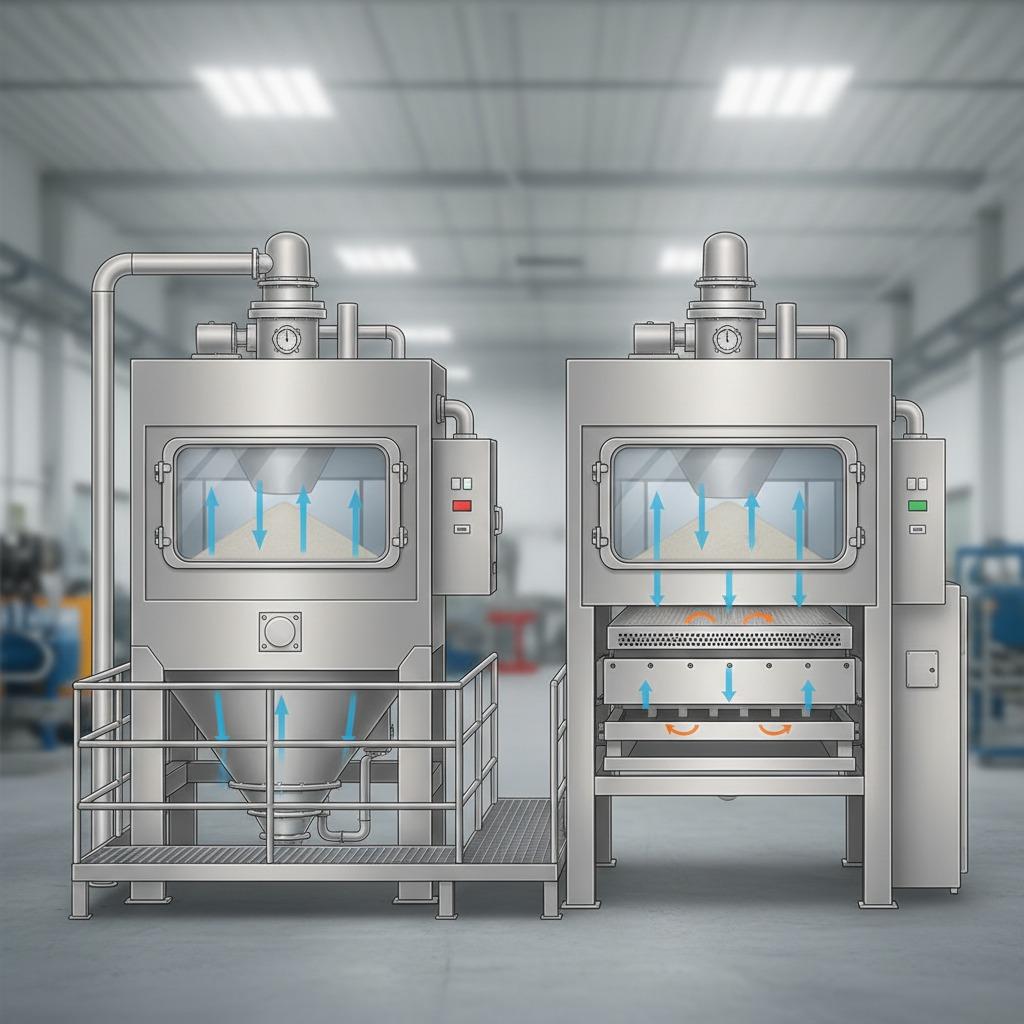
Industrial blenders are pivotal components of industrial mixing equipment, tailored for large-scale blending tasks that require precision and uniformity. These machines, often featuring a double cone design, ensure even distribution of ingredients, which is critical for applications in food production and pharmaceuticals. The Double Cone Blender, crafted from high-quality stainless steel, offers a gentle mixing action that preserves the integrity of heat-sensitive materials, avoiding degradation during processing. Its advanced controls simplify operation, allowing operators to adjust speeds and durations effortlessly, which is particularly beneficial for batch-to-batch consistency.
The compact yet robust structure of industrial blenders optimizes space in crowded facilities while accommodating a range of volumes. In the food industry, this equipment excels at blending powders and granules, resulting in products with superior texture and flavor profiles. Maintenance is straightforward, thanks to the sleek stainless steel finish that resists buildup and facilitates quick cleaning. As manufacturing demands increase, industrial blenders provide the scalability needed to meet production targets without sacrificing quality. Their ability to minimize labor costs and processing time makes them a smart choice for companies looking to streamline operations and adhere to regulatory standards.
Powder Mixing Equipment: Tailored for Fine and Uniform Results
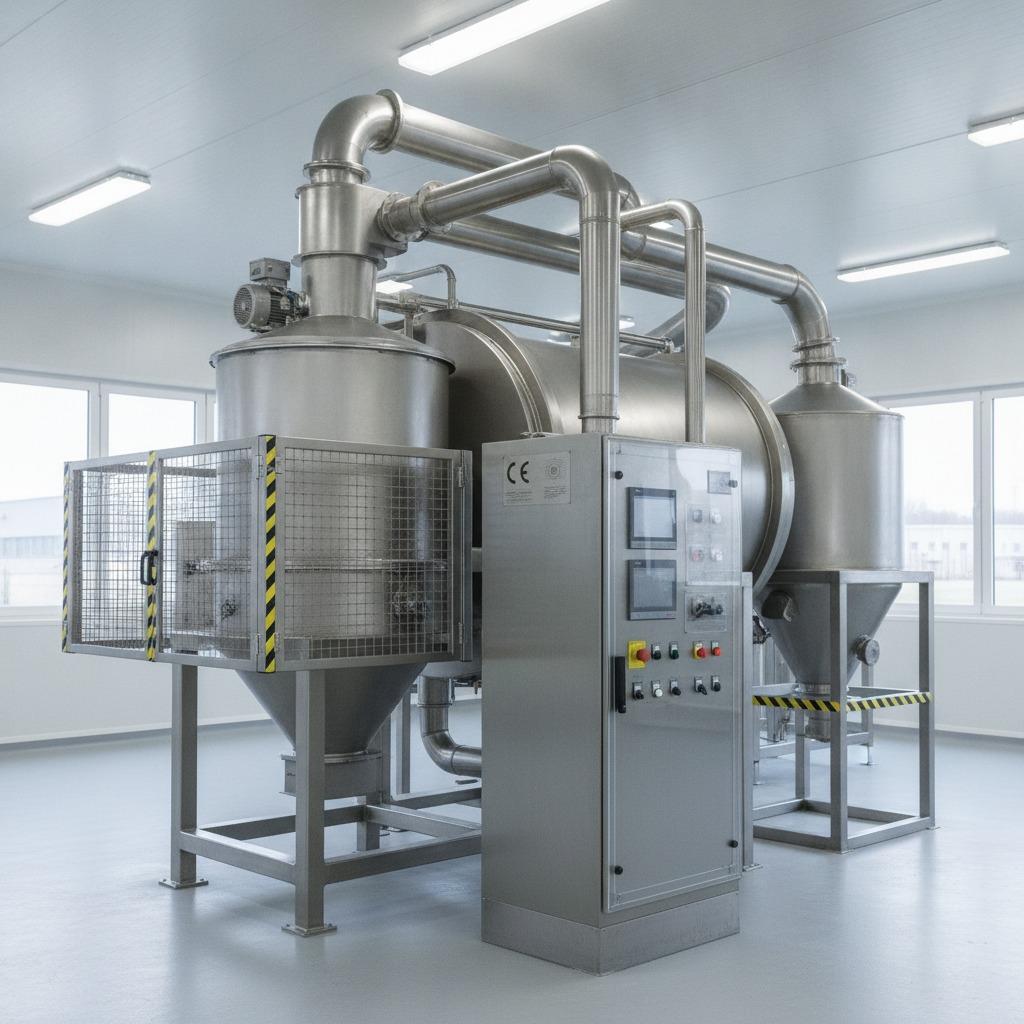
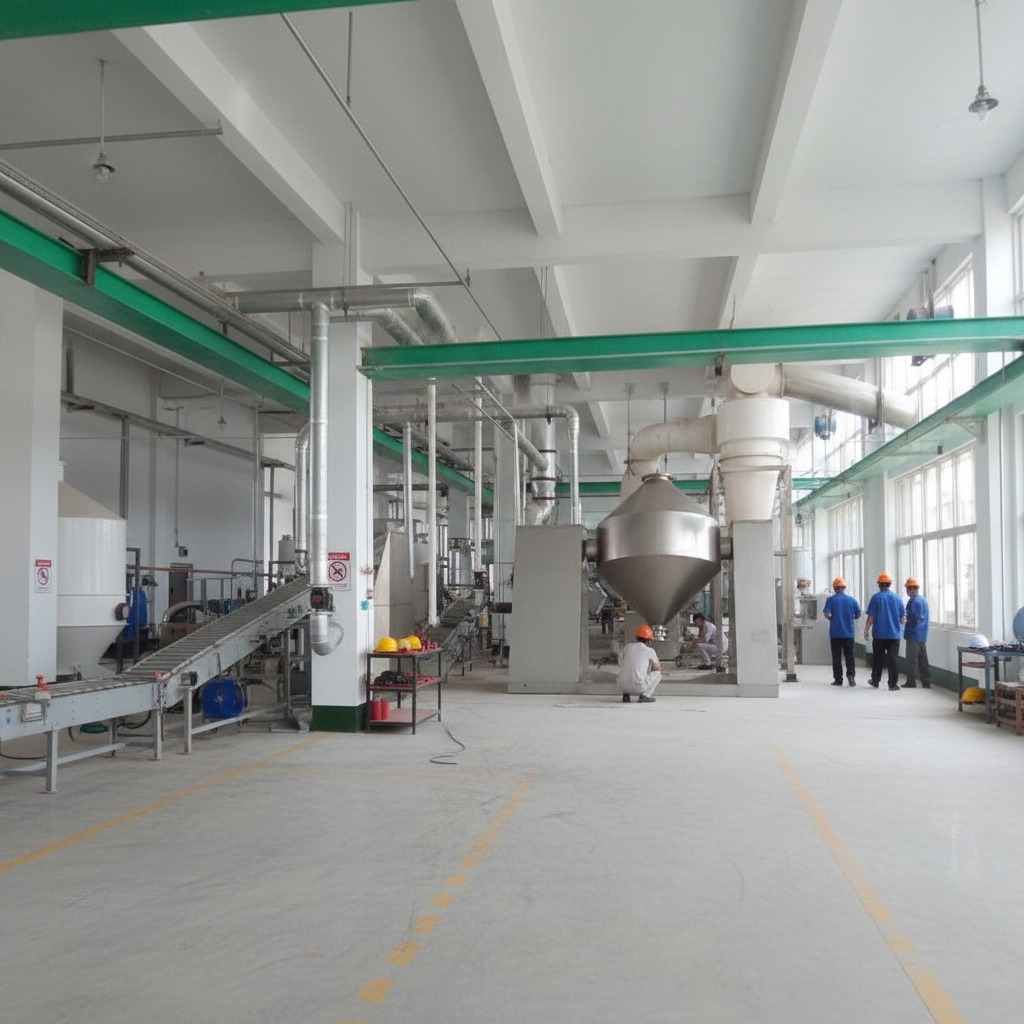
Powder mixing equipment is a specialized subset of industrial mixing equipment, focused on achieving homogeneous blends of dry materials like powders and granules. This type of machinery is essential in sectors where particle size and distribution directly impact product performance, such as in cosmetics and nutraceuticals. Devices like the Double Cone Rotary Vacuum Dryer, while primarily for drying, integrate seamlessly with powder mixing processes by preparing materials for subsequent blending stages. Its conical design and vacuum technology ensure gentle handling, preventing contamination in closed environments and preserving material properties.
Efficiency is at the heart of powder mixing equipment, with features that promote uniform mixing without excessive shear. The Double Cone Blender shines here, offering a low-energy mixing method that reduces dust formation and enhances safety. For chemical manufacturers, this equipment handles diverse powders, from fine pharmaceuticals to coarse industrial compounds, ensuring every batch meets exact specifications. The stainless steel construction not only aids in compliance with hygiene protocols but also extends the machine's lifespan, providing a strong return on investment. By incorporating powder mixing equipment, businesses can refine their processes, cut down on waste, and elevate overall product quality.
Continuous Mixers: Streamlining Ongoing Production
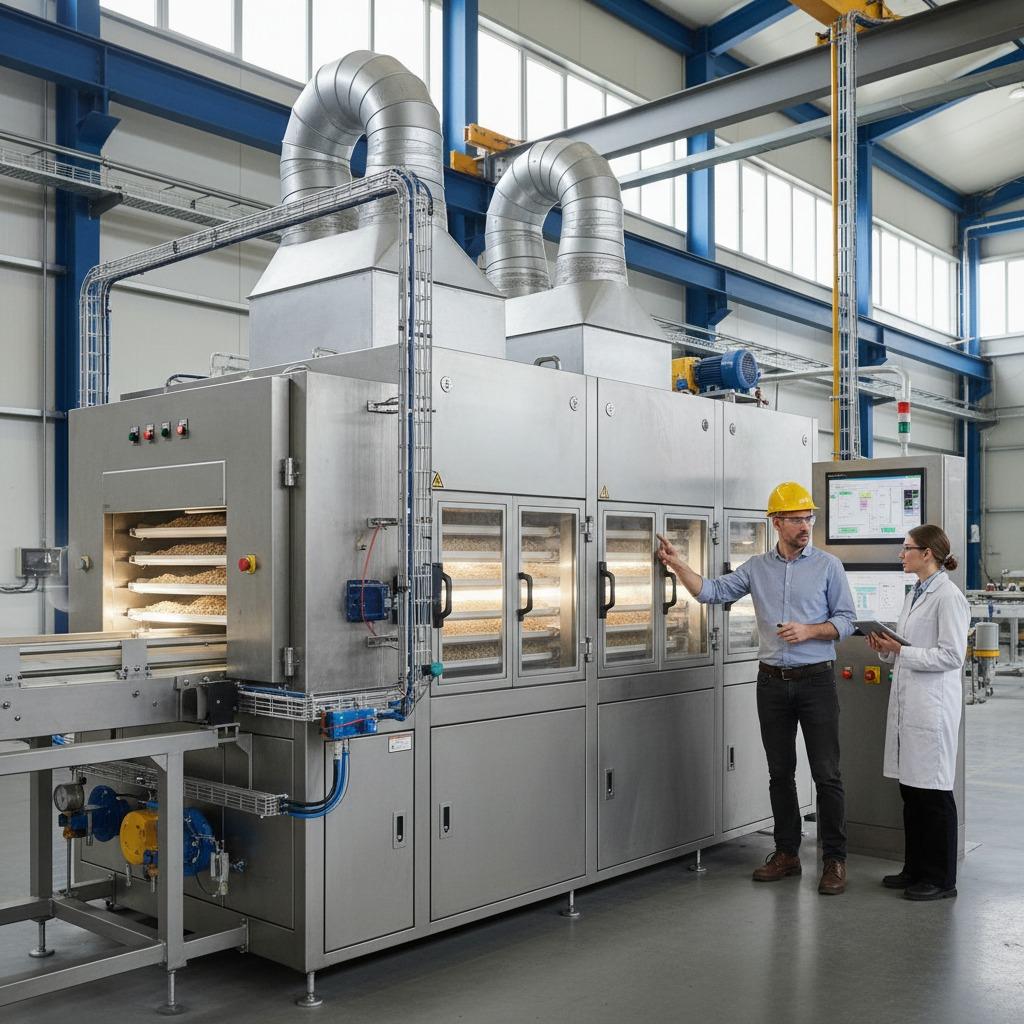
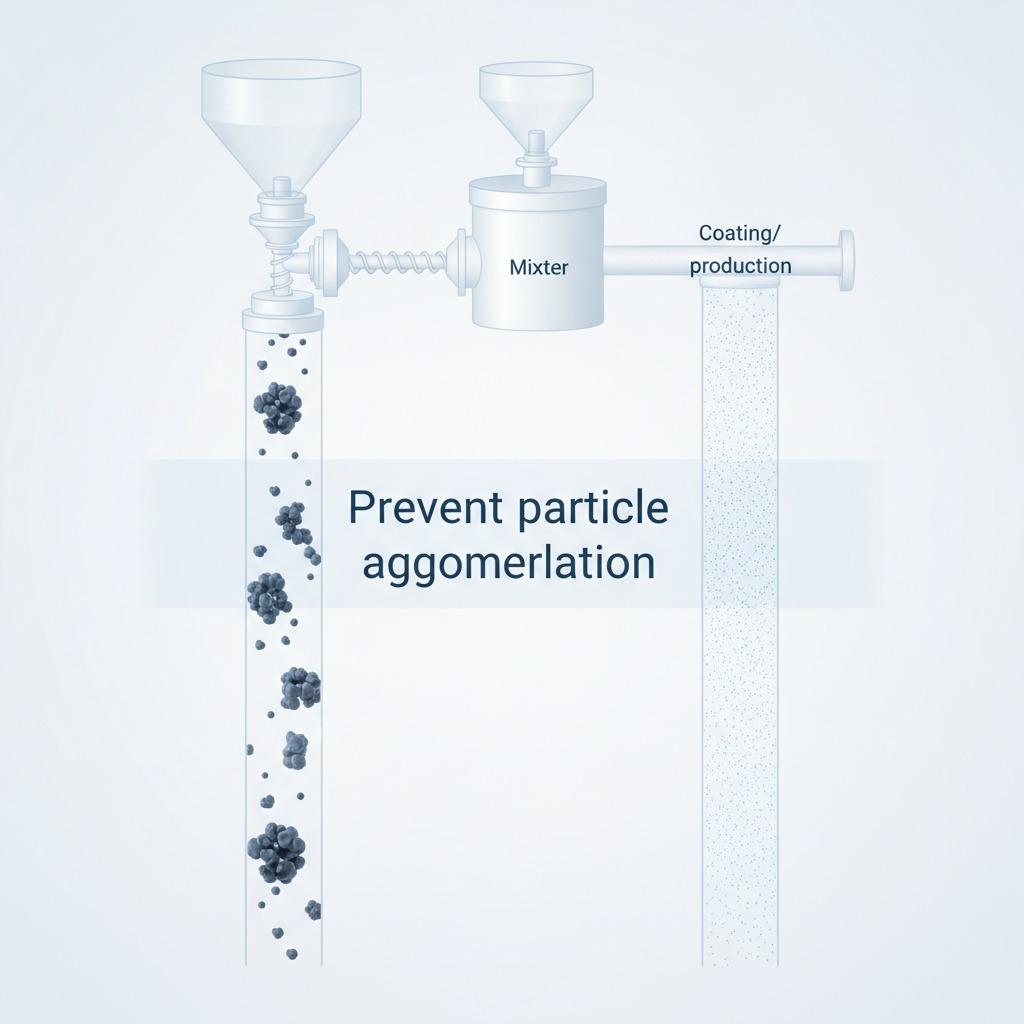
Continuous mixers revolutionize industrial mixing equipment by enabling non-stop operation, ideal for high-throughput environments where downtime is costly. Unlike batch mixers, these units process materials in a steady flow, delivering consistent blends for applications in plastics and adhesives production. Integrating elements from heavy-duty mixers and industrial blenders, continuous mixers feature durable stainless steel components that endure constant use while maintaining precision. Their design incorporates efficient material transfer systems, such as angled chutes and controlled feeding mechanisms, to prevent segregation and ensure homogeneity throughout the mix.
In pharmaceutical settings, continuous mixers paired with tools like the stainless steel industrial blender allow for real-time adjustments, adapting to varying recipes without interrupting the line. This capability not only accelerates production rates but also enhances flexibility in response to market demands. Safety features, including enclosed systems to contain dust and vapors, align with industry regulations, making them suitable for sensitive operations. For food processors, the gentle agitation in continuous mixers preserves nutritional values, resulting in higher-quality outputs. As manufacturing trends toward automation, continuous mixers offer a pathway to increased efficiency, reduced energy consumption, and scalable growth.
Integrating Industrial Mixing Equipment for Optimal Performance
Selecting and integrating the right industrial mixing equipment—whether heavy-duty mixers, industrial blenders, powder mixing equipment, or continuous mixers—requires a holistic approach to facility design. Compatibility with existing systems, such as vacuum dryers, ensures seamless workflows and maximizes throughput. For example, combining the Double Cone Rotary Vacuum Dryer with a Double Cone Blender creates a comprehensive solution for drying and mixing sensitive powders, minimizing handling steps and contamination risks. Stainless steel construction across these machines promotes uniformity in maintenance practices and hygiene compliance.
Facilities benefit from evaluating factors like capacity, material compatibility, and energy efficiency when choosing industrial mixing equipment. Training operators on advanced controls enhances safety and productivity, while regular upkeep extends equipment life. In competitive markets, investing in versatile, high-performance mixers translates to superior product consistency and reduced operational costs. As technology advances, innovations in industrial mixing equipment continue to drive efficiency, supporting sustainable practices through lower waste and energy use. Ultimately, embracing these tools positions manufacturers for long-term success in dynamic industries.
By understanding the nuances of industrial mixing equipment and its related components, businesses can optimize their production lines for reliability and excellence. From the robust performance of heavy-duty mixers to the precision of continuous mixers, these machines form the backbone of effective manufacturing strategies.