Understanding Industrial Mixing Equipment: A Guide to Efficient Blending Solutions
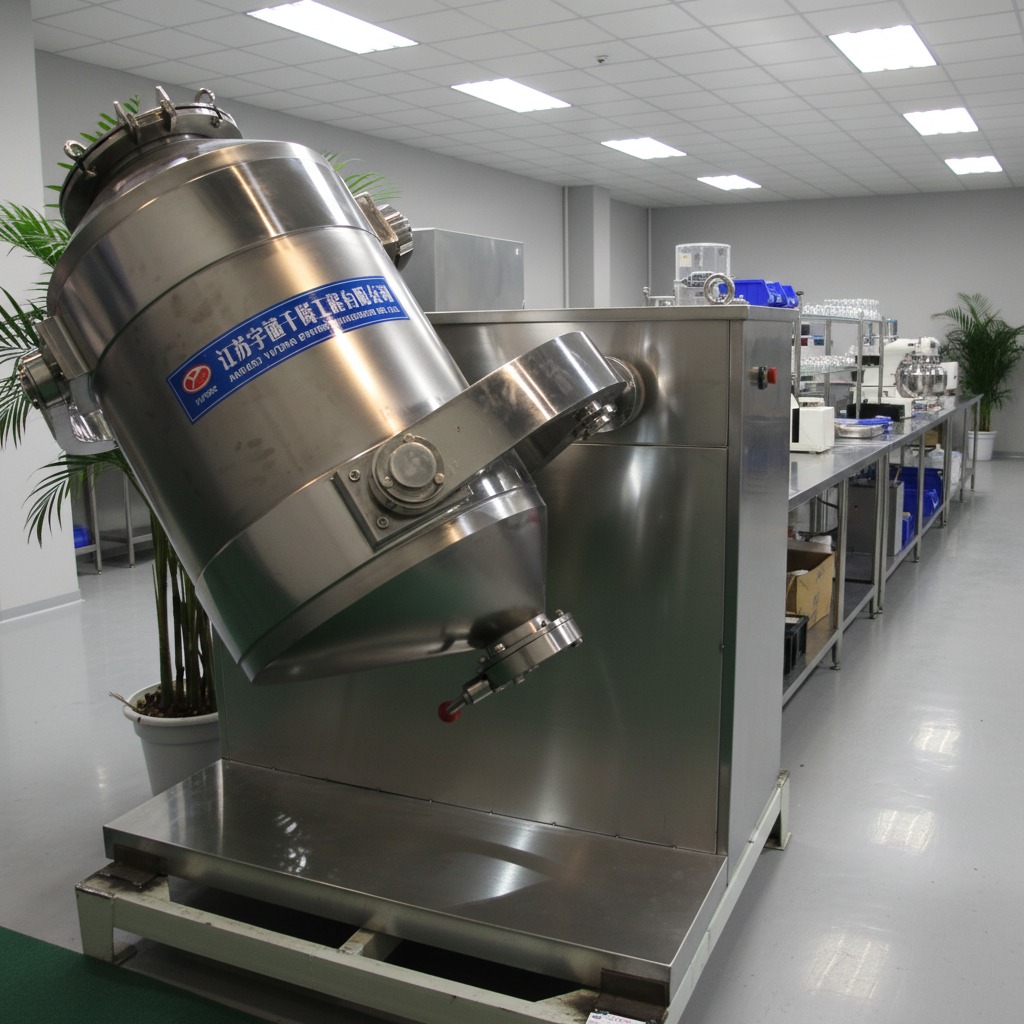
Industrial mixing equipment plays a crucial role in modern manufacturing, enabling precise and uniform blending of materials across various sectors. This essential technology ensures that powders, granules, and other substances are combined efficiently, minimizing waste and maximizing product quality. Whether you're in pharmaceuticals, food processing, or chemicals, selecting the right industrial mixing equipment can significantly impact your production line's performance and output.
The Fundamentals of Blending Machinery
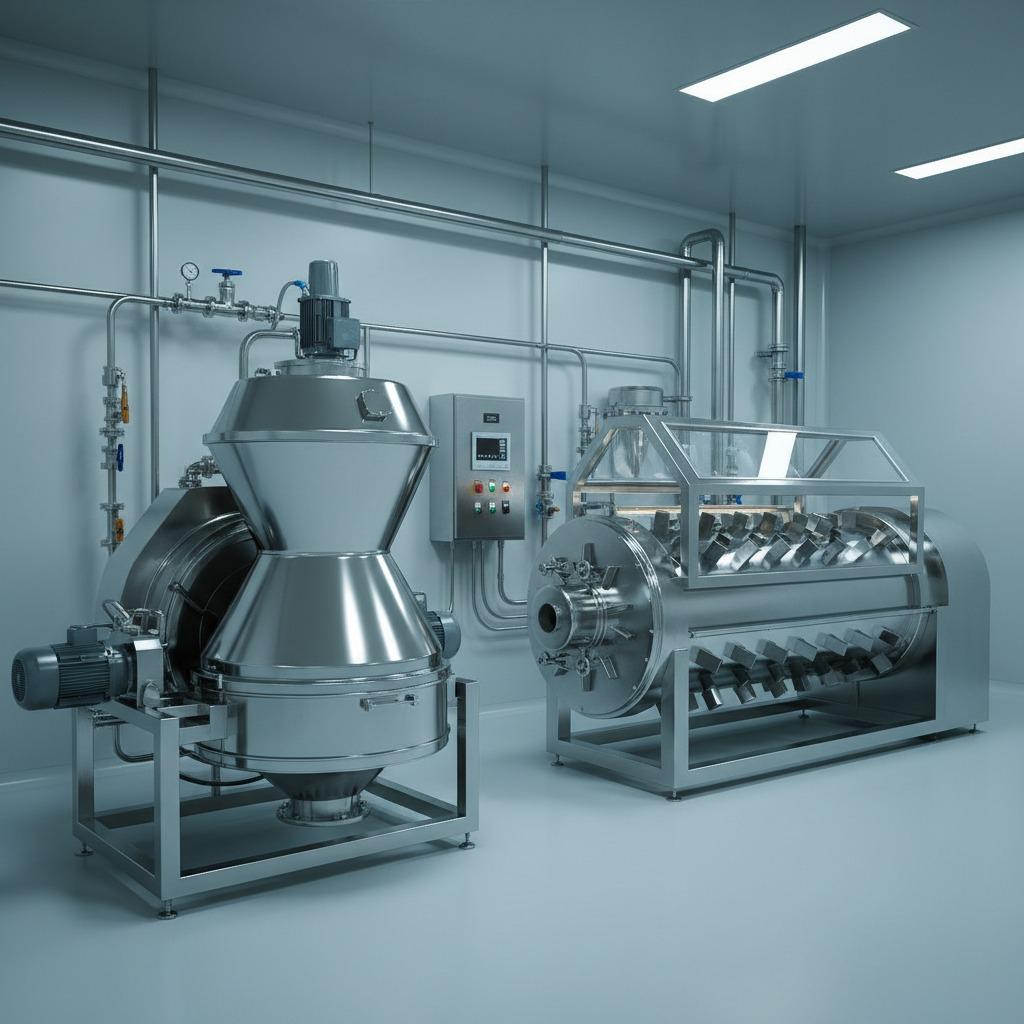
Blending machinery forms the backbone of industrial mixing equipment, designed to handle diverse mixing needs with reliability and speed. These machines operate on principles that promote even distribution of materials, preventing segregation and ensuring homogeneity. For instance, advanced blending machinery incorporates rotational or tumbling actions that facilitate thorough integration without compromising material integrity. In high-volume operations, such equipment reduces downtime and enhances throughput, making it indispensable for scaling production. Moreover, the integration of automation in blending machinery allows for customizable cycles, adapting to specific batch requirements and improving overall workflow efficiency.
Exploring Powder Mixers in Depth
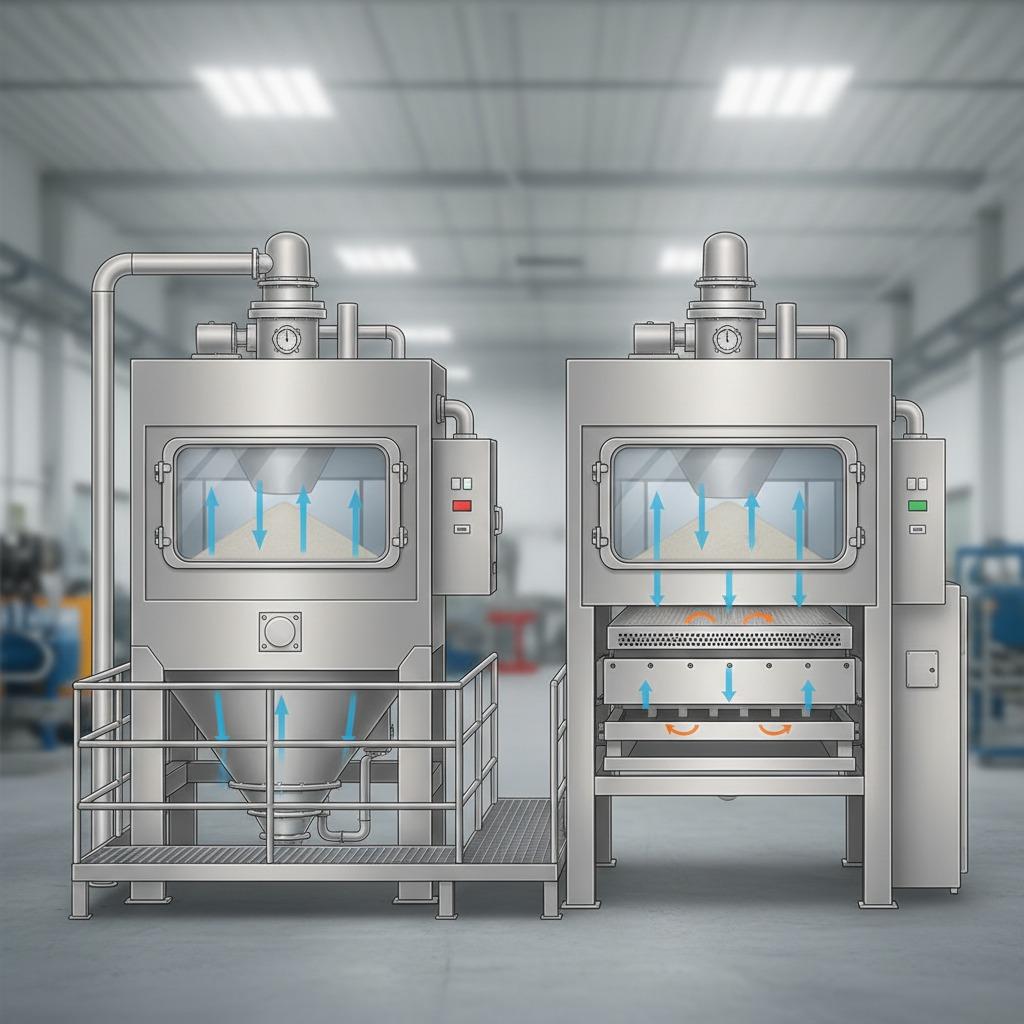
Powder mixers represent a specialized category within industrial mixing equipment, tailored for handling fine and delicate powders that demand gentle yet effective blending. These devices excel in creating uniform mixtures by leveraging gravity and mechanical motion, avoiding the heat generation that could alter sensitive ingredients. In industries like pharmaceuticals, where purity is paramount, powder mixers ensure compliance with stringent hygiene standards through their robust construction. Typically featuring enclosed chambers and precise controls, they minimize dust emissions and contamination risks, fostering a safer working environment. As production demands grow, investing in versatile powder mixers can streamline processes, reduce labor costs, and deliver consistent results batch after batch.
Key Features of Advanced Industrial Mixing Equipment
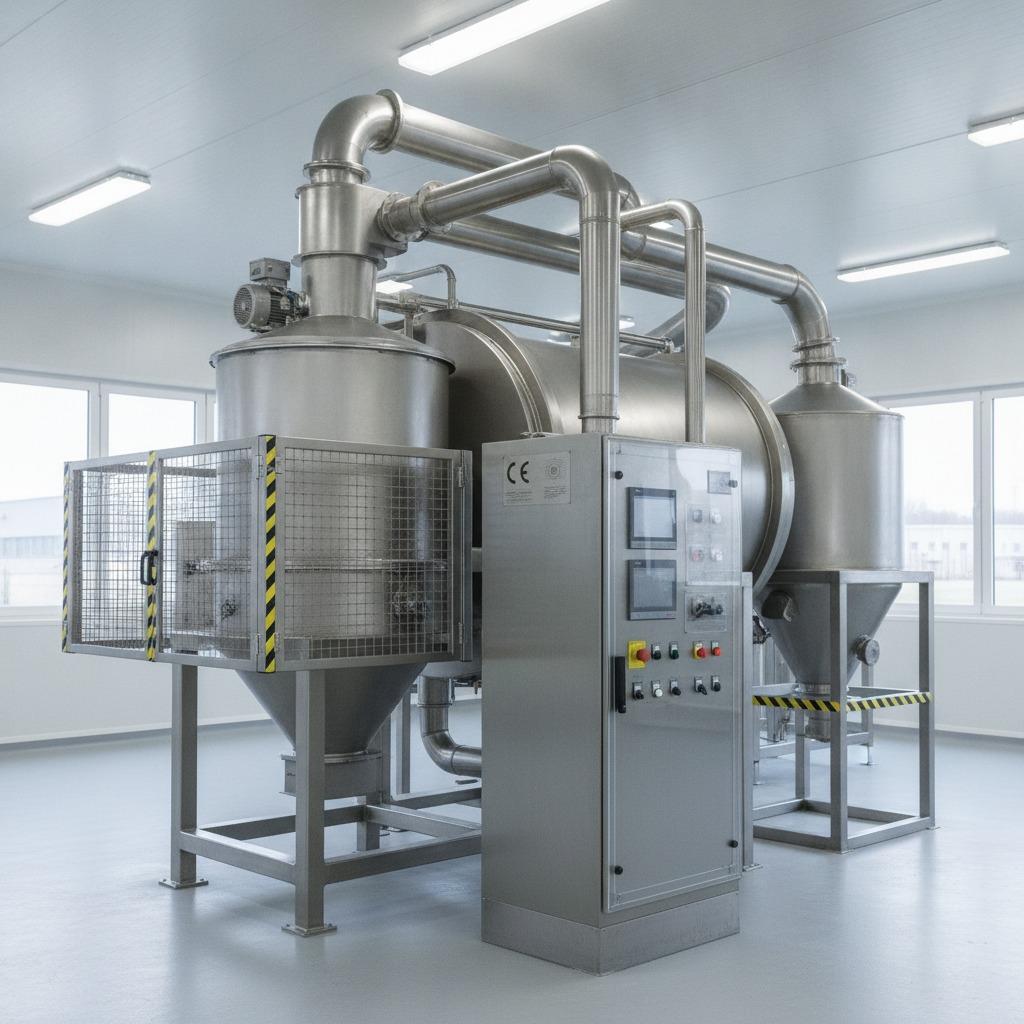
When evaluating industrial mixing equipment, several features stand out for their contribution to operational excellence. Durability is a primary concern, with many models constructed from high-grade stainless steel to withstand corrosive environments and frequent use. This material choice not only extends the lifespan of the equipment but also facilitates easy cleaning and maintenance, crucial for industries adhering to GMP standards. Additionally, the incorporation of three-dimensional movement in certain blending machinery enhances mixing uniformity by simulating natural tumbling, which eliminates dead zones and promotes faster blend times. Control systems in modern powder mixers offer programmable settings for speed and duration, allowing operators to fine-tune processes for optimal outcomes. Safety elements, such as secure lids and protective railings, further underscore the thoughtful design behind these machines, prioritizing user protection without sacrificing efficiency.
Applications Across Industries
The versatility of industrial mixing equipment makes it applicable in a wide array of sectors, each benefiting from tailored blending solutions. In the pharmaceutical industry, powder mixers ensure the homogeneous distribution of active ingredients in formulations, critical for drug efficacy and patient safety. Food manufacturers rely on blending machinery to combine spices, flavors, and additives uniformly, preserving taste and texture while meeting regulatory requirements. Chemical producers use these tools for creating stable compounds, where precise mixing prevents reactions that could compromise product quality. Even in cosmetics and nutraceuticals, industrial mixing equipment supports the development of consistent blends, from lotions to supplements. By adapting to various batch sizes—from small R&D runs to large-scale production—these machines help businesses maintain flexibility and responsiveness to market demands.
Choosing the Right Industrial Mixing Equipment
Selecting appropriate industrial mixing equipment requires careful consideration of your specific operational needs and material characteristics. Begin by assessing the type of materials you'll be handling; for example, fragile powders benefit from gentle-action powder mixers, while denser granules may require robust blending machinery with higher torque capabilities. Capacity is another key factor—ensure the equipment can accommodate your typical batch volumes without frequent reloading, which could disrupt efficiency. Energy efficiency should not be overlooked, as modern designs in industrial mixing equipment often incorporate low-power motors and optimized geometries to reduce operational costs and environmental impact. Consulting with experts or reviewing case studies can provide insights into real-world performance, helping you avoid common pitfalls like over-mixing, which might degrade materials. Ultimately, the goal is to choose equipment that aligns with your production goals, offering scalability and ease of integration into existing lines.
Maintenance and Best Practices for Longevity
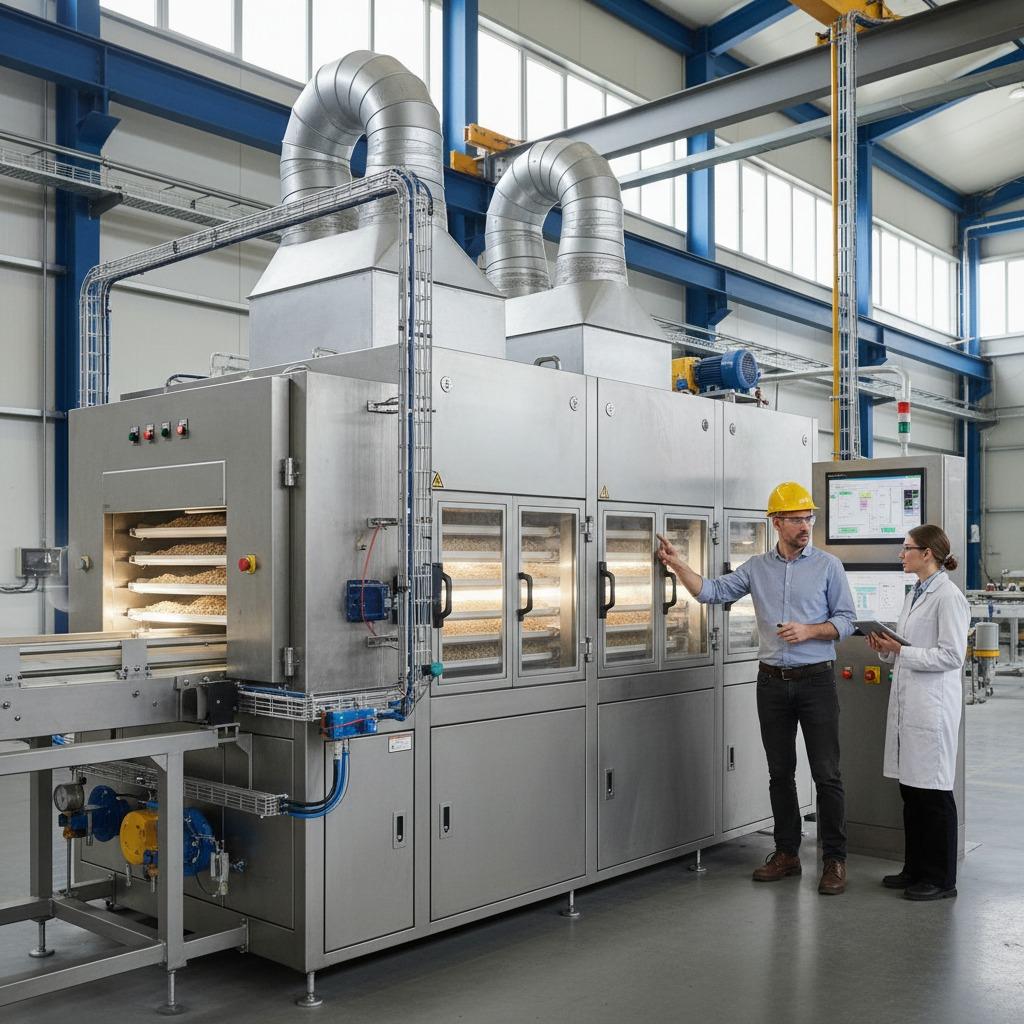
To maximize the return on investment in industrial mixing equipment, regular maintenance is essential. Start with daily inspections of components like seals and bearings in blending machinery to catch wear early, preventing costly breakdowns. Cleaning protocols for powder mixers should be rigorous, using validated methods to eliminate residues and avoid cross-contamination between batches. Lubrication schedules, as recommended by manufacturers, keep moving parts functioning smoothly, while calibration of controls ensures accurate mixing parameters. Training staff on proper usage of industrial mixing equipment not only boosts safety but also extends equipment life by minimizing misuse. Implementing a predictive maintenance program, possibly with IoT-enabled monitoring, can forecast issues before they arise, ensuring uninterrupted operations. By following these practices, companies can achieve higher uptime and sustained performance from their blending machinery and powder mixers.
The Future of Industrial Mixing Equipment
Looking ahead, industrial mixing equipment is poised for exciting advancements driven by technology and sustainability. Innovations in blending machinery include AI-driven optimizations that adjust mixing parameters in real-time based on material feedback, enhancing precision and reducing waste. Powder mixers are evolving with eco-friendly features, such as energy-recycling systems and biodegradable components, aligning with global green manufacturing trends. Integration with Industry 4.0 principles allows for seamless data connectivity, enabling remote monitoring and predictive analytics. As industries face increasing pressure to produce high-quality outputs efficiently, the next generation of industrial mixing equipment will likely emphasize modularity and customization, allowing users to adapt machines for multiple applications. Embracing these developments will position businesses at the forefront of efficient, responsible production, ensuring competitiveness in a dynamic market.
In summary, industrial mixing equipment, encompassing sophisticated blending machinery and specialized powder mixers, remains a cornerstone of efficient manufacturing. By understanding its features, applications, and maintenance needs, operations can achieve superior blending results that drive productivity and quality.