Exploring the Essentials of Industrial Drying Technology
Industrial drying technology forms the backbone of many manufacturing processes, enabling efficient moisture removal from materials across various sectors. This technology is crucial for industries like pharmaceuticals, chemicals, and food production, where precision and speed are paramount. By incorporating advanced methods, industrial drying technology ensures product quality while minimizing energy consumption and operational costs. In this article, we delve into the fundamentals of industrial drying technology, highlighting its innovations and applications to help businesses optimize their production lines.
The Evolution and Importance of Drying Technology Innovations
Drying technology innovations have transformed traditional drying methods, introducing smarter, more sustainable solutions. Historically, drying relied on basic air exposure or sun drying, but modern innovations incorporate automation, sensors, and energy-efficient designs to achieve superior results. For instance, drying technology innovations now include real-time monitoring systems that adjust parameters dynamically, reducing waste and improving throughput. These advancements address challenges like uneven drying or high energy use, making processes more reliable.
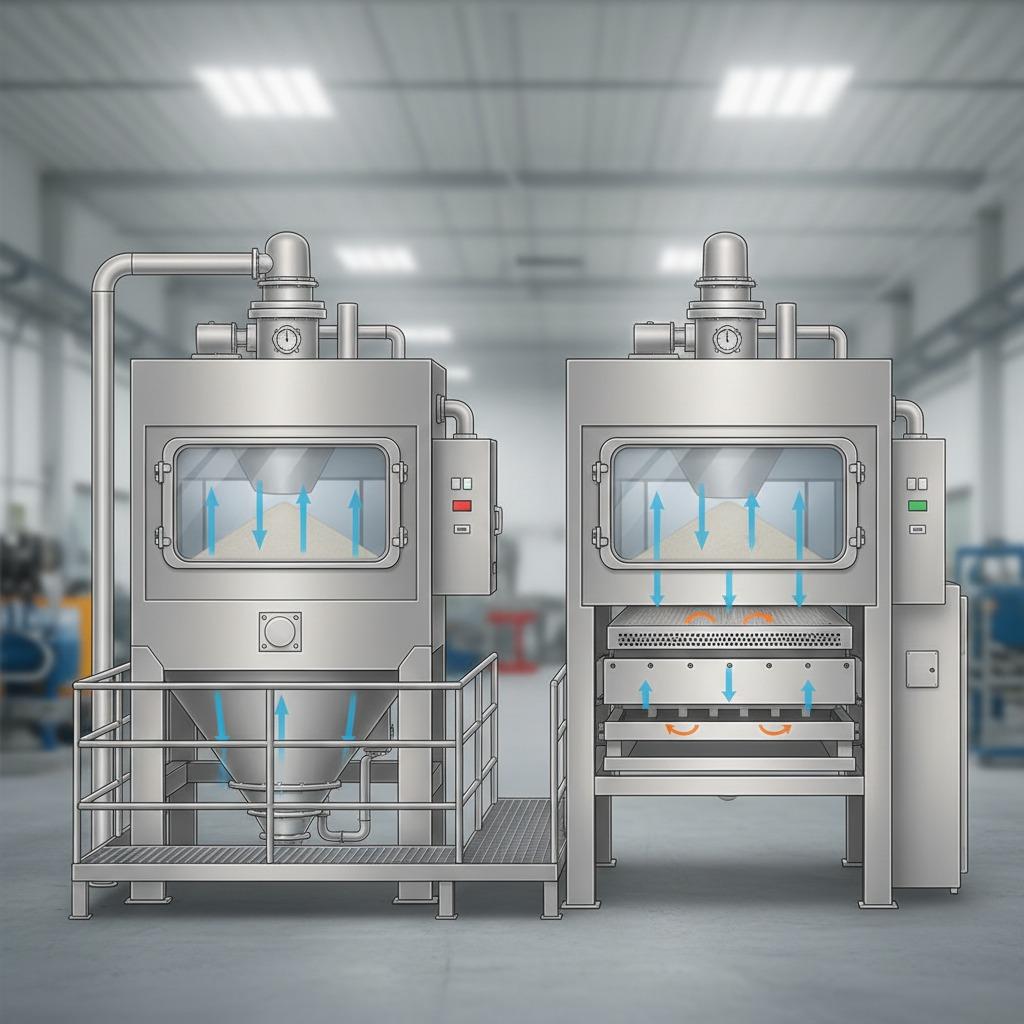
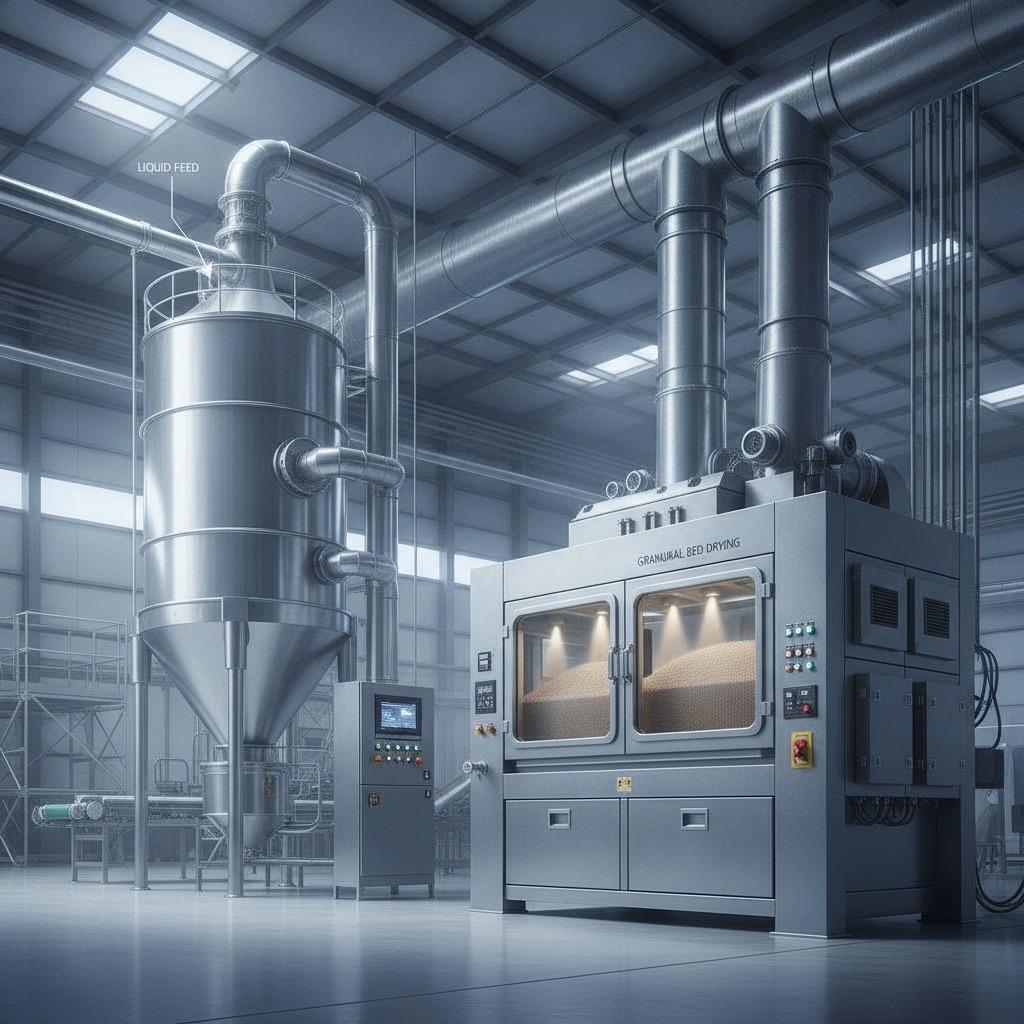
One key area of drying technology innovations is the integration of fluid bed principles, where materials are suspended in a stream of hot air, promoting uniform heat transfer. This not only speeds up drying but also preserves the integrity of sensitive products. In pharmaceutical applications, such innovations ensure compliance with stringent hygiene standards, preventing contamination. Companies adopting these innovations report up to 30% reductions in drying times, directly impacting profitability. As environmental regulations tighten, drying technology innovations also focus on lowering carbon footprints through heat recovery systems and renewable energy compatibility.
Moreover, the push for scalability in drying technology innovations allows for seamless transitions from lab-scale to industrial operations. Researchers and engineers continue to explore nanomaterials and AI-driven controls to further enhance efficiency. These developments underscore how drying technology innovations are not just about speed but about creating versatile systems adaptable to diverse material types, from granules to viscous pastes.
Understanding Continuous Drying Systems for High-Volume Production
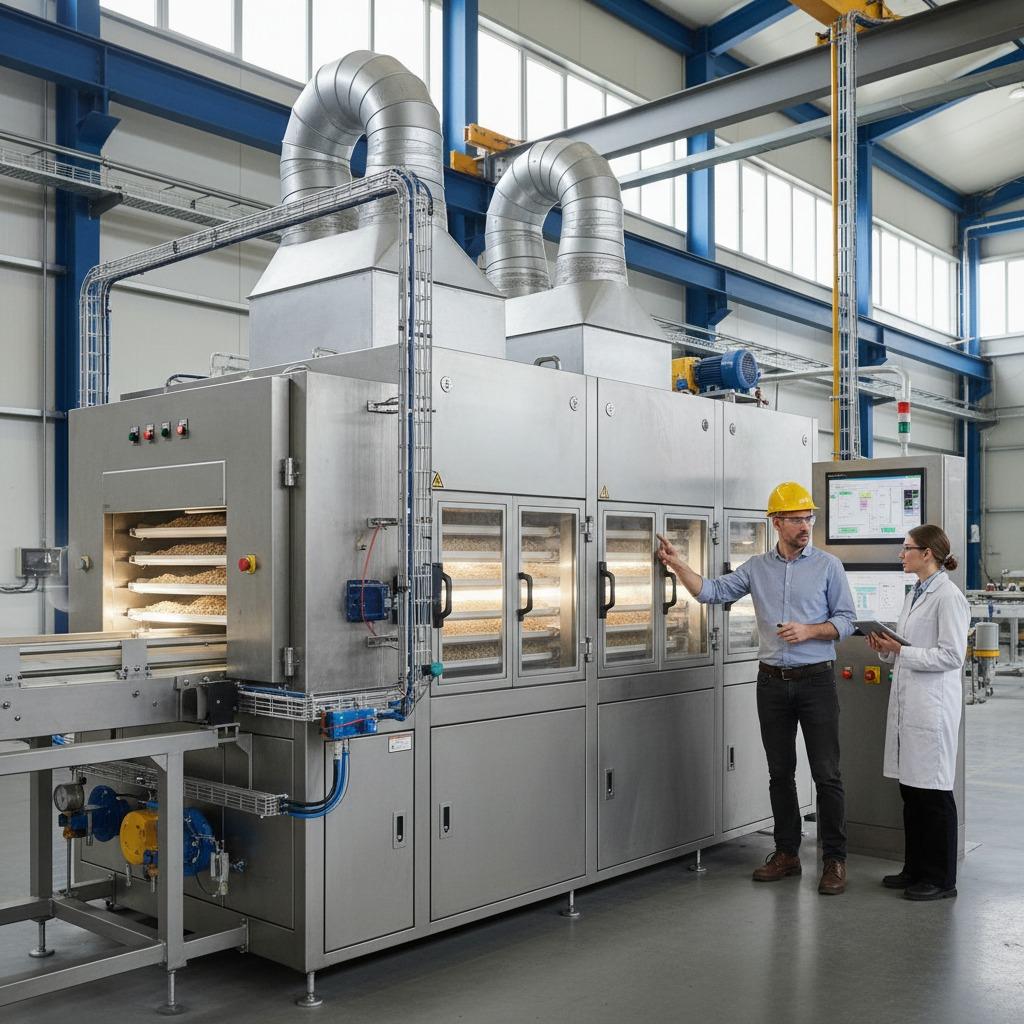
Continuous drying systems represent a cornerstone of industrial drying technology, designed for uninterrupted operation in high-volume environments. Unlike batch processes, continuous drying systems feed materials steadily through drying zones, ensuring consistent output and minimal downtime. This setup is particularly beneficial in the food industry, where products like grains or spices require rapid processing to maintain freshness.
The mechanics of continuous drying systems involve conveyor belts or pneumatic transport that move materials through heated chambers. Airflow and temperature are precisely controlled to evaporate moisture without degrading quality. In chemical manufacturing, continuous drying systems handle powders and slurries efficiently, preventing clumping and ensuring homogeneity. Their modular design allows for easy expansion, making them ideal for growing operations.
Efficiency in continuous drying systems is enhanced by features like variable speed drives and automated moisture sensors, which optimize energy use. For example, in producing dried fruits, these systems can reduce moisture content to below 5% while preserving nutritional value. Maintenance is streamlined with self-cleaning mechanisms, cutting operational costs over time. As industries scale up, the reliability of continuous drying systems becomes indispensable, supporting just-in-time manufacturing and global supply chains.
Adopting continuous drying systems also aligns with lean production principles, minimizing inventory and maximizing resource utilization. Case studies from leading manufacturers show productivity gains of 50% or more when switching to these systems. Overall, they embody the practical evolution of industrial drying technology, balancing speed, quality, and sustainability.
Advancements in Vacuum Drying Technology for Sensitive Materials
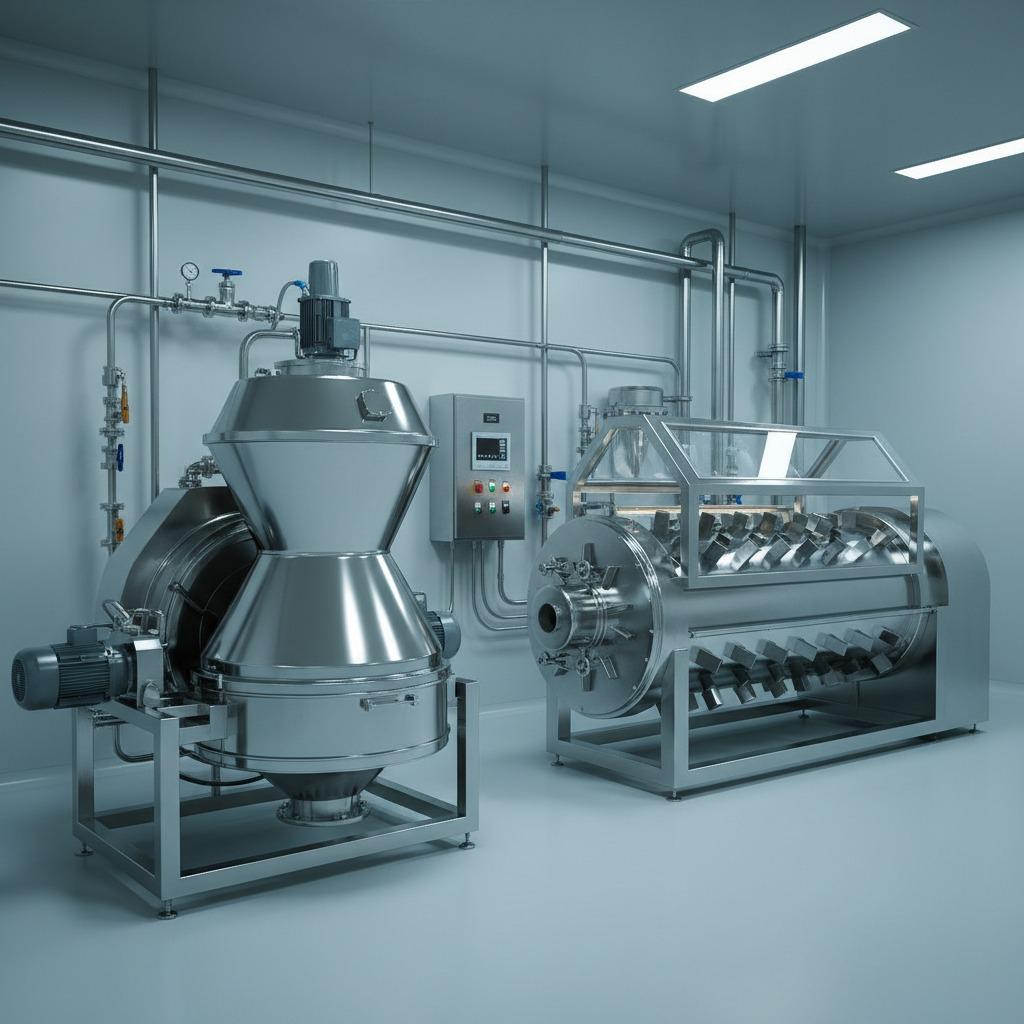
Vacuum drying technology offers a specialized approach within industrial drying technology, ideal for heat-sensitive materials that could degrade under standard conditions. By operating in a low-pressure environment, vacuum drying lowers the boiling point of water, allowing gentle drying at reduced temperatures. This method is widely used in pharmaceuticals for drying active ingredients, ensuring potency and stability.
The process begins with placing materials in a sealed chamber where a vacuum pump removes air, creating the necessary conditions. Heat is applied indirectly through conduction or radiation, preventing hotspots. Vacuum drying technology excels in handling organic compounds, extracts, and biologics, where preserving molecular structure is critical. Its closed system also minimizes oxidation, extending shelf life.
Innovations in vacuum drying technology include hybrid systems combining microwave assistance for faster evaporation without compromising delicacy. In the food sector, it's used for drying herbs and proteins, retaining flavors and nutrients that convection methods might destroy. Energy efficiency is another advantage, as the vacuum reduces the energy needed for phase change.
For chemical industries, vacuum drying technology prevents hazardous reactions by controlling oxygen levels. Modern units feature programmable controls for precise pressure and temperature ramps, adaptable to batch sizes from small R&D to large production. Safety features like explosion-proof designs make it suitable for volatile substances. As demand for high-purity products grows, vacuum drying technology continues to refine its role in industrial drying technology.
Spotlight on Cutting-Edge Equipment: FG-120 Fluid Bed Dryer and FG-60 Boiling Dryer
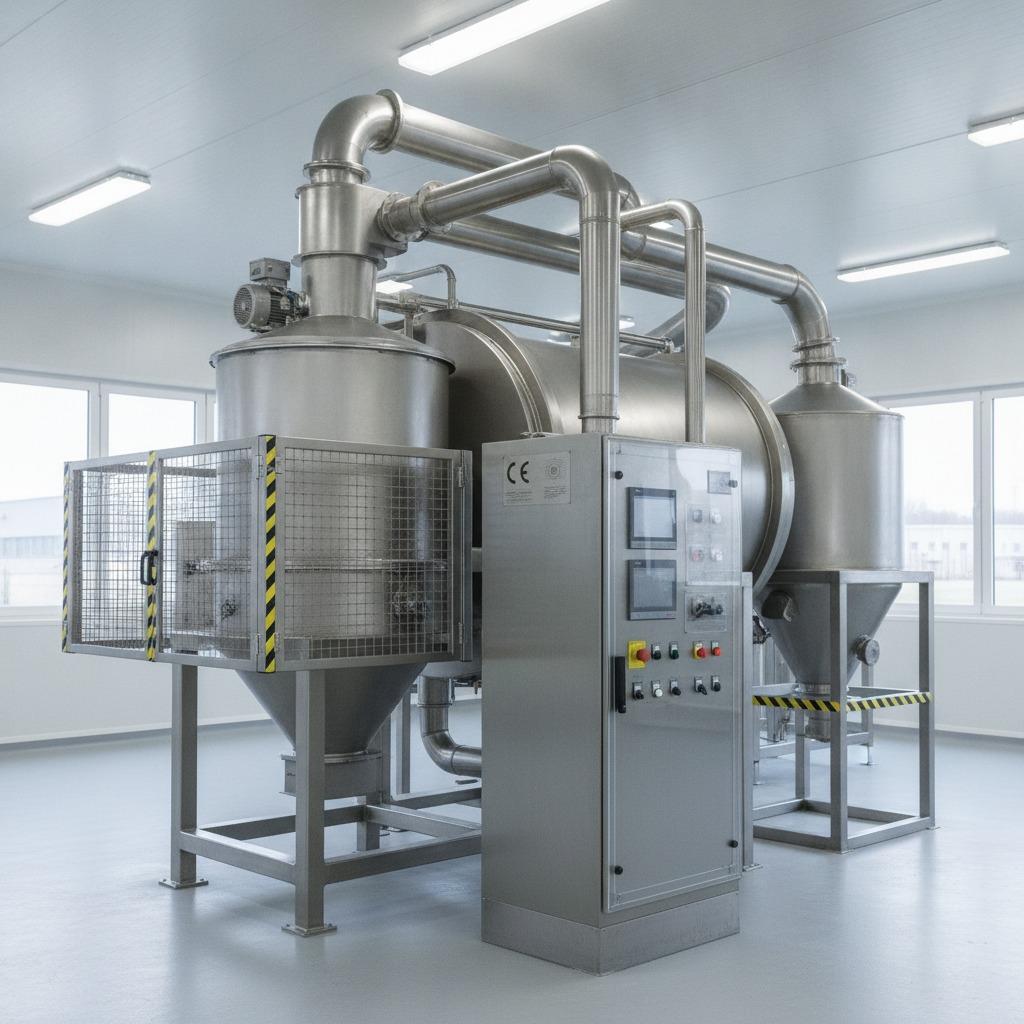
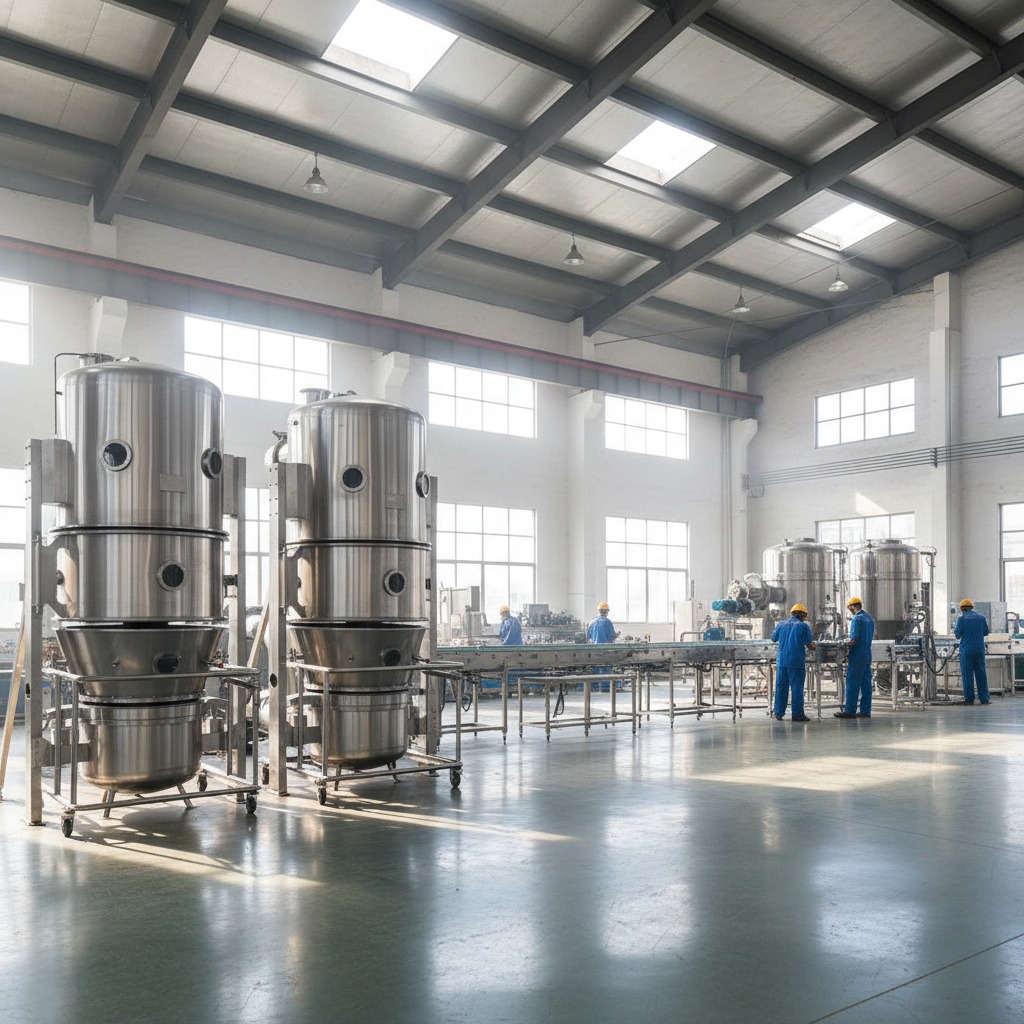
In the realm of industrial drying technology, specialized equipment like the FG-120 Fluid Bed Dryer exemplifies the integration of drying technology innovations with practical design. Constructed from high-quality stainless steel, the FG-120 ensures durability and compliance with hygiene standards essential for pharmaceutical, chemical, and food industries. Its cylindrical chambers, equipped with multiple inspection windows, provide clear visibility for monitoring fluidization processes, where hot air suspends materials for even drying.
The FG-120's design promotes optimal heat distribution, reducing drying times while enhancing product uniformity. Mounted on sturdy frames with wheels, it offers mobility without sacrificing stability, fitting seamlessly into dynamic production environments. This versatility makes it suitable for drying granules, powders, or pellets, aligning with continuous drying systems for scalable operations. Users appreciate its user-friendly interface, which simplifies adjustments for various batch requirements.
Similarly, the FG-60 Boiling Dryer advances vacuum drying technology principles in a boiling fluid bed setup. Also made from corrosion-resistant stainless steel, it optimizes airflow through its cylindrical structure, ensuring thorough moisture removal. Key elements include viewing ports for process oversight and a robust control panel managing temperature and airflow precisely. Ideal for sensitive applications, the FG-60 supports industries needing reliable, standards-compliant drying.
Both machines highlight how industrial drying technology evolves through equipment like these, combining efficiency with modern aesthetics. Their polished finishes and wheeled bases facilitate easy integration into high-tech setups. By leveraging such tools, businesses can achieve superior results in drying technology innovations, from faster cycles to better quality control.
Future Trends and Benefits of Implementing Industrial Drying Technology
Looking ahead, industrial drying technology is poised for further breakthroughs, driven by sustainability and digitalization. Trends include IoT-enabled systems for predictive maintenance and AI optimization, enhancing continuous drying systems' performance. Vacuum drying technology will likely incorporate greener refrigerants and solar-assisted heating, reducing environmental impact.
The benefits of industrial drying technology are multifaceted: it boosts productivity, ensures product safety, and cuts costs. For instance, adopting fluid bed dryers like the FG-120 can lower energy use by 20-40% compared to older methods. In pharmaceuticals, it guarantees batch consistency, vital for regulatory approval. Food processors benefit from extended shelf lives, reducing spoilage.
Chemicals industries gain from precise control, minimizing impurities. Overall, investing in industrial drying technology yields long-term returns through operational excellence. As markets demand faster, eco-friendly processes, staying abreast of drying technology innovations positions companies for success. Whether through continuous drying systems or vacuum drying technology, these solutions drive innovation and efficiency in manufacturing.
In summary, industrial drying technology is indispensable for modern industry, offering tools to meet diverse needs while advancing sustainability. Exploring options like the FG-120 and FG-60 ensures businesses remain competitive in an evolving landscape.