Understanding the Horizontal Spray Dryer: A Key Innovation in Spray Drying Technology
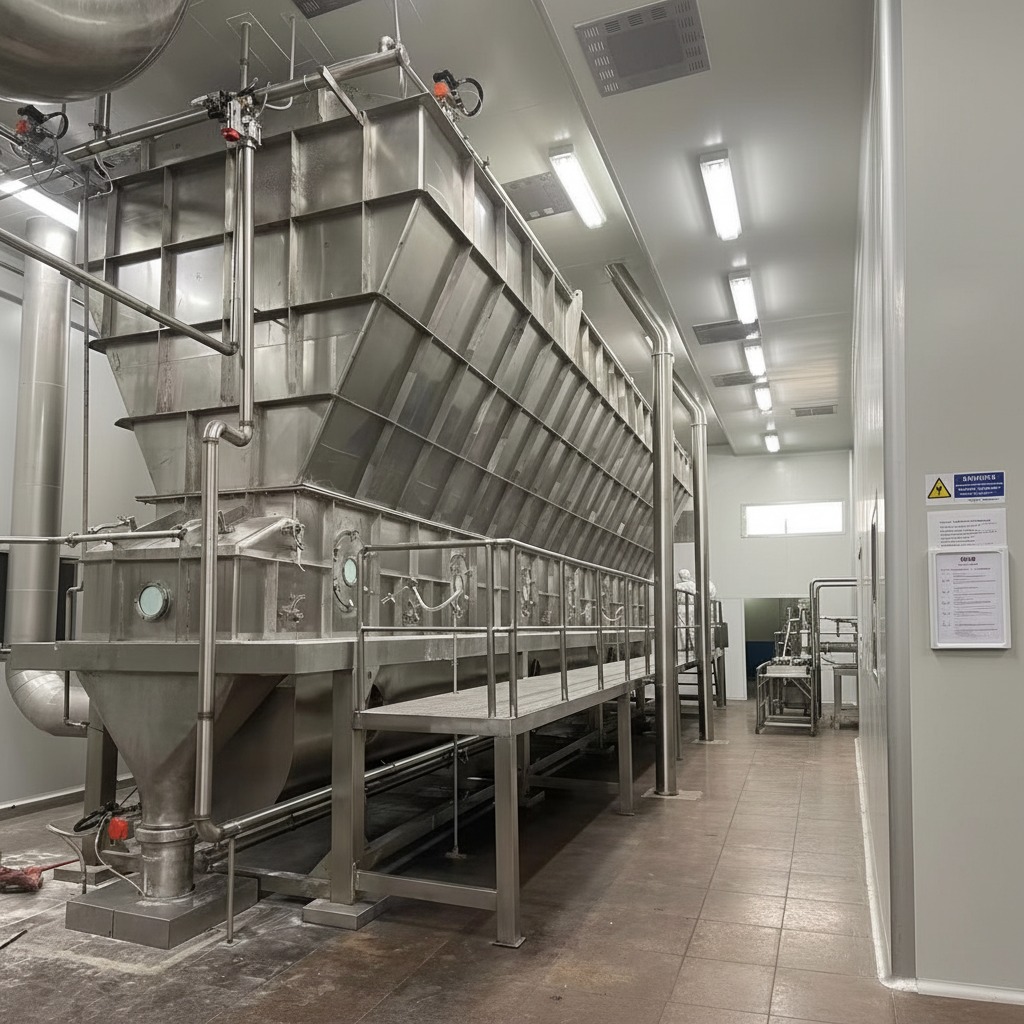
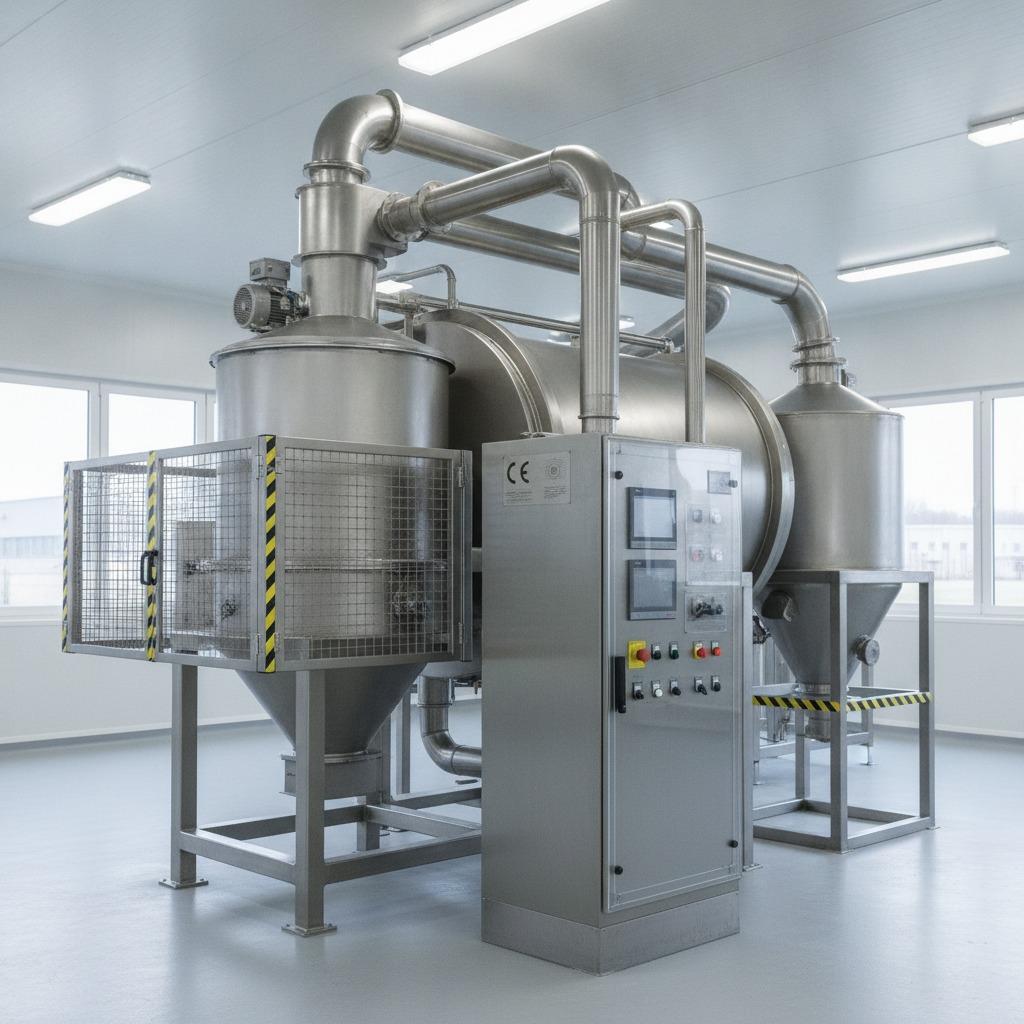
In the world of industrial processing, the horizontal spray dryer stands out as a vital piece of equipment designed to transform liquid solutions into dry powders efficiently. This machine leverages spray drying technology to achieve uniform drying, making it indispensable in sectors like pharmaceuticals, food production, and chemicals. As industries seek more effective horizontal drying equipment, the horizontal spray dryer offers a streamlined alternative to traditional vertical models, ensuring better space utilization and continuous operation.
The Fundamentals of Spray Drying Technology in Horizontal Configurations
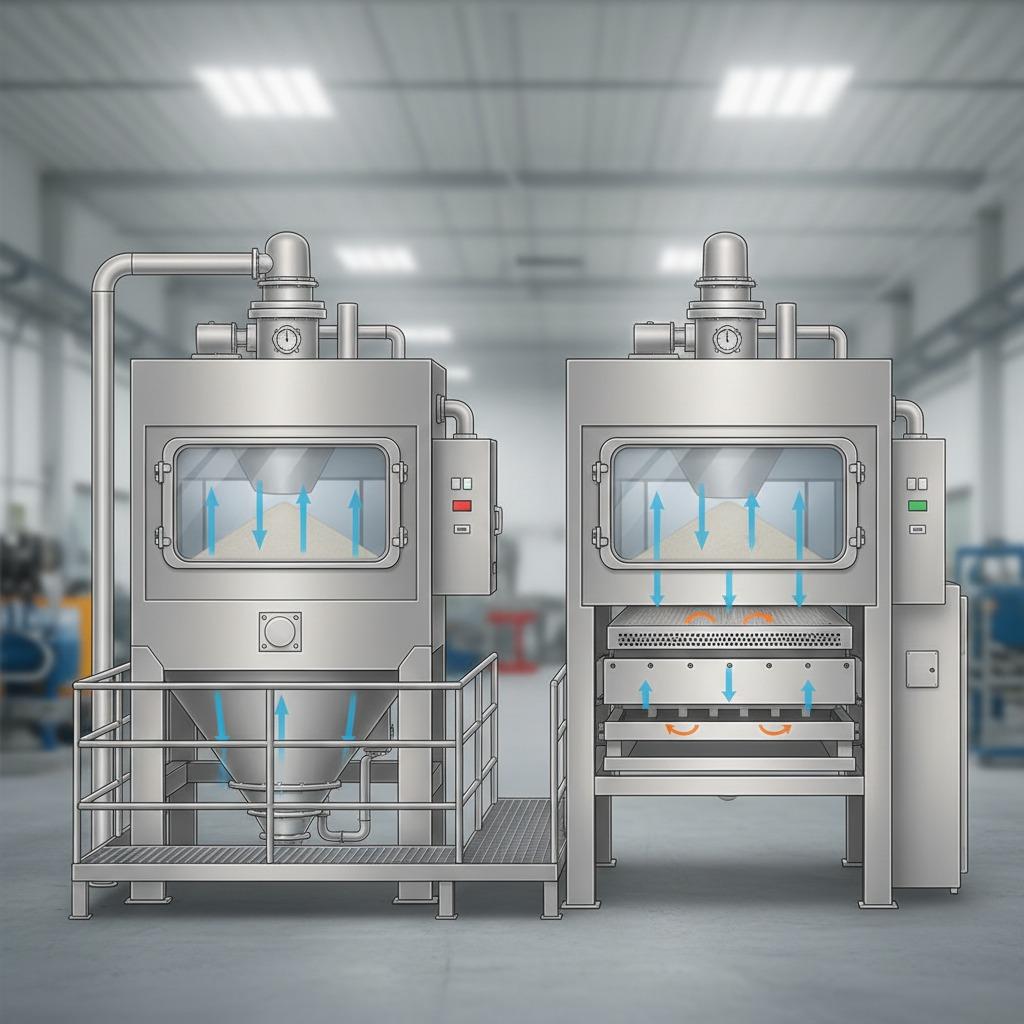
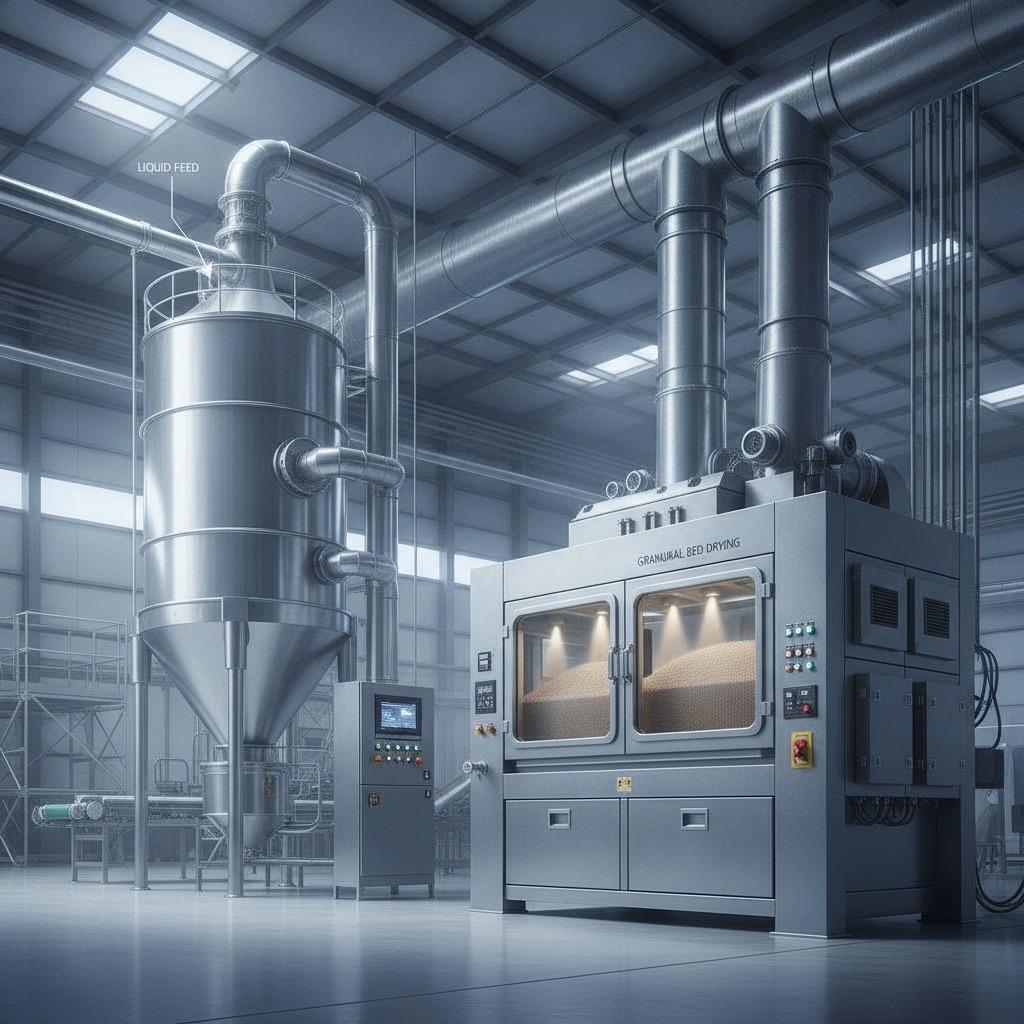
Spray drying technology involves atomizing a liquid feed into a hot gas stream, where rapid evaporation dries the droplets into fine powders. The horizontal spray dryer adapts this process into a linear, horizontal chamber, allowing for a more compact footprint compared to vertical towers. This design is particularly beneficial in facilities with height limitations, enabling seamless integration into existing production lines. Key to its operation is the precise control of airflow and temperature, which prevents material degradation and ensures product quality. For instance, in food processing, this technology preserves nutritional value by minimizing exposure time to heat. Horizontal drying equipment like this not only boosts throughput but also reduces energy consumption through optimized gas flow paths.
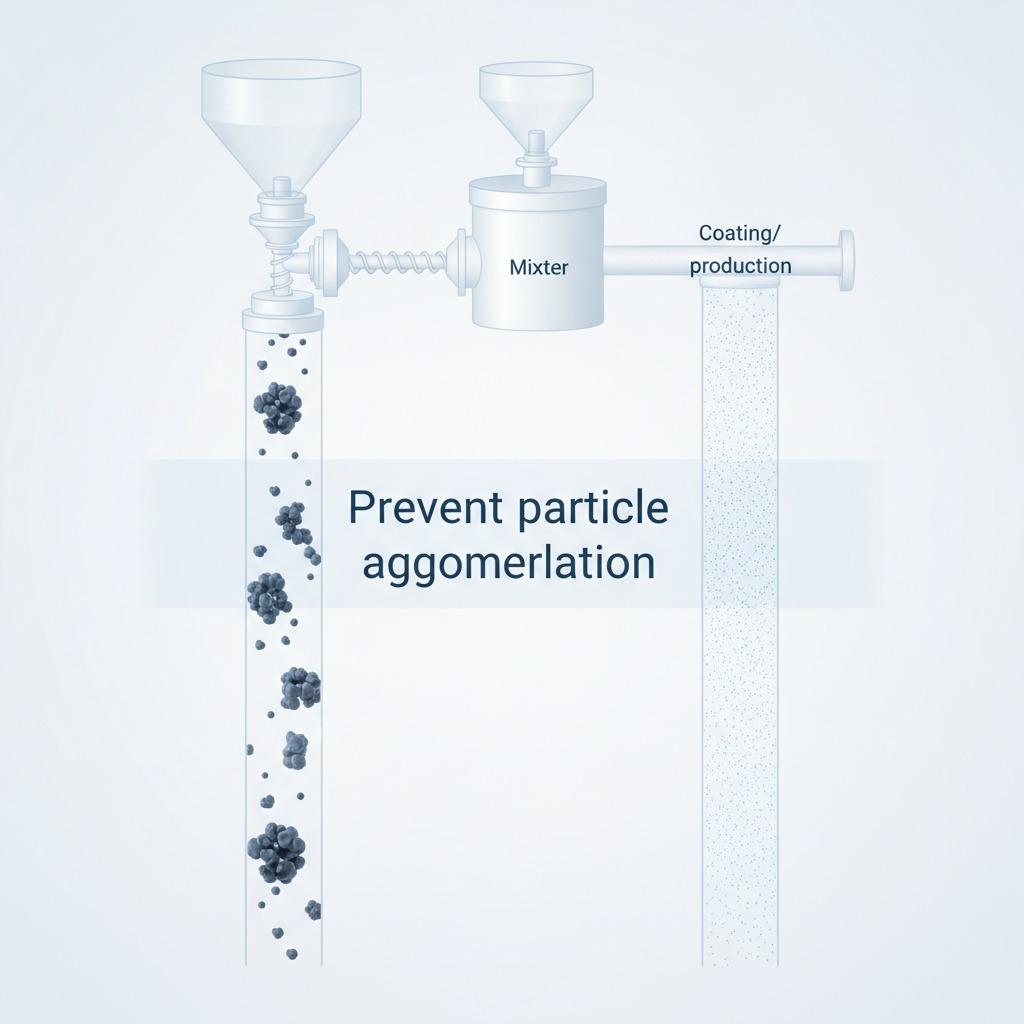
The evolution of spray drying technology has led to innovations such as multi-nozzle atomizers and advanced control systems, which enhance the horizontal spray dryer's performance. These features allow for adjustable particle sizes, catering to diverse applications from instant coffee production to pharmaceutical excipients. By maintaining a consistent drying environment, the horizontal spray dryer minimizes agglomeration and improves powder flowability, which is crucial for downstream processing.
Advantages of Horizontal Drying Equipment Over Traditional Dryers
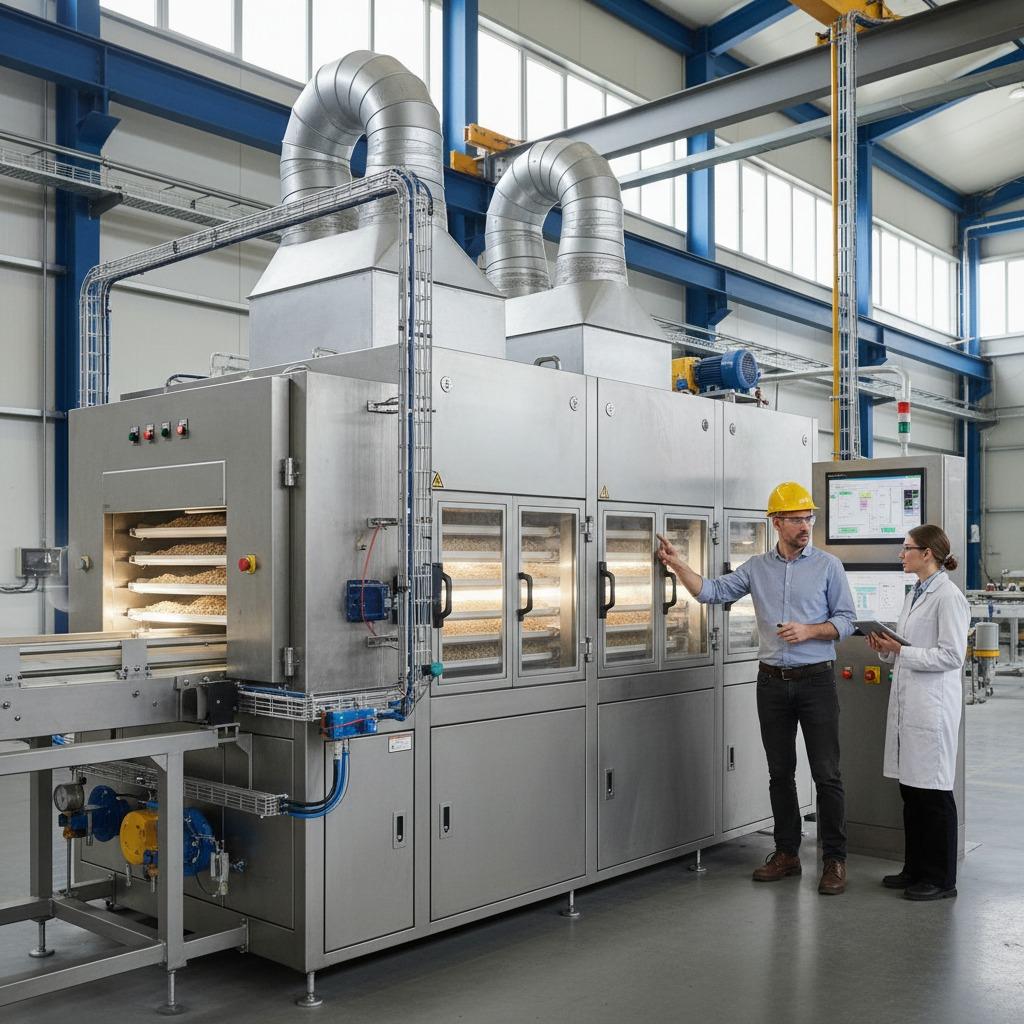
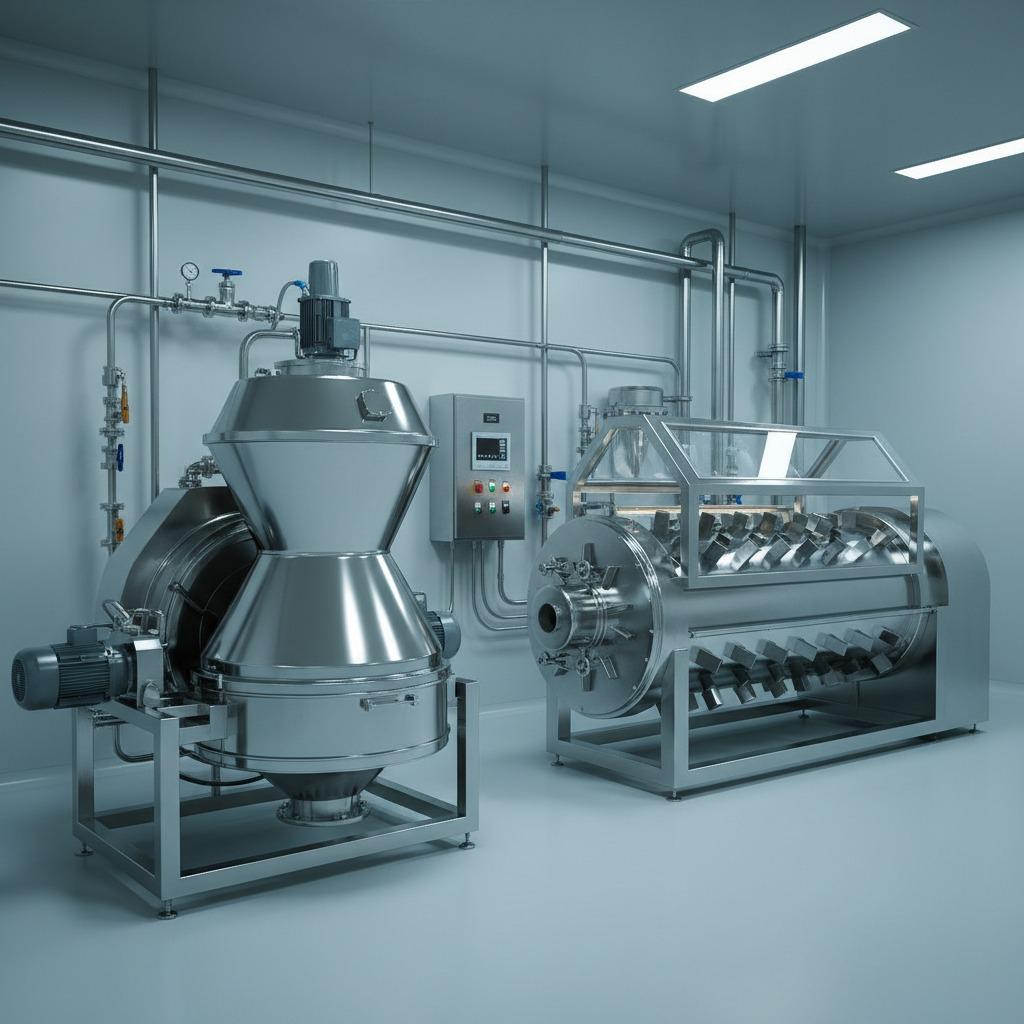
One of the primary benefits of horizontal drying equipment is its enhanced accessibility for maintenance and cleaning. Unlike vertical spray dryers, the horizontal layout allows operators to reach all components without extensive scaffolding, reducing downtime and labor costs. This is especially important in hygiene-sensitive industries like pharmaceuticals, where contamination risks must be strictly controlled. The horizontal spray dryer often incorporates stainless steel construction, providing corrosion resistance and longevity, much like the robust designs seen in fluidized bed dryers used for similar purposes.
Furthermore, the horizontal configuration supports continuous processing, ideal for high-volume operations. Spray drying technology in this format enables better heat transfer efficiency due to the extended contact time between droplets and drying air along the horizontal path. This results in higher yields and lower operational costs. For chemical manufacturers, horizontal drying equipment facilitates the handling of heat-sensitive materials, preventing thermal decomposition and ensuring consistent particle morphology. Integration with automated systems further amplifies these advantages, allowing real-time monitoring and adjustments to optimize the drying parameters.
In comparison to batch dryers, the horizontal spray dryer offers scalability, making it suitable for both pilot-scale testing and full production runs. Its ability to handle viscous feeds without clogging nozzles sets it apart, providing reliability in demanding environments. Industries adopting this technology report up to 20% improvements in energy efficiency, underscoring its role in sustainable manufacturing practices.
Applications and Integration of Horizontal Spray Dryers in Modern Industries
The horizontal spray dryer finds extensive use in the food industry for creating powdered milk, flavors, and additives. Here, spray drying technology ensures that the final product retains flavor and solubility, essential for consumer goods. In pharmaceuticals, it is employed to produce inhalable powders and tablet coatings, where precise control over particle size distribution is paramount. The horizontal drying equipment's design allows for easy adaptation to GMP standards, facilitating clean-in-place (CIP) systems that maintain sterility.
Chemical processing benefits from the horizontal spray dryer's ability to dry slurries and solutions into uniform powders for catalysts and pigments. This equipment's modular design supports customization, such as adding cyclones for powder recovery or heat exchangers for energy recycling. For environmental applications, it aids in drying wastewater sludges, transforming waste into reusable materials. The synergy with upstream processes, like mixing and filtration, creates a cohesive workflow, enhancing overall plant efficiency.
Beyond core applications, the horizontal spray dryer is increasingly integrated with digital twins and IoT sensors for predictive maintenance. This forward-thinking approach, rooted in spray drying technology, helps industries anticipate issues like nozzle wear or airflow imbalances, ensuring uninterrupted production. Case studies from leading manufacturers demonstrate how switching to horizontal drying equipment has increased output by 30% while reducing waste.
Key Design Features and Operational Best Practices for Horizontal Spray Dryers
A typical horizontal spray dryer features a long, cylindrical chamber with inlet and outlet ports aligned horizontally. Hot air enters from one end, co-current or counter-current to the atomized spray, promoting efficient evaporation. Advanced models include variable frequency drives for fan speed control, optimizing energy use based on load. Safety features such as explosion vents and temperature interlocks are standard, protecting operators in volatile material handling.
To maximize performance, operators should focus on feed preparation, ensuring consistent viscosity to avoid uneven drying. Regular calibration of nozzles prevents droplet size variations, which can affect powder quality. Spray drying technology thrives on balanced air-to-liquid ratios; monitoring these ensures optimal residence times in the horizontal chamber. For horizontal drying equipment, incorporating anti-static measures is advisable when processing fine powders to mitigate dust explosion risks.
Maintenance routines involve inspecting atomizer wheels for wear and cleaning air filters to sustain airflow. Utilizing high-grade materials like stainless steel enhances durability, similar to the corrosion-resistant builds in fluidized bed systems. Training personnel on these aspects ensures the horizontal spray dryer operates at peak efficiency, contributing to long-term cost savings and product consistency.
Future Trends in Horizontal Spray Drying Technology
Looking ahead, advancements in spray drying technology are poised to make horizontal drying equipment even more versatile. Innovations like hybrid systems combining spray and fluidized bed drying promise reduced energy needs and finer particle control. Sustainability drives the development of low-temperature drying modes, using dehumidified air to lower thermal inputs without compromising speed.
The integration of AI for process optimization is another trend, enabling horizontal spray dryers to self-adjust based on real-time data. This not only improves yield but also supports eco-friendly practices by minimizing emissions. As industries push for greener operations, the horizontal spray dryer's adaptability positions it as a cornerstone of next-generation processing solutions. With ongoing research into novel atomization techniques, such as ultrasonic nozzles, the future holds even greater precision and efficiency for this essential technology.
In summary, the horizontal spray dryer exemplifies how spray drying technology and horizontal drying equipment can revolutionize industrial drying. Its blend of efficiency, versatility, and reliability makes it a smart choice for forward-thinking manufacturers aiming to enhance productivity and quality.