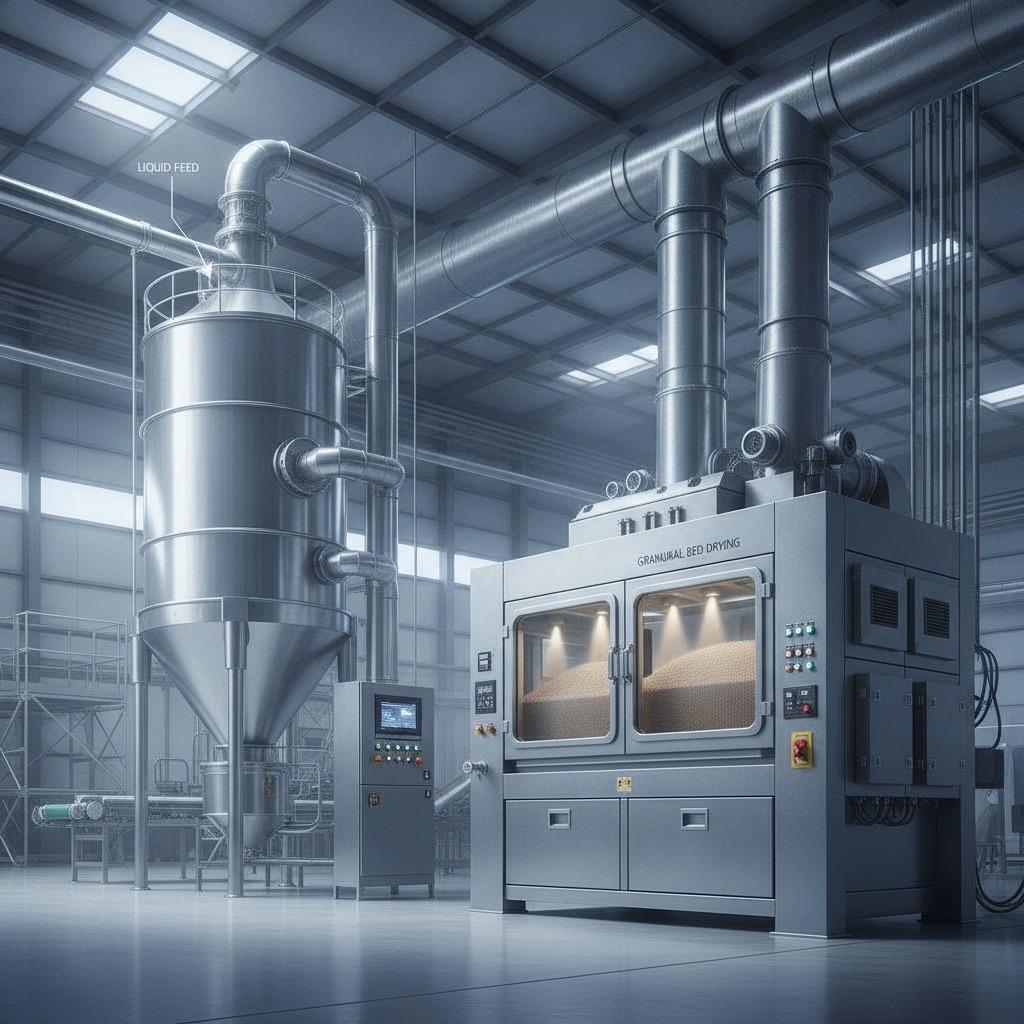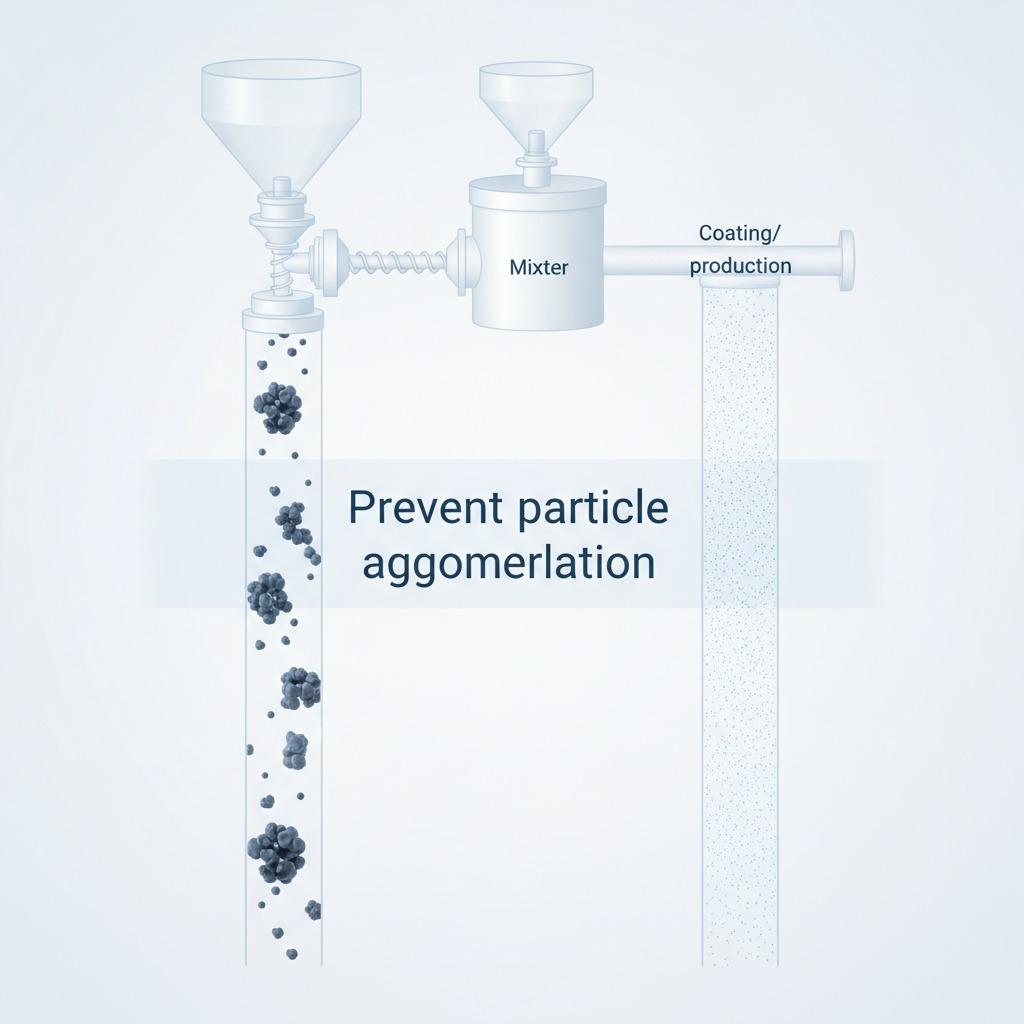
Understanding the Horizontal Spray Dryer: A Key to Efficient Industrial Drying
In the world of industrial processing, the horizontal spray dryer stands out as a vital piece of equipment for transforming liquid feedstocks into dry powders efficiently. This innovative machine is particularly essential in industries like pharmaceuticals, food production, and chemicals, where precise control over moisture removal is crucial. As a cornerstone of spray drying technology, the horizontal spray dryer offers a streamlined approach to handling large volumes of materials while maintaining high standards of quality and hygiene.
The Fundamentals of Spray Drying Technology
Spray drying technology has revolutionized how industries manage dehydration processes by atomizing liquid solutions into fine droplets and exposing them to hot air for rapid evaporation. Unlike traditional drying methods, this technology ensures uniform particle sizes and preserves the nutritional or chemical integrity of the product. The horizontal spray dryer enhances this process by incorporating a horizontal airflow design, which allows for continuous operation and better energy efficiency. This setup is ideal for materials that require gentle handling to avoid degradation.
In practice, spray drying technology begins with the preparation of a liquid feed, which is then pumped into the drying chamber. Nozzles create a mist of droplets that instantly interact with the heated air stream. The horizontal configuration in a horizontal spray dryer means the air flows parallel to the ground, promoting even drying across the entire chamber length. This reduces the risk of uneven exposure and minimizes product loss, making it a preferred choice for high-throughput applications. Industries benefit from this technology's ability to produce free-flowing powders suitable for packaging, storage, and further processing.
Moreover, advancements in spray drying technology have integrated automation features, such as precise temperature controls and variable speed fans, to optimize the drying parameters. For instance, in food manufacturing, this ensures that sensitive ingredients like milk or extracts retain their flavor profiles. The horizontal spray dryer's design also facilitates easier maintenance, with accessible components that allow for quick cleaning and inspection, aligning with stringent regulatory requirements in sectors like nutraceuticals.
Key Features of Horizontal Drying Equipment
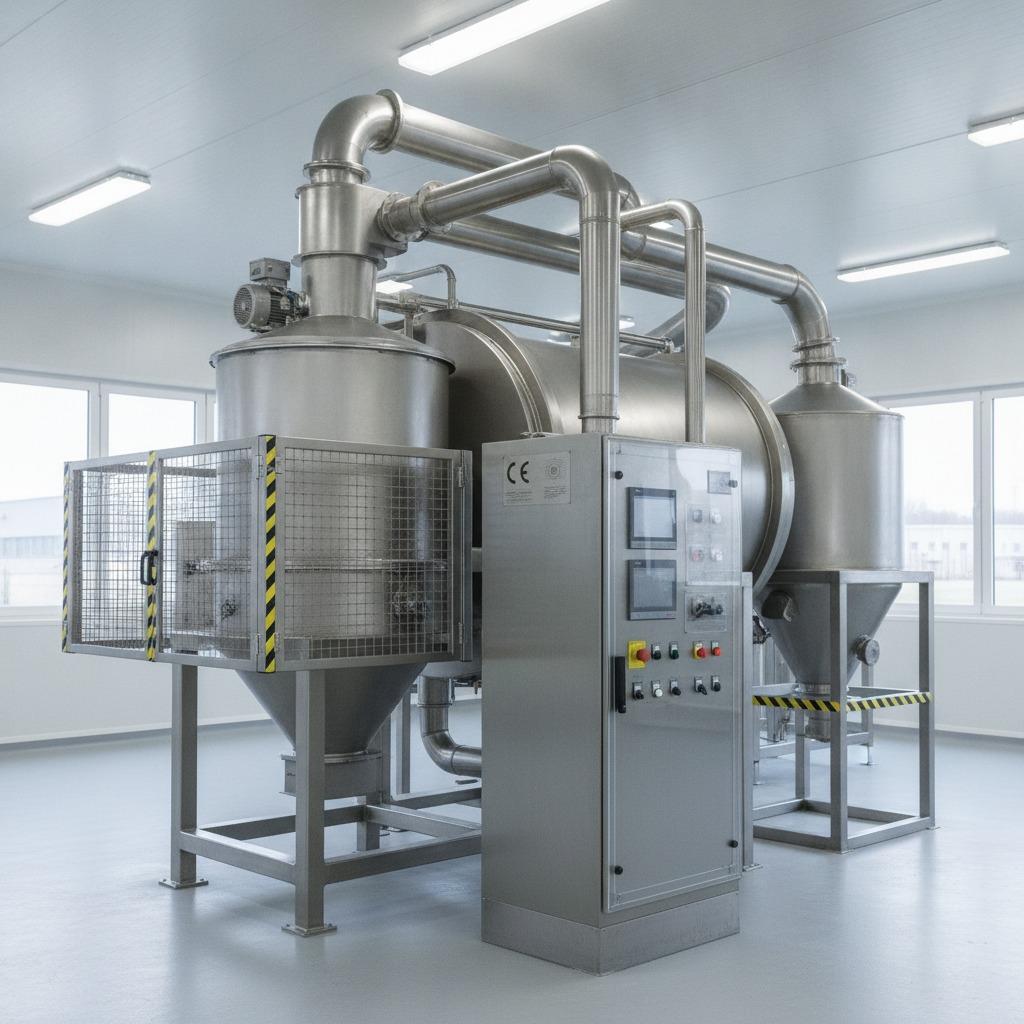
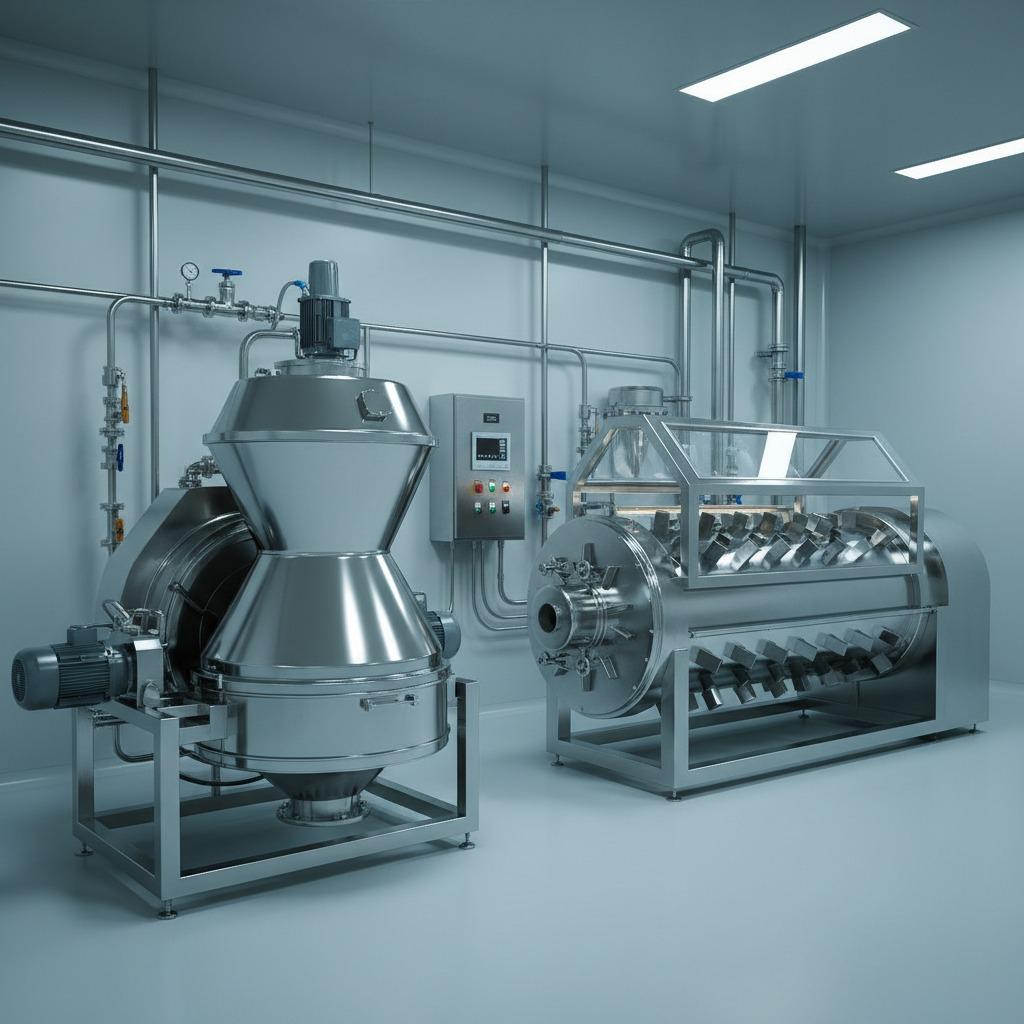
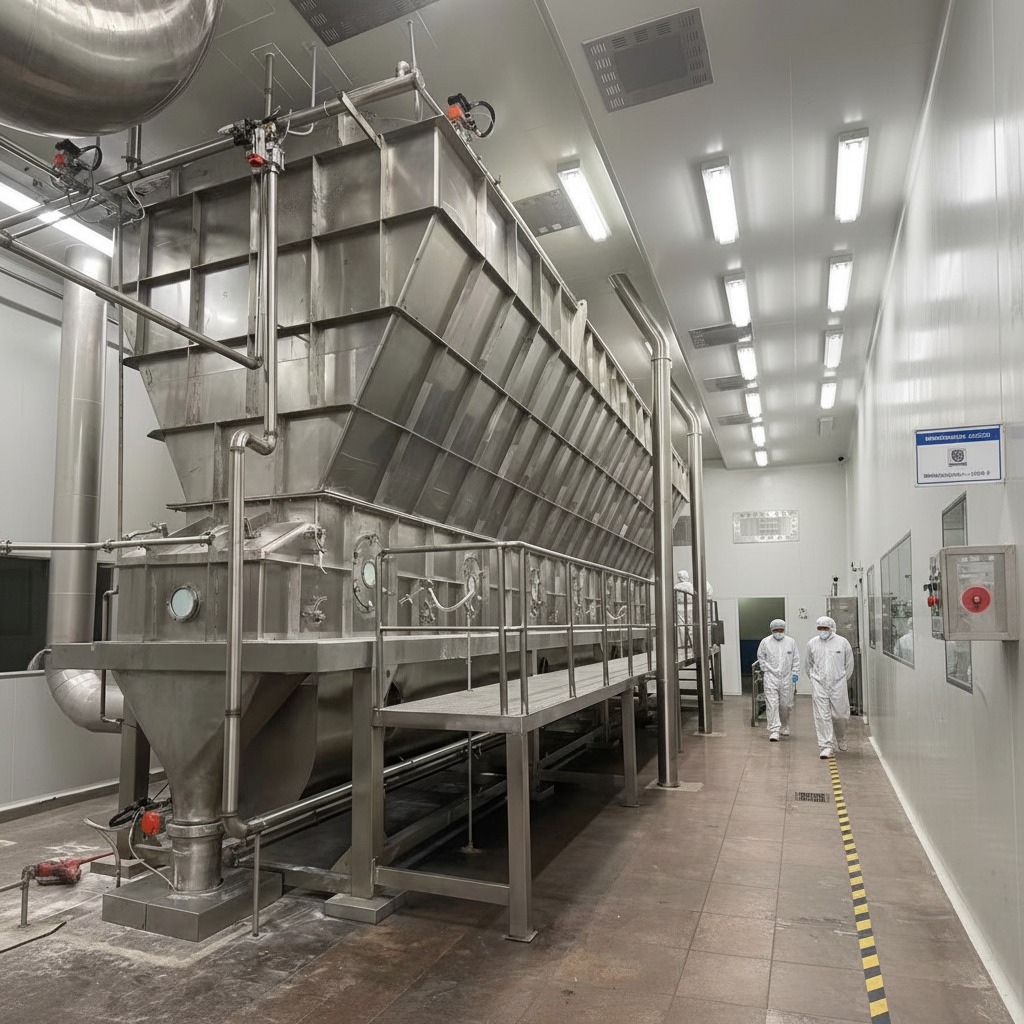
Horizontal drying equipment, exemplified by the horizontal spray dryer, is engineered for robustness and versatility in modern manufacturing environments. Its modular structure often includes a long, rectangular chamber made from high-grade stainless steel, which withstands corrosive conditions and high temperatures. This material choice not only extends the equipment's lifespan but also ensures compliance with food-grade and pharmaceutical standards, reducing contamination risks.
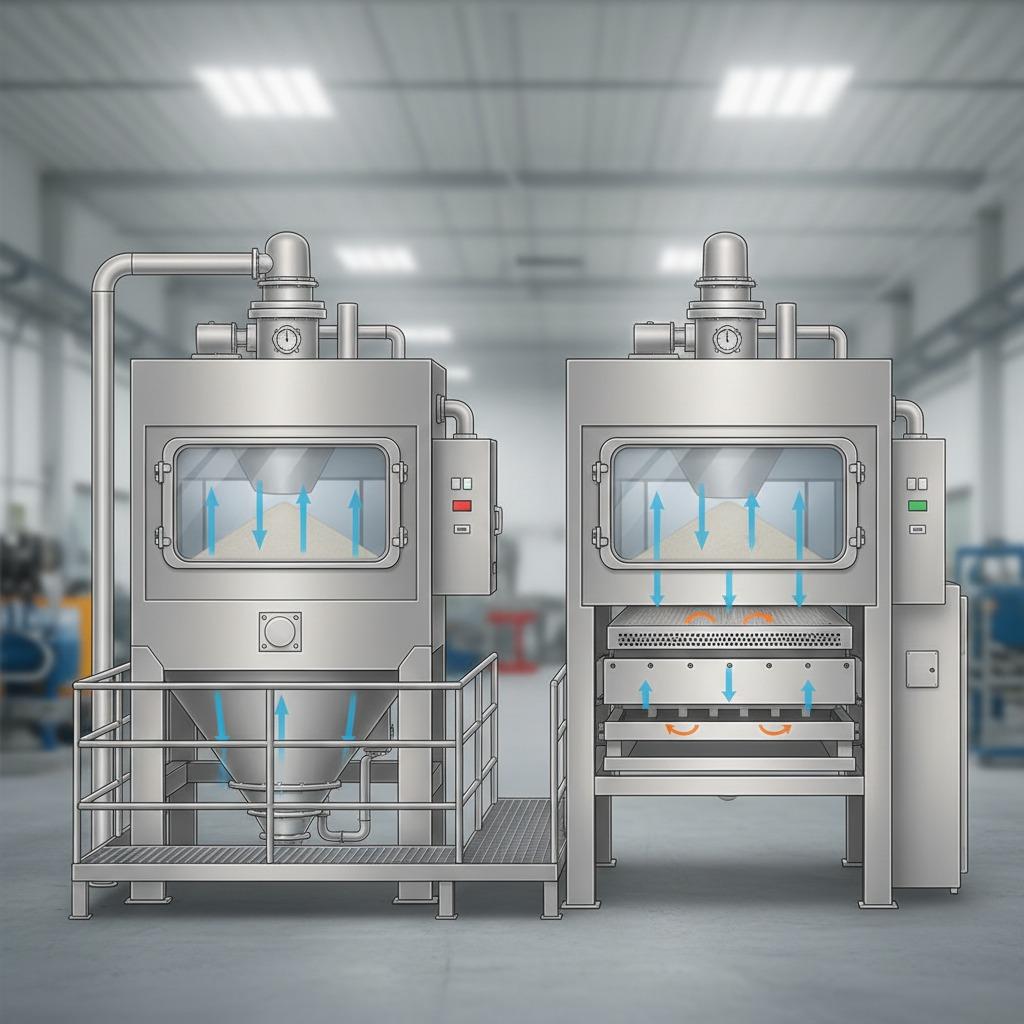
One standout aspect of horizontal drying equipment is the integrated airflow system. Hot air enters from one end and travels horizontally through the chamber, carrying away moisture-laden vapors from the atomized particles. This horizontal path allows for a more controlled residence time, enabling operators to fine-tune drying conditions for different materials. For example, in processing sludge or residues, the equipment can achieve low moisture content efficiently, preparing materials for downstream uses like composting or incineration.
The design of horizontal drying equipment also emphasizes safety and accessibility. Elevated platforms with anti-slip surfaces and safety railings provide operators with full visibility and reach into the drying zone. Multiple sight glasses and access ports allow real-time monitoring without interrupting operations. Additionally, energy recovery systems in these units recapture heat from exhaust air, significantly lowering operational costs and environmental impact. This makes horizontal drying equipment a sustainable option for factories aiming to reduce their carbon footprint while boosting productivity.
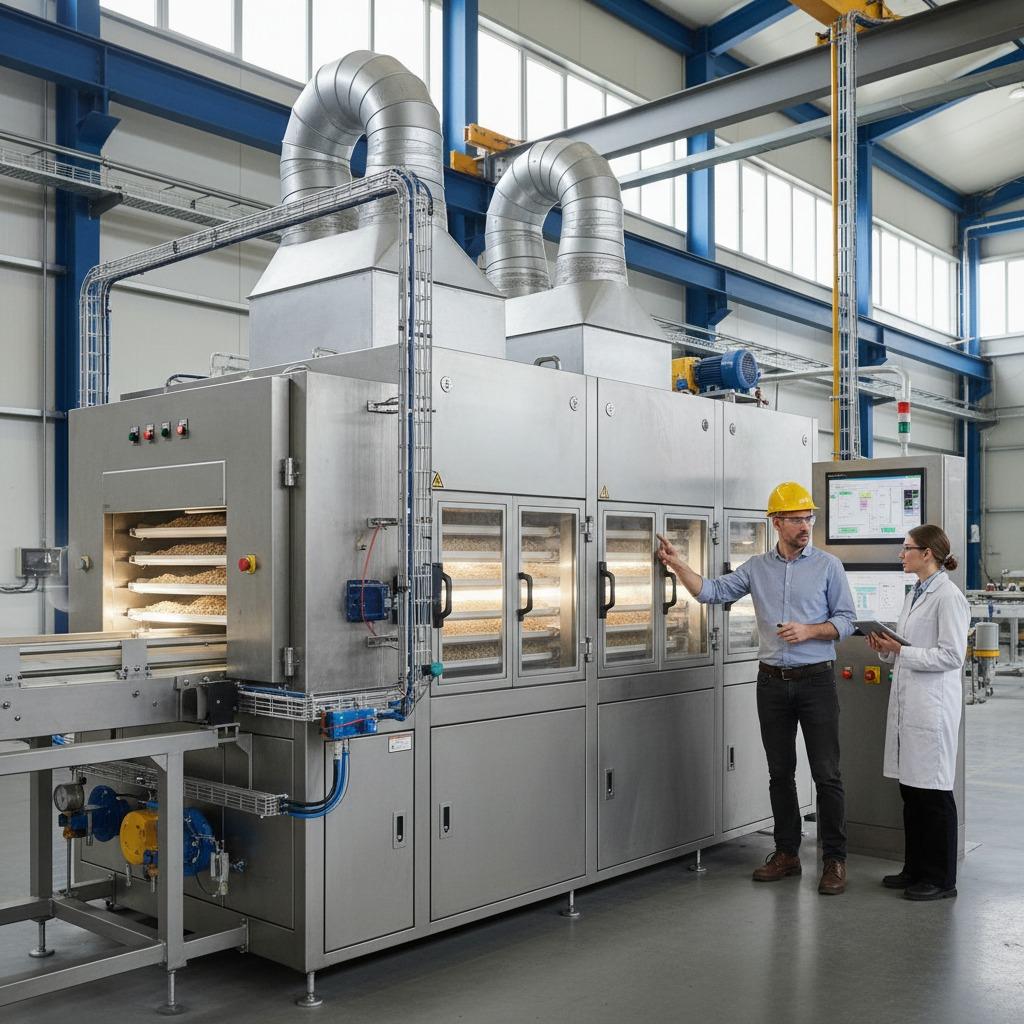
Furthermore, the automation in horizontal drying equipment includes sensors for monitoring humidity, temperature, and pressure, integrated with PLC systems for seamless control. This level of sophistication supports continuous production lines, where the horizontal spray dryer can be linked with upstream feeders and downstream conveyors, creating a fully automated workflow. Such features are particularly valuable in high-volume settings, like dairy processing, where consistency is paramount.
Applications and Advantages in Industrial Settings
The horizontal spray dryer finds extensive use across diverse industries due to its adaptability and efficiency. In the food sector, it's instrumental in producing powdered milk, coffee, and spices by leveraging spray drying technology to lock in flavors and nutrients. The horizontal drying equipment's configuration ensures that delicate particles dry uniformly, preventing clumping and preserving product quality. Pharmaceutical applications benefit from its precision, enabling the creation of fine powders for tablets and inhalers with controlled particle sizes.
In chemical and wastewater treatment, horizontal drying equipment excels at dewatering sludge and industrial residues. The continuous horizontal flow allows for high throughput in a compact footprint, making it suitable for space-constrained facilities. By integrating with processes like centrifugation or filtration, the horizontal spray dryer streamlines the entire production chain, reducing handling steps and minimizing waste. Its stainless steel construction supports easy sanitation, crucial for meeting hygiene standards in biotech and fermentation applications.
The advantages of incorporating a horizontal spray dryer extend to operational efficiency and cost savings. Compared to vertical dryers, the horizontal model offers better scalability, with modular sections that can be expanded as production needs grow. Energy-efficient designs cut down on fuel consumption, while the closed-loop systems minimize emissions, aligning with global sustainability goals. Operators appreciate the intuitive controls and reduced downtime, as the equipment's durable build handles demanding conditions without frequent interventions.
For plant extracts and nutraceuticals, spray drying technology in a horizontal setup preserves bioactive compounds through gentle, rapid drying. This results in high-yield powders that maintain potency, appealing to manufacturers focused on quality assurance. Overall, the horizontal spray dryer's blend of innovation and reliability positions it as an indispensable asset, driving modern factories toward smarter, more efficient operations.
Maintenance and Future Trends in Horizontal Spray Dryers
Maintaining a horizontal spray dryer involves routine checks on nozzles, filters, and airflow systems to ensure optimal performance. Regular CIP (Clean-In-Place) cycles, facilitated by the smooth interiors of horizontal drying equipment, prevent buildup and extend equipment life. Training staff on these protocols is key to avoiding costly disruptions and upholding product standards.
Looking ahead, future iterations of spray drying technology will likely incorporate AI-driven optimizations and IoT connectivity for predictive maintenance. The horizontal spray dryer could evolve with enhanced modular designs, allowing for plug-and-play upgrades in response to new regulations or material types. As industries push for greener practices, these advancements will further solidify the role of horizontal drying equipment in sustainable manufacturing.
In summary, the horizontal spray dryer represents a pinnacle of spray drying technology, offering unmatched efficiency, versatility, and quality in industrial drying processes. By adopting this equipment, businesses can achieve superior results while embracing the demands of modern production.