Understanding Fluidized Bed Granulation: A Key Process in Modern Manufacturing
Fluidized bed granulation stands as a pivotal technique in pharmaceutical, food, and chemical industries, enabling the creation of uniform granules from powders and liquids. This process involves suspending particles in a stream of air or gas, creating a fluid-like state that allows for efficient mixing, wetting, and drying. By integrating granulation technology seamlessly, manufacturers can achieve consistent particle sizes, which is essential for product quality and downstream processing. In this article, we delve into the intricacies of fluidized bed granulation, exploring its mechanisms, benefits, and how it intersects with related processes like fluidized bed drying and various industrial granulation methods.
The Fundamentals of Fluidized Bed Granulation
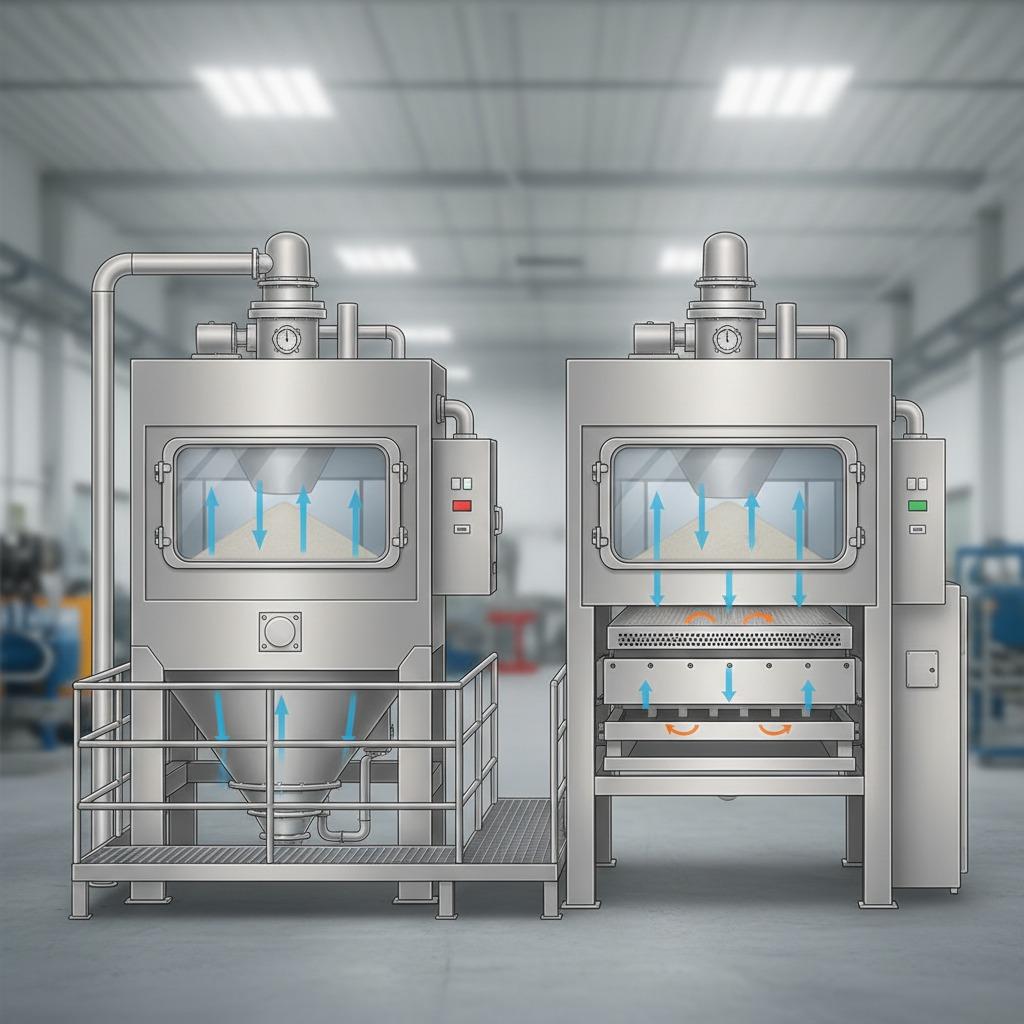
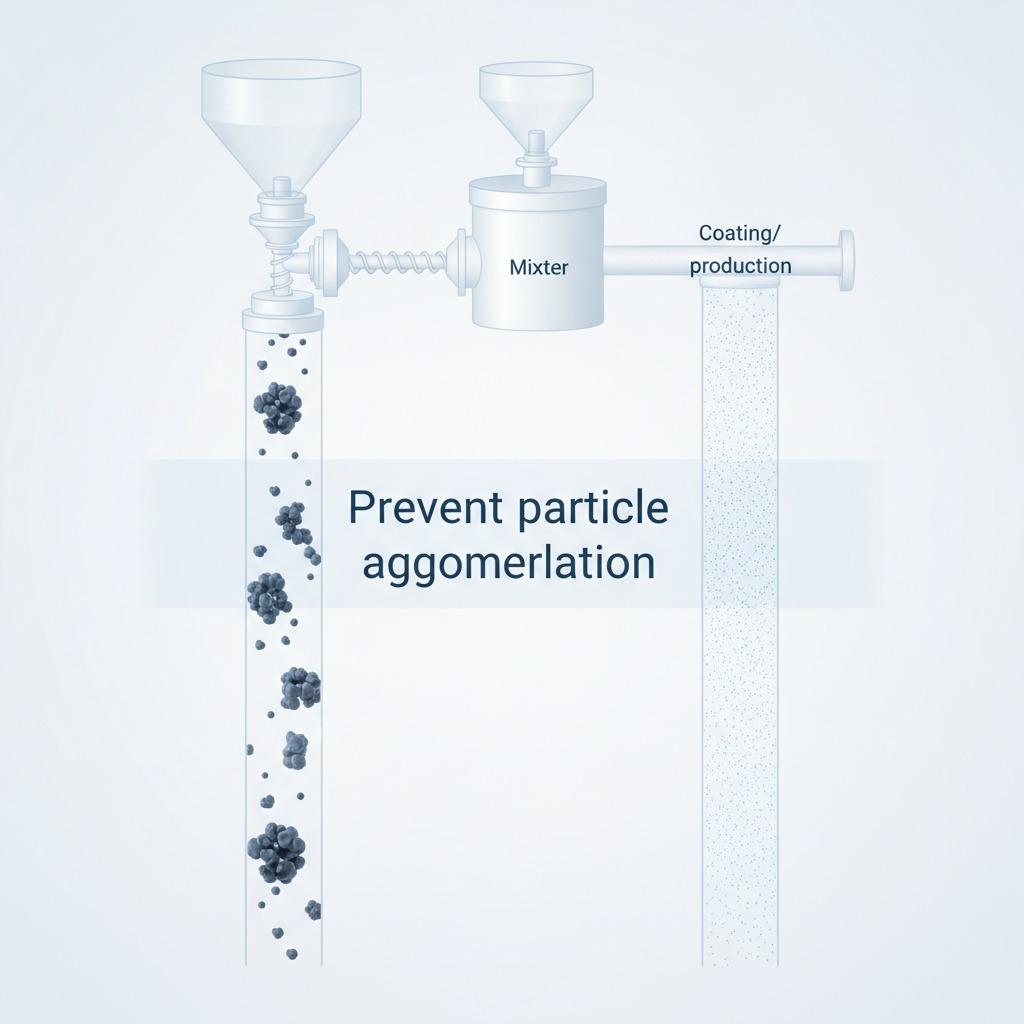
At its core, fluidized bed granulation operates by introducing a binder liquid into a bed of powder particles fluidized by upward airflow. This setup promotes agglomeration as the liquid wets the particles, causing them to stick together and form granules. The process typically occurs in a single unit, combining wetting, nucleation, growth, and drying stages, which reduces handling and contamination risks compared to multi-step methods. Granulation technology here ensures that the granules possess the desired flowability, density, and dissolution properties, making it indispensable for tablet production in pharmaceuticals or feed formulation in agriculture.
One of the primary advantages of fluidized bed granulation is its ability to produce spherical granules with low porosity, enhancing compressibility and uniformity. The fluidization ensures even distribution of the binder, preventing over-wetting or uneven growth. Parameters such as air velocity, inlet temperature, and atomization pressure are meticulously controlled to optimize granule size distribution. For instance, higher air velocities can lead to finer granules, while adjusted spray rates influence agglomeration efficiency. This precision makes fluidized bed granulation a preferred choice over traditional methods like high-shear mixing, which often require separate drying steps.
Integrating Fluidized Bed Drying in the Granulation Process
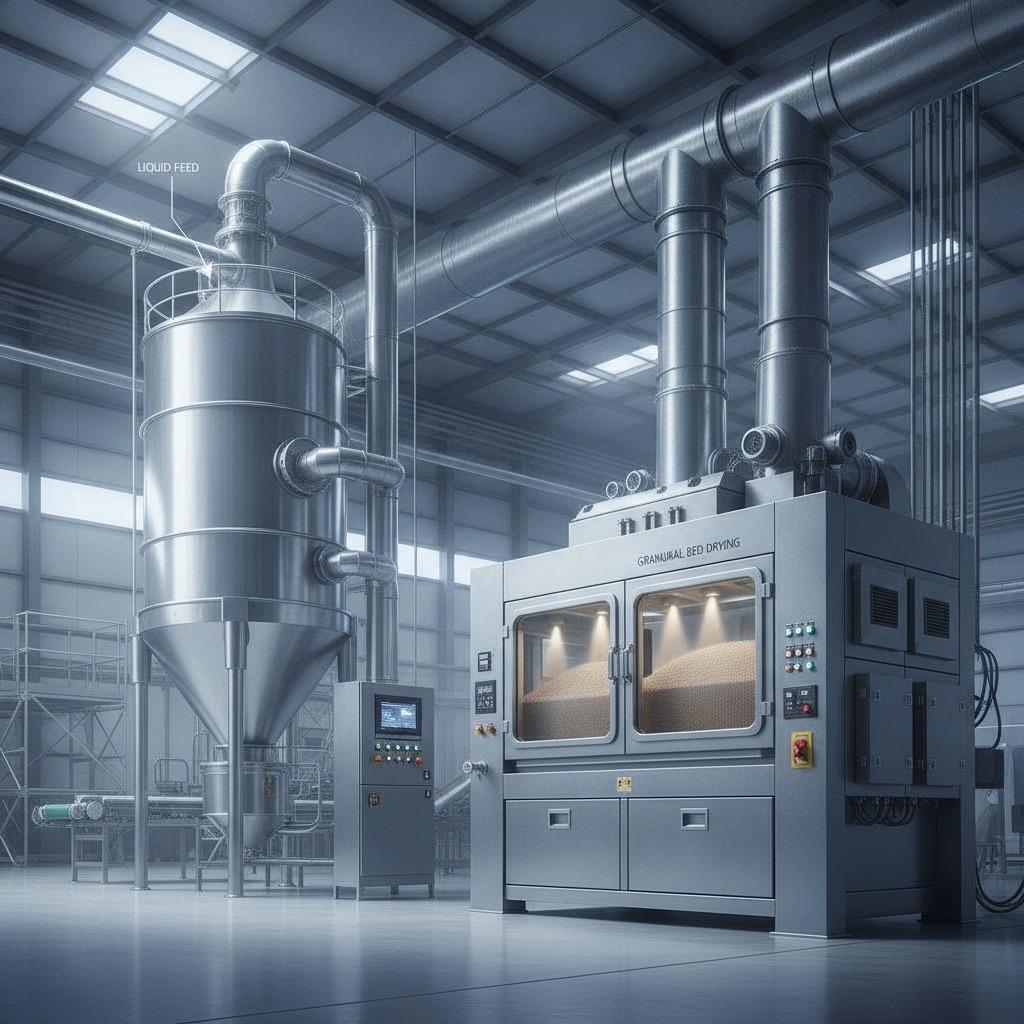
Fluidized bed drying plays a crucial role in fluidized bed granulation, occurring concurrently or immediately after the wetting phase to remove moisture and solidify the granules. In this integrated approach, hot air passes through the fluidized bed, evaporating the liquid binder while maintaining particle suspension. This simultaneous drying minimizes thermal degradation and ensures rapid moisture reduction, typically achieving residual moisture levels below 2% in minutes. The efficiency of fluidized bed drying stems from the high surface area exposure of particles in the fluidized state, allowing for uniform heat and mass transfer.
Unlike conventional tray drying, fluidized bed drying in granulation setups offers superior control over drying conditions, preventing hotspots that could alter granule integrity. For heat-sensitive materials, such as active pharmaceutical ingredients, lower temperatures can be employed without sacrificing speed. This synergy between granulation and drying not only streamlines operations but also enhances energy efficiency, as the same equipment handles multiple functions. In practice, monitoring endpoints via moisture sensors or particle size analyzers ensures the process halts at optimal dryness, avoiding over-drying that might lead to brittle granules.
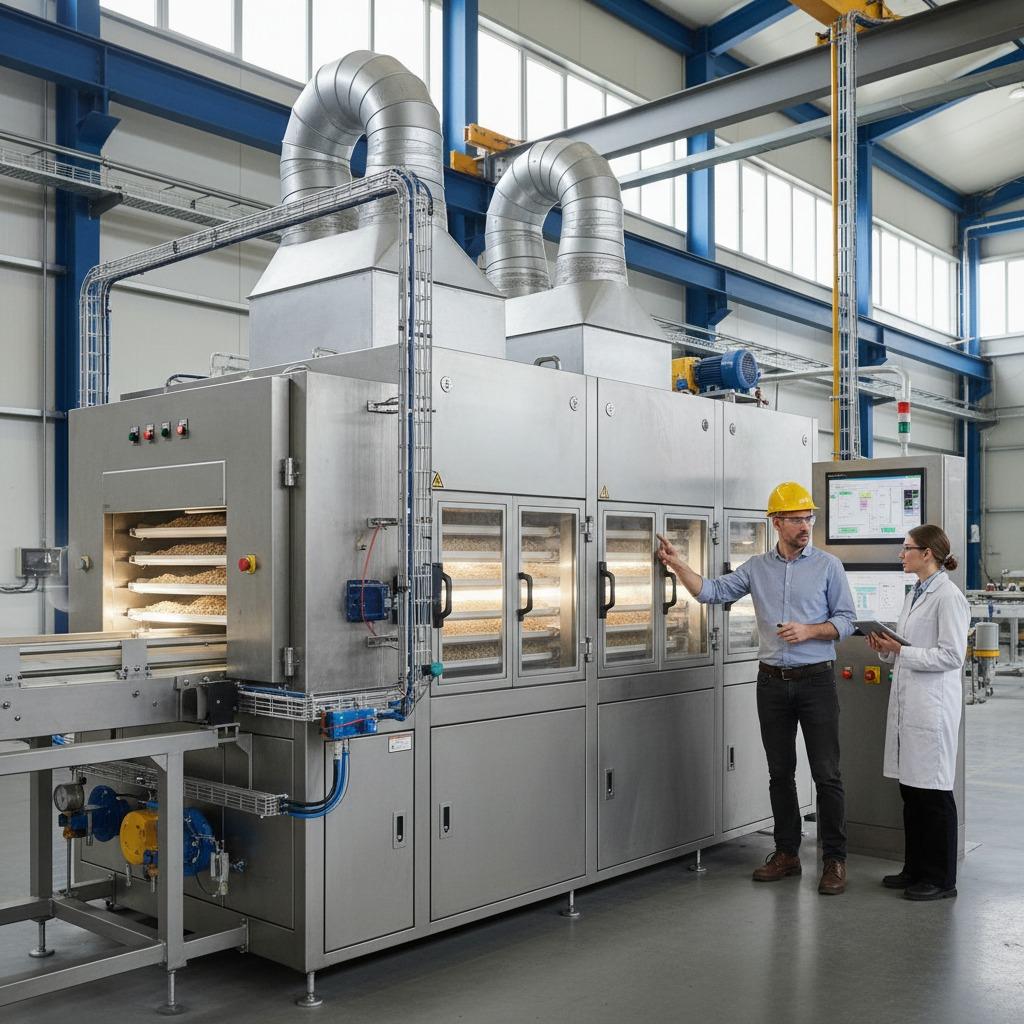
Industrial applications of fluidized bed drying extend beyond pharmaceuticals to food processing, where it preserves nutritional value in ingredients like milk powders or spices. The process's scalability allows for batch sizes from lab-scale kilograms to production-scale tons, adapting to diverse manufacturing needs. By leveraging fluidized bed drying, companies can reduce cycle times and improve throughput, making it a cornerstone of efficient granulation workflows.
Exploring Industrial Granulation Methods and Their Comparisons
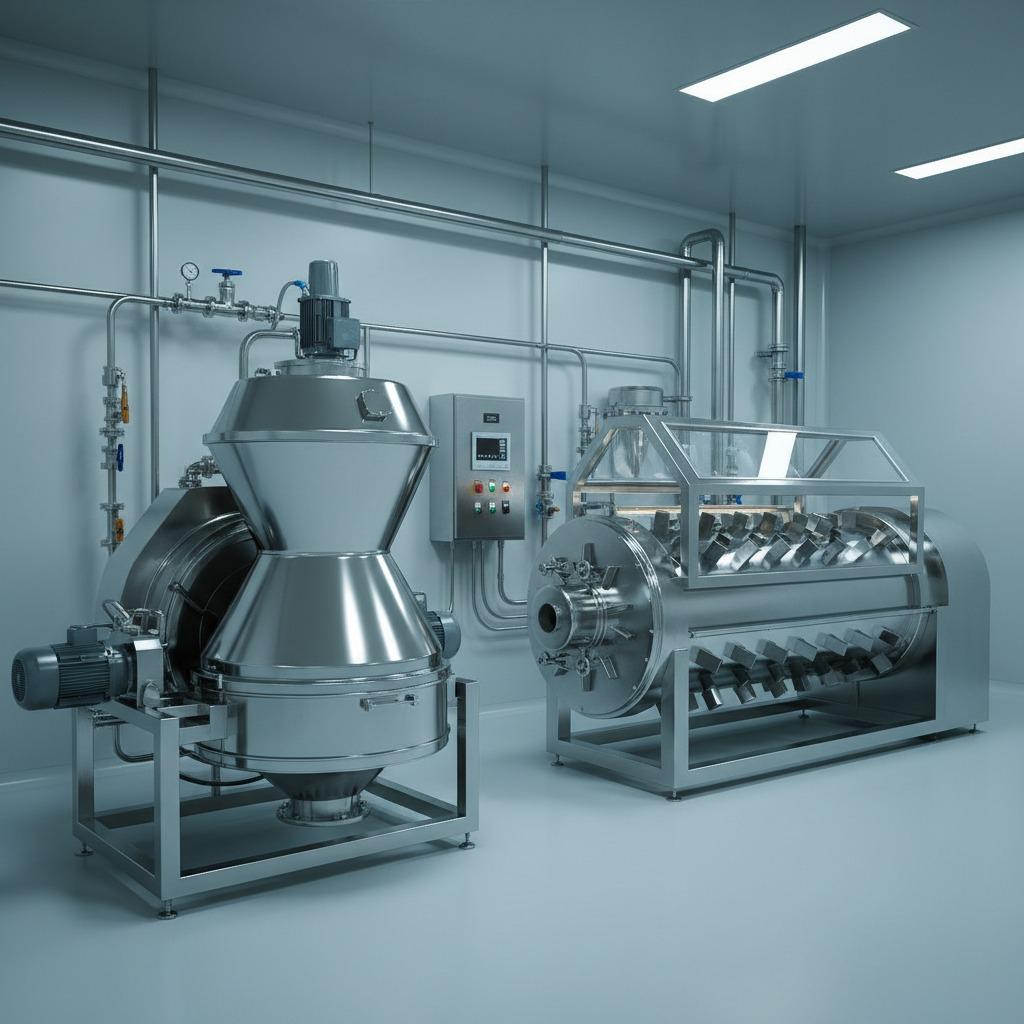
Industrial granulation methods encompass a range of techniques, with fluidized bed granulation distinguished by its versatility and in-situ processing capabilities. Other methods include roller compaction, where powders are densified between rollers before milling into granules, and extrusion-spheronization, ideal for producing spherical pellets. However, fluidized bed granulation excels in handling heat-sensitive or sticky materials, as the fluidization prevents clumping and ensures gentle handling. In contrast, high-shear granulators may generate more fines and require additional drying, increasing operational complexity.
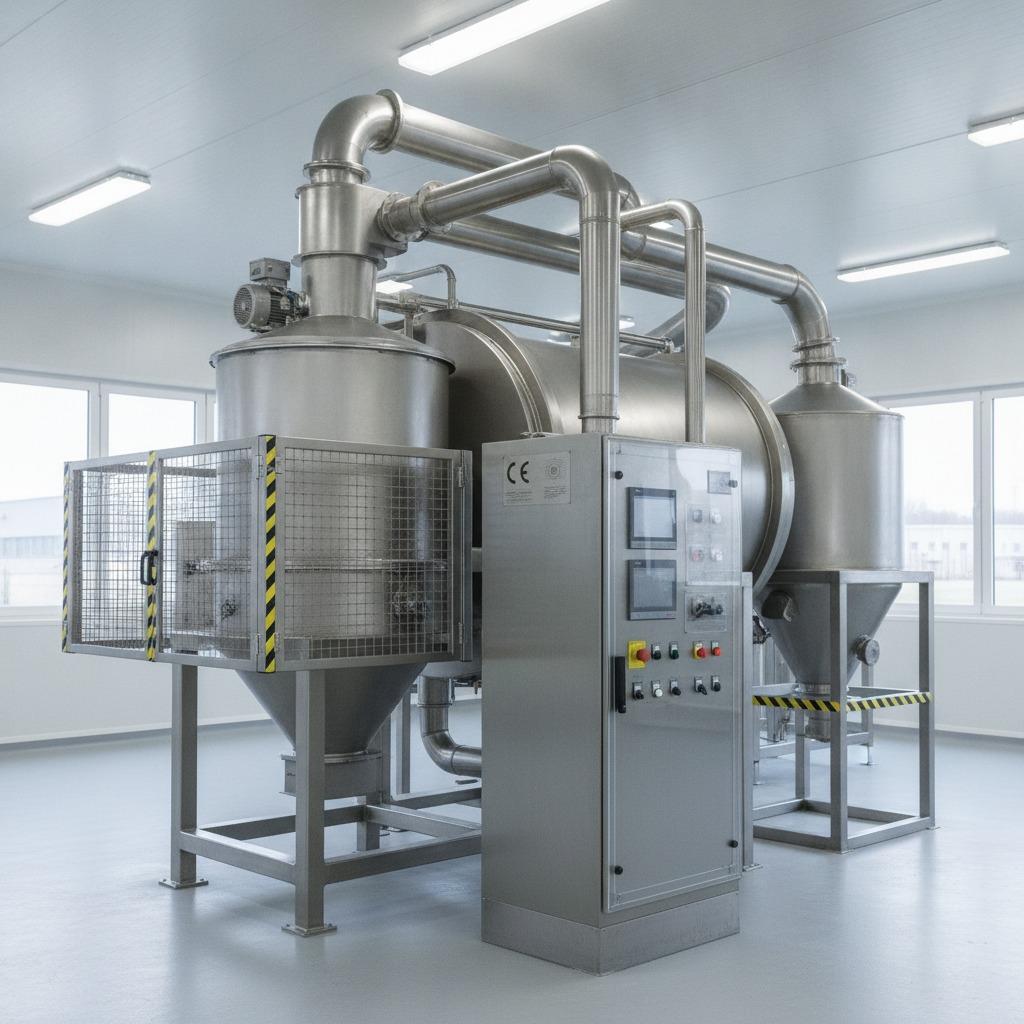
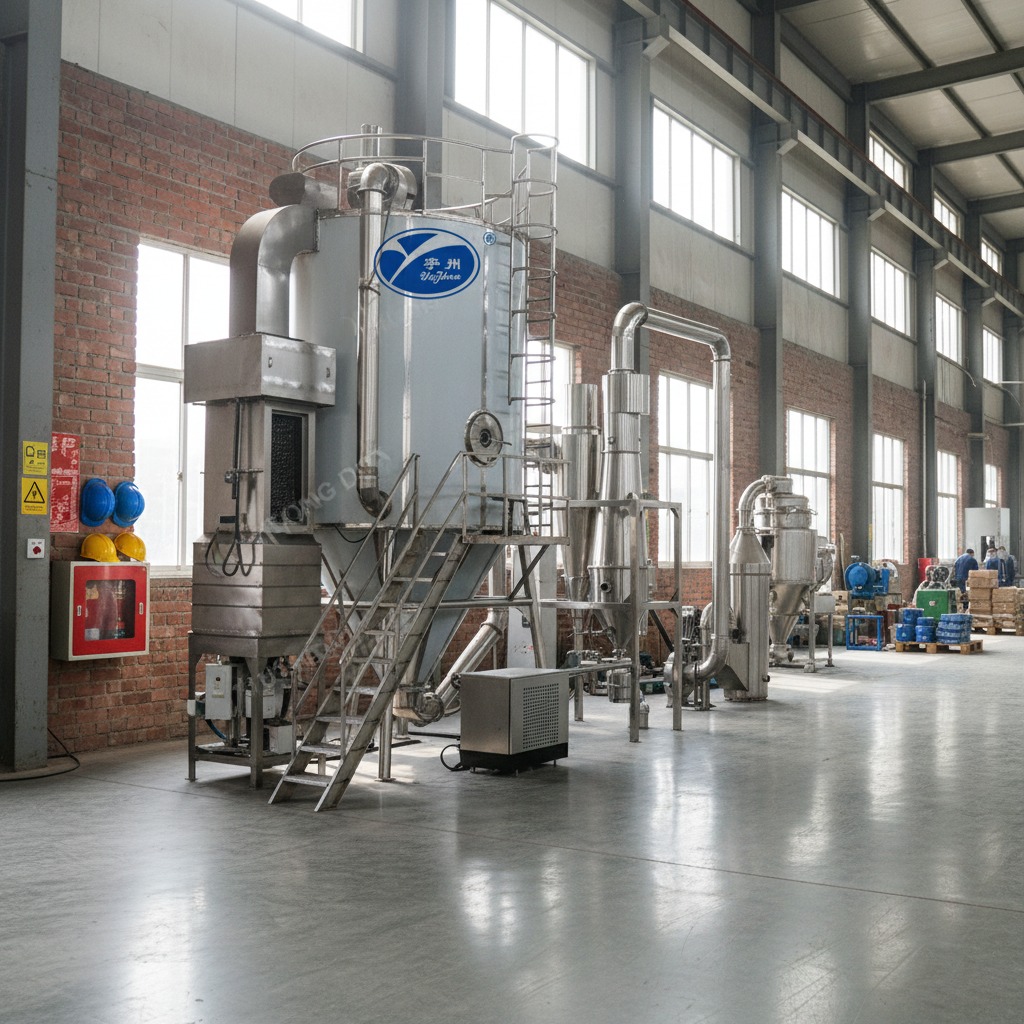
When comparing to spray drying, another prominent industrial granulation method, fluidized bed granulation offers advantages in granule morphology control. Spray drying, which atomizes liquid feeds into a hot gas stream to form dry powders, is excellent for producing hollow or porous particles but can be less effective for coarse granules. Our state-of-the-art spray dryer, equipped with a robust stainless steel drying chamber and advanced cyclone system, complements fluidized bed granulation by providing an alternative for liquid-to-powder conversion in applications requiring instant solubility. This equipment's energy-efficient design and corrosion-resistant build make it ideal for pharmaceuticals and food industries, ensuring high yields and minimal environmental impact.
Fluidized bed granulation, however, shines in scenarios demanding precise size control and uniform density. For example, in chemical manufacturing, it facilitates the production of catalysts with tailored porosity. Safety features in modern fluidized bed systems, such as explosion vents and automated controls, align with stringent industrial standards. By selecting the appropriate method—whether fluidized bed granulation for agglomeration or spray drying for atomization—manufacturers can optimize their processes for specific product requirements, balancing efficiency, cost, and quality.
Advantages and Innovations in Fluidized Bed Granulation
The adoption of fluidized bed granulation has surged due to its numerous benefits, including improved product uniformity, reduced dust formation, and enhanced flow properties for easier handling. In the pharmaceutical sector, it supports direct compression into tablets, eliminating the need for slugging or recrystallization. Granulation technology advancements, such as tangential spray systems, have further refined droplet distribution, leading to narrower granule size distributions and higher batch reproducibility.
Sustainability is another key driver, with fluidized bed processes consuming less energy than multi-stage alternatives. Innovations like closed-loop systems recycle air and solvents, minimizing waste and emissions. For industries eyeing green manufacturing, integrating fluidized bed granulation with fluidized bed drying reduces water usage and operational footprints. Case studies from food processing demonstrate up to 30% energy savings when switching to these methods, underscoring their economic viability.
Looking ahead, hybrid systems combining fluidized bed granulation with spray drying capabilities are emerging, offering flexible solutions for diverse feedstocks. Our spray dryer's accessible design, with ladders and platforms for maintenance, pairs well with fluidized bed units, enabling seamless integration in production lines. This evolution ensures that industrial granulation methods continue to meet the demands of precision, scalability, and eco-friendliness in modern manufacturing.
Practical Considerations for Implementing Fluidized Bed Granulation
Implementing fluidized bed granulation requires careful equipment selection and process validation. Key factors include bed load capacity, air handling units, and binder compatibility. Scale-up from pilot to production involves adjusting fluidization dynamics to maintain similar residence times and shear forces. Validation protocols, per GMP guidelines, ensure consistency across batches, with in-process controls like near-infrared spectroscopy for moisture profiling.
Challenges such as electrostatic buildup or uneven fluidization can be mitigated through grounded equipment and optimized inlet designs. Training operators on parameter adjustments is vital for troubleshooting, ensuring smooth operations. For facilities new to this technology, starting with smaller fluidized bed dryers can build expertise before full-scale adoption. Ultimately, fluidized bed granulation not only elevates product quality but also drives competitive advantages through reliability and innovation.
In summary, fluidized bed granulation, bolstered by granulation technology and fluidized bed drying, remains a benchmark among industrial granulation methods. Its ability to produce high-quality granules efficiently positions it as an essential tool for forward-thinking manufacturers.