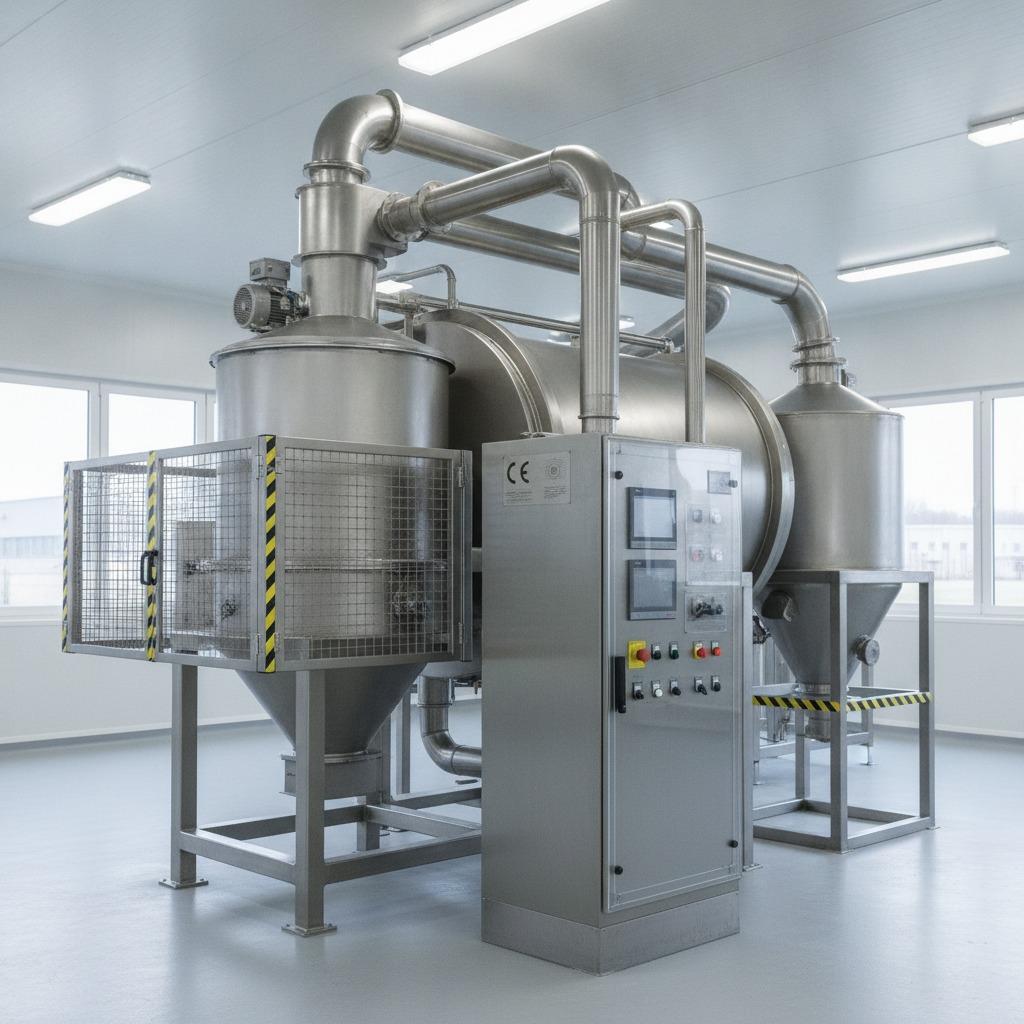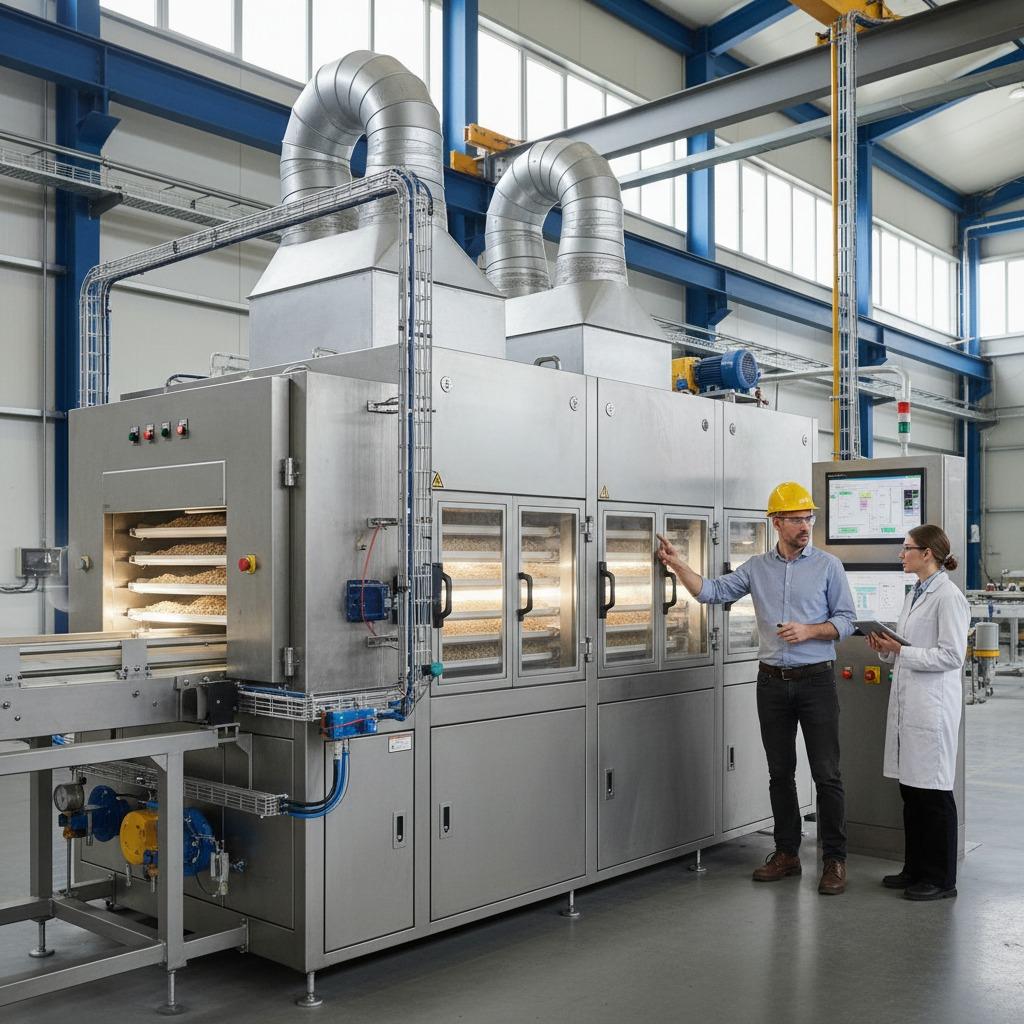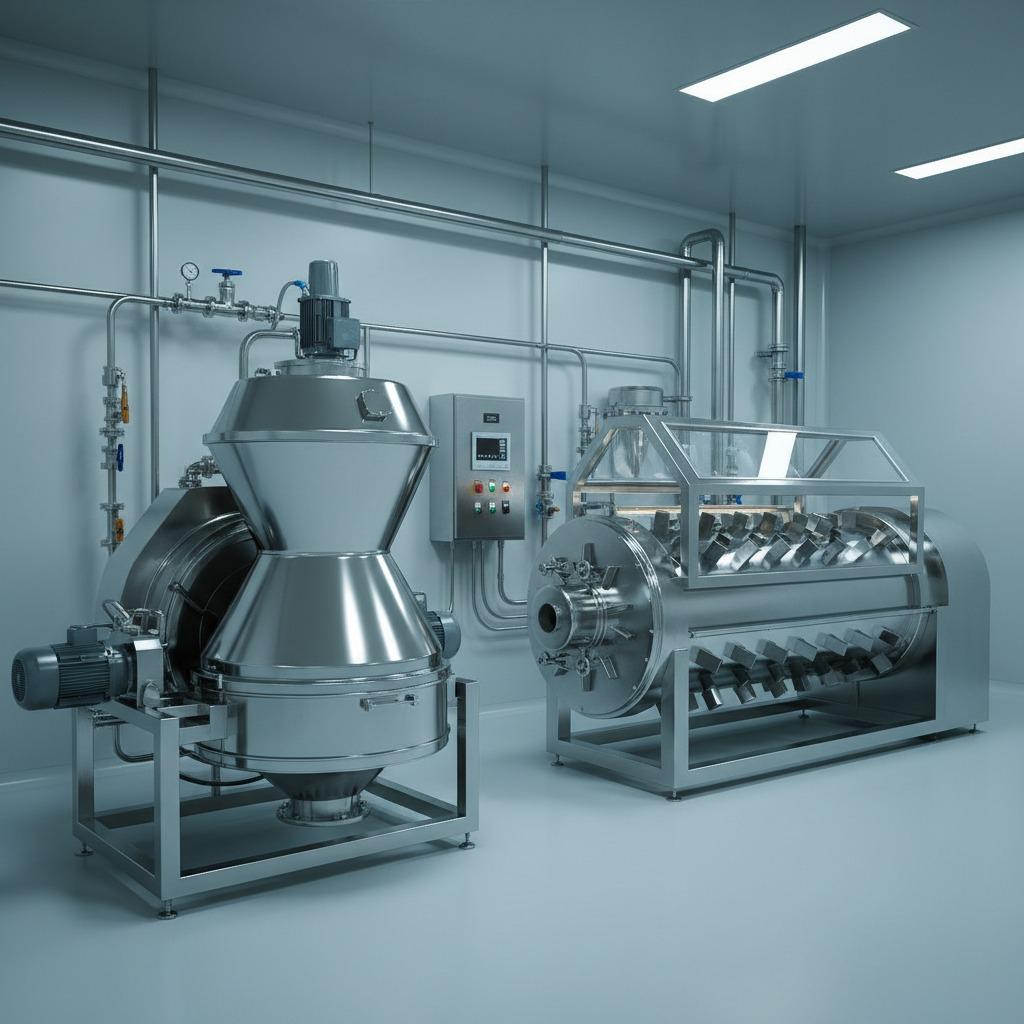
Drying Probiotics: What Manufacturers Need to Get Right Before Product Quality Drops
Drying probiotics is one of those steps that looks straightforward on a process flowchart and becomes much less forgiving on the plant floor. The challenge is simple to state and difficult to execute: remove water or reduce moisture enough for shelf stability without damaging the living organisms that make the product useful in the first place. For engineers, sourcing managers, and product teams, this is not just a formulation question. It is a manufacturing decision that affects viability, cost, packaging, storage, and the customer experience after the product leaves the factory.
That matters because probiotic products are often sold on a narrow set of performance expectations. If the microorganisms lose activity during drying, the gap usually shows up later as lower counts at end of shelf life, higher batch variability, or a formulation that needs more protective excipients than planned. A process that seems efficient on paper can quietly create headaches in release testing, stability programs, and customer complaints. The right drying approach is the one that balances biological survival with commercial practicality.
Why drying is such a sensitive step
Probiotic cultures are living systems, not inert powders. During drying, they face stress from heat, osmotic pressure, oxidation, and the physical strain that comes with water removal. Some strains tolerate this better than others, but few are indifferent to it. The manufacturing goal is usually to preserve as much viability as possible while also producing a powder, granule, or other stable intermediate that can be handled, blended, and packed like a conventional ingredient.
There is also a practical supply-chain issue. Many downstream buyers want consistent flowability, low moisture, and reasonable packaging stability. Those requirements often pull in the same direction as viability, but not always. A product can be dry enough to store well and still be too harshly processed for good organism survival. That is why drying strategy deserves the same attention as strain selection and formulation design.
Quick reference: common drying approaches
Not every facility uses the same method, and not every probiotic strain behaves the same way. Still, a few approaches come up repeatedly in industrial practice.
Freeze drying
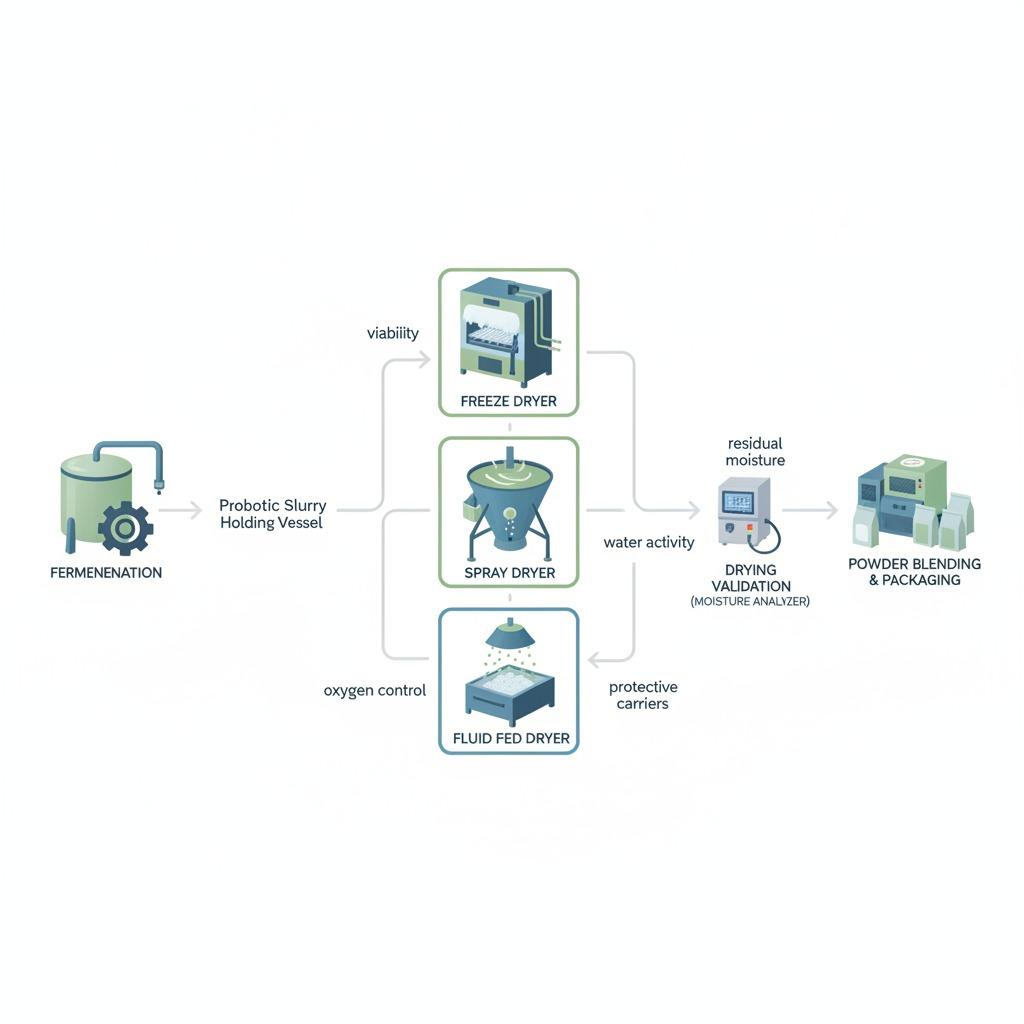
Freeze drying, or lyophilization, is often favored when preserving viability is the priority. The product is frozen and water is removed by sublimation under vacuum. It can be gentler than hot drying methods, but it is usually slower and more expensive. It also places demands on formulation, pre-freezing behavior, and equipment capacity. For some products, the process is worth it; for others, the cost structure becomes hard to defend.
Spray drying
Spray drying is attractive for scale and throughput. It can produce fine, consistent powders and integrate well into existing ingredient manufacturing lines. The tradeoff is thermal and mechanical stress. Some probiotic preparations can survive spray drying if protective carriers are used and inlet/outlet conditions are carefully managed, but the window can be narrow. This is a method where “good enough” process control is often not good enough.
Fluid bed drying and related methods
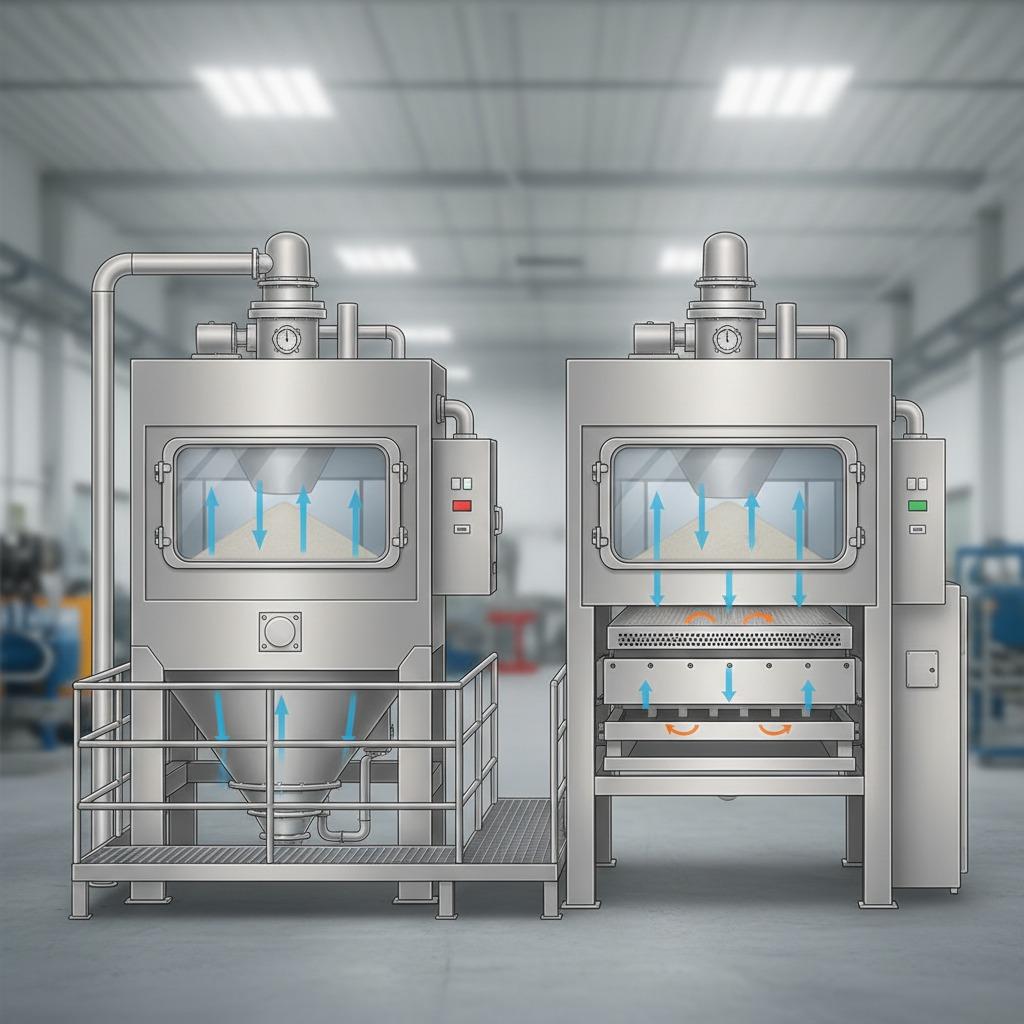
Fluid bed systems are often used when granulation, coating, or post-drying moisture reduction is needed. They can support more controlled drying than a simple oven setup and may fit better in blended or coated dosage forms. Whether they are suitable depends on the exact product architecture, because airflow, particle movement, and temperature exposure all matter.
What affects survival during drying
The survival of probiotic organisms during drying depends on more than just temperature. In practice, several variables interact at once, and the wrong combination can cause damage even when each setting looks acceptable in isolation.
Temperature and exposure time
Higher temperatures usually accelerate moisture removal, but they also raise the risk of protein denaturation, membrane injury, and oxidative stress. A shorter cycle at a higher temperature may be better in some cases than a long cycle at a lower one, but this is not something to assume. The strain, carrier system, and target moisture level all influence the outcome.
Residual moisture and water activity
Drying is not just about removing visible water. Residual moisture and water activity strongly affect storage stability. Too much moisture can shorten shelf life and promote degradation. Too little, or moisture removed in an aggressive way, can create a brittle product that is more vulnerable to oxygen damage and handling stress. The target needs to be set with the whole package in mind, not as a standalone process number.
Protective carriers and excipients
Carriers such as sugars, proteins, starches, and other protectants are often used to cushion cells during drying. These materials can help stabilize membranes and reduce stress, but they also affect bulk density, powder behavior, and downstream blend performance. A carrier that protects well but clumps badly may create a different problem later in tablet compression, sachet filling, or capsule dosing.
Oxygen and light exposure
Some probiotic formulations are sensitive to oxygen, especially once they are in a dry state and more exposed to oxidation. Packaging, headspace control, and barrier films can be just as important as the dryer settings. Light sensitivity is a less dramatic issue in many cases, but it should not be ignored when a product is being developed for long shelf life or warm distribution environments.
Selection criteria that matter to buyers and product teams
If you are choosing a drying route for probiotics, the technical answer is rarely the only answer. A sensible decision usually weighs five practical factors.
First, the strain profile. Some strains are naturally robust; others need more protection. Second, the intended dosage form. A capsule, sachet, chewable, or ingredient powder may push the process in a different direction. Third, the required shelf life and storage condition. A refrigerated product gives more room than one expected to survive ambient distribution. Fourth, production scale. The method must fit batch size, equipment availability, and cycle time. Fifth, economics. A technically elegant process that cannot support commercial volume is not a production strategy.
There is a temptation to start with the dryer and work backward. In practice, it is safer to start with the product claim, the strain behavior, and the packaging plan, then select the drying method that can support those targets. That may sound obvious, but many manufacturing problems begin when a process is chosen before the product requirements are fully fixed.
Common mistakes in probiotic drying
One common mistake is treating all probiotic cultures as if they respond the same way. They do not. Process settings that work for one strain can damage another. Another is relying too heavily on final moisture content while ignoring how quickly the product was dried and what stress it saw along the way. The pathway matters.
A third mistake is underestimating packaging. Even a well-dried powder can degrade if the container is weak against moisture ingress or oxygen transmission. A fourth is scaling too quickly from pilot to production without checking whether the larger dryer creates a different thermal profile or residence time. Scale-up often reveals issues that lab trials hide.
There is also a quieter problem: release testing that looks only at initial counts and misses how viability changes over time. For probiotic products, stability data is the real test. If the process is too aggressive, the loss may not be obvious until the product has sat on a shelf for a few months. By then, the correction is expensive.
Practical advice for manufacturing teams
For development work, the best approach is usually to test drying as part of a full system: strain, carrier, process, packaging, and storage condition. Isolate one variable at a time where you can, because that is how you learn which factor is driving the result. Keep an eye on both viability and physical properties such as flowability, caking, and dusting. A powder that is microbiologically strong but impossible to fill cleanly is not a finished solution.
For sourcing managers, the important questions are often less glamorous. Ask how the supplier controls moisture, how they validate consistency between batches, and what packaging safeguards are used after drying. Ask whether the process is suitable for the specific strain or whether the supplier is relying on a broad platform claim. If a partner cannot explain the tradeoff between drying speed and organism survival in plain terms, that is worth noting.
For product teams, the key is alignment. A probiotic concept aimed at ambient storage, low package cost, and long shelf life will likely need a different drying strategy from a refrigerated premium product. It is better to resolve that early than to discover late that the desired format is fighting the biology.
FAQ: drying probiotics in industrial settings
Is one drying method always better than the others?
No. The best method depends on the strain, formulation, scale, and target shelf life. Freeze drying may preserve viability better in many cases, but it is not automatically the right commercial choice.
Does lower temperature always improve probiotic survival?
Not necessarily. Lower temperature can reduce heat stress, but longer drying times or poor moisture control can still harm the organisms. The full process profile matters.
Why do carriers matter so much?
They help protect cells during drying and storage, but they also affect powder behavior, dosing, and downstream processing. The carrier must work both biologically and mechanically.
Can a dried probiotic still fail in storage?
Yes. If packaging, oxygen exposure, moisture ingress, or residual water activity are not controlled, viability can drop well before the labeled shelf life ends.
What a good decision looks like
The best drying strategy is rarely the most dramatic one. It is the one that produces a stable, handleable product while preserving enough viable organisms to support the intended claim through the full shelf life. That usually means matching the drying method to the strain’s fragility, the product format, and the distribution environment, then confirming performance with real stability data rather than assumptions.
If you are evaluating a process or supplier, the next step is to ask for the drying rationale, not just the equipment name. How is viability protected? What moisture target is used and why? How does the product behave after packing and storage? Those questions tend to separate a dependable manufacturing plan from a hopeful one.