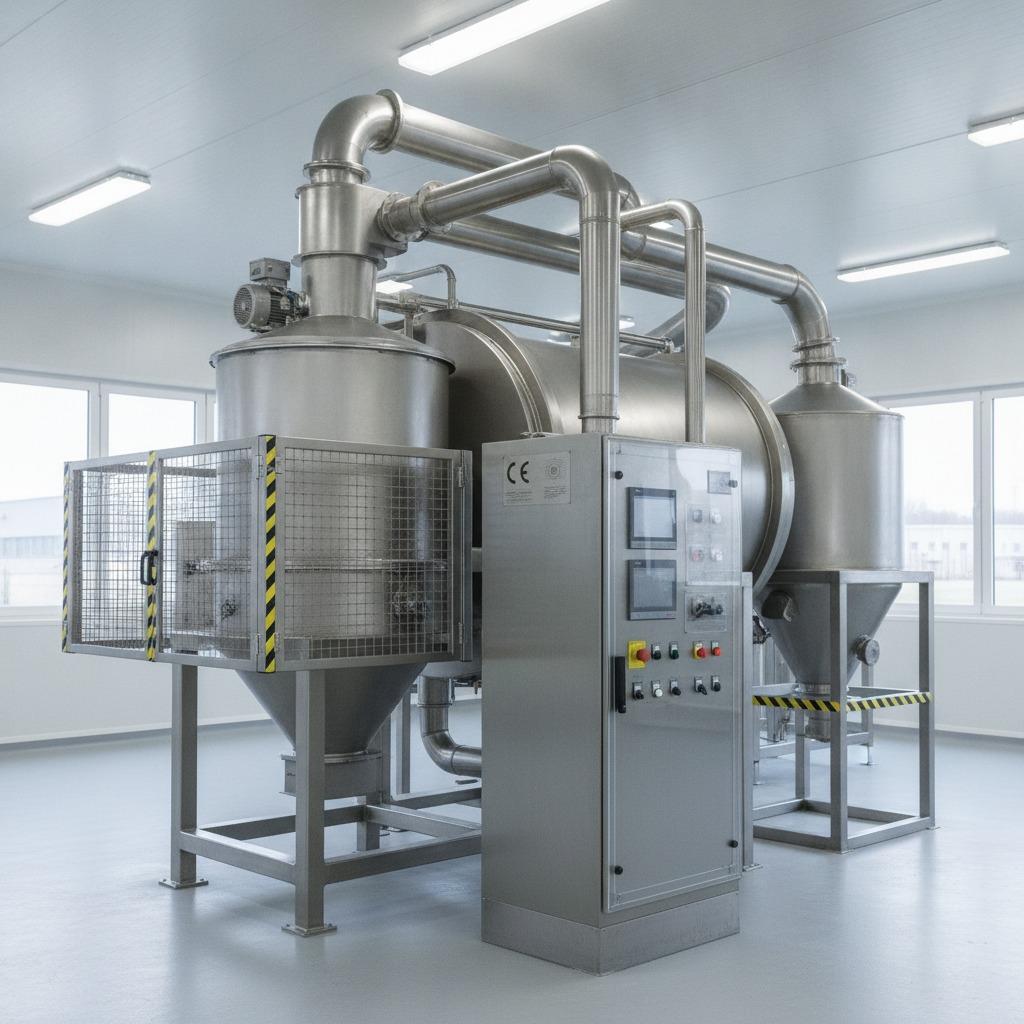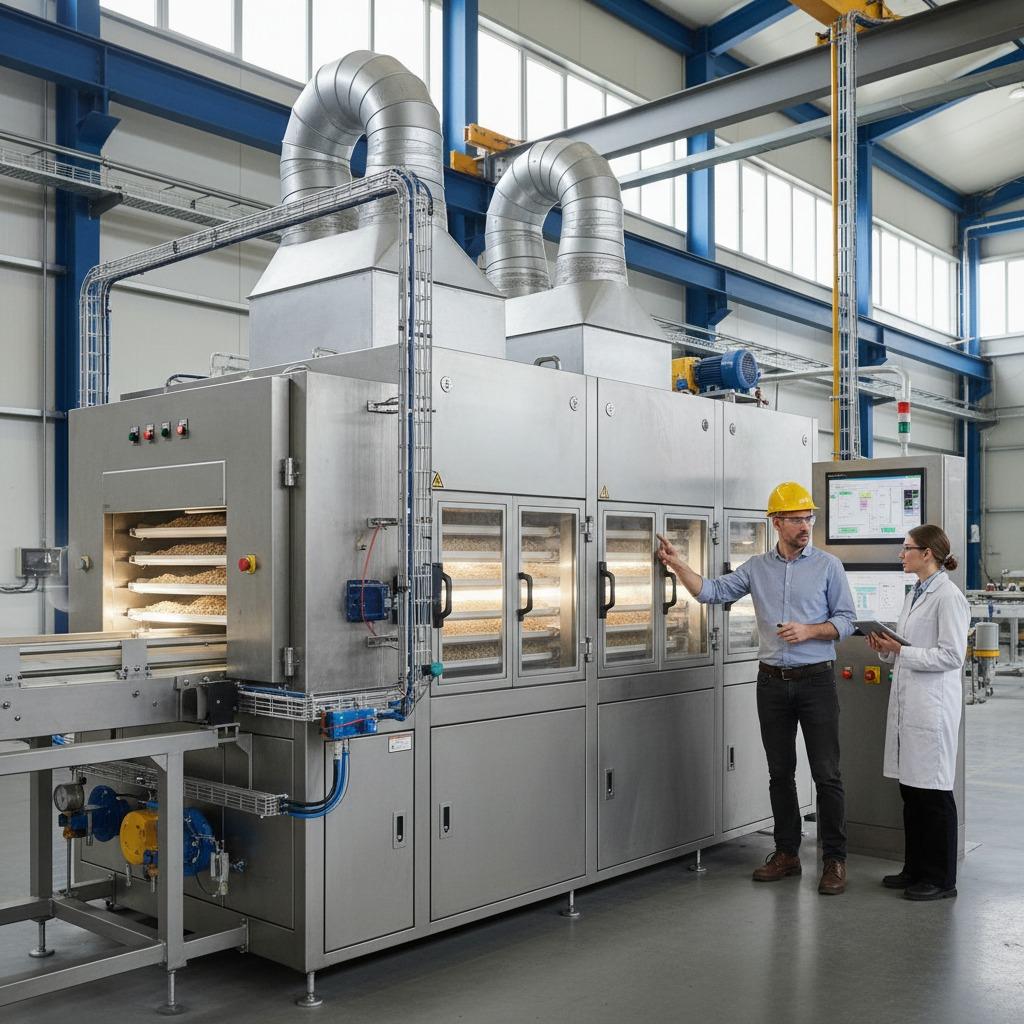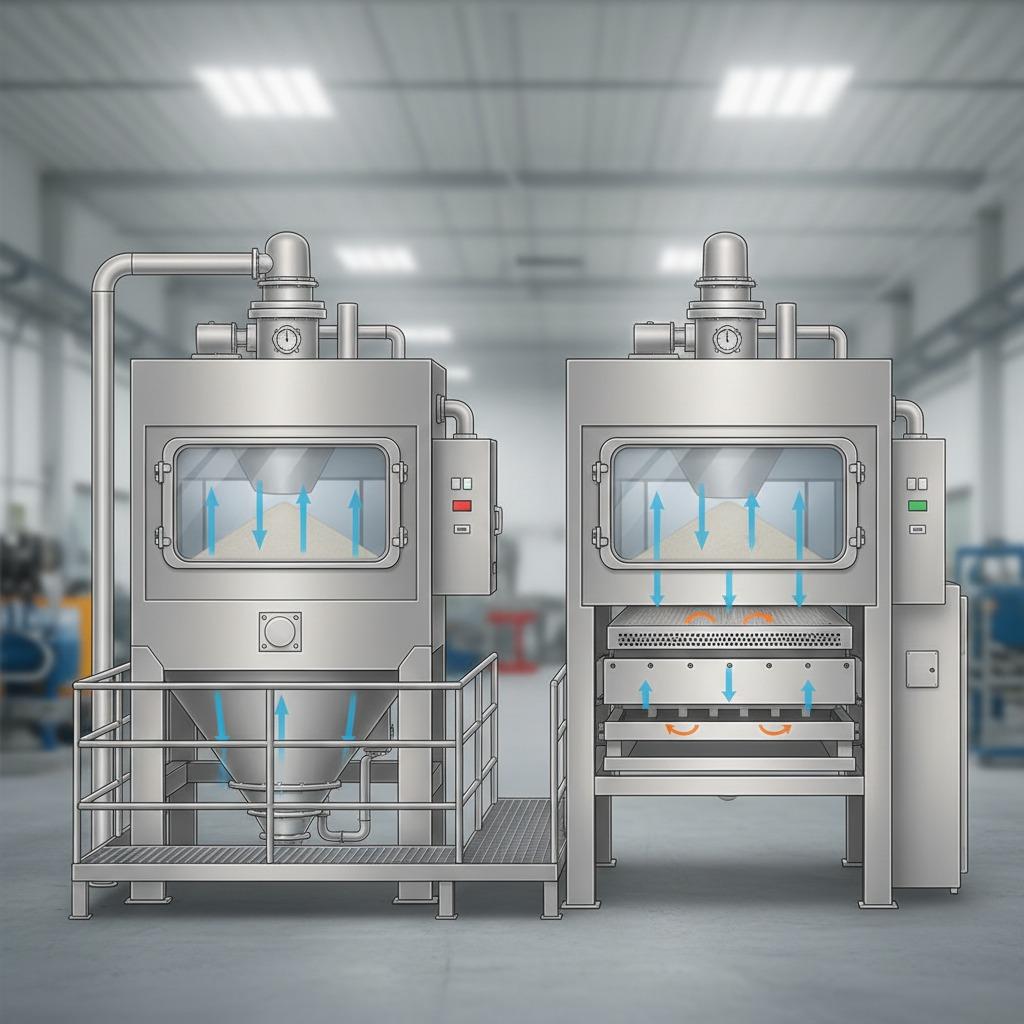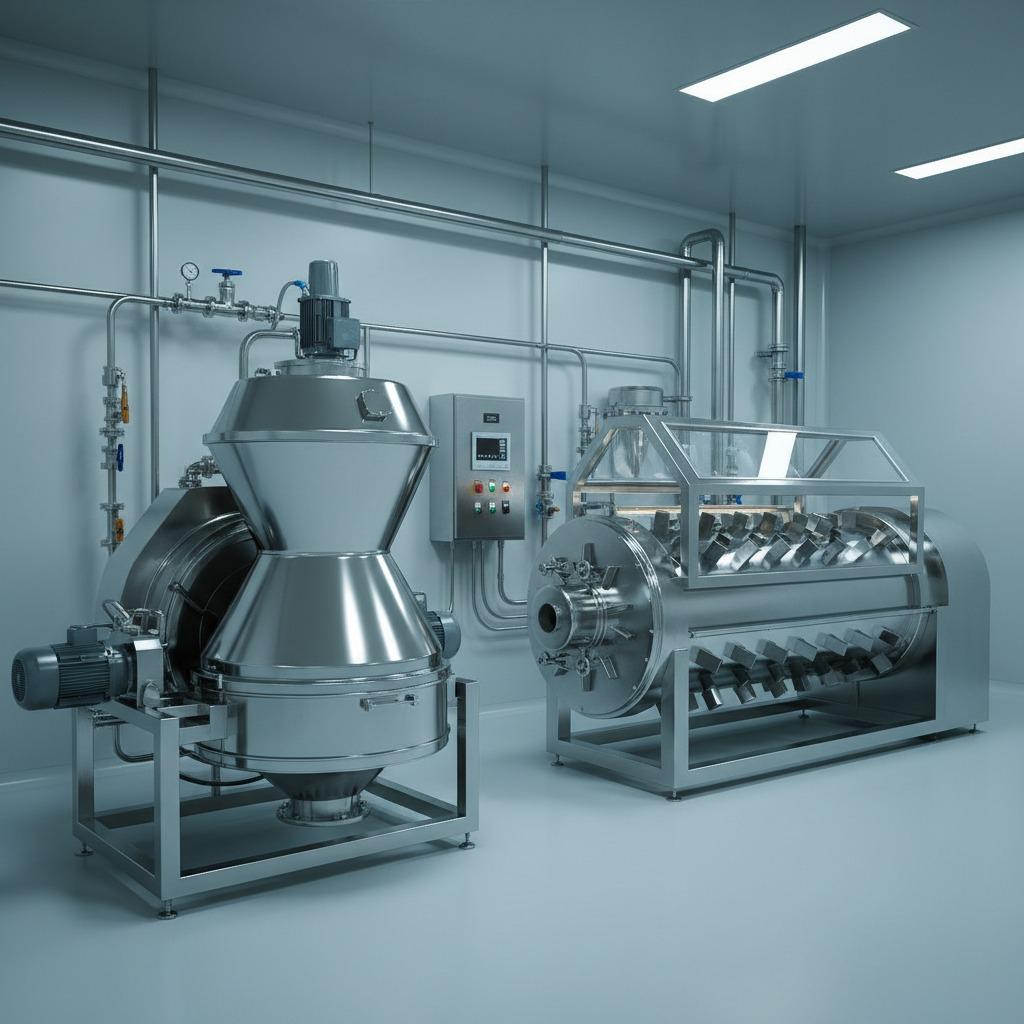
Disadvantages of Rotary Dryers: What Buyers Should Know Before They Commit
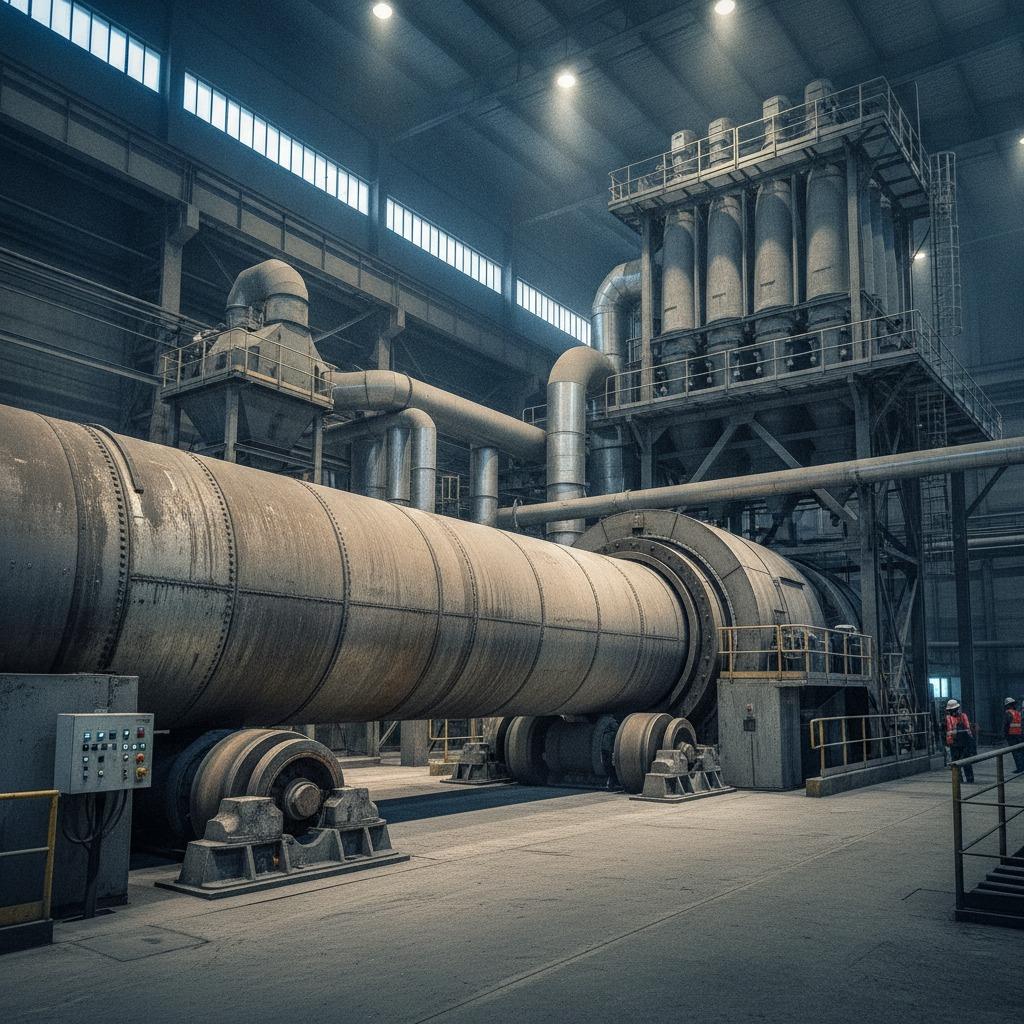
The disadvantages of rotary dryers are easy to overlook when a plant is trying to solve a moisture problem quickly. A rotary dryer looks simple from the outside: a rotating drum, an air system, and a steady feed of material moving through to a drier discharge. But anyone who has spent time around bulk solids knows that a dryer is never just a dryer. It affects energy use, floor space, dust handling, maintenance planning, and product quality all at once. If you are comparing drying technologies for sand, minerals, aggregates, biomass, fertilizers, or other granular materials, the real decision is not whether a rotary dryer can dry the product. It is whether its tradeoffs fit your process, your budget, and your tolerance for operational complexity.
This article focuses on the practical limits that matter to engineers, sourcing managers, and product teams. The point is not to dismiss rotary dryers. They remain common for good reasons. But they are not always the best answer, and in some plants they can become an expensive compromise if the upstream and downstream system is not ready for them.
Why rotary dryers stay popular anyway
Rotary dryers are widely used because they are rugged, familiar, and adaptable. A rotating shell can handle a range of feed sizes and throughputs, and the process is well understood in many industries. For abrasive or irregular materials, that matters. The equipment also scales well for continuous production, which is why it shows up so often in mineral processing, construction materials, agriculture, and waste-to-resource applications.
That said, a machine can be common and still have real drawbacks. In practice, the disadvantages of rotary dryers usually appear in five places: energy consumption, product control, equipment wear, footprint, and downstream emissions handling.
Key disadvantages of rotary dryers at a glance
If you need a quick working summary, here is the short version.
A rotary dryer can be a poor fit when:
It needs a lot of thermal energy to move moisture out of the product.
The process needs tight control over final moisture or temperature.
The material is fragile, sticky, dusty, or prone to degradation.
The plant is short on space or wants a compact layout.
Maintenance downtime has a high cost and rotating components are hard to service.
The exhaust stream requires substantial dust collection or air treatment.
Those are not minor issues. In many buying decisions, one of them is enough to change the equipment choice.
Energy use is often the first problem
The biggest complaint about rotary dryers is usually energy intensity. They move large volumes of heated gas through a drum, and a meaningful share of that heat can leave with the exhaust stream instead of staying in the product. If the material has high inlet moisture, the thermal load climbs quickly. If the plant is drying low-density or inconsistent feed, heat transfer can become less efficient still.
This is where plants sometimes underestimate total operating cost. The dryer itself may be competitively priced, but the fuel or power demand over years of operation can outweigh the purchase savings. That is especially true where energy prices are volatile or where the plant runs enough hours to make efficiency gains visible on the monthly ledger.
A practical caution: drying systems are often compared on nameplate capacity, but capacity without energy context can be misleading. Two dryers can both move the same tonnage and still have very different cost profiles.
Moisture control can be less precise than buyers want
Another disadvantage of rotary dryers is control precision. Because residence time depends on drum design, slope, rotation speed, fill level, material behavior, and inlet conditions, final moisture can drift when feed conditions change. That is manageable for many bulk applications, but it is not ideal when the product must meet a narrow specification.
For example, a downstream packaging line, pelletizing system, or chemical blending process may not tolerate wide swings in moisture content. Small variations can affect flowability, storage stability, agglomeration, or reactivity. Operators can tune a rotary dryer, but they are still balancing a moving set of variables.
In everyday plant terms, this means the dryer may do fine on a stable feed and become much less cooperative once the upstream process changes. If your material source varies by season, supplier, or lot, that issue deserves attention early.
Material degradation is a real risk for some products
Rotary drums are not especially gentle. Material tumbles, cascades, and collides inside the shell. For many products that is acceptable, even useful, because it improves contact with hot gas and breaks up small agglomerates. For fragile materials, though, the same action can be a liability.
Products that are brittle, friable, or sensitive to surface damage can generate more fines in a rotary dryer. Excess fines can hurt yield, increase dust loading, and create handling issues later in the process. In other cases, the product may overheat in localized zones if the process is not well balanced, which can change appearance or functional properties.
This is one of those areas where plant teams should be careful not to assume “drying” is a neutral operation. It is a mechanical and thermal stress event. If the product’s commercial value depends on particle integrity, that needs to be tested, not guessed.
Wear and maintenance can be heavier than expected
A rotary dryer includes a shell, support rollers, drive components, seals, flights or lifters, and usually associated ducting and fans. That adds up to more wear points than the simplest drying alternatives. Abrasive feed can erode internal surfaces and flights. Seals may need regular inspection. Alignment and trunnion-related issues can affect smooth operation over time.
For a maintenance team, the concern is not just whether the machine can be repaired. It is whether those repairs require planned shutdowns, specialized labor, or hard-to-source replacement parts. Plants that run continuously often focus on uptime, and a dryer with recurring mechanical attention can become a hidden bottleneck.
The useful buyer question is not “Will it last?” but “What will routine care look like after year two?” That answer is often more important than the brochure.
Floor space and layout can be awkward
Rotary dryers are not always compact. Depending on capacity and configuration, they may require a long installation footprint, plus room for feed, discharge, exhaust treatment, access platforms, and maintenance clearance. In tight facilities, that can complicate both new installations and retrofits.
Space is not just a construction concern. Long equipment runs can affect material transfer points, dust containment, and operator access. If a plant is already crowded, the dryer may force compromises elsewhere in the line.
A good layout review should include the full system, not just the shell. Once ducts, burners, fans, hoppers, and access paths are added, the footprint can be more demanding than the first drawing suggests.
Dust and emissions handling deserve more attention than some teams expect
Rotary dryers can generate dust, especially when handling fine, friable, or dry feed. Exhaust gas may carry entrained particles, which means the plant may need cyclones, bag filters, or other collection equipment to keep emissions under control and recover product. That adds cost, maintenance, and complexity.
The point is not that dust is unique to rotary dryers. It is that the dryer often becomes the center of the dust-management problem because it moves a lot of air and handles a lot of particulate material. In regulated facilities or sensitive neighborhoods, that can be a serious decision factor.
When a rotary dryer is still the right choice
Despite the disadvantages of rotary dryers, they are still a sensible choice for many operations. They can be a good fit when the material is rugged, throughput is steady, and the plant values mechanical simplicity over precision. They also make sense when a proven process is more valuable than chasing a smaller footprint or a more complex control scheme.
If your material is abrasive, variable, or large in particle size, the rotary format can actually be more forgiving than other technologies. In other words, the same design that creates inefficiencies in one application can provide durability in another.
How to compare rotary dryers against other options
A useful comparison should be based on process conditions, not only machine category. Buyers should look at:
Feed moisture range and variability
Target final moisture and acceptable drift
Particle size, friability, and dust generation
Available fuel or thermal energy source
Space constraints and utilities
Maintenance staffing and shutdown tolerance
Exhaust treatment requirements
Total cost of ownership, not just purchase price
This is where teams sometimes make a common mistake: they compare capital quotes before they compare process risk. A lower-priced dryer may cost more if it drives extra energy use, product losses, or maintenance interventions.
Common buyer mistakes
One mistake is sizing the dryer only for average conditions. Average is not what creates headaches; peak moisture and poor feed consistency do.
Another is ignoring upstream feed preparation. If the incoming material is badly screened, oversized, or inconsistent, the dryer is forced to compensate for problems it cannot solve efficiently.
A third mistake is underestimating emissions hardware. The dryer may be selected as a thermal solution, but the plant still has to handle exhaust, dust, and recovery of fine product.
And finally, teams sometimes focus too much on throughput and too little on product quality. A dryer that processes material quickly but changes its physical characteristics may not be a win.
FAQ: quick buyer questions
Are rotary dryers inefficient?
Not always, but they can be energy intensive compared with more targeted drying systems. Efficiency depends on the material, heat source, and system design.
Do rotary dryers damage product?
They can, especially for friable or fragile materials. The tumbling action helps drying but can also create fines or surface wear.
Are they hard to maintain?
They are not exotic, but they do have multiple wear components. Routine inspection and alignment matter.
Is a rotary dryer good for variable feed?
It can handle variation better than some systems, but moisture control may become less stable if feed conditions swing widely.
What to do next
If you are evaluating the disadvantages of rotary dryers for a new line or a retrofit, start with the material itself. Define how sensitive it is to heat, attrition, dust, and moisture drift. Then compare the full operating picture: energy, emissions, maintenance, and footprint. That is usually where the real answer appears.
The right dryer is not the one with the simplest sales pitch. It is the one that fits the material, the plant, and the people who have to keep it running after commissioning. If you are still early in the selection process, build a short list of process questions first and use those to pressure-test the technology before you commit to a layout or a quote.