Understanding Mixing Equipment: Essential Tools for Industrial Precision
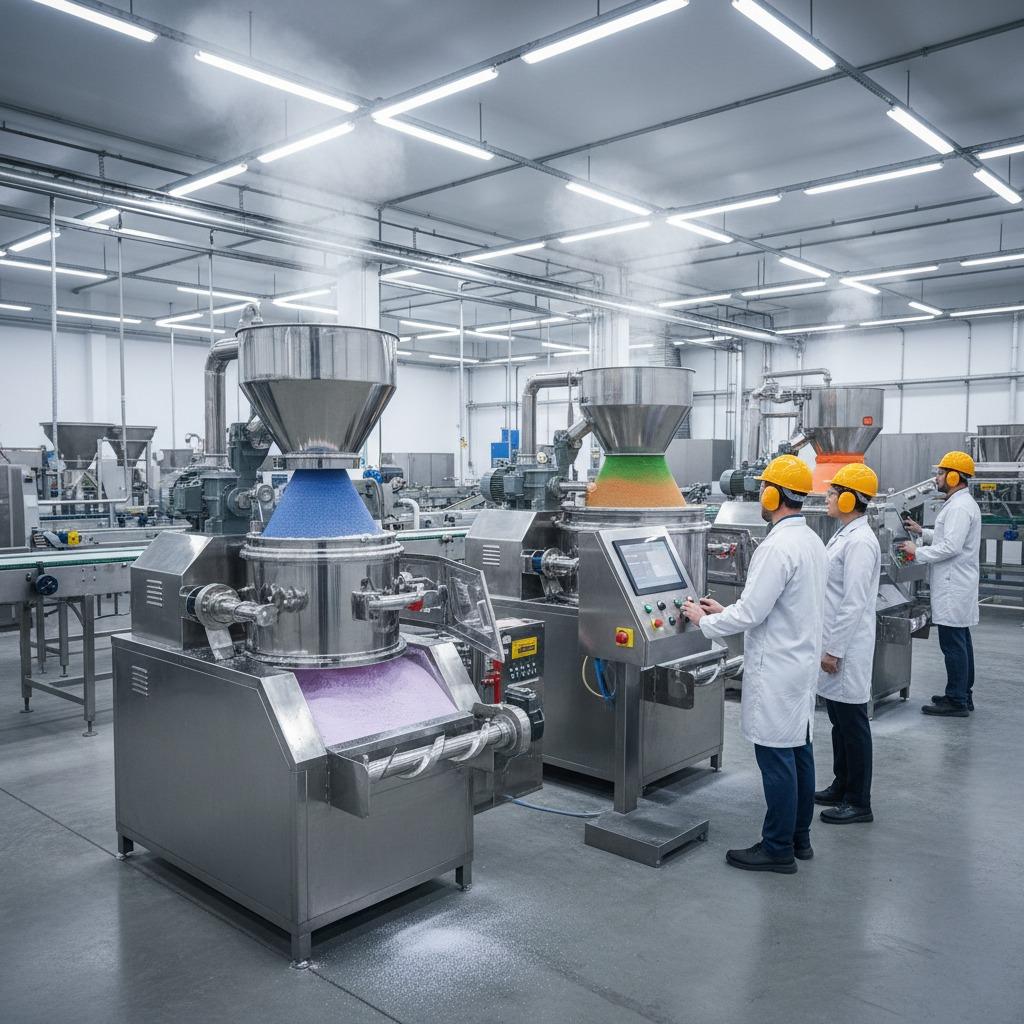
In the world of industrial manufacturing, mixing equipment plays a pivotal role in ensuring the seamless integration of materials for various applications, from pharmaceuticals to food processing. This article delves into the intricacies of mixing equipment, exploring its types, benefits, and innovations that drive efficiency in modern production lines. Whether you're optimizing a production process or scaling operations, understanding the right mixing equipment can transform your workflow.
The Fundamentals of Mixing Equipment
Mixing equipment refers to a broad category of machinery designed to combine ingredients uniformly, often in powder or granular form. These machines are essential in industries where consistency is key to product quality. For instance, in food production, mixing equipment ensures that flavors and textures are evenly distributed, while in pharmaceuticals, it guarantees precise dosages in formulations. The evolution of this technology has led to diverse models tailored to specific needs, emphasizing durability, hygiene, and operational speed. Modern mixing equipment often incorporates stainless steel construction to meet regulatory standards, reducing contamination risks and extending equipment lifespan. By selecting the appropriate mixing equipment, manufacturers can minimize waste, enhance productivity, and achieve superior results in every batch.
Exploring Industrial Powder Blenders
Among the standout categories of mixing equipment is the industrial powder blender, a specialized device engineered for handling dry powders with exceptional uniformity. Industrial powder blenders operate on principles of gentle agitation, preventing segregation of particles that could compromise product integrity. These machines are particularly vital in sectors like nutraceuticals and cosmetics, where particle size and blend homogeneity directly impact efficacy. A typical industrial powder blender features a rotating mechanism that tumbles contents within a sealed chamber, promoting thorough mixing without introducing heat or shear forces that might degrade sensitive ingredients. Innovations in this area include variable speed controls and automated timers, allowing operators to customize cycles for different batch sizes. The stainless steel variants, often polished for easy sanitation, align with GMP standards, making them indispensable in clean-room environments. Investing in a high-quality industrial powder blender not only streamlines processes but also reduces downtime, as their robust design withstands rigorous daily use. For businesses aiming to scale, these blenders offer scalability, from pilot-scale units to large-capacity models handling thousands of liters.
Insights into Powder Blending Equipment
Powder blending equipment represents another cornerstone in the mixing equipment arsenal, focusing on achieving homogeneous mixtures for powdered substances. This type of equipment is optimized for industries requiring precise control over blend quality, such as chemical manufacturing and agriculture. Powder blending equipment typically employs ribbon, paddle, or tumbler mechanisms to facilitate even distribution, countering issues like clumping or uneven flow. One of the key advantages is their adaptability; many models allow for the addition of liquids or additives during the blending cycle, expanding their utility. In terms of design, powder blending equipment often includes features like transparent inspection ports for real-time monitoring and quick-release clamps for swift cleaning between runs. Energy efficiency is a growing focus, with newer iterations incorporating low-power motors that maintain high performance without excessive energy consumption. For pharmaceutical applications, powder blending equipment must adhere to stringent validation protocols, ensuring reproducibility across batches. By integrating such equipment into production lines, companies can enhance yield rates and compliance, ultimately driving cost savings and market competitiveness.
Types of Powdered Ingredient Mixers
When it comes to powdered ingredient mixer types, the selection process involves evaluating operational needs against available designs, each offering unique benefits within the broader spectrum of mixing equipment. Common types include the V-blender, ribbon mixer, and double cone blender, each suited to particular material properties and volume requirements. The V-blender, for example, uses a V-shaped vessel that rotates to create a cascading effect, ideal for fragile powders that require minimal impact. Ribbon mixers, on the other hand, feature helical blades that sweep materials in opposing directions, excelling in viscous or sticky powders. Double cone blenders, with their symmetrical cones, promote free-flowing blends through gravity-assisted tumbling, making them perfect for large-scale operations in food and pharma. Each powdered ingredient mixer type prioritizes safety, with elements like interlocking guards and overload protection to prevent accidents. Maintenance is straightforward across these types, often involving simple disassembly for thorough cleaning. Understanding these powdered ingredient mixer types enables informed decisions, ensuring that the chosen equipment aligns with production goals, whether for batch or continuous processing. Innovations continue to emerge, such as smart sensors for automated adjustments, further refining the efficiency of these mixers.
Advanced Innovations in Mixing Equipment
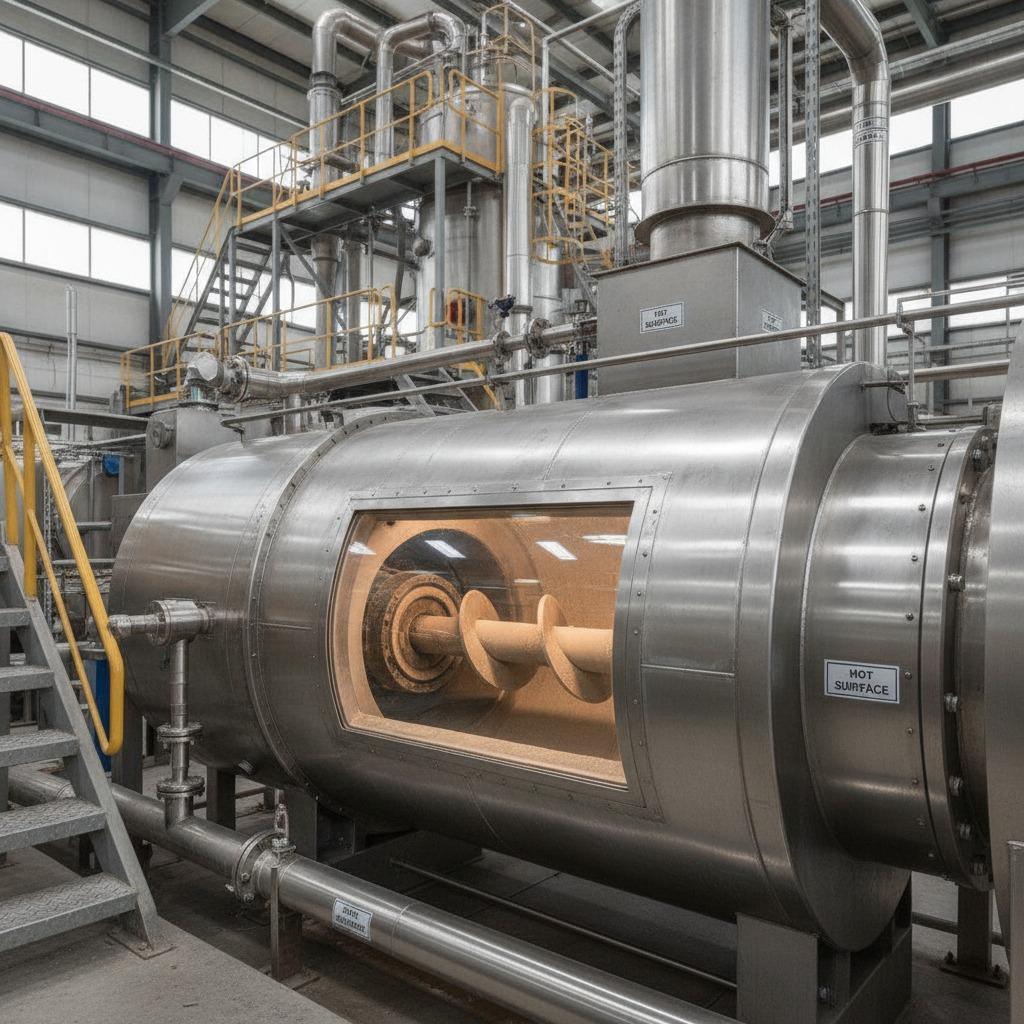
The landscape of mixing equipment is rapidly advancing, with innovations like the state-of-the-art stainless steel powder blender leading the charge. This cutting-edge industrial powder blender is crafted for precision in pharmaceutical and food processing, featuring a rotating barrel that minimizes waste while achieving uniform blends. Its hygienic design, compliant with industry standards, includes intuitive controls for high-speed operations in sterile environments. Similarly, the advanced industrial horizontal mixer boasts a cylindrical, corrosion-resistant build, elevated on a safe platform for easy access. This powder blending equipment excels in large-scale production, offering adjustable settings for consistent results across diverse materials. Another highlight is the Double Cone Blender, a pinnacle of efficiency with its cascading design that ensures homogenous mixes of powders and granules. Equipped with safety features like emergency stops and secure lids, this powdered ingredient mixer type is user-friendly and easy to maintain, promoting high hygiene in demanding facilities. These innovations not only enhance productivity but also integrate seamlessly into automated lines, reducing manual intervention and operational costs.
Selecting the Right Mixing Equipment for Your Needs
Choosing the ideal mixing equipment requires a thorough assessment of factors like material type, batch size, and regulatory requirements. For powder-focused operations, an industrial powder blender or double cone model might be optimal, while horizontal mixers suit bulk handling. Consider throughput rates, energy usage, and ease of integration with existing systems. Testing samples or piloting equipment can reveal performance nuances, ensuring a fit that boosts overall efficiency. Ultimately, the right mixing equipment investment yields long-term returns through reliable, high-quality production.
Maintenance and Best Practices for Mixing Equipment
To maximize the lifespan of mixing equipment, regular maintenance is crucial. This includes daily inspections for wear, lubrication of moving parts, and adherence to cleaning protocols to prevent cross-contamination. For powder blending equipment, using validated sanitizers ensures compliance with hygiene standards. Training operators on safe usage and troubleshooting extends equipment reliability. By following these practices, facilities can avoid costly repairs and maintain consistent output.
In summary, mixing equipment, encompassing industrial powder blenders, powder blending equipment, and various powdered ingredient mixer types, forms the backbone of efficient industrial processes. Embracing these technologies empowers manufacturers to achieve precision, safety, and innovation in their operations.