Understanding Mixing Equipment: Essential Tools for Industrial Precision
In the world of industrial manufacturing, mixing equipment plays a pivotal role in ensuring product quality and efficiency. This machinery is indispensable for blending various materials uniformly, particularly in sectors like pharmaceuticals, food processing, and chemicals. As industries evolve, the demand for advanced mixing equipment has surged, offering solutions that minimize waste and maximize output. Whether you're handling dry powders or granules, selecting the right type of equipment can transform your production line. This article explores the fundamentals of mixing equipment, focusing on key variants such as the industrial powder blender, powder blending equipment, and various powdered ingredient mixer types, to help you make informed decisions for your operations.
The Role of Industrial Powder Blenders in Modern Manufacturing
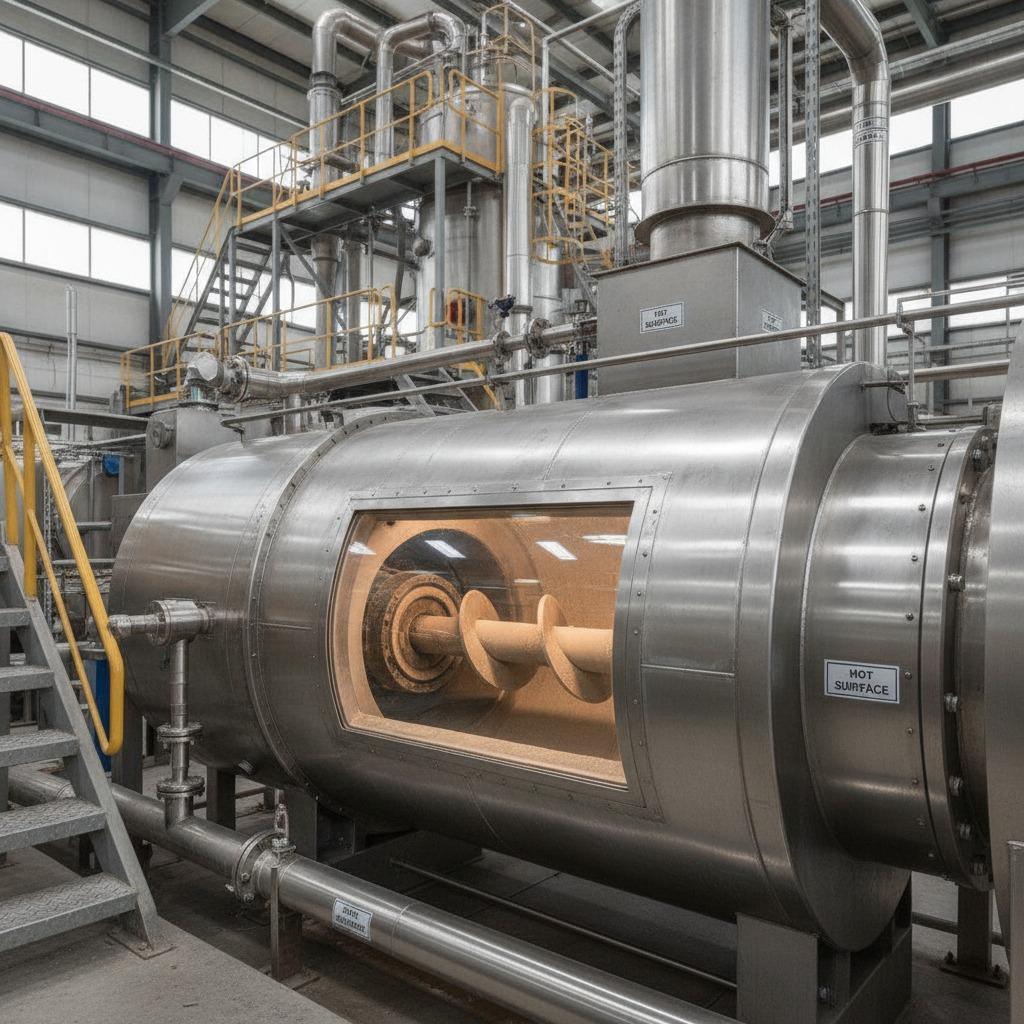
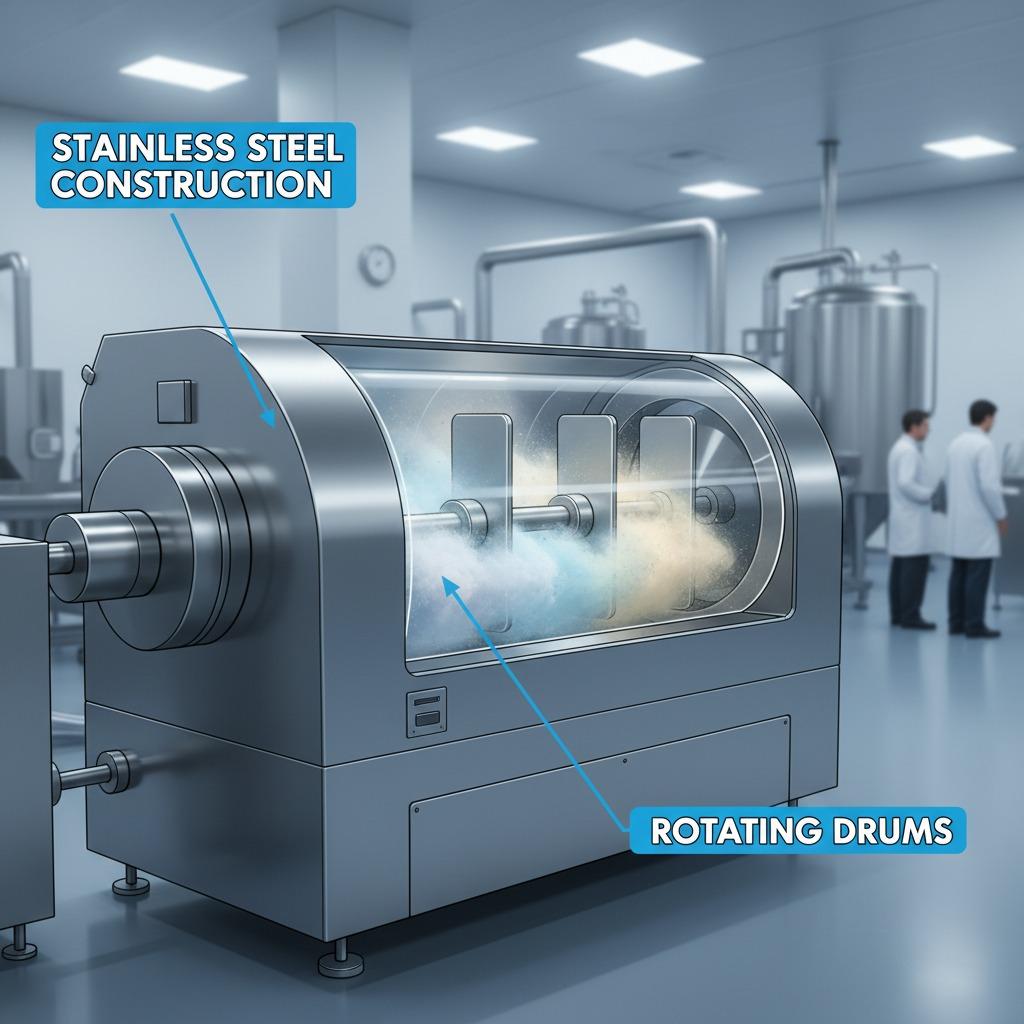
Industrial powder blenders represent a cornerstone of efficient material processing. These machines are engineered to handle large volumes of powders with precision, ensuring that every particle is evenly distributed. Unlike basic stirrers, an industrial powder blender incorporates advanced mechanisms like rotating drums or multi-axis movements to achieve homogeneity quickly. For instance, in pharmaceutical production, where consistency is critical for drug efficacy, these blenders prevent clumping and segregation, leading to superior batch quality. The high-efficiency models often feature all-stainless-steel construction, which not only withstands rigorous use but also facilitates easy cleaning to meet stringent hygiene standards. Moreover, their compact designs make them suitable for space-constrained facilities without compromising on performance. Investing in a reliable industrial powder blender can reduce mixing times by up to 50%, streamlining workflows and boosting overall productivity. As technology advances, these blenders integrate intuitive controls that allow operators to adjust speeds and angles seamlessly, adapting to diverse material viscosities and densities.
Exploring Powder Blending Equipment for Versatile Applications
Powder blending equipment encompasses a broad range of devices tailored to specific industrial needs, from small-scale labs to massive production floors. This category includes ribbon blenders, tumble blenders, and more specialized units that ensure thorough integration of ingredients. One standout is the Three-Dimensional Motion Mixer, which operates on three axes to create a gentle yet effective tumbling action. This design significantly cuts down on mixing duration while preserving the integrity of sensitive powders, making it ideal for food and cosmetic formulations. Constructed with robust steel frames and polished finishes, such powder blending equipment adheres to regulatory requirements for contamination-free operations. The V-Type Powder Mixer Blender, another popular choice within this equipment lineup, utilizes a unique V-shaped chamber where dual cylinders rotate 360 degrees, allowing materials to crisscross and blend uniformly. This results in minimal shear force, which is crucial for fragile granules. Equipped with secure lids and easy-discharge valves, these machines enhance user convenience, reducing loading and unloading times. In chemical industries, powder blending equipment like these ensures precise ratios, preventing costly errors and rework. Their ergonomic interfaces further simplify adjustments for speed and duration, empowering teams to maintain high standards effortlessly.
Diving into Powdered Ingredient Mixer Types and Their Benefits
When it comes to powdered ingredient mixer types, variety is key to addressing unique processing challenges. Common types include the high-shear mixers for rapid dispersion, paddle mixers for gentle blending, and conical screw mixers for handling cohesive powders. Each type offers distinct advantages; for example, the V-Type Powder Mixer excels in achieving homogeneity without excessive heat generation, which could degrade heat-sensitive ingredients. In manufacturing environments, selecting the appropriate powdered ingredient mixer type can optimize energy use and minimize downtime. The adaptable angle mechanisms in some mixers allow for customizable mixing paths, ensuring even distribution regardless of batch size. For pharmaceutical applications, mixers with sanitary designs, such as those made from grade 316 stainless steel, comply with FDA guidelines, providing peace of mind for quality control. The rotating drum feature in many powdered ingredient mixer types enhances speed and uniformity, often completing blends in minutes rather than hours. Beyond functionality, these mixers boast sleek aesthetics that integrate well into modern production setups, contributing to a professional workspace. By understanding the nuances of different powdered ingredient mixer types, businesses can select equipment that aligns with their scalability needs, ultimately driving cost savings and innovation.
Key Features and Innovations in Contemporary Mixing Equipment
Modern mixing equipment is evolving with innovations that prioritize efficiency, safety, and sustainability. Features like automated control panels enable precise programming of cycles, reducing human error and ensuring reproducibility across batches. In industrial powder blenders, the incorporation of variable frequency drives allows for fine-tuned speed control, accommodating a wide array of powder characteristics—from fine talcs to coarse granules. Powder blending equipment now often includes safety interlocks and transparent viewing ports, allowing operators to monitor processes without halting operations. The Three-Dimensional Motion Mixer, for instance, reduces material residue through its efficient tumbling, promoting cleaner transitions between batches and lowering cross-contamination risks. Similarly, the V-Type Powder Mixer Blender's 360-degree rotation maximizes material interaction, yielding blends with variance as low as 1-2%, far surpassing traditional methods. Durability is another hallmark, with corrosion-resistant materials extending equipment lifespan and reducing maintenance costs. For industries focused on eco-friendliness, energy-efficient motors in these machines cut power consumption without sacrificing performance. As automation integrates with IoT capabilities, mixing equipment can now provide real-time data on blend quality, empowering predictive maintenance and process optimization.
Selecting the Right Mixing Equipment for Your Industry
Choosing the ideal mixing equipment requires evaluating factors like batch volume, material properties, and regulatory compliance. For high-volume operations, an industrial powder blender with a large capacity drum might be optimal, while smaller labs benefit from compact powder blending equipment. Consider the powdered ingredient mixer types that align with your workflow—V-type for dry powders or three-dimensional for multi-component mixes. Always prioritize machines with easy-to-clean designs to uphold hygiene, especially in food and pharma sectors. Testing equipment through pilot runs can reveal its suitability, ensuring it meets your uniformity and speed requirements. By focusing on versatile, user-friendly options, companies can future-proof their setups against evolving demands. Ultimately, high-quality mixing equipment not only enhances product consistency but also fosters operational excellence, positioning your business for long-term success in competitive markets.
In summary, from industrial powder blenders to advanced powder blending equipment and diverse powdered ingredient mixer types, the landscape of mixing equipment offers robust solutions for precision manufacturing. Embracing these technologies can elevate your production standards, driving efficiency and innovation across industries.