Understanding the Industrial Rotary Dryer: A Key to Efficient Material Processing
The industrial rotary dryer stands as a cornerstone in modern manufacturing, enabling efficient moisture removal from various materials. This versatile equipment, often referred to as a rotary drum dryer, is essential for industries dealing with bulk solids like powders, granules, and pastes. As a leading rotary dryer manufacturer, we prioritize innovation to deliver machines that enhance productivity while minimizing energy use. By uniformly heating materials through a rotating drum, the industrial rotary dryer ensures consistent drying results, making it indispensable for optimizing production lines.
Key Features of High Efficiency Rotary Dryers
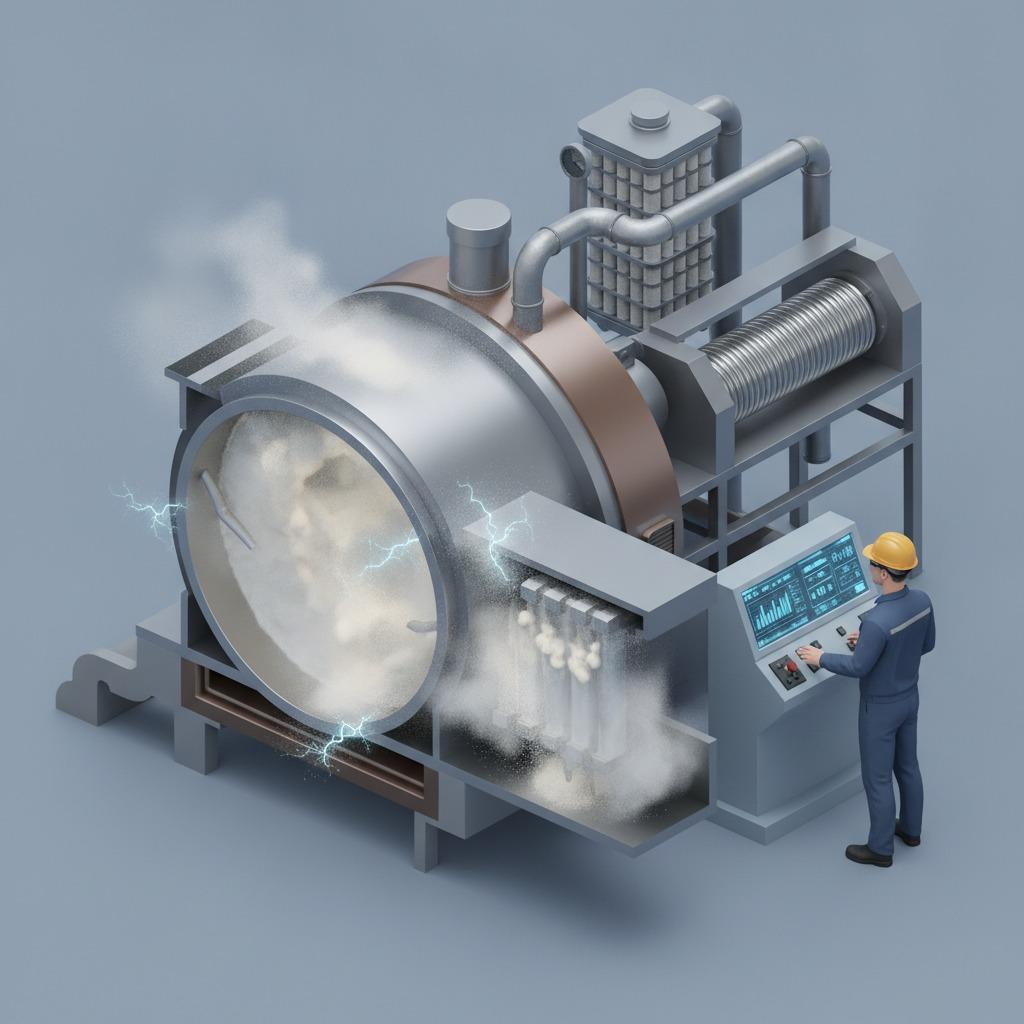
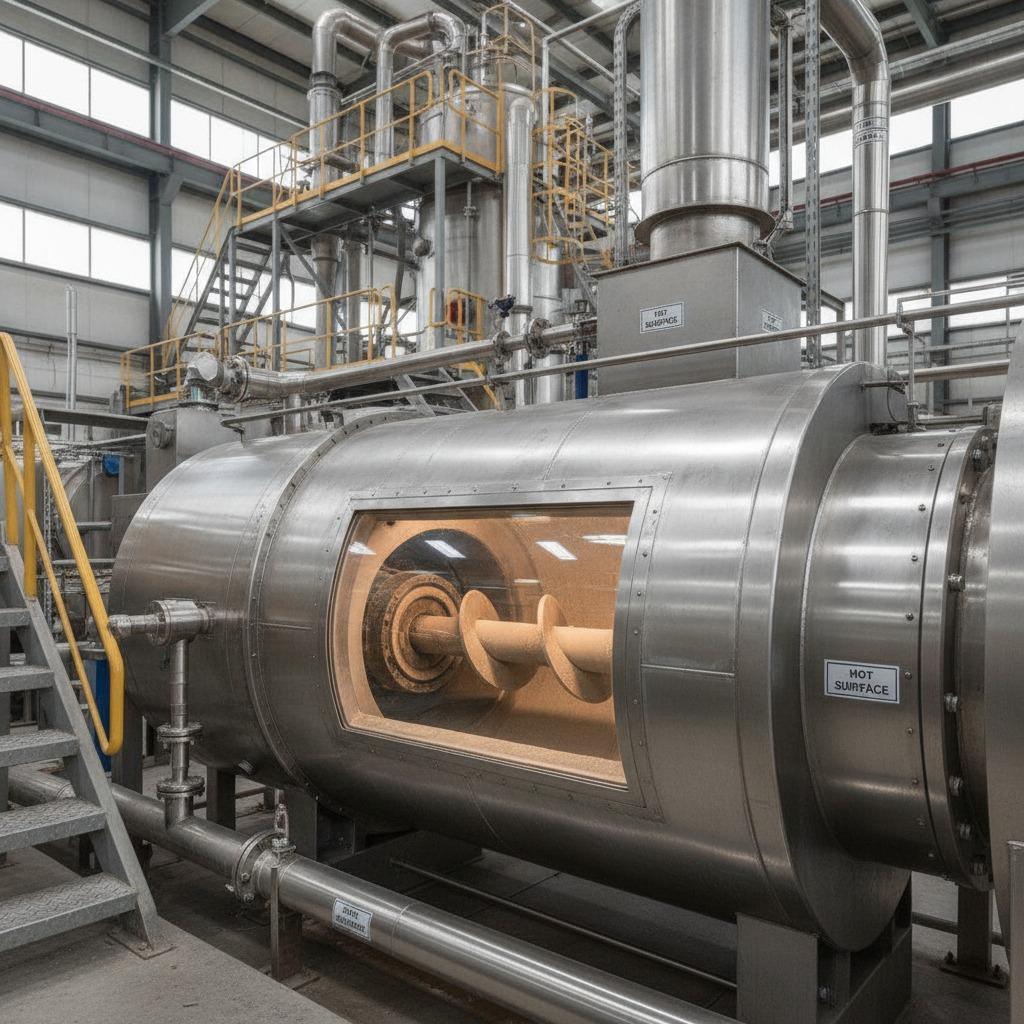
High efficiency rotary dryers are engineered with advanced technology to maximize performance and reduce operational costs. Constructed from high-grade stainless steel, these dryers resist corrosion and withstand demanding environments, ensuring long-term durability. The core design features a large cylindrical drum that rotates to facilitate even exposure of materials to hot air or gases, promoting rapid and uniform moisture evaporation. Integrated sensors and valves allow for real-time monitoring of temperature and airflow, enabling precise adjustments that prevent overheating or under-drying.
In addition to their robust build, high efficiency rotary dryers incorporate energy-saving mechanisms, such as optimized insulation and variable speed drives, which lower power consumption without compromising output. For instance, the visible piping systems facilitate easy maintenance, while safety covers protect operators from moving parts. These features make high efficiency rotary dryers ideal for continuous operation in busy facilities, where downtime must be minimized. As a trusted rotary dryer manufacturer, we focus on these elements to provide equipment that aligns with sustainable practices, reducing waste and environmental impact.
Applications of Industrial Rotary Dryers Across Industries
Rotary dryer applications span a wide array of sectors, showcasing the equipment's adaptability to diverse needs. In the food processing industry, industrial rotary dryers are used to dehydrate fruits, vegetables, and grains, preserving nutritional value while extending shelf life. The gentle tumbling action inside the drum prevents material degradation, ensuring high-quality output suitable for consumer products.
In pharmaceuticals, rotary dryer applications involve drying sensitive powders and granules under controlled conditions to meet stringent purity standards. The precise temperature regulation prevents contamination and maintains efficacy, making these dryers crucial for drug formulation processes. Chemical manufacturing benefits from rotary dryer applications in handling corrosive or hazardous materials, where the stainless steel construction provides a safe barrier against reactions.
Furthermore, in mining and agriculture, rotary dryer applications extend to processing ores, fertilizers, and biomass, where large-scale moisture removal is required. The versatility of the industrial rotary dryer allows customization for specific particle sizes and moisture levels, enhancing efficiency in resource-heavy operations. By exploring these rotary dryer applications, businesses can identify how this technology integrates into their workflows to boost throughput and product consistency.
Choosing the Right Rotary Dryer Manufacturer for Your Needs
Selecting a reliable rotary dryer manufacturer is pivotal to acquiring equipment that meets operational demands. A reputable manufacturer offers tailored solutions, from compact units for small-scale operations to expansive systems for high-volume production. Look for providers with a proven track record in delivering high efficiency rotary dryers that incorporate state-of-the-art controls, such as digital panels for automated operation and data logging for quality assurance.
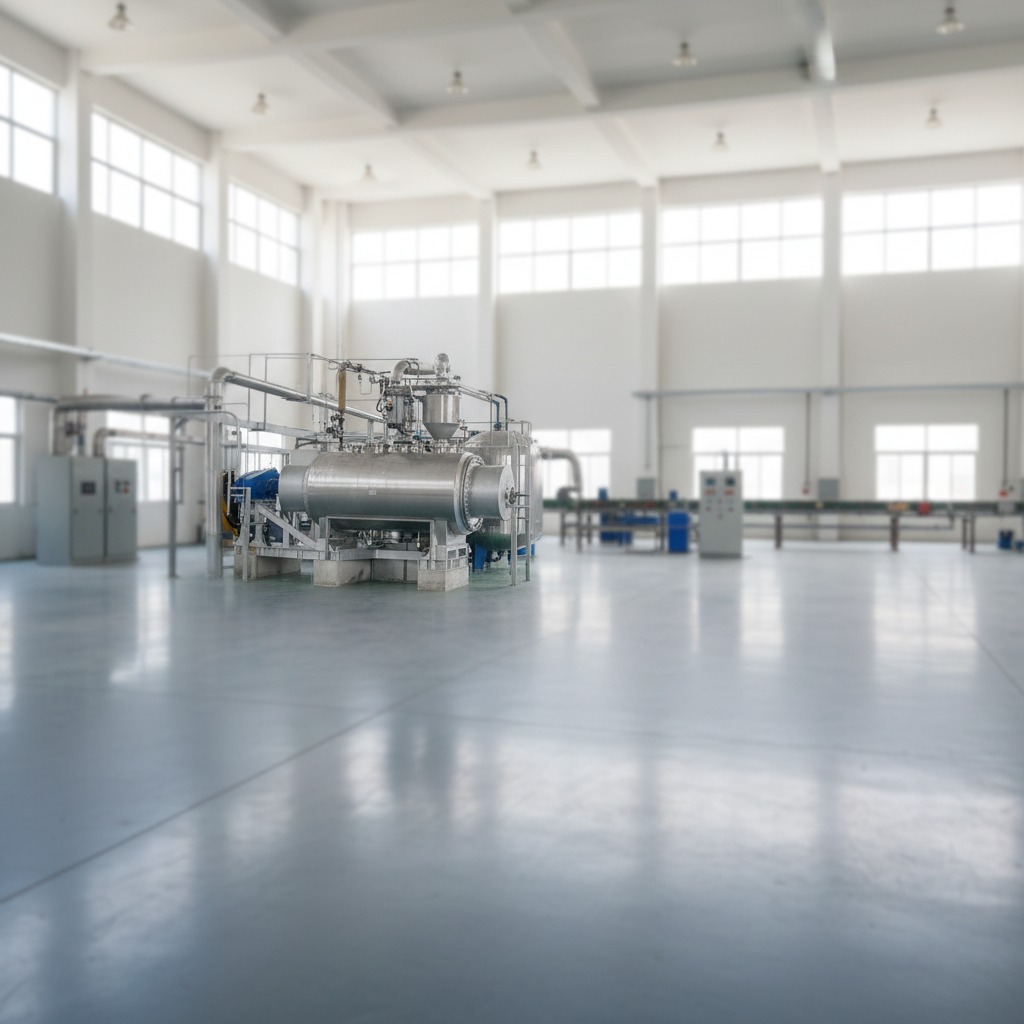
As an experienced rotary dryer manufacturer, we emphasize user-centric design, ensuring seamless installation into existing production lines. Our industrial rotary dryers feature streamlined structures that save space and simplify sanitation, complying with industry regulations like FDA standards for food and pharma applications. Moreover, partnering with a knowledgeable rotary dryer manufacturer provides access to ongoing support, including installation guidance, maintenance training, and customization services to adapt to evolving needs.
When evaluating options, consider the manufacturer's commitment to innovation and sustainability. High efficiency rotary dryers from forward-thinking rotary dryer manufacturers often include features like heat recovery systems, which recycle exhaust gases to cut energy use by up to 30%. This not only lowers costs but also supports eco-friendly goals, making it a smart investment for long-term viability.
Maintenance and Optimization Tips for Industrial Rotary Dryers
Proper maintenance is essential to sustain the performance of an industrial rotary dryer over its lifespan. Regular inspections of the drum's interior, seals, and drive mechanisms help identify wear early, preventing costly breakdowns. Cleaning the exhaust systems and filters ensures optimal airflow, maintaining the high efficiency that these dryers are known for.
For rotary dryer applications in harsh environments, routine checks on corrosion-resistant coatings and lubrication points are crucial. Implementing a predictive maintenance schedule using the built-in sensors can forecast issues, allowing proactive interventions. As a rotary dryer manufacturer, we recommend training staff on operational best practices to maximize uptime and safety.
Optimization strategies include adjusting rotation speeds and air volumes based on material characteristics, which can further enhance drying efficiency. By monitoring key metrics like moisture content and energy usage, operators can fine-tune processes for better results. These tips ensure that your industrial rotary dryer continues to deliver reliable performance across various rotary dryer applications.
The Future of Industrial Rotary Dryers in Sustainable Manufacturing
Looking ahead, the evolution of industrial rotary dryers promises even greater advancements in efficiency and versatility. With growing emphasis on sustainability, future models will likely integrate AI-driven controls for predictive drying cycles, reducing waste and energy demands. High efficiency rotary dryers will play a central role in circular economies, enabling the recycling of materials through precise moisture management.
Rotary dryer applications will expand into emerging fields like renewable energy, where drying biomass for biofuels requires robust, adaptable equipment. As rotary dryer manufacturers innovate, collaborations with industries will drive designs that address specific challenges, such as handling heat-sensitive materials or scaling for mega-factories.
Investing in an industrial rotary dryer today positions businesses for tomorrow's demands, fostering resilience and growth. By choosing quality from a dedicated rotary dryer manufacturer, companies can achieve superior drying outcomes while contributing to greener manufacturing practices. This forward-thinking approach underscores the enduring value of the industrial rotary dryer in industrial progress.