Understanding the Industrial Rotary Dryer: A Key to Efficient Bulk Material Processing
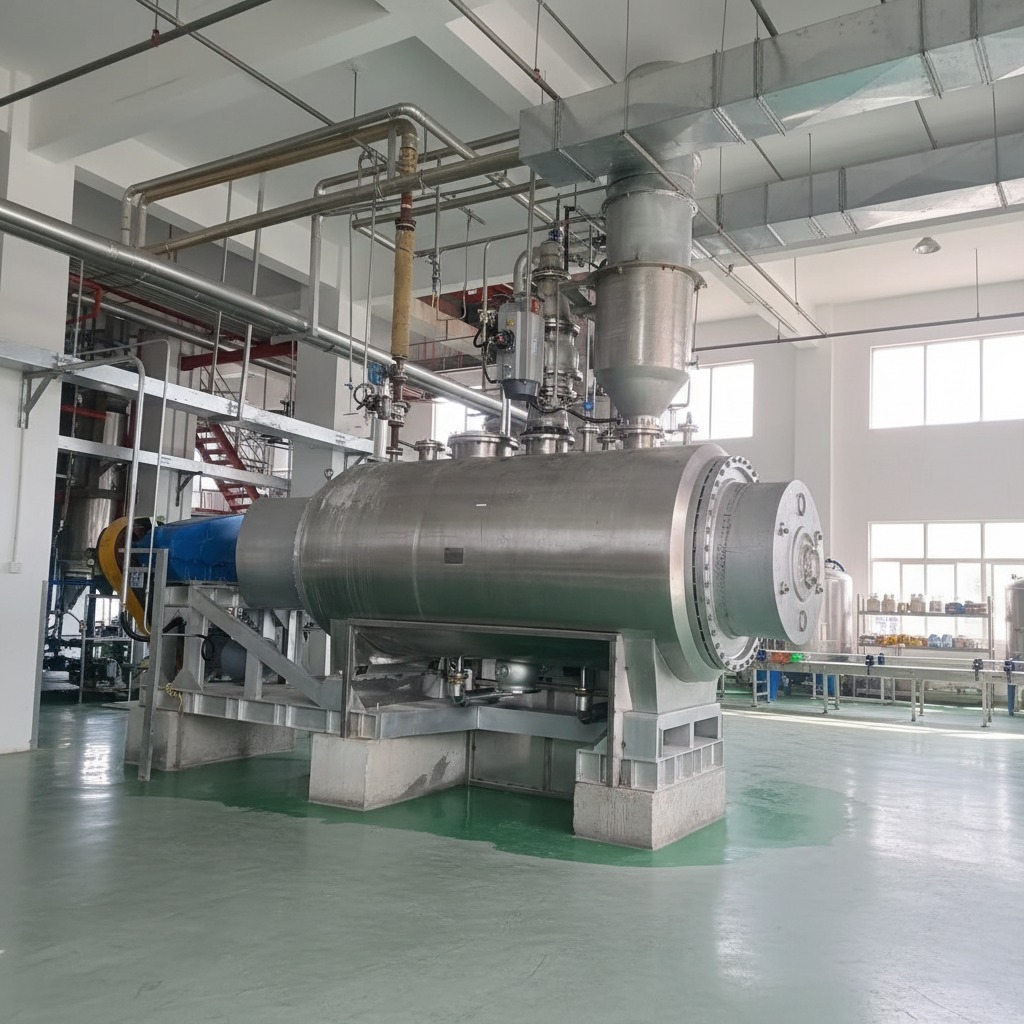
In the world of industrial processing, the industrial rotary dryer stands out as a vital piece of equipment for handling large volumes of materials efficiently. This machine, often referred to as a rotary drum dryer, is designed to remove moisture from bulk solids like granules, powders, and minerals through a continuous process involving heat and rotation. As industries strive for higher productivity and lower energy costs, the industrial rotary dryer has become indispensable in sectors such as mining, agriculture, and manufacturing. Its ability to process materials uniformly while minimizing waste makes it a cornerstone of modern drying operations.
What is an Industrial Rotary Dryer and How Does It Work?
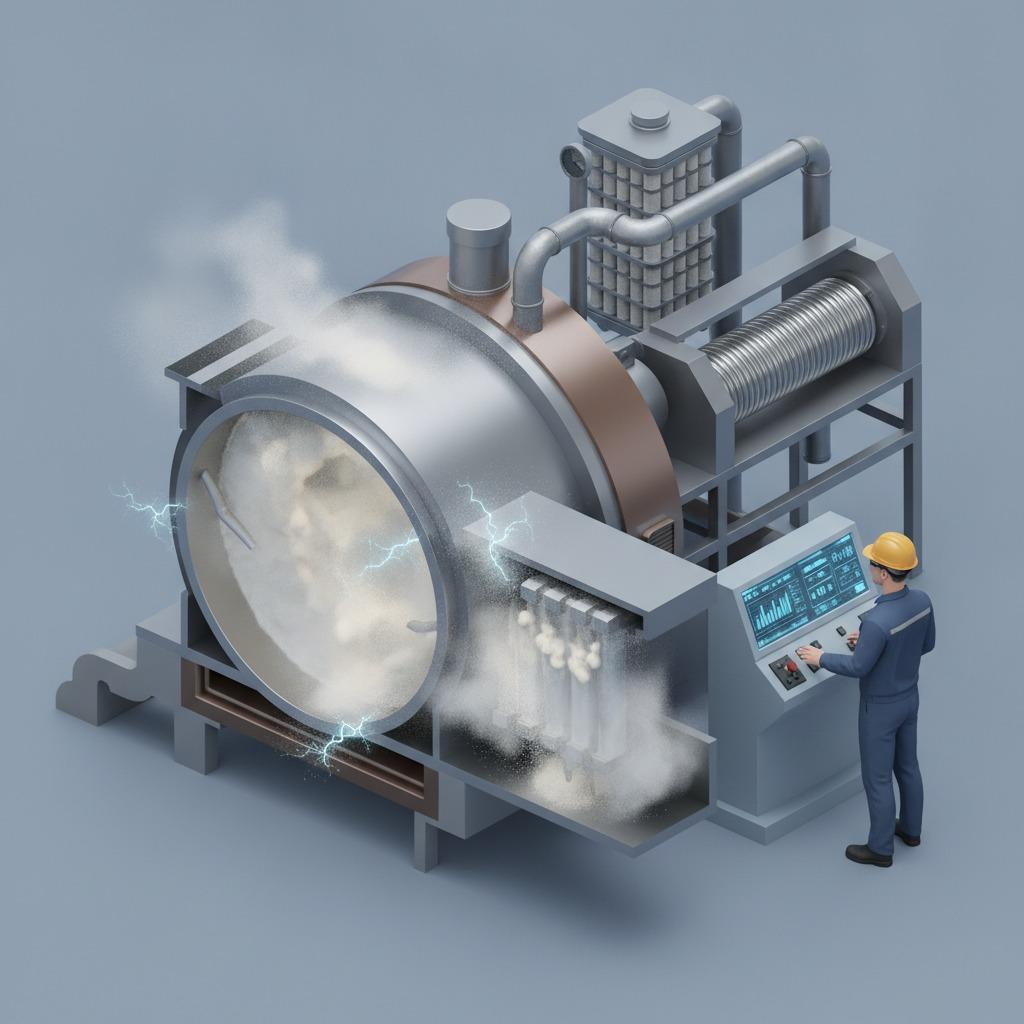
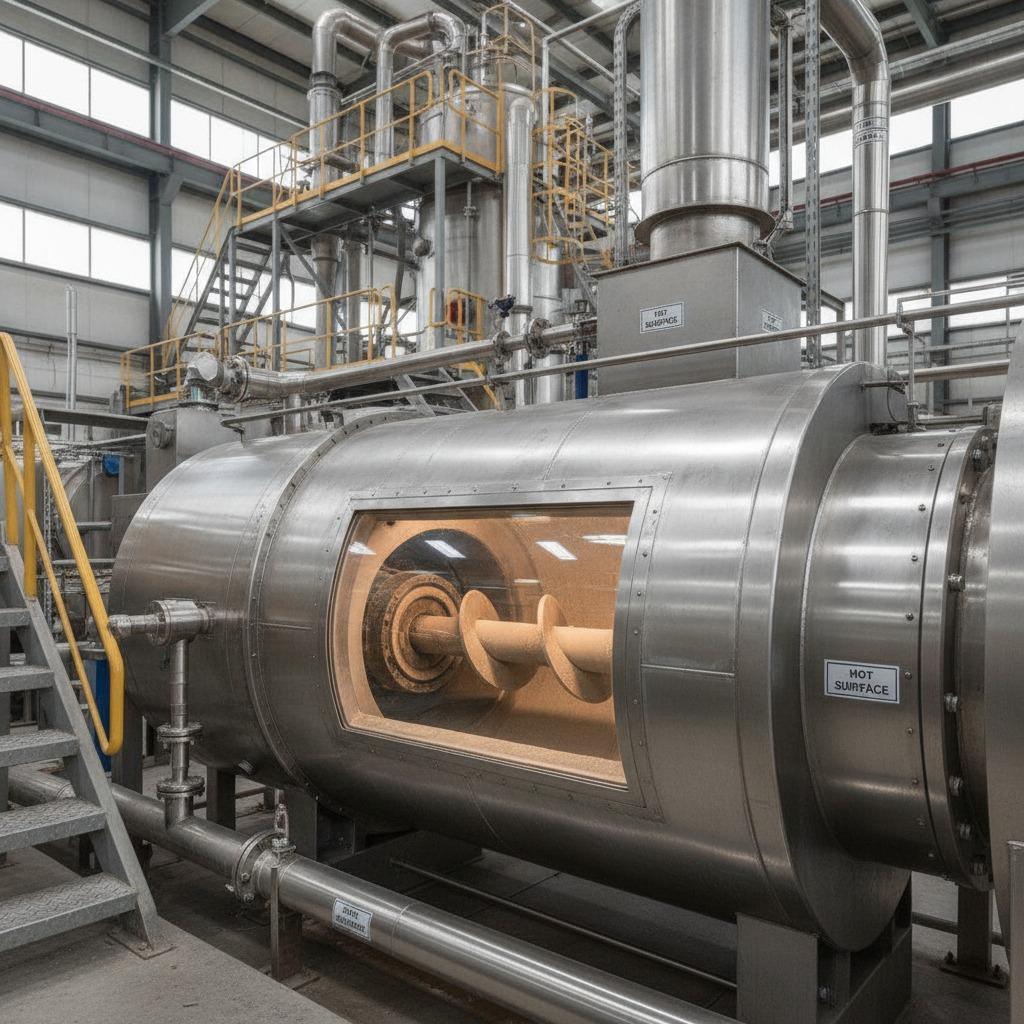
An industrial rotary dryer operates on a simple yet effective principle: materials are fed into a large, rotating cylindrical drum where hot air or gases circulate to evaporate moisture. The drum, typically made from high-grade stainless steel, ensures durability and resistance to corrosion, even under intense heat. As the drum rotates, lifting flights inside it cascade the material, exposing it evenly to the drying medium. This design promotes rapid and consistent drying, preventing hotspots or uneven moisture levels that could compromise product quality.
The process begins with the introduction of wet materials at one end of the drum, where they encounter counter-current or co-current hot air flows, depending on the application. Advanced models incorporate variable speed drives and temperature controls to fine-tune the drying parameters. Insulated jackets around the drum help retain heat, reducing energy loss and operational costs. By the time the material exits the other end, it is dry and ready for further processing or storage. This continuous operation sets the industrial rotary dryer apart from batch dryers, allowing for high throughput in demanding environments.
The Role of a Reputable Rotary Dryer Manufacturer in Quality Assurance
Selecting the right rotary dryer manufacturer is crucial for ensuring your equipment meets the specific needs of your operation. A reliable rotary dryer manufacturer focuses on engineering robust, customizable solutions that integrate seamlessly into existing production lines. These manufacturers use premium materials like stainless steel to withstand harsh conditions, and they often provide options for automation, such as PLC-based control systems for precise monitoring.
Leading rotary dryer manufacturers emphasize innovation, offering designs that enhance safety and efficiency. For instance, features like explosion-proof motors and automated shut-off valves protect against potential hazards in volatile environments. Moreover, a good manufacturer provides comprehensive support, from initial design consultations to after-sales service, ensuring minimal downtime. By partnering with an experienced rotary dryer manufacturer, businesses can achieve not only superior drying performance but also long-term savings through reduced maintenance and energy use. This expertise translates into equipment that boosts overall productivity and reliability.
Exploring High Efficiency Rotary Dryer Designs for Modern Industries
The high efficiency rotary dryer represents the pinnacle of drying technology, engineered to maximize output while minimizing resource consumption. These advanced units feature optimized airflow systems that ensure even heat distribution, reducing drying times by up to 30% compared to traditional models. Energy recovery mechanisms, such as heat exchangers, recapture exhaust heat to preheat incoming air, further cutting fuel needs. The result is a system that not only dries materials faster but also aligns with sustainability goals by lowering carbon footprints.
In practice, a high efficiency rotary dryer excels in applications requiring precise moisture control, such as drying wood chips for biomass fuel or fertilizers for agriculture. Its compact footprint allows for easy installation in space-constrained facilities, and modular components simplify upgrades. Regular maintenance, including cleaning of internal flights and inspection of seals, keeps these dryers performing at peak efficiency. Businesses adopting high efficiency rotary dryers often report significant improvements in product consistency and reduced waste, making them a smart investment for competitive markets.
Diverse Rotary Dryer Applications Across Key Sectors
Rotary dryer applications span a wide array of industries, showcasing the versatility of this equipment. In the food processing sector, rotary dryers are used to dehydrate fruits, vegetables, and grains, preserving nutritional value while extending shelf life. For example, drying pasta or cereal products requires gentle heat to avoid damaging delicate structures, and rotary dryers provide the controlled environment needed for this.
In pharmaceuticals and chemicals, rotary dryer applications ensure the safe removal of solvents from powders and granules, meeting stringent purity standards. The mining industry relies on them for drying ores and concentrates, facilitating easier transportation and processing. Even in wastewater treatment, rotary dryers transform sludge into usable biosolids, aiding environmental compliance. These applications highlight how rotary dryers adapt to various material properties, from sticky pastes to abrasive minerals, always delivering reliable results.
Beyond these, rotary dryer applications extend to emerging fields like biofuel production, where drying biomass efficiently is key to viable energy solutions. Customization options, such as varying drum sizes or heat sources (gas, steam, or electric), allow for tailored performance. As industries evolve, the adaptability of rotary dryers ensures they remain relevant, supporting innovations in sustainable manufacturing.
Benefits and Future Trends in Industrial Rotary Drying Technology
Investing in an industrial rotary dryer brings numerous benefits, including enhanced operational efficiency and cost savings. The uniform drying process minimizes product degradation, leading to higher quality outputs and reduced rework. Energy-efficient designs lower utility bills, while the durability of stainless steel construction extends equipment lifespan, often exceeding 20 years with proper care.
Safety is another critical advantage; modern units include features like pressure relief valves and temperature sensors to prevent accidents. From an environmental standpoint, efficient dryers reduce emissions, helping companies meet regulatory requirements. Looking ahead, future trends point toward smarter, IoT-enabled rotary dryers that provide real-time data analytics for predictive maintenance.
Integration with renewable energy sources, such as solar-heated air systems, is gaining traction, promising even greener operations. As demand for processed materials grows, the industrial rotary dryer will continue to evolve, driven by advancements from innovative rotary dryer manufacturers. For businesses aiming to stay ahead, embracing high efficiency rotary dryer technology and exploring diverse rotary dryer applications is essential for long-term success.
In summary, the industrial rotary dryer is more than just a drying tool—it's a strategic asset that drives efficiency and innovation across industries. By understanding its mechanics, selecting quality manufacturers, and leveraging its broad applications, companies can optimize their processes and achieve sustainable growth.