
Exploring Industrial Powder Coating Equipment: Efficiency and Innovation in Surface Finishing
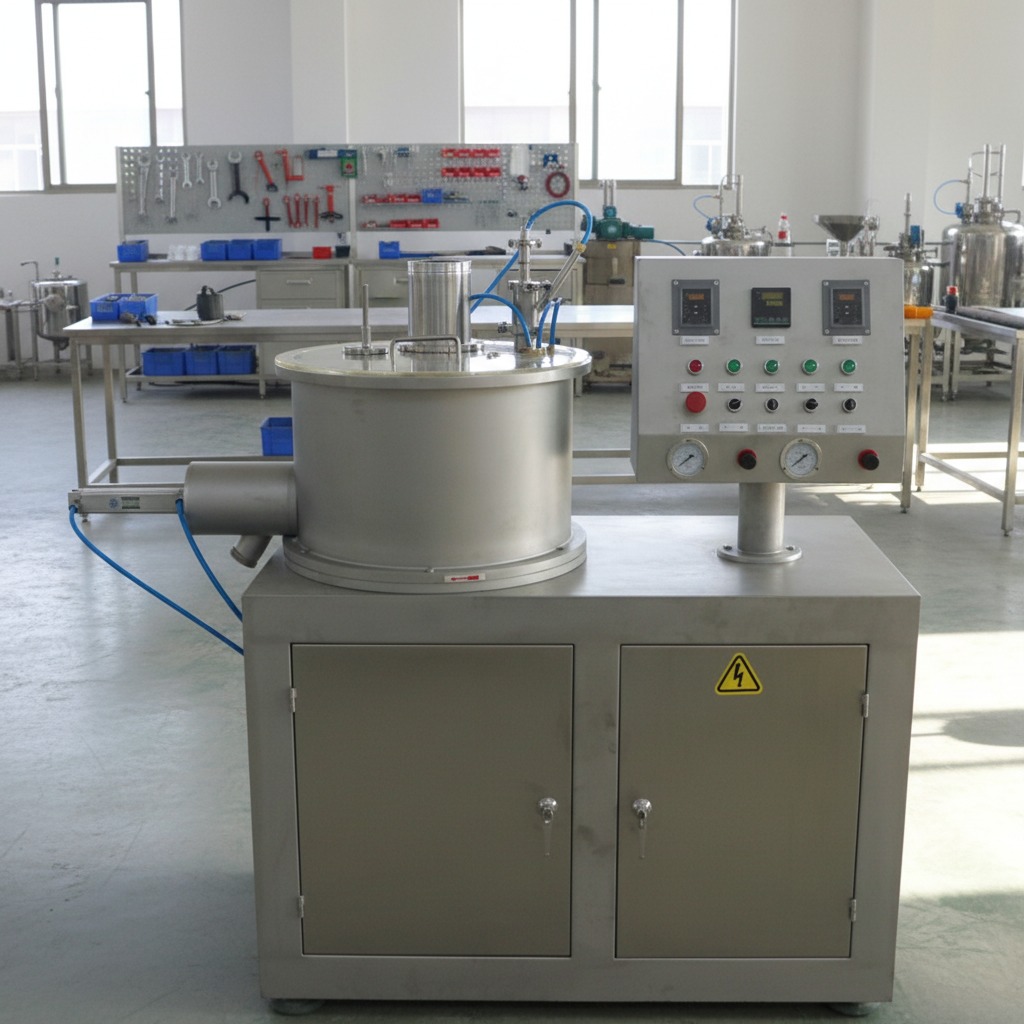
In the world of manufacturing and metal fabrication, industrial powder coating equipment stands as a cornerstone for achieving durable, high-quality finishes. This specialized machinery enables businesses to apply protective and aesthetic coatings through an electrostatic process, ensuring even coverage and superior adhesion. As industries seek ways to enhance productivity and reduce environmental impact, understanding the nuances of industrial powder coating equipment becomes essential. From small workshops to large-scale production lines, these systems offer versatility that meets diverse operational needs.
The Fundamentals of Powder Coating Machinery
Powder coating machinery forms the backbone of the powder coating process, encompassing a range of tools designed for preparation, application, and curing. At its core, this equipment involves a spray gun that charges dry powder particles with electricity, attracting them to grounded metal surfaces. Once applied, the coated items are baked in an oven to melt the powder into a smooth film. Powder coating machinery is favored over traditional liquid paints due to its lack of volatile organic compounds (VOCs), making it an eco-friendly choice for modern manufacturers.
The evolution of powder coating machinery has led to more automated and efficient designs. Early systems relied on manual operation, but today's iterations incorporate robotics and programmable controls for precision. For instance, conveyor systems integrated with powder coating machinery allow for continuous workflow, minimizing downtime and labor costs. Businesses investing in this equipment often report up to 30% improvements in coating uniformity, which directly translates to reduced waste and higher customer satisfaction. Moreover, the machinery's modular nature allows for easy upgrades, ensuring long-term adaptability to changing production demands.
Advancements in Automatic Powder Coating Systems
Automatic powder coating systems represent a leap forward in industrial efficiency, automating the entire coating process to handle high-volume operations seamlessly. These systems are particularly beneficial for industries like automotive, appliances, and furniture manufacturing, where consistency and speed are paramount. An automatic powder coating system typically includes robotic applicators, reciprocating guns, and automated booths that synchronize to deliver flawless results. By eliminating human error, these systems can achieve coating thicknesses within microns, ensuring compliance with stringent quality standards.
One key advantage of automatic powder coating systems is their integration with smart technologies. Sensors monitor powder flow, electrostatic charge, and environmental factors in real-time, adjusting parameters on the fly to optimize performance. For example, in a facility producing metal components, an automatic system can coat thousands of parts per hour while maintaining energy efficiency. This not only boosts throughput but also lowers operational costs—studies show that automation can reduce powder consumption by 15-20%. Additionally, these systems support multi-color applications, allowing for quick changeovers without extensive cleaning, which is a game-changer for customized production runs.
Safety and maintenance are also prioritized in automatic powder coating systems. Enclosed booths with advanced filtration capture overspray, preventing health hazards from powder inhalation. Regular upkeep involves simple tasks like filter replacement and gun calibration, often guided by user-friendly software interfaces. Companies adopting these systems often see a return on investment within 18-24 months, thanks to enhanced durability of finished products that withstand corrosion, scratches, and UV exposure far better than conventional coatings.
Choosing the Right Industrial Coating Equipment for Your Needs
Selecting the appropriate industrial coating equipment requires careful consideration of scale, material types, and budget constraints. Industrial coating equipment encompasses not just sprayers and ovens but also pre-treatment stations for surface cleaning and phosphating, which are crucial for adhesion. For small to medium enterprises, semi-automatic industrial coating equipment offers a balance between cost and capability, allowing operators to oversee the process while benefiting from mechanized support.
When evaluating options, factors like throughput capacity and energy efficiency come into play. High-end industrial coating equipment might feature variable frequency drives for ovens, reducing power usage during low-load periods. In sectors such as aerospace or electronics, where precision is non-negotiable, equipment with fine-tune controls ensures micron-level accuracy. It's also worth noting the role of recovery systems within industrial coating equipment; these reclaim unused powder for reuse, promoting sustainability and cutting material costs by up to 40%.
Customization is another hallmark of modern industrial coating equipment. Manufacturers can tailor booths for specific part geometries, incorporating features like vertical or horizontal conveyors. Training programs for operators are often provided with the equipment, ensuring safe and effective use. Ultimately, the right industrial coating equipment not only streamlines operations but also elevates product quality, giving businesses a competitive edge in demanding markets.
Future Trends and Innovations in the Field
Looking ahead, the landscape of industrial powder coating equipment is poised for exciting innovations driven by sustainability and digitalization. Emerging technologies like AI-driven monitoring could predict maintenance needs, preventing costly breakdowns. Powder coating machinery is also evolving to handle new materials, such as composites and alloys, expanding its applications beyond traditional metals.
Automatic powder coating systems are integrating with Industry 4.0 principles, enabling data analytics for process optimization. Imagine a system that learns from production patterns to fine-tune powder application, further reducing waste. Meanwhile, advancements in powder formulations—such as low-temperature cure options—complement the equipment, allowing for energy savings without compromising finish quality.
Industrial coating equipment will likely see more compact, portable designs for on-site applications, benefiting construction and restoration projects. Regulatory pressures for greener practices will push innovations in filtration and emission controls, ensuring compliance while maintaining efficiency. As these trends unfold, investing in forward-thinking industrial powder coating equipment will be key to staying ahead in an increasingly competitive and eco-conscious world.
In summary, industrial powder coating equipment, with its array of powder coating machinery and automatic systems, continues to transform surface finishing. By choosing the right industrial coating equipment, businesses can achieve remarkable efficiency, quality, and sustainability gains.





