Understanding the Hot Blast Stove: A Cornerstone of Industrial Heating
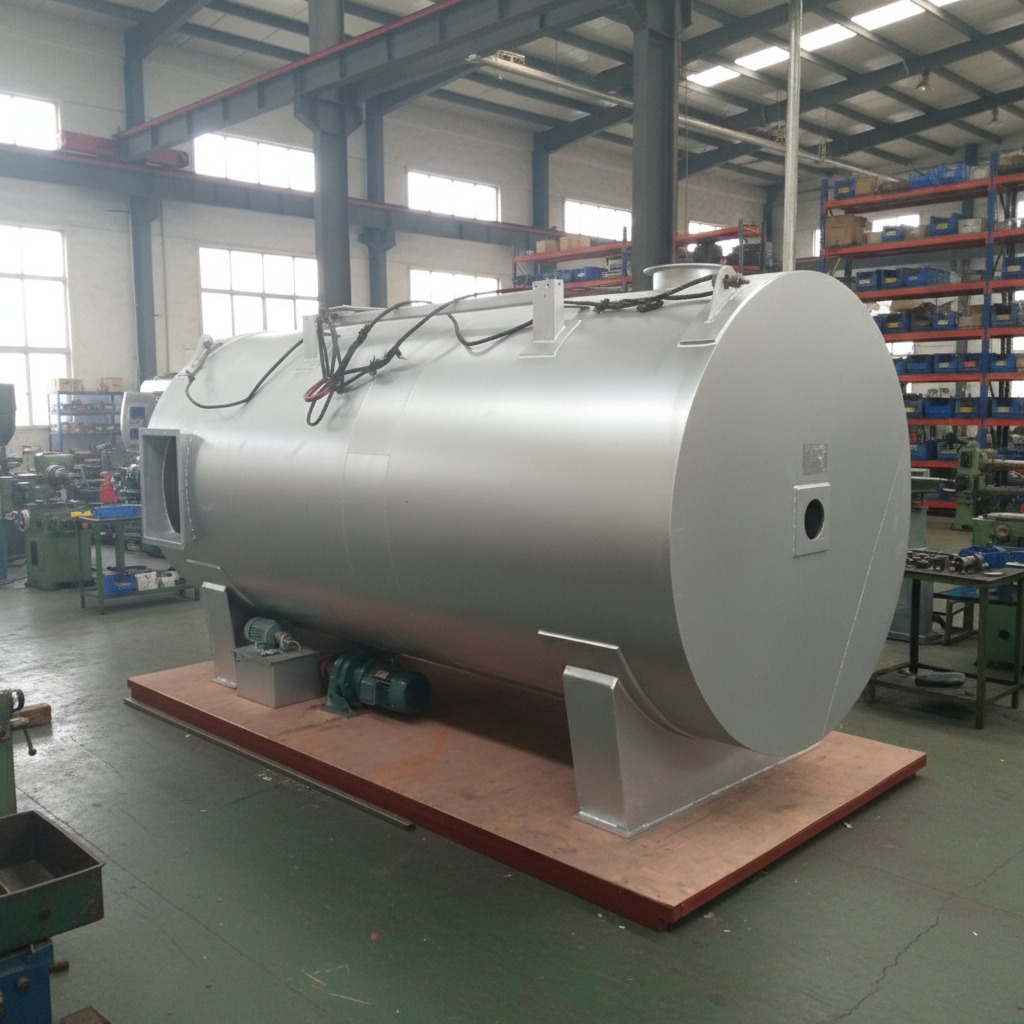
In the realm of industrial heating, the hot blast stove stands out as a vital component, revolutionizing how industries manage heat generation and distribution. This essential equipment is engineered to produce high-temperature air blasts, crucial for processes in metallurgy, cement production, and glass manufacturing. By converting fuel into intense heat, a hot blast stove enhances efficiency, reducing energy costs while minimizing environmental impact. As industries strive for sustainability, integrating advanced hot blast stove technology becomes imperative for competitive operations.
The Fundamentals of Hot Blast Stove Technology
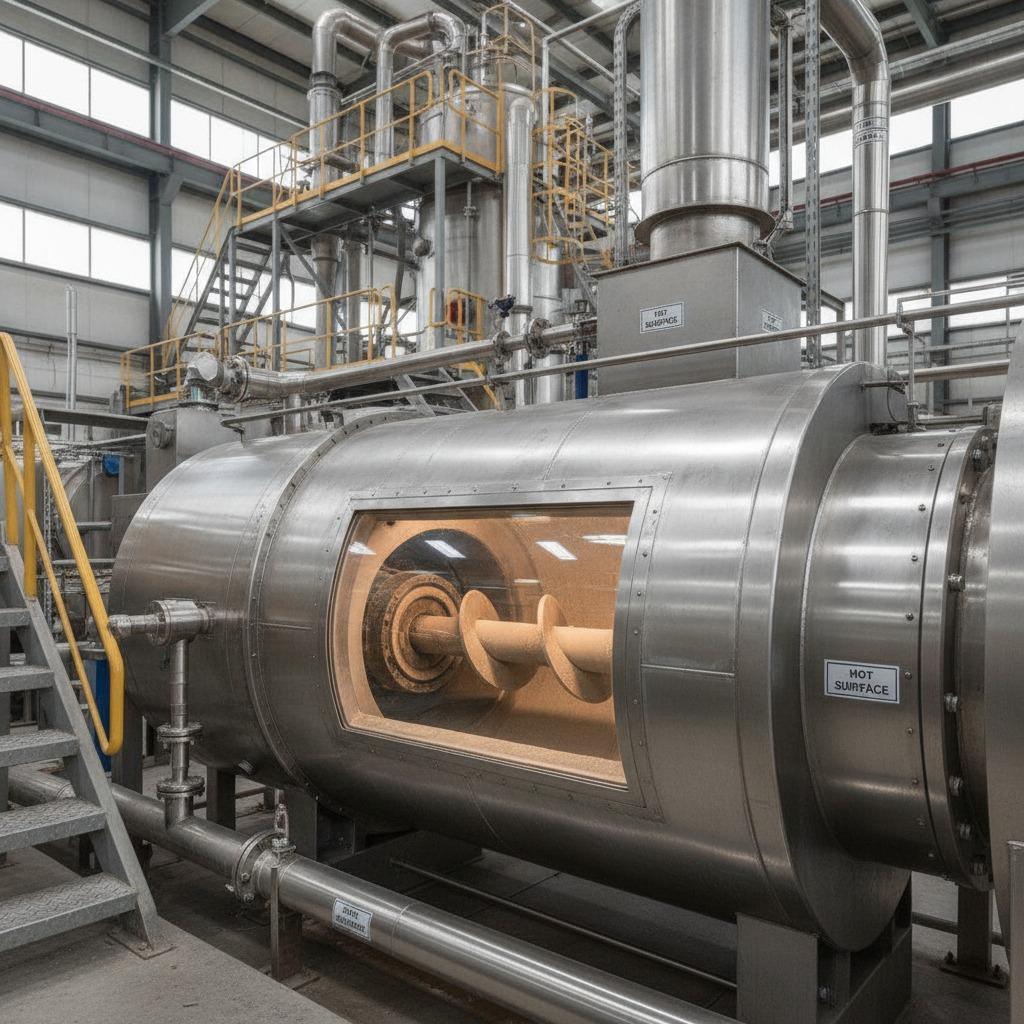
At its core, a hot blast stove operates through a regenerative process where combustion chambers cycle between heating and heat-release phases. This design allows the stove to store thermal energy during the combustion cycle and release it steadily during operation, ensuring consistent high temperature heating. Typically constructed from refractory materials that withstand extreme conditions, these stoves can achieve temperatures exceeding 1,200 degrees Celsius, making them indispensable for blast furnaces in steelmaking.
The integration of modern controls, such as automated air valves and sensors, optimizes the combustion process, leading to better fuel efficiency. For instance, in industrial heating applications, a well-designed hot blast stove can reduce fuel consumption by up to 20%, directly impacting operational costs. This efficiency is particularly beneficial in sectors where high temperature heating is a daily requirement, allowing for seamless production scaling without compromising on quality or safety.
Applications of Hot Blast Stoves in Industrial Heating
Hot blast stoves find extensive use in various industrial heating scenarios, particularly in environments demanding precise temperature control. In the steel industry, they preheat air for blast furnaces, significantly boosting the efficiency of iron smelting. This high temperature heating capability not only accelerates the process but also improves the quality of the output, resulting in stronger alloys and reduced impurities.
Beyond metallurgy, hot blast stoves are employed in the production of lime and cement, where sustained high temperatures are needed to calcine raw materials. Their role in industrial heating extends to chemical processing plants, where they facilitate reactions requiring intense heat, such as cracking hydrocarbons. By providing reliable hot blasts, these stoves ensure that production lines operate at peak performance, minimizing downtime and enhancing throughput.
The adaptability of hot blast stoves to different fuel types—ranging from natural gas to solid fuels—further broadens their application. In regions with varying energy resources, industries can customize their hot blast stove setups to align with local availability, promoting both economic and ecological benefits. This versatility underscores their importance in modern industrial heating strategies.
Advantages of High-Efficiency Hot Blast Stoves
One of the primary advantages of a state-of-the-art hot blast stove is its contribution to energy conservation within industrial heating frameworks. Advanced models incorporate heat recovery systems that capture and reuse exhaust gases, thereby lowering overall energy demands. This not only cuts operational expenses but also aligns with global standards for reducing carbon emissions, making high temperature heating more sustainable.
Durability is another key benefit, as these stoves are built to endure harsh conditions, including thermal cycling and corrosive atmospheres. High-quality refractory linings and robust structural designs ensure longevity, often spanning decades with proper maintenance. In high temperature heating applications, this reliability translates to fewer interruptions and lower replacement costs, providing a strong return on investment.
Moreover, the precision offered by digital monitoring systems in hot blast stoves allows for real-time adjustments, optimizing performance based on specific industrial needs. Whether in a bustling steel mill or a specialized glass factory, the ability to maintain uniform heat distribution enhances product consistency and quality control.
Integrating Hot Blast Stoves with Modern Industrial Systems
When incorporating a hot blast stove into existing setups, compatibility with complementary equipment is crucial. For example, pairing it with industrial boilers or mixers can create a synergistic effect, streamlining workflows in high temperature heating processes. Imagine a scenario where a hot blast stove supplies preheated air to a boiler system, amplifying its efficiency and extending the lifespan of both units.
In practice, industries often retrofit older hot blast stoves with upgraded components to meet contemporary demands for industrial heating. This includes installing low-NOx burners to comply with emission regulations while maintaining high output. Such integrations not only boost operational efficiency but also position companies as leaders in eco-friendly manufacturing.
Training personnel on hot blast stove operations is equally important, ensuring safe and effective use in high temperature heating environments. Comprehensive programs covering maintenance, troubleshooting, and safety protocols can prevent costly mishaps and maximize the equipment's potential.
Future Innovations in Hot Blast Stove Design
Looking ahead, the evolution of hot blast stoves promises even greater advancements in industrial heating. Researchers are exploring hybrid systems that combine traditional combustion with renewable energy sources, such as biomass or solar-assisted preheating. These innovations could drastically reduce reliance on fossil fuels, paving the way for greener high temperature heating solutions.
Smart technologies, including AI-driven predictive maintenance, are on the horizon, allowing hot blast stoves to self-diagnose issues before they escalate. This proactive approach will further enhance reliability in demanding industrial settings. Additionally, modular designs will enable easier scalability, catering to small-scale operations as well as large enterprises.
As industries continue to prioritize efficiency and sustainability, the hot blast stove will remain a pivotal technology. By embracing these future-oriented developments, businesses can future-proof their operations, ensuring robust performance in the ever-evolving landscape of industrial heating.
Maintenance and Best Practices for Hot Blast Stoves
Proper maintenance is essential to the longevity and performance of any hot blast stove. Regular inspections of the combustion chamber and air ducts help identify wear and tear early, preventing failures during critical high temperature heating phases. Implementing a scheduled cleaning regimen removes ash buildup, maintaining optimal airflow and efficiency.
Operators should also monitor key parameters like pressure and temperature to detect anomalies promptly. Utilizing data logging tools can provide insights into usage patterns, informing adjustments for better industrial heating outcomes. Adhering to manufacturer guidelines ensures compliance with safety standards, safeguarding both equipment and personnel.
In conclusion, the hot blast stove exemplifies engineering excellence in industrial heating, delivering unparalleled high temperature heating capabilities that drive productivity across sectors. As technology advances, these stoves will continue to play a central role in efficient, sustainable manufacturing processes.