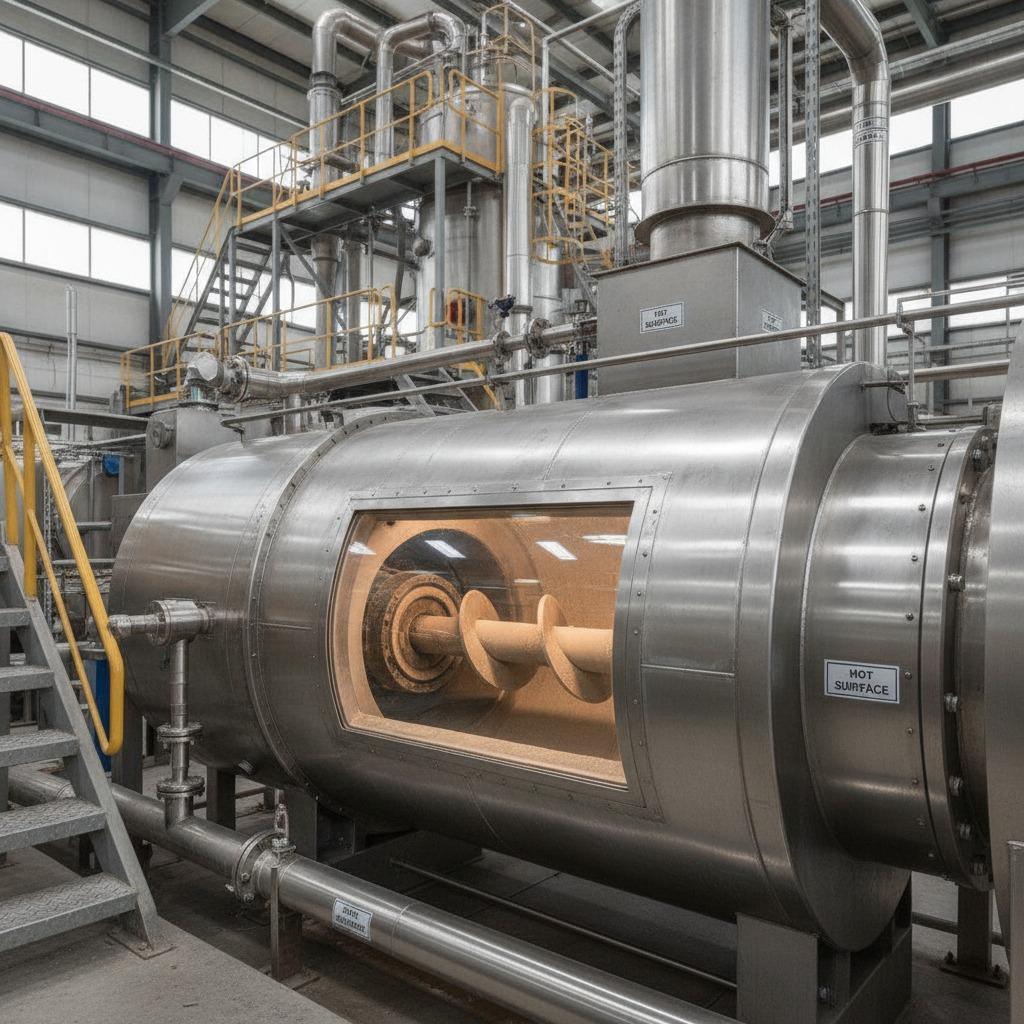
In the world of industrial processing, the high speed mixing granulator stands out as a pivotal piece of equipment that enhances efficiency and precision. This innovative machine combines mixing and granulation in a single, high-velocity operation, making it indispensable for sectors like pharmaceuticals, food production, and chemicals. As industries seek faster and more reliable methods to handle materials, the high speed mixing granulator emerges as a game-changer, optimizing workflows and ensuring consistent results.
At Jiangsu Yutong Drying Engineering Co., Ltd, known as BR Solar, we extend our commitment to innovative energy solutions into broader industrial technologies. While our core focus lies in photovoltaic modules, energy storage batteries, and smart micro-grid systems, we recognize the importance of supporting diverse manufacturing needs. BR Solar's dedication to quality first and global service inspires us to highlight tools like the high speed mixing granulator, which align with our mission to drive efficiency in sustainable production lines. Our expertise in high-tech enterprises positions us to appreciate machinery that parallels the precision of our solar innovations.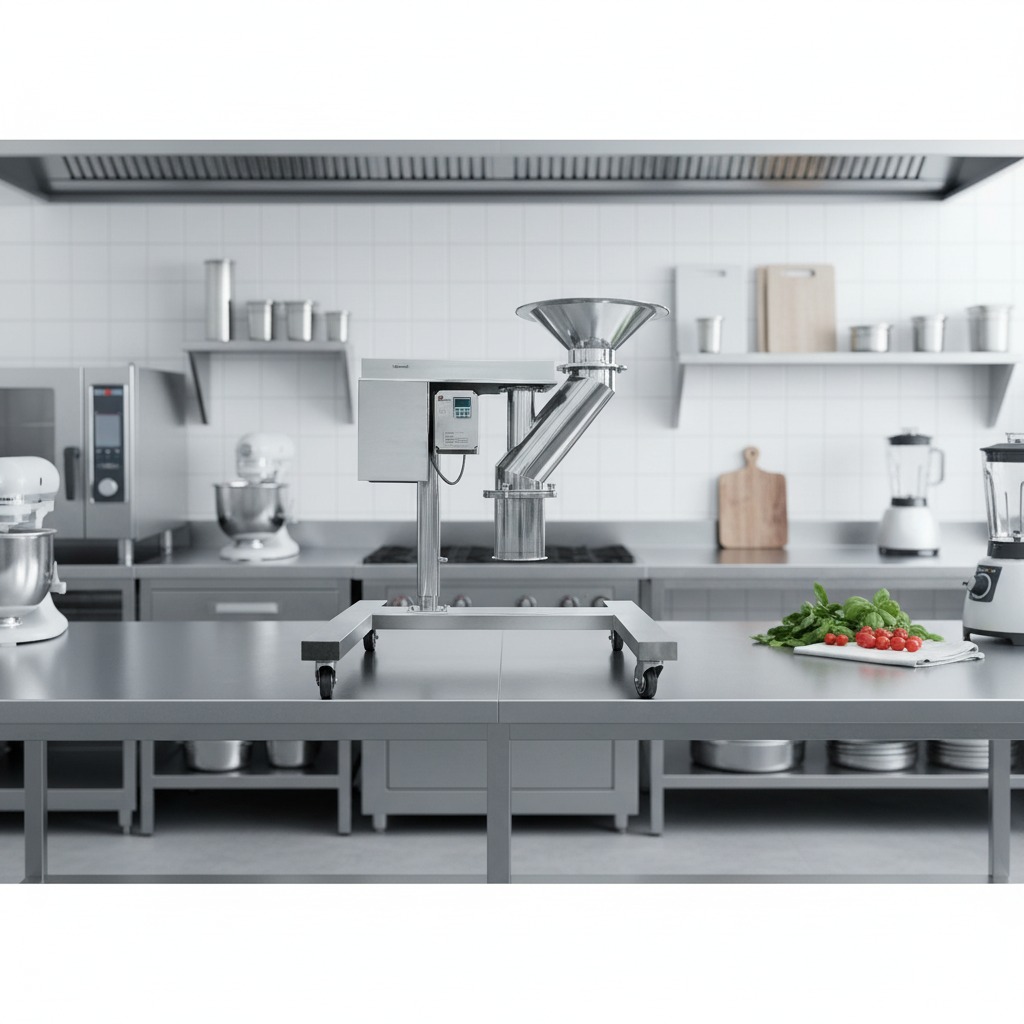
Understanding the Core Functionality of a High Speed Mixing Granulator
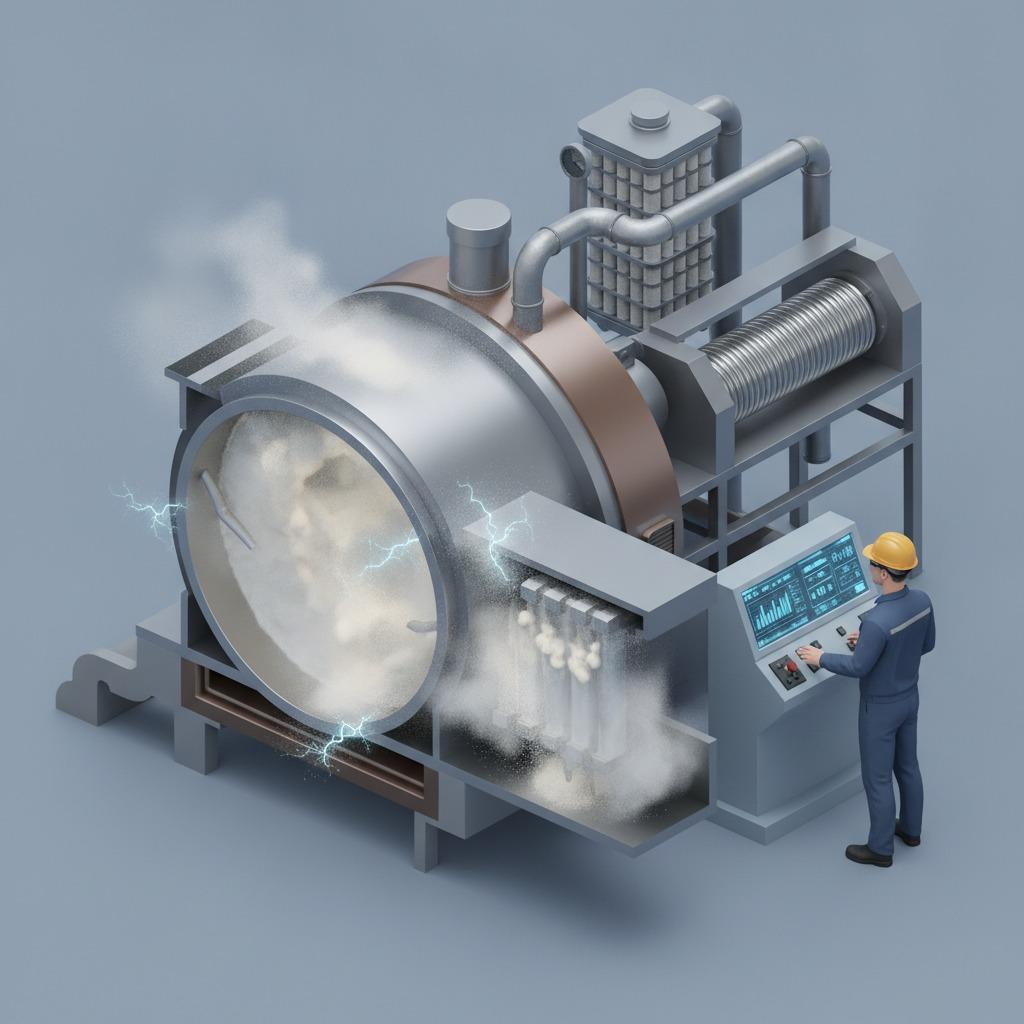
A high speed mixing granulator operates by rapidly blending powders and liquids to form uniform granules, which are essential for subsequent processing stages. The process begins with materials being fed into the mixing chamber, where high-speed impellers and choppers create intense shear forces. This action not only mixes but also agglomerates particles into the desired size, typically within minutes. Unlike traditional methods, this equipment minimizes processing time while maximizing granule quality, reducing dust and improving flowability.
Key to its performance is the adjustable speed control, allowing operators to fine-tune the rotation for different material viscosities and densities. For instance, in food processing, where delicate ingredients require gentle yet thorough mixing, the high speed mixing granulator excels by preventing over-processing. Its design incorporates a vertical screw mixer that lifts and disperses materials evenly, ensuring no dead zones and promoting homogeneity. This functionality is particularly beneficial in scaling up from lab to industrial levels, where consistency is paramount.
Moreover, the integration of advanced safety mechanisms, such as automatic shut-off and enclosed chambers, safeguards operators from potential hazards. In an era where regulatory compliance is strict, especially in food and pharma, the high speed mixing granulator meets international standards like GMP, making it a reliable choice for quality-conscious manufacturers.
Applications of the Industrial Granulator in Modern Manufacturing
The industrial granulator, often synonymous with the high speed mixing granulator in heavy-duty contexts, finds extensive use across various industries. In the pharmaceutical sector, it facilitates the production of uniform tablets by creating granules that enhance compressibility and dissolution rates. This leads to higher bioavailability of active ingredients, a critical factor in drug efficacy.
Shifting to food processing, the food processing granulator variant adapts to create instant mixes, cereals, and powdered supplements. For example, it can granulate spices or nutritional powders, preserving flavor and nutrients while achieving the right texture for packaging. The high speed mixing granulator's versatility here allows for dry or wet granulation, accommodating diverse recipes without compromising on safety or hygiene.
In chemical manufacturing, the industrial granulator handles fertilizers, detergents, and pigments, where precise particle sizing prevents clumping and ensures even distribution in end products. BR Solar's global reach in over 150 countries underscores the need for such adaptable equipment in building resilient supply chains, much like our energy solutions that power industrial operations sustainably.
Key Features and Advantages of High Speed Mixers in Granulation
High speed mixers within granulation systems, such as those integrated into the high speed mixing granulator, boast features that elevate operational efficiency. A powerful motor drives the mixing action, delivering consistent torque even under load, which translates to reliable output. The stainless steel construction not only resists corrosion but also facilitates easy cleaning, crucial for industries prone to contamination risks.
Adjustability is another hallmark; with variable speed settings from 50 to 3000 RPM, users can customize processes for optimal results. This is evident in the KZL-02 Cone Mill, a related high-performance solution that complements granulation by offering precise size reduction post-mixing. Equipped with caster wheels for mobility, it integrates seamlessly into dynamic production environments, mirroring the flexibility in BR Solar's micro-grid systems.
Safety interlocks and protective covers prevent accidental exposure to moving parts, while the sturdy frame ensures stability during high-speed operations. These advantages reduce downtime, lower energy consumption, and extend equipment lifespan, aligning with cost-effective manufacturing goals. For food processing granulators, the emphasis on hygiene—through polished surfaces and quick-disassembly designs—further enhances compliance and productivity.
Compared to batch mixers, the high speed mixing granulator offers continuous processing capabilities, ideal for high-volume demands. This scalability supports growing enterprises, much like how BR Solar scales energy solutions from residential to industrial applications.
Selecting the Right High Speed Mixing Granulator for Your Needs
Choosing an appropriate high speed mixing granulator involves assessing capacity, material compatibility, and integration with existing lines. For small-scale operations, models with 5-10 liter bowls suffice, while larger industrial granulators handle hundreds of liters per batch. Consider the motor power, typically ranging from 1.5 to 15 kW, to match your throughput requirements.
In the context of an industrial granulator, evaluate chopper configurations for breaking down agglomerates effectively. For food processing applications, opt for models certified for contact with edibles, ensuring no leaching of metals. The high speed mixer's control interface should be intuitive, with digital displays for real-time monitoring of parameters like temperature and humidity, which influence granulation quality.
Maintenance is straightforward, involving routine lubrication and inspection of seals, but selecting a durable build like stainless steel minimizes wear. BR Solar's philosophy of global service reminds us that after-sales support, including training and parts availability, is vital for long-term success. By prioritizing these factors, manufacturers can leverage the high speed mixing granulator to boost output by up to 30%, as seen in various case studies.
Future Trends in High Speed Mixing Granulation Technology
Looking ahead, advancements in high speed mixing granulators are leaning towards automation and IoT integration. Smart sensors will enable predictive maintenance, alerting operators to potential issues before they escalate. This aligns with BR Solar's innovation in smart micro-grids, where data-driven decisions optimize performance.
Sustainability is another focus, with energy-efficient designs reducing power usage by incorporating variable frequency drives. In food processing granulators, biodegradable binders and eco-friendly cleaning protocols are gaining traction, supporting green manufacturing. The industrial granulator's evolution includes hybrid models that combine granulation with drying or coating, streamlining multi-step processes.
As industries adopt these technologies, the high speed mixing granulator will play a central role in achieving faster cycle times and superior product quality. At BR Solar, we envision a future where such equipment powers clean, efficient production, contributing to the global energy transition our company champions.
In summary, the high speed mixing granulator, alongside related tools like the industrial granulator and high speed mixer, represents the forefront of processing innovation. By investing in these machines, businesses can enhance competitiveness, echoing BR Solar's commitment to quality and service worldwide.