Understanding Fluidized Bed Granulation: A Key Process in Modern Manufacturing
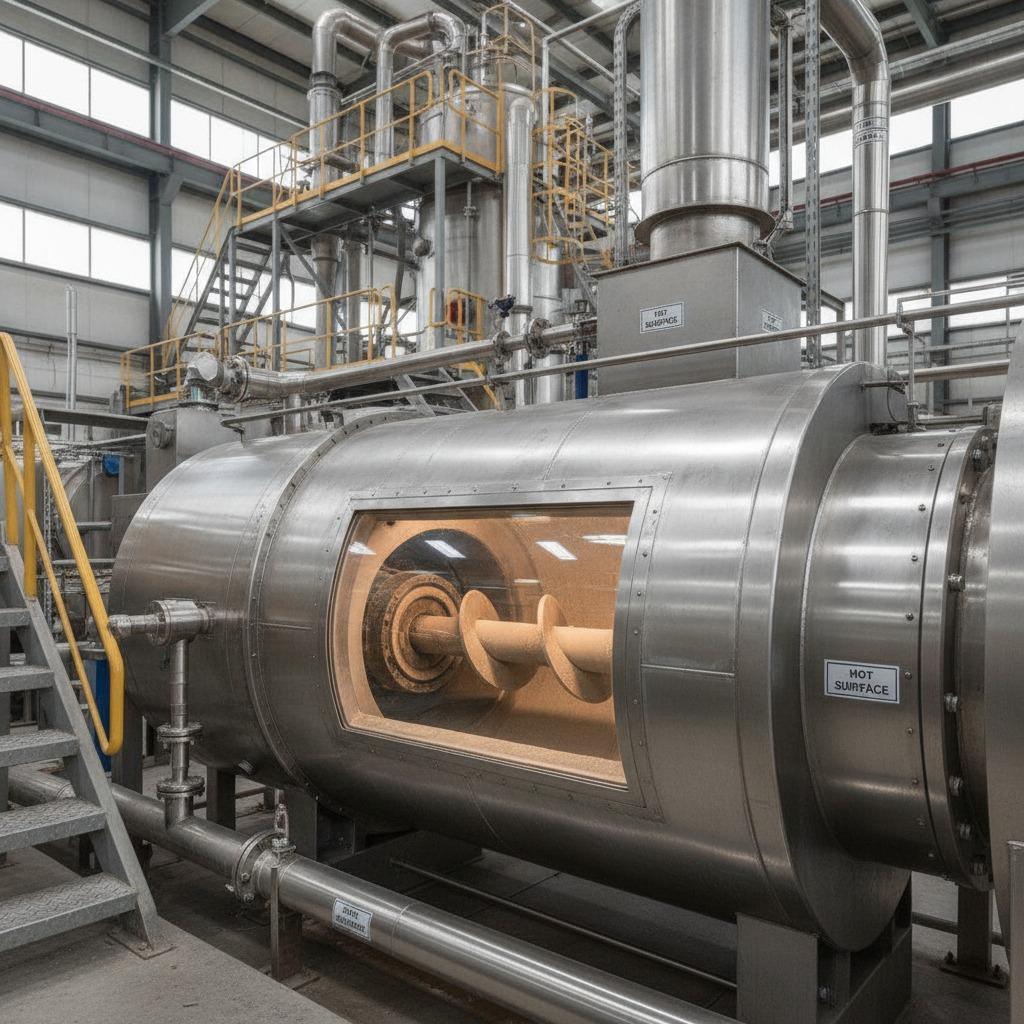
Fluidized bed granulation stands as a cornerstone in the production of high-quality granules across various industries, particularly in pharmaceuticals, food processing, and chemicals. This innovative technique involves suspending particles in a stream of air to create a fluid-like state, enabling efficient mixing, granulation, and drying in a single unit operation. By leveraging fluidized bed granulation, manufacturers can achieve uniform particle sizes, improved flowability, and enhanced product stability, which are essential for consistent quality and scalability in production lines.
The Fundamentals of Granulation Technology
Granulation technology encompasses a range of methods designed to transform fine powders into larger, cohesive granules, improving their handling and processing characteristics. Within this domain, fluidized bed granulation excels due to its ability to combine wetting, agglomeration, and drying stages seamlessly. The process begins with the introduction of a binder liquid into a bed of powder particles fluidized by upward airflow. As the liquid wets the particles, they adhere to form granules, which are then dried in situ by the warm air stream. This integrated approach minimizes handling steps, reduces contamination risks, and optimizes energy use compared to traditional granulation methods.
One of the primary advantages of granulation technology in fluidized bed systems is its versatility. It accommodates a wide variety of materials, from heat-sensitive pharmaceuticals to robust chemical compounds. For instance, in the pharmaceutical sector, this technology ensures granules meet stringent regulatory standards for uniformity and dissolution rates. Moreover, the controlled environment allows for precise adjustment of granule properties, such as size distribution and density, tailoring the output to specific formulation needs. As industries push for higher efficiency, granulation technology continues to evolve, incorporating automation and real-time monitoring to further refine processes.
Integrating Fluidized Bed Drying for Optimal Results
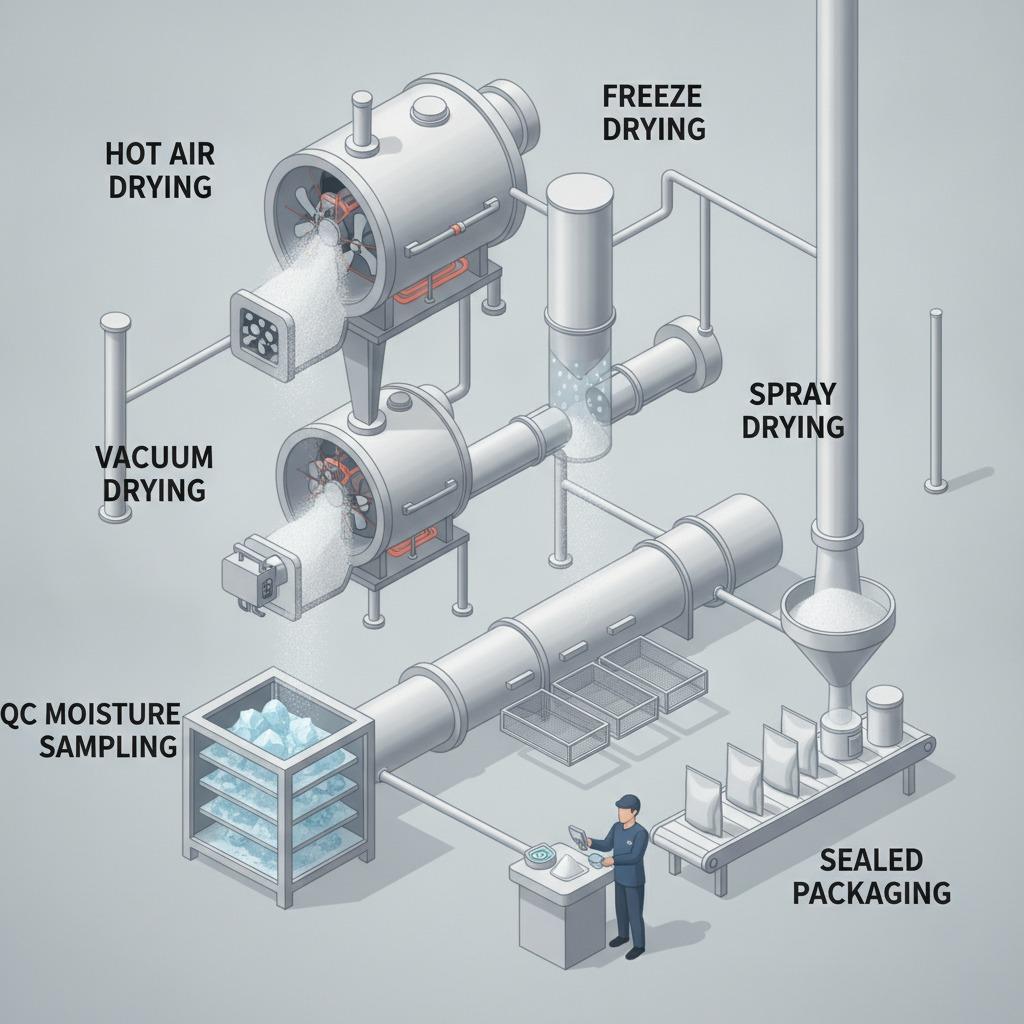
Fluidized bed drying is an integral component of the fluidized bed granulation process, where the fluidized state facilitates rapid and uniform moisture removal from the newly formed granules. In this stage, heated air passes through the bed, suspending the particles and promoting convective heat transfer that evaporates moisture efficiently. This method outperforms conventional drying techniques by preventing hotspots and ensuring even drying, which is crucial for maintaining the integrity of sensitive materials like active pharmaceutical ingredients (APIs).
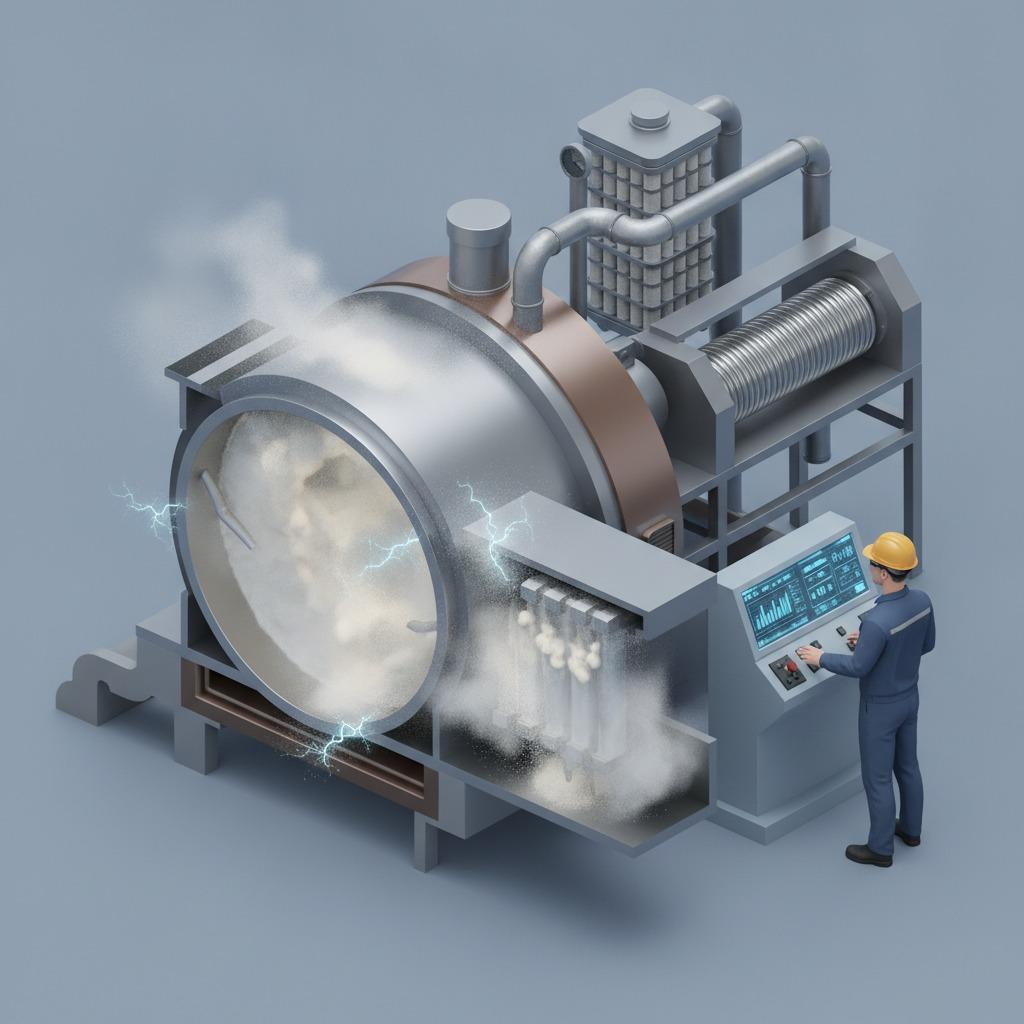
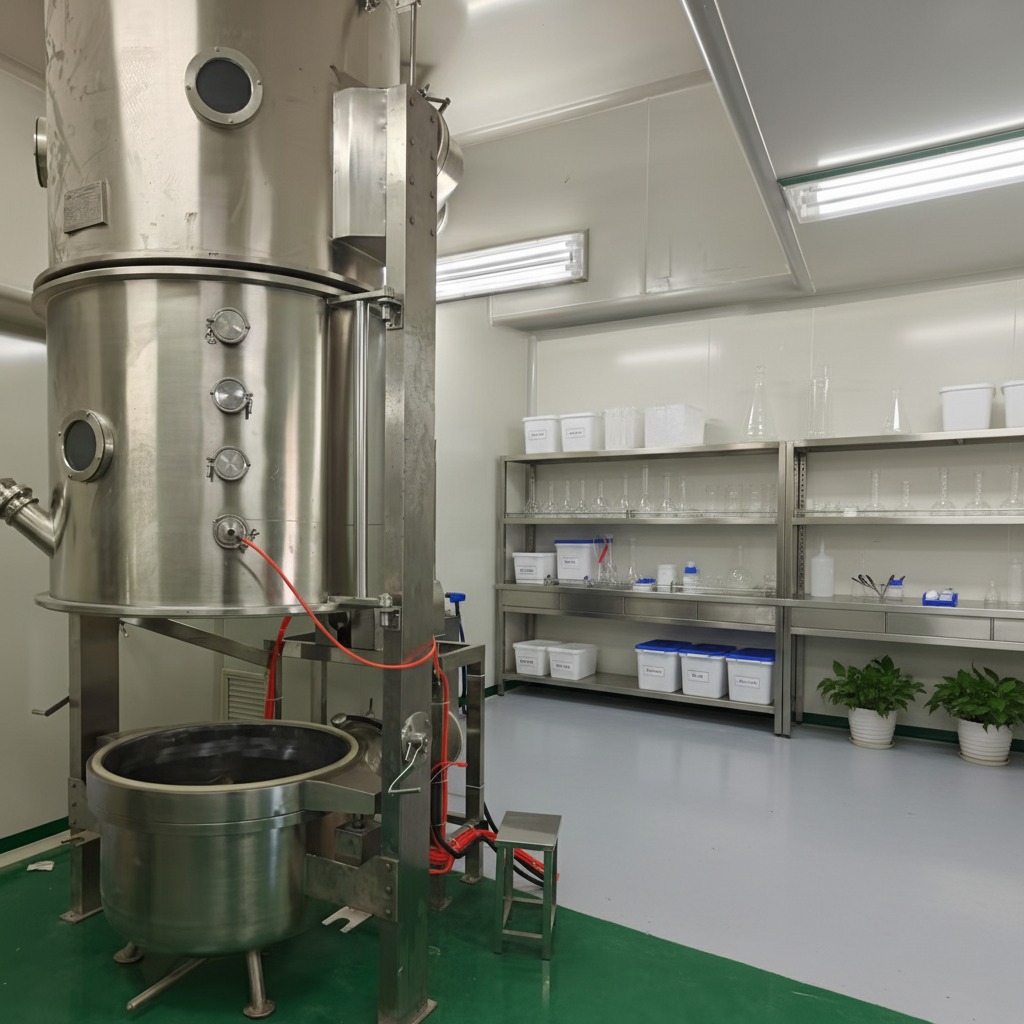
Advanced equipment, such as the fluid bed dryer, exemplifies how fluidized bed drying enhances overall productivity. Featuring stainless steel construction for durability and hygiene, this appliance includes high-capacity chambers and multiple viewing ports for real-time observation. Precise gauges and an intuitive control panel allow operators to regulate temperature, airflow, and drying time with accuracy, achieving consistent results batch after batch. In food processing, for example, fluidized bed drying preserves nutritional value and texture, while in chemicals, it ensures safe handling of volatile substances. By streamlining the drying phase within fluidized bed granulation, manufacturers reduce cycle times and energy consumption, leading to cost savings and environmental benefits.
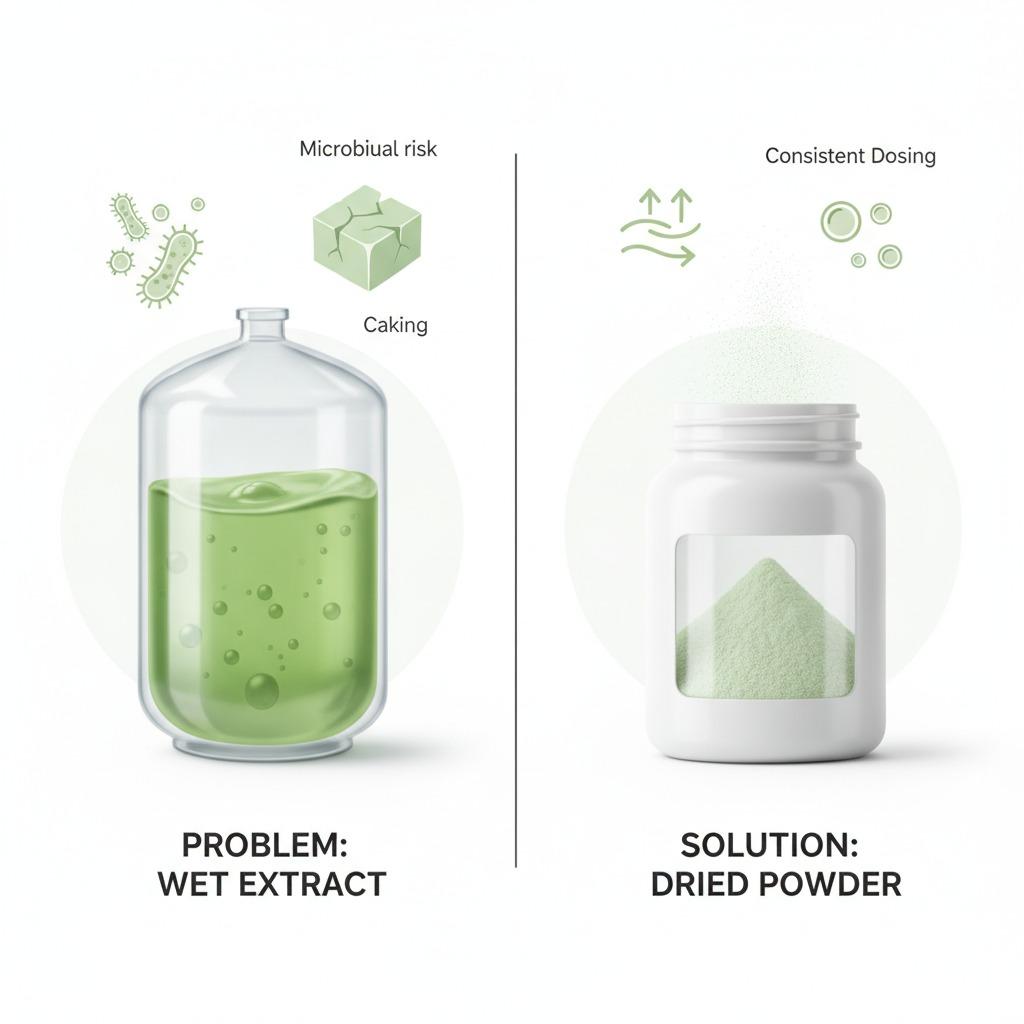
The synergy between fluidized bed granulation and drying also extends to product quality. Uniform drying prevents over-drying or under-drying, which could lead to issues like caking or reduced shelf life. Modern fluid bed dryers incorporate features like cyclone separators for dust removal, maintaining a clean operational environment and complying with industry standards such as GMP (Good Manufacturing Practices). This makes fluidized bed drying not just a supplementary step but a critical enhancer of the granulation process.
Exploring Industrial Granulation Methods and Their Applications
Industrial granulation methods vary widely, but fluidized bed granulation distinguishes itself through its efficiency and adaptability in large-scale operations. Other methods, such as high-shear wet granulation or dry compaction, may require multiple pieces of equipment and additional transfer steps, increasing the risk of errors and contamination. In contrast, fluidized bed granulation offers a one-pot solution, where granulation and drying occur in the same vessel, minimizing material loss and simplifying validation processes.
Take the FL-60 Fluidized Bed Granulator as a prime example of cutting-edge industrial granulation methods. Built from robust stainless steel, it features observation windows for uninterrupted monitoring and a user-friendly control panel for parameter adjustments. Mounted on sturdy wheels, this machine provides flexibility in production layouts, ideal for dynamic manufacturing environments. In pharmaceutical applications, it produces granules with excellent compressibility for tablet formulation, while in food industries, it creates free-flowing powders for instant mixes. The vertical chamber design in fluid bed processors ensures optimal airflow, interacting with each particle for superior granulation uniformity.
Beyond pharmaceuticals and food, industrial granulation methods like fluidized bed granulation are vital in the chemical sector for producing catalysts and fertilizers. These methods allow for the incorporation of additives during granulation, enhancing final product performance. Challenges such as scale-up from lab to production levels are addressed through advanced simulations and pilot testing, ensuring seamless transitions. As sustainability becomes a priority, fluidized bed techniques reduce waste by recycling air and optimizing binder usage, aligning with green manufacturing goals.
Advantages and Future Trends in Fluidized Bed Granulation
The adoption of fluidized bed granulation brings numerous benefits, including improved granule strength, reduced dusting, and better downstream processability. In comparison to other industrial granulation methods, it offers lower operational costs due to its energy-efficient design and shorter processing times. For heat-sensitive products, the gentle fluidization prevents degradation, preserving efficacy and safety.
Looking ahead, innovations in granulation technology are integrating fluidized bed drying with continuous manufacturing systems, enabling non-stop production for high-volume demands. Advanced sensors and AI-driven controls are emerging to predict and adjust process variables in real-time, further elevating precision. Fluid bed processors with compact designs and enhanced dust control, like those equipped with cyclone separators, are becoming standard, supporting cleaner and more compliant operations.
In summary, fluidized bed granulation, supported by robust granulation technology and fluidized bed drying, represents a transformative approach in industrial granulation methods. By choosing equipment like the FL-60 or advanced fluid bed dryers, facilities can achieve superior efficiency, quality, and adaptability, driving success in competitive markets. As this technology continues to advance, it promises even greater contributions to innovative and sustainable production practices.