Understanding the Industrial Vacuum Dryer: A Key to Efficient Drying Solutions
In the world of industrial processing, the industrial vacuum dryer stands out as an essential piece of equipment for achieving high-quality results in moisture removal. This advanced machinery operates under reduced pressure to accelerate the drying process while preserving the integrity of sensitive materials. Whether you're in pharmaceuticals, food processing, or chemicals, integrating an industrial vacuum dryer into your operations can significantly enhance efficiency and product quality. By lowering the boiling point of solvents, it enables drying at lower temperatures, minimizing thermal degradation and energy consumption.
The Fundamentals of the Vacuum Drying Process
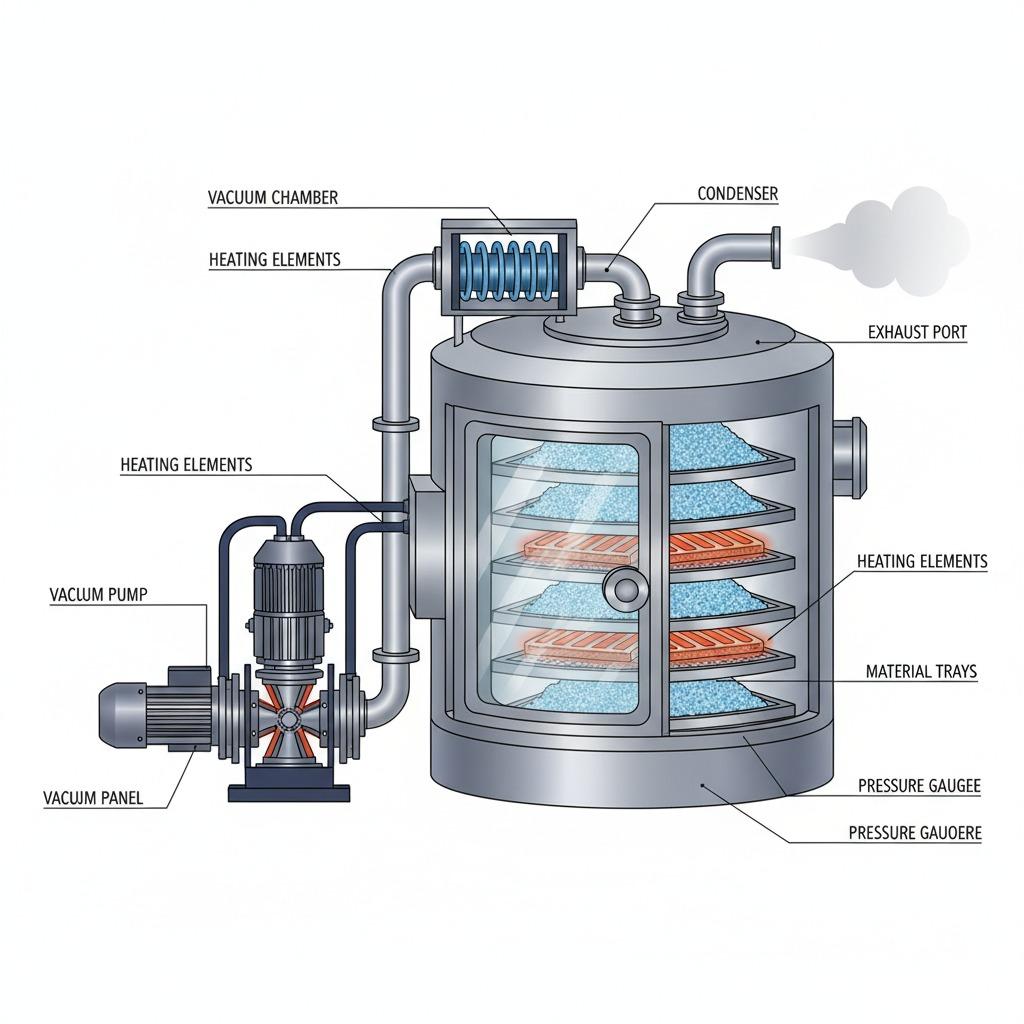
The vacuum drying process is at the heart of how an industrial vacuum dryer functions. Unlike traditional drying methods that rely on high heat and air circulation, this process creates a vacuum environment where moisture evaporates more readily at reduced temperatures. This is particularly beneficial for heat-sensitive products like pharmaceuticals or nutraceuticals, where maintaining molecular structure is crucial. The system typically involves loading the material into a sealed chamber, evacuating the air to create a vacuum, and then applying gentle heating to facilitate evaporation. Solvents vaporize and are condensed for recovery, ensuring an environmentally friendly operation. In industrial settings, this process not only speeds up production cycles but also reduces the risk of contamination, making it a preferred choice for cleanroom applications.
Exploring Drying Equipment Options for Industrial Needs
When selecting drying equipment, versatility and robustness are key factors. An industrial vacuum dryer exemplifies modern drying equipment with its customizable configurations to suit various material types and batch sizes. These units often feature stainless steel construction for corrosion resistance and easy sanitation, aligning with stringent industry standards like those in food and beverage production. Advanced models include automated controls for temperature, pressure, and vacuum levels, allowing operators to fine-tune parameters for optimal results. For instance, in chemical processing, where volatile compounds are common, the enclosed design of such drying equipment prevents exposure to atmospheric oxygen, reducing oxidation risks. Investing in reliable drying equipment like this ensures long-term savings through lower maintenance needs and higher throughput, ultimately boosting your facility's competitiveness.
Benefits of Implementing a Vacuum Drying System
A well-designed vacuum drying system offers unparalleled advantages in efficiency and safety. By operating under vacuum conditions, it lowers energy requirements compared to conventional dryers, as less heat is needed to remove moisture. This system is ideal for batch or continuous operations, depending on the scale of production. Key components include vacuum pumps for maintaining low pressure, heating jackets for uniform temperature distribution, and exhaust systems for solvent recovery. In sectors like brewing or materials processing, a vacuum drying system can handle everything from powders to slurries, ensuring uniform drying without hotspots. Safety features such as pressure relief valves and interlocks protect operators, while the modular design allows seamless integration with existing production lines. Overall, adopting a vacuum drying system translates to faster processing times and superior product quality, giving businesses a tangible edge.
Advantages of Continuous Vacuum Dryers in Modern Production
For high-volume operations, continuous vacuum dryers represent the pinnacle of drying technology. Unlike batch systems, these allow materials to flow through the dryer in a steady stream, enabling non-stop production and maximizing output. The industrial vacuum dryer in a continuous setup often incorporates conveyor mechanisms or rotary designs to ensure even exposure to the vacuum environment. This is especially valuable in food processing, where maintaining freshness and texture is paramount, or in chemical industries needing consistent particle sizes. The process involves feeding wet material into one end, where it's dried progressively under vacuum, and discharged as a dry product at the other. Energy efficiency is heightened as the system recycles heat, and automation minimizes human intervention, reducing error rates. Facilities using continuous vacuum dryers report up to 50% faster drying times, making them indispensable for scaling operations without expanding footprint.
Key Features and Applications of Industrial Vacuum Dryers
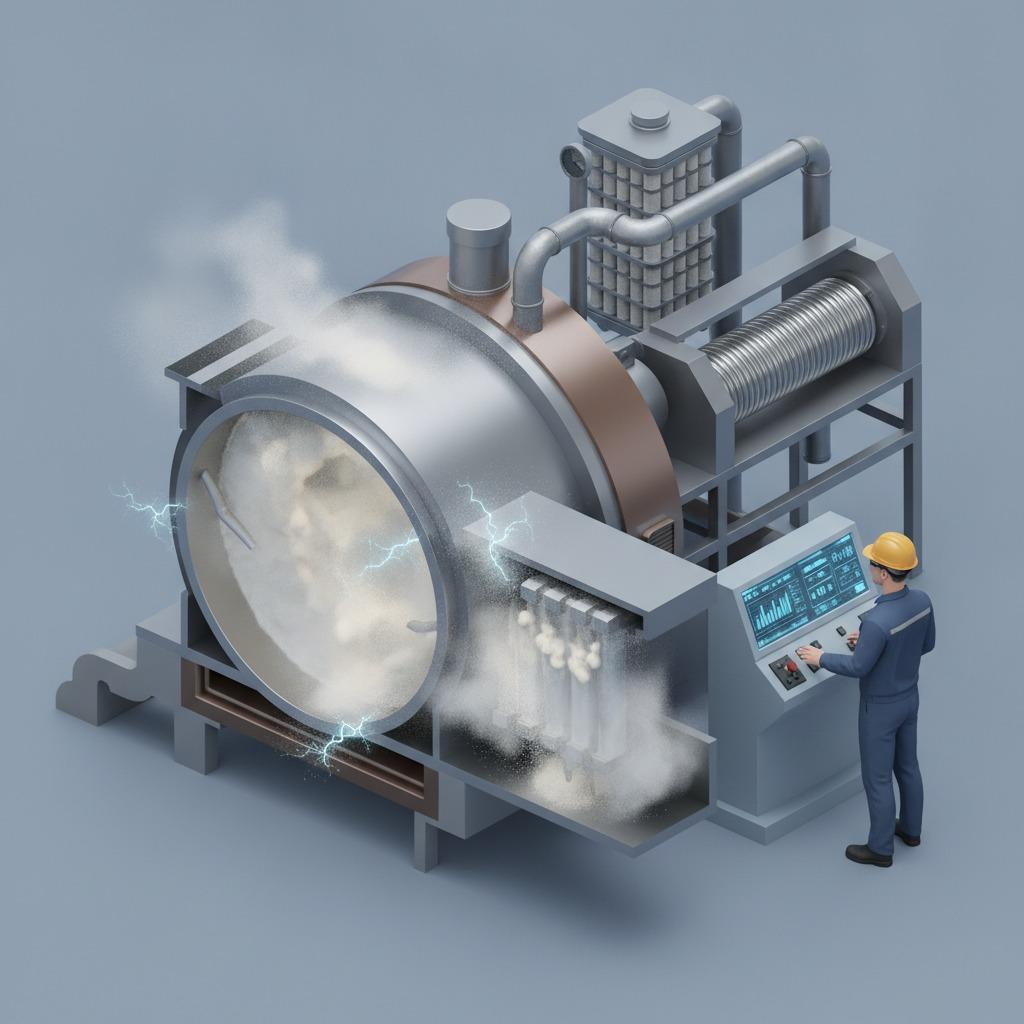
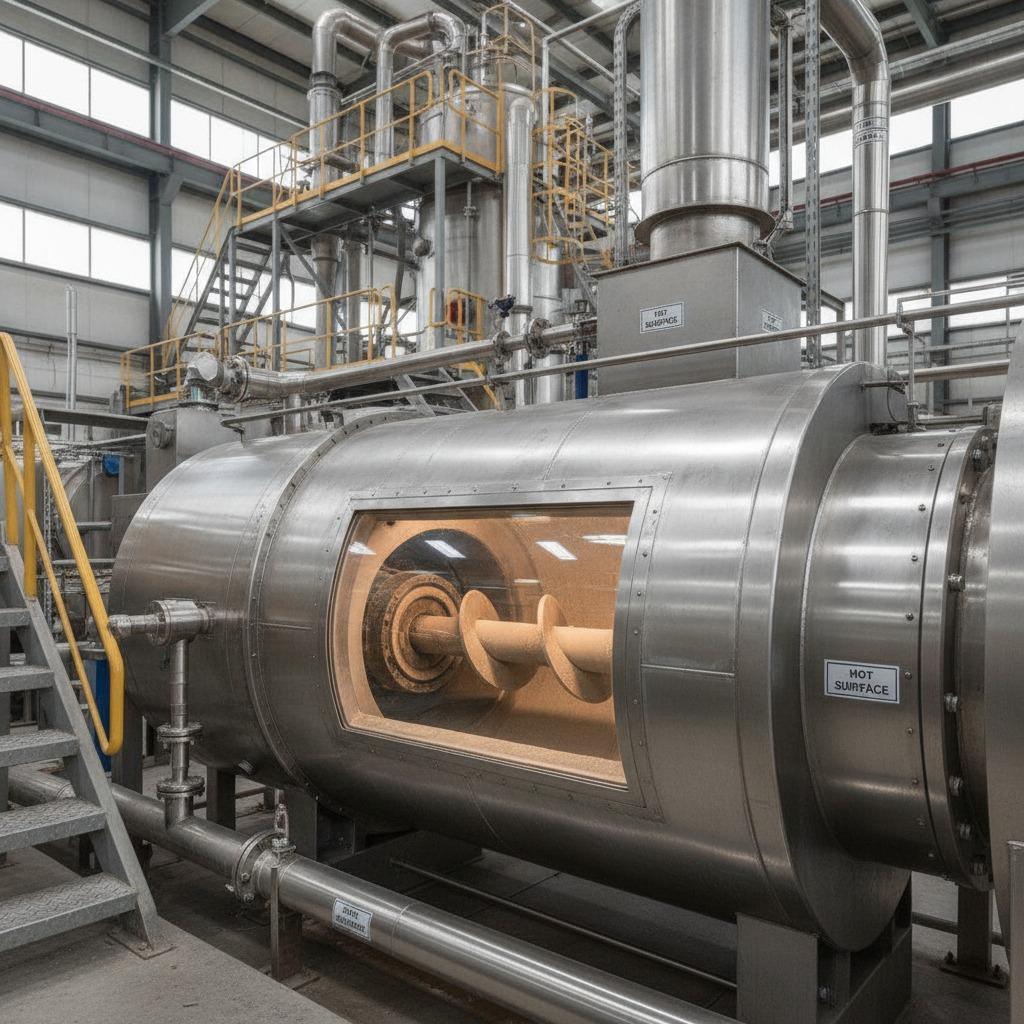
Modern industrial vacuum dryers are engineered with features that enhance performance and longevity. High-capacity stainless steel chambers resist corrosion and facilitate thorough cleaning, crucial for compliance with hygiene regulations. Integrated gauges for monitoring pressure and temperature provide real-time data, allowing precise adjustments during the vacuum drying process. Multiple access points and fittings enable easy connectivity to upstream and downstream equipment, such as mixers or packaging lines. In applications like pharmaceutical drying, where sterility is non-negotiable, these dryers incorporate HEPA filtration to maintain a contaminant-free environment. For chemical processing, the robust framework and elevated design allow for auxiliary tools underneath, optimizing space usage. Piping systems are optimized for smooth flow, preventing blockages and ensuring consistent operation. These attributes make the industrial vacuum dryer a versatile solution across diverse industries.
Comparing Batch and Continuous Vacuum Drying Systems
Choosing between batch and continuous vacuum drying systems depends on production demands. Batch systems, a common form of vacuum drying system, are suited for smaller runs or diverse products, offering flexibility in loading and unloading. They excel in R&D settings or when customizing drying parameters for specific materials. Conversely, continuous vacuum dryers shine in large-scale manufacturing, providing uninterrupted processing that aligns with just-in-time production models. Both types leverage the vacuum drying process to achieve low residual moisture levels, often below 1%, which is critical for shelf-stable products. In terms of drying equipment maintenance, continuous models may require more robust components due to constant use, but their efficiency offsets costs. Facilities often start with batch setups and upgrade to continuous as volumes grow, ensuring scalability without overhauling infrastructure.
Future Trends in Vacuum Drying Technology
Looking ahead, advancements in vacuum drying technology promise even greater innovations for the industrial vacuum dryer. Integration of IoT sensors enables predictive maintenance, alerting operators to potential issues before downtime occurs. Energy-efficient designs, such as hybrid systems combining vacuum with microwave assistance, are emerging to further reduce processing times. Sustainability drives developments in solvent recovery, minimizing waste in the vacuum drying process. For drying equipment manufacturers, focusing on modular, plug-and-play units facilitates easier adoption in existing facilities. In the food sector, trends lean toward gentle drying to preserve nutrients, while chemicals push for higher throughput in continuous vacuum dryers. As industries prioritize eco-friendly and efficient solutions, the role of advanced vacuum drying systems will only expand, solidifying their place in modern manufacturing.
In summary, the industrial vacuum dryer, supported by sophisticated vacuum drying processes and versatile drying equipment, empowers businesses to achieve superior results. Whether opting for a standard vacuum drying system or a high-output continuous vacuum dryer, these technologies deliver reliability, efficiency, and quality that drive success.