The core of efficient manufacturing processes lies in advanced drying technology, which revolutionizes how industries handle moisture removal from various materials. This technology encompasses innovative systems designed to extract moisture quickly and uniformly, ensuring product quality and operational efficiency. At its heart, drying technology integrates sophisticated engineering to minimize waste and energy use, making it indispensable in sectors like food processing and pharmaceuticals. By leveraging controlled environments, it prevents spoilage and enhances shelf life, setting a new standard for industrial operations.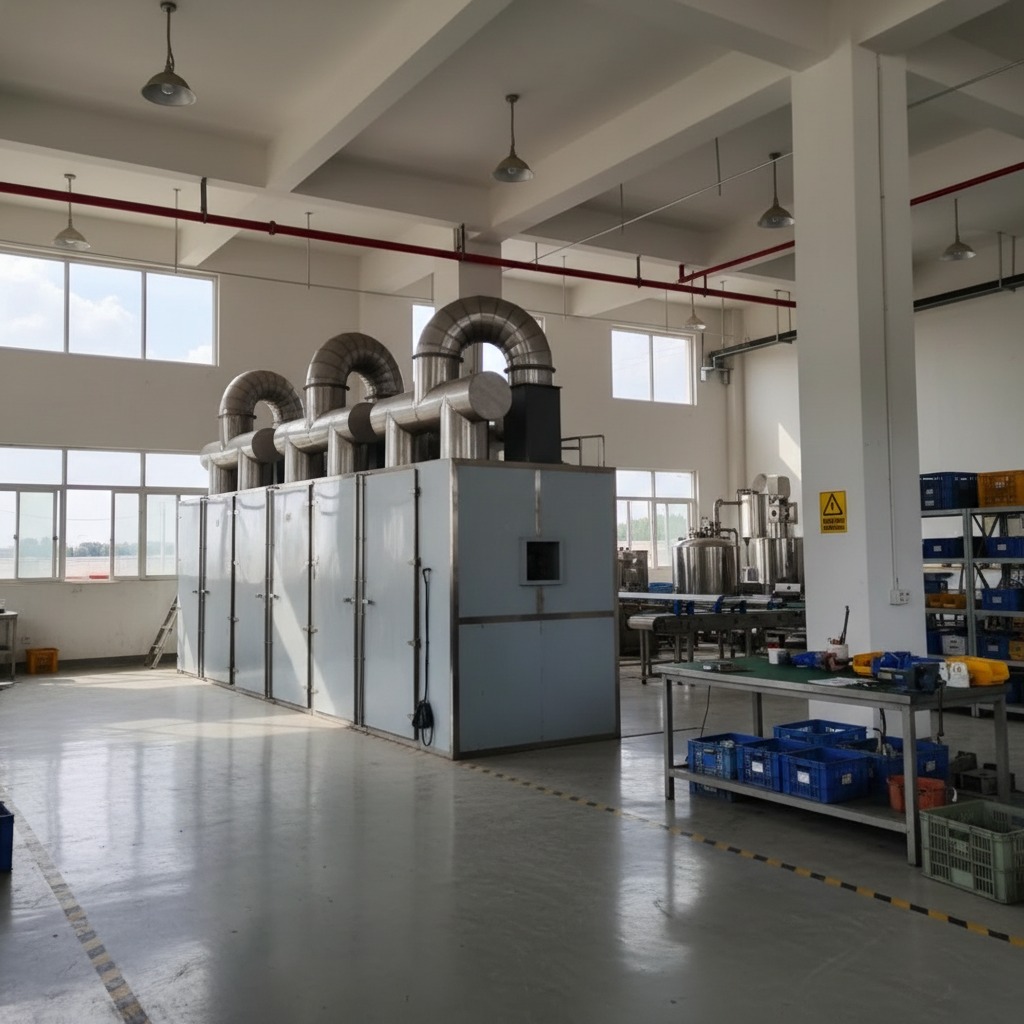
Exploring Dehydration Methods for Optimal Results
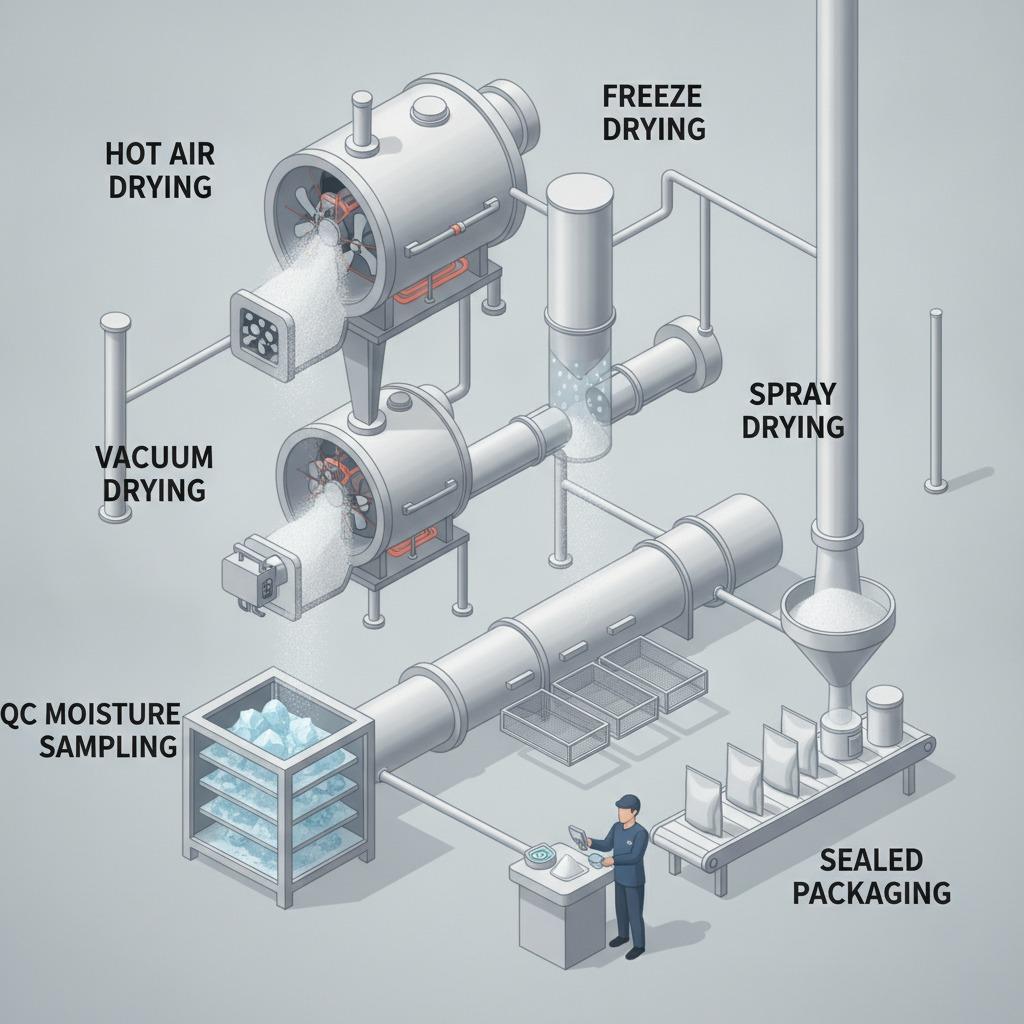
Dehydration methods form the backbone of drying technology, offering diverse approaches to suit specific needs. These methods include convective drying, where hot air circulates to evaporate moisture, and vacuum drying, which lowers pressure to accelerate the process at reduced temperatures. Each dehydration method is tailored to preserve the integrity of materials, whether it's delicate herbs or robust textiles. In practice, selecting the right dehydration method can significantly reduce processing time and costs, while maintaining nutritional value in food applications. Advanced dehydration methods also incorporate sensors for real-time monitoring, ensuring consistency across batches.
Advancements in Industrial Food Drying
Industrial food drying represents a critical application of drying technology, transforming raw produce into stable, marketable products. This process involves large-scale systems that handle high volumes, using heated airflows and precise temperature controls to remove water content without compromising texture or flavor. Industrial food drying systems often feature stainless steel chambers for hygiene and durability, ideal for complying with stringent safety standards. By optimizing airflow and heat distribution, these systems achieve uniform drying, reducing the risk of over-drying or under-processing. As a result, manufacturers can scale production efficiently, meeting global demand for preserved foods like dried fruits and vegetables.
The Role of Food Dehydration in Preservation
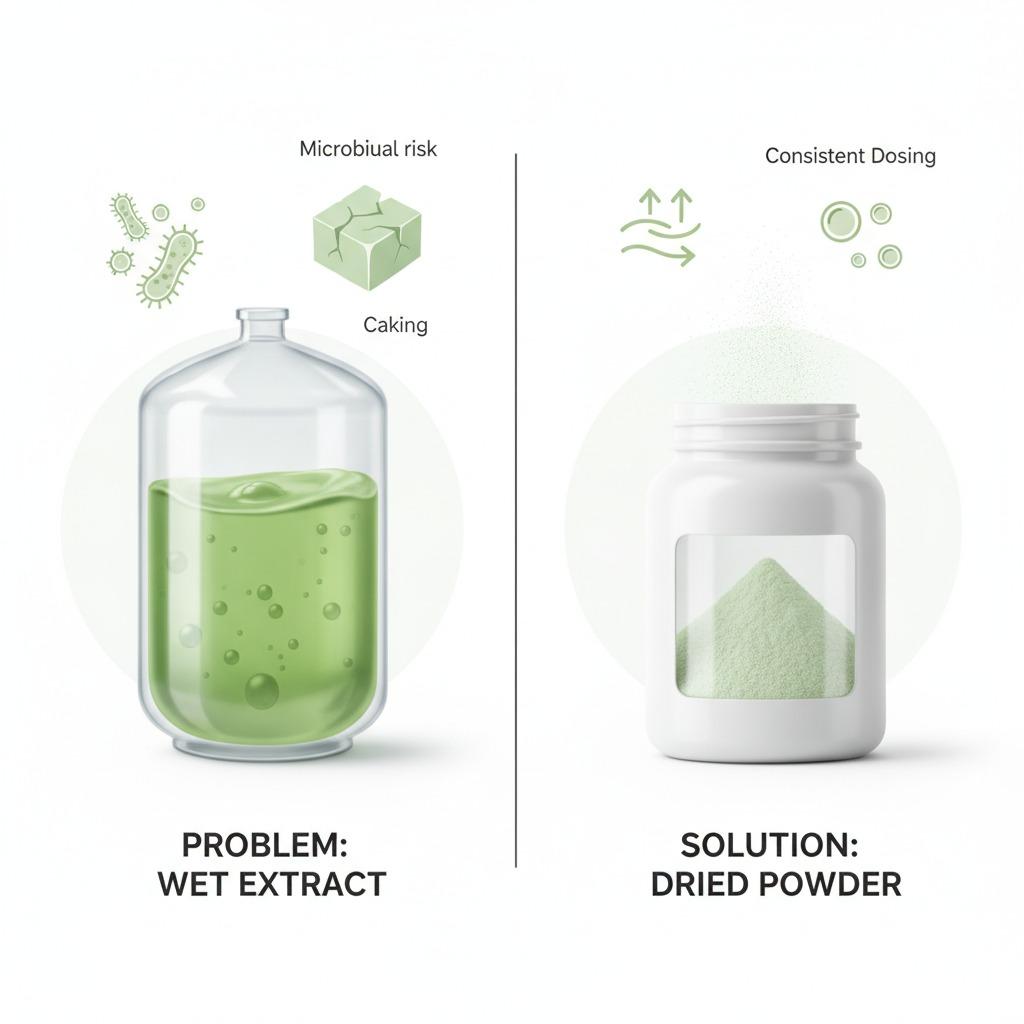
Food dehydration is a time-honored yet evolving technique within the realm of drying technology, focused on extending product longevity through moisture elimination. This method inhibits microbial growth by reducing water activity, making it essential for snacks, instant meals, and emergency rations. Modern food dehydration processes utilize conveyor belt systems or batch ovens, where controlled humidity levels ensure even results. Unlike traditional sun-drying, contemporary food dehydration leverages automated controls to handle variables like initial moisture content and desired final texture. This precision not only boosts output but also aligns with sustainability goals by minimizing energy inputs.
Innovative Systems Enhancing Drying Technology
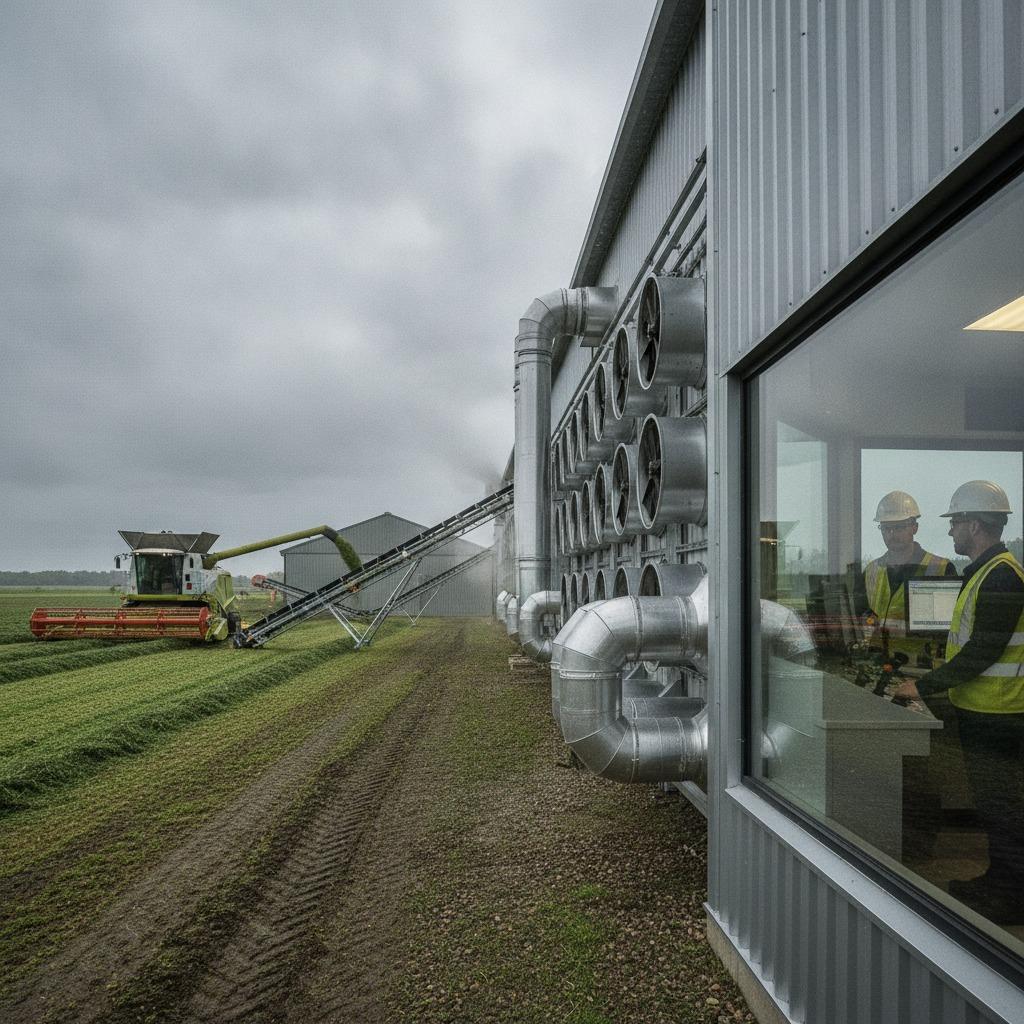
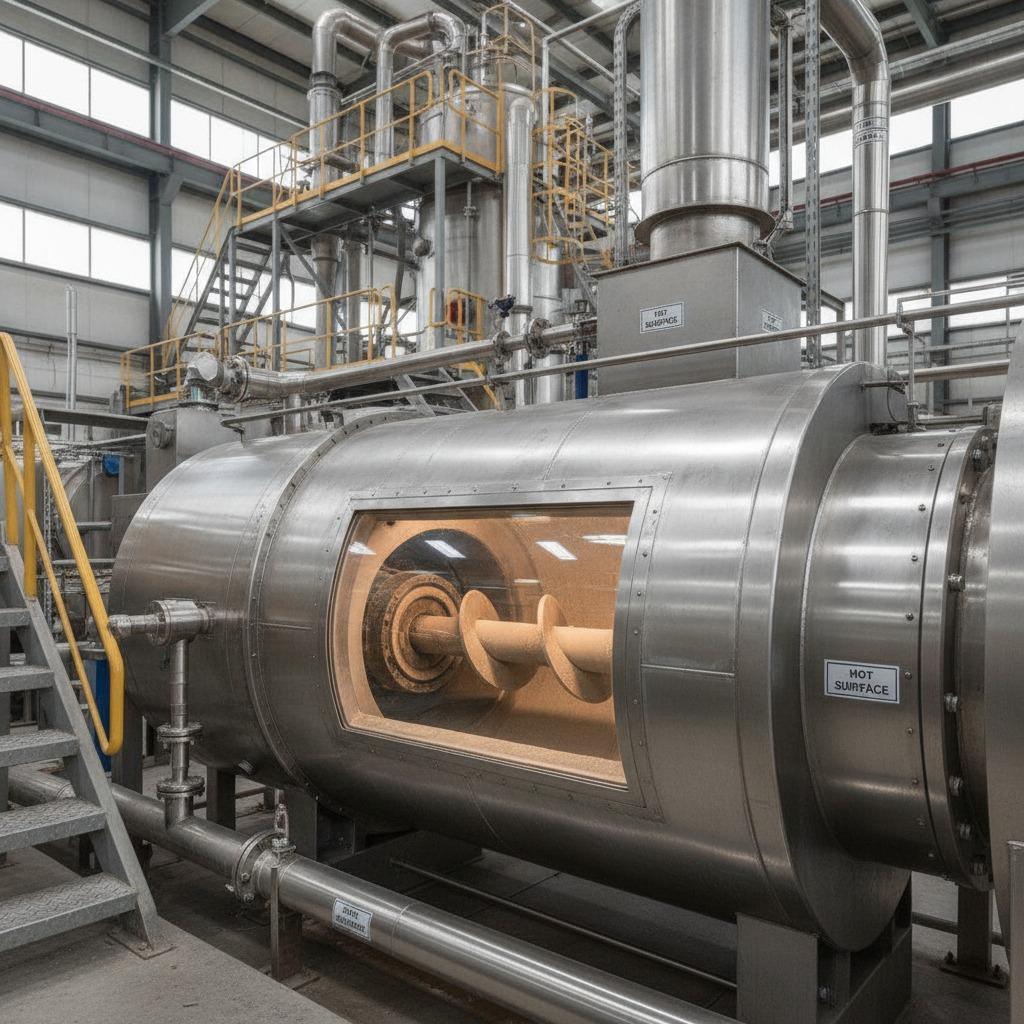
Our state-of-the-art industrial drying system embodies the pinnacle of drying technology, featuring stainless steel ducts and chambers for superior moisture extraction. Designed for high-efficiency operations, it incorporates advanced airflow technology that ensures uniform drying across diverse materials. This system is particularly effective in industrial food drying, where dehydration methods must balance speed with quality preservation. The integration of ventilation shafts optimizes energy use, reducing operational costs while handling large-scale production demands. Built for durability in harsh environments, its modular design allows seamless scalability and maintenance, making it a versatile choice for food processing industries.
Precision Control in Industrial Drying Ovens
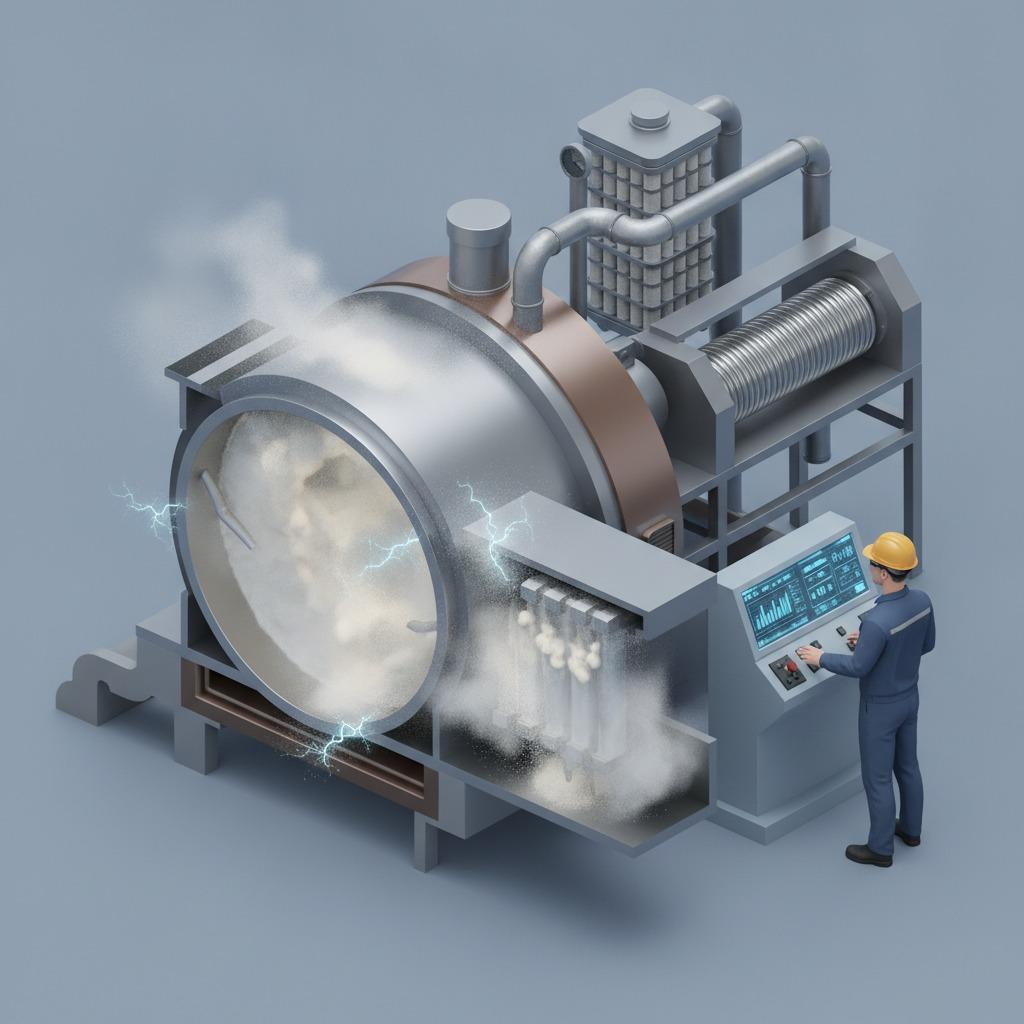
The industrial drying oven we offer exemplifies cutting-edge drying technology with its robust stainless steel construction and dual temperature gauges for meticulous monitoring. In the context of food dehydration, this oven provides precise control over heating processes, ensuring optimal moisture removal without altering product integrity. Equipped with insulated double doors, it maintains consistent internal conditions, crucial for dehydration methods that require stable environments. Whether used for pharmaceuticals or textiles, the oven's intuitive controls facilitate easy adjustments, enhancing overall efficiency. Its corrosion-resistant build guarantees long-term reliability, supporting continuous industrial food drying operations with minimal downtime.
Versatile Applications of Drying Technology
Drying technology extends beyond food to various industrial sectors, where dehydration methods adapt to unique challenges. In pharmaceuticals, for instance, controlled drying preserves active compounds, while in textiles, it prepares fabrics for further processing. Our versatile industrial oven, with its digital interface and advanced safety features, excels in these applications by distributing heat evenly through efficient airflow systems. This ensures reliable results in food dehydration tasks, such as curing meats or drying spices, while accommodating batch sizes from small to industrial-scale. The oven's modern design not only boosts productivity but also integrates seamlessly into existing production lines, promoting a streamlined workflow.
Sustainable Practices in Food Dehydration
Sustainability is increasingly central to drying technology, with innovative dehydration methods focusing on energy conservation and waste reduction. Industrial food drying systems now employ heat recovery mechanisms, recycling warm air to lower consumption without sacrificing performance. Our drying solutions prioritize eco-friendly operations, using materials that withstand repeated use and reduce the need for replacements. By fine-tuning parameters like temperature and humidity, these systems minimize product loss, aligning with global standards for green manufacturing. Food dehydration under such controlled conditions not only preserves nutrients but also supports ethical sourcing by extending the usability of seasonal produce.
Future Trends in Drying Technology
Looking ahead, drying technology is poised for further innovation, driven by automation and data analytics. Emerging dehydration methods may incorporate AI to predict optimal drying cycles, enhancing precision in industrial food drying. Our advanced systems are already adaptable to these trends, with modular components that integrate smart sensors for predictive maintenance. As industries strive for efficiency, food dehydration will evolve to include hybrid techniques combining microwave and convective drying for faster results. Investing in such forward-thinking drying technology ensures businesses remain competitive, delivering high-quality products while addressing environmental concerns. With scalable designs like our industrial ovens, the future of moisture management in manufacturing looks brighter and more efficient.