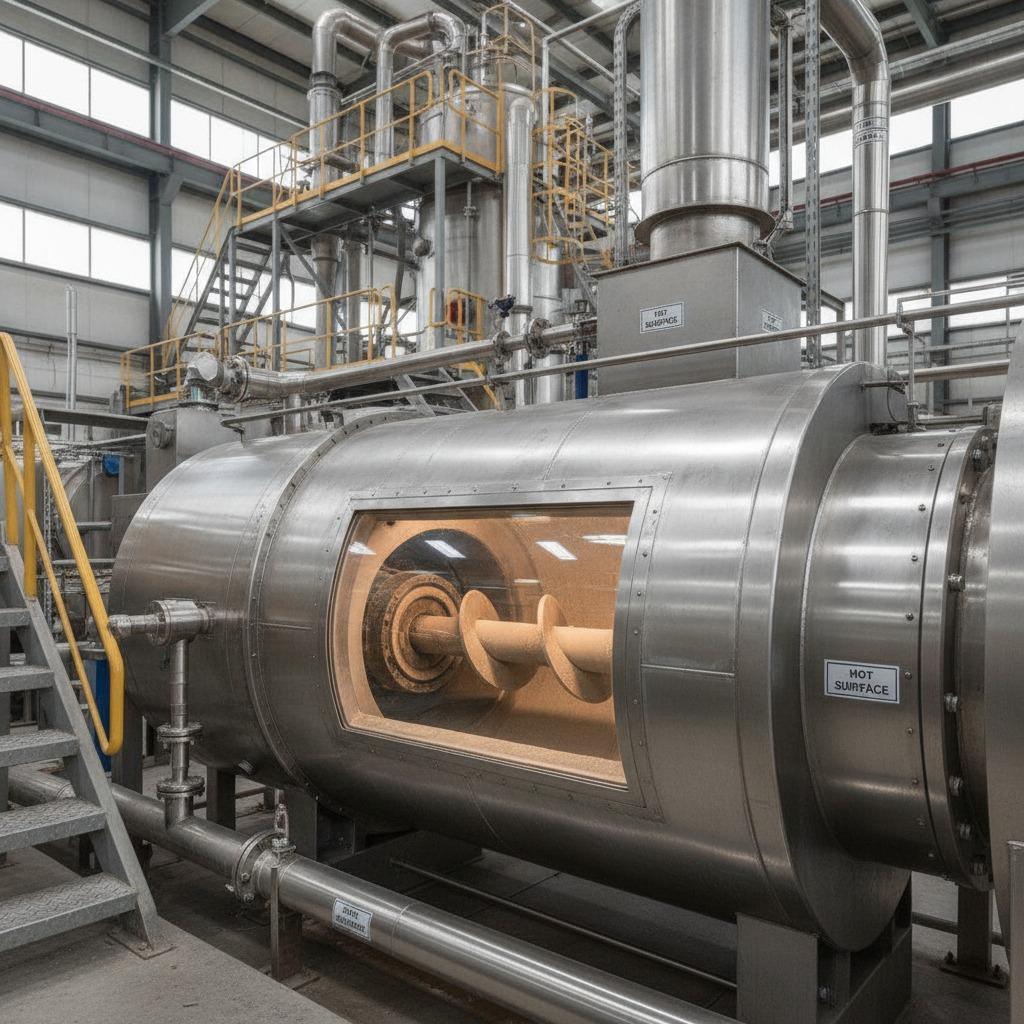
Why Double Conical Vacuum Drying Still Matters in Process Manufacturing
Double Conical Vacuum Drying is one of those unit operations that does not always get much attention until a batch starts sticking to the wall, degrading under heat, or coming out with moisture levels that are harder to control than the process team expected. For engineers and sourcing managers, the attraction is simple: this drying method combines gentle heat transfer with reduced pressure and good mixing behavior, which can be a practical fit for heat-sensitive powders, granules, crystals, and intermediates. The real question is not whether the equipment is familiar. It is whether it matches the material behavior, the throughput target, and the cleaning expectations of the plant.
That is why buyers usually end up comparing this style of dryer against tray dryers, fluid bed systems, paddle dryers, or rotary vacuum units. Each option can dry a material. Not each one can dry it without damaging structure, causing agglomeration, or creating an awkward cleaning problem downstream.
What the Equipment Is Designed to Do
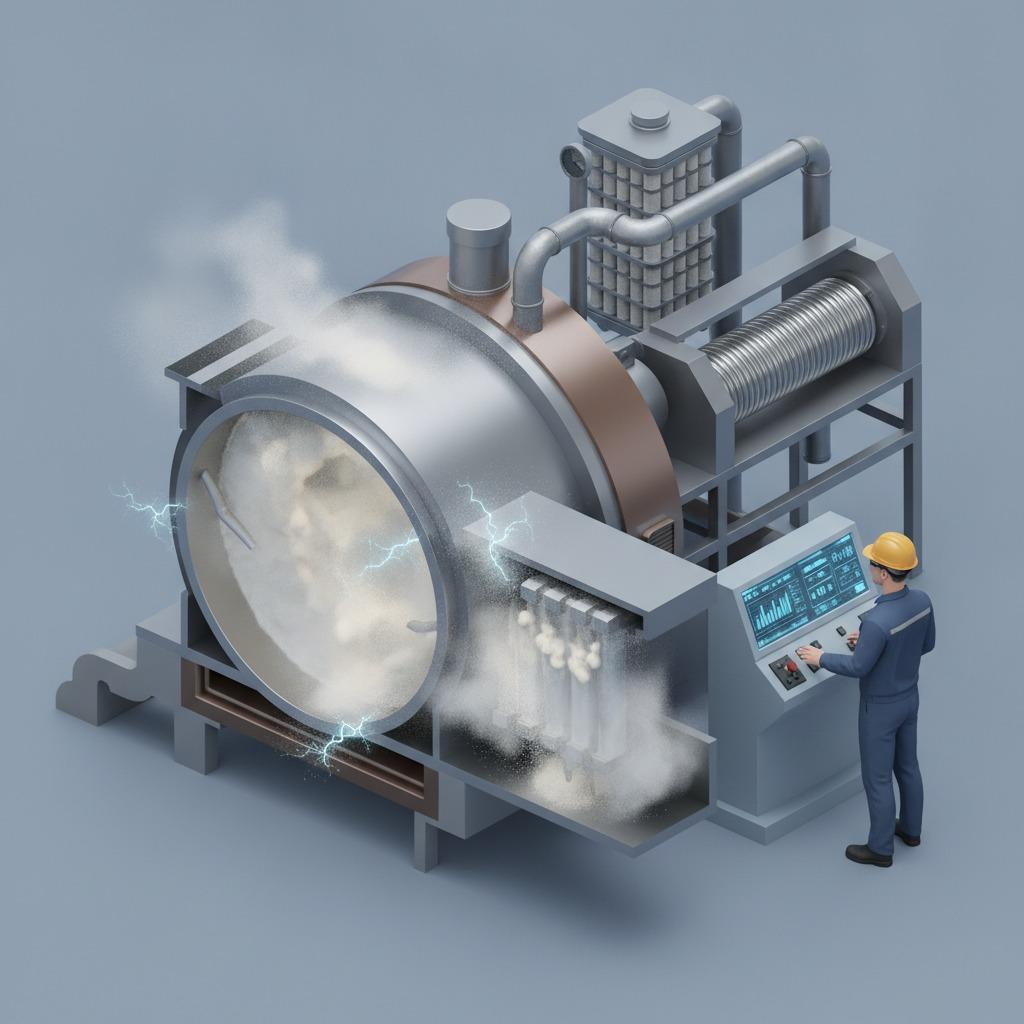
A double conical vacuum dryer uses a rotating vessel shaped like two cones joined at the center. Product is charged into the vessel, the chamber is sealed, and vacuum is applied so moisture can evaporate at lower temperatures. As the vessel rotates, the material repeatedly lifts and tumbles, exposing fresh surfaces to the heated wall and improving uniformity. The geometry also helps discharge the batch more fully than some stagnant drying arrangements, though sticky materials can still require judgment and some tuning.
The core appeal is mild handling. Materials that are temperature sensitive, oxidation prone, or difficult to dry in open air often behave better under vacuum. The process also reduces exposure to ambient contamination, which is one reason it is common in fine chemicals, pharmaceuticals, specialty ingredients, and some food-adjacent applications where batch hygiene matters.
Where This Dryer Fits Best
In practice, double conical vacuum drying tends to be chosen for batch products that need controlled, low-temperature drying and do not benefit from aggressive fluidization. If the product is dusty, fragile, or prone to surface hardening, the gentler tumbling action can be a real advantage. If the product is very wet and free-flowing, a different technology may move water faster.
Typical material traits that suit this method
Good candidates often include crystalline solids, granules, intermediates that must retain particle form, and products that degrade when exposed to oxygen or higher temperatures. High-value materials also fit the model because batch recovery, containment, and solvent capture matter more when the product itself is expensive.
Less ideal candidates include materials that bridge severely, cake into a hard mass, or need intense kneading to break up lumps. The dryer can mix, but it is not a cure-all. That is an important caution because buyers sometimes assume vacuum plus rotation solves every moisture problem. It does not.
How the Process Works, Step by Step
Although configurations vary by supplier, the operating sequence is usually straightforward. First, the wet material is charged into the vessel. Then the system is sealed and connected to the vacuum source. Heating media, often through a jacket or other indirect heating arrangement, raises the wall temperature enough to drive evaporation while staying within the material’s thermal limits. As pressure drops, the boiling point of the liquid phase falls as well, so drying can proceed at gentler temperatures than atmospheric methods would allow.
The rotating vessel continuously turns the batch. That motion matters more than it looks on paper. It redistributes solids, exposes wet surfaces, and reduces the chance of localized overheating. In some setups, the dryer can also be paired with condensers and solvent recovery equipment if the removed vapor is not just water. That is particularly relevant in chemical processing, where the vapor stream may require controlled handling rather than simple venting.
Key Advantages Buyers Usually Care About
The first advantage is thermal sensitivity. Lower operating temperatures help protect product color, active properties, and chemical structure. The second is uniformity. A rotating batch dryer often produces a more even final moisture profile than static trays, especially when the batch load is well matched to the vessel size. Third, containment can be strong, which is useful when the process involves solvents, odors, or contamination concerns.
There is also a maintenance and cleaning consideration. Compared with some more complex mechanical dryers, the vessel design can be relatively straightforward. That said, “straightforward” is not the same as “maintenance-free.” Seals, drive components, vacuum integrity, and heat transfer surfaces all deserve attention, particularly in plants where the dryer runs regularly and product changeovers are frequent.
What to Compare Before You Buy
For sourcing teams, the main mistake is shopping on vessel shape alone. The real comparison should focus on the material and the process window. Ask what the initial and final moisture targets are, how temperature-sensitive the product is, whether solvent recovery is required, and whether the batch size will stay consistent over time. Those questions shape the equipment specification far more than catalog photos do.
Selection criteria that usually matter most
Capacity should be checked against the actual working fill level, not only the geometric volume. Heat transfer area matters because low-pressure drying can still become slow if the product bed is too thick or the wall area is insufficient. Vacuum level requirements also need review, since not all applications need the same pressure range. Material of construction is another point that should be tied to the chemistry of the product and the plant’s cleaning practices.
Integration is easy to overlook. How will the unit be charged, how will it be discharged, where will condensate go, and how will operators verify end point? A dryer that looks economical on paper can become expensive if loading and unloading create bottlenecks.
Common Mistakes in Specification and Use
One common error is assuming the dryer can compensate for a poor upstream filtration or crystallization step. If the cake is inconsistent, the dryer inherits the problem. Another is underestimating how sticky a product becomes as it dries. Some materials that begin as manageable wet solids turn into adhesive layers halfway through the cycle, which can slow drying and make discharge less clean than expected.
Another practical issue is overfilling. In a batch rotating dryer, more is not always better. Overloading reduces turnover, stretches cycle time, and can leave hidden wet pockets in the bed. Underfilling is not ideal either because heat transfer and mixing efficiency may drop. The working range matters, and it should be proven with real material when possible.
Plants also sometimes skip a sober look at solvent handling. If the evaporated component is flammable or otherwise regulated, the vapor path, condenser design, and vacuum system need to be chosen with care. This is not the place for assumptions.
Practical Buying Advice for Engineers and Sourcing Teams
If you are evaluating equipment for a new line or replacing an older dryer, request a process discussion before you request a price. A supplier should be able to talk through the product behavior, the target residual moisture, the likely cycle profile, and the handling of condensate or recovered solvent. If they cannot, the quotation may not be based on enough process reality.
For engineers, pay special attention to heat input, batch movement, and discharge behavior. For sourcing managers, focus on service access, lead-time risk on critical components, and how well the vendor supports qualification, documentation, and training. Those details tend to matter more after commissioning than they do during the purchase meeting.
It is also worth asking for examples of similar material families rather than exact customer names. Similarity in process behavior is more useful than a glossy reference list. A dryer that works well for one crystalline intermediate may still be a poor choice for a more cohesive or more solvent-laden product.
FAQ: Short Answers Buyers Usually Need
Is this drying method only for pharmaceuticals?
No. It is widely used in pharmaceuticals, but also in fine chemicals, specialty materials, and other batch operations where gentle drying is important.
Does it dry faster than all other vacuum dryers?
Not automatically. Drying speed depends on product properties, fill level, heat transfer area, and vacuum performance. The method is chosen more for control and product protection than raw speed alone.
Can it handle solvent-based wet cake?
Often yes, provided the system is configured for the solvent’s recovery and safety requirements. That part should be confirmed early, not after procurement.
What is the biggest hidden risk?
Usually mismatch between the dryer design and the real material behavior. Sticky transition states, poor discharge, or underestimated cycle time can cause more trouble than the base machine itself.
What a Good Decision Looks Like
Double Conical Vacuum Drying is a sound choice when the product is valuable, heat sensitive, and better handled in batch form than in a continuous high-shear system. It is especially attractive when uniform drying, reduced oxidation, and controlled vapor recovery are part of the requirement. The best outcomes come from matching the equipment to the material, not the other way around.
If you are evaluating a new dryer, start with the product behavior, define the moisture target clearly, and confirm how the batch will move through charge, dry, and discharge. Then compare vendors on process understanding, not just mechanical features. That is usually where the better long-term decision becomes visible.