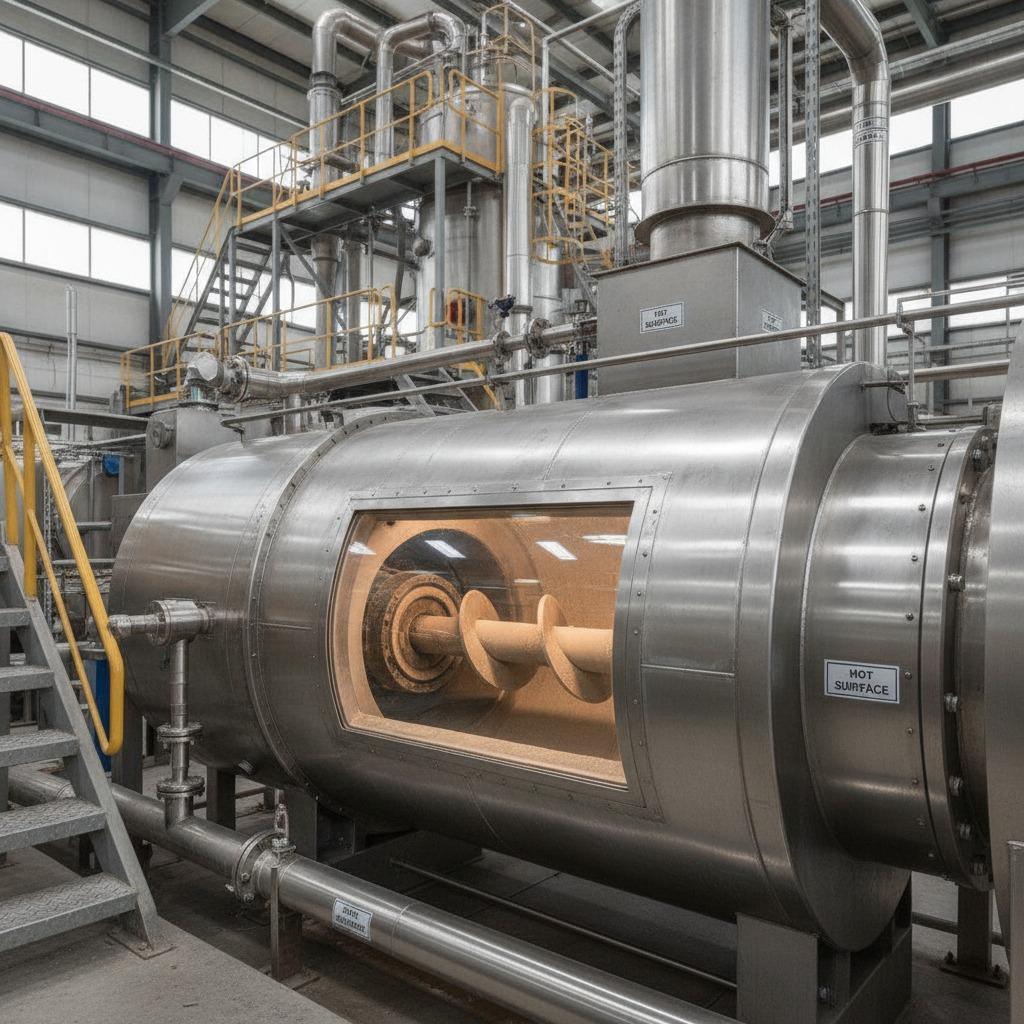
Discovering the Power of the Chinese Herbal Crusher in Modern Processing
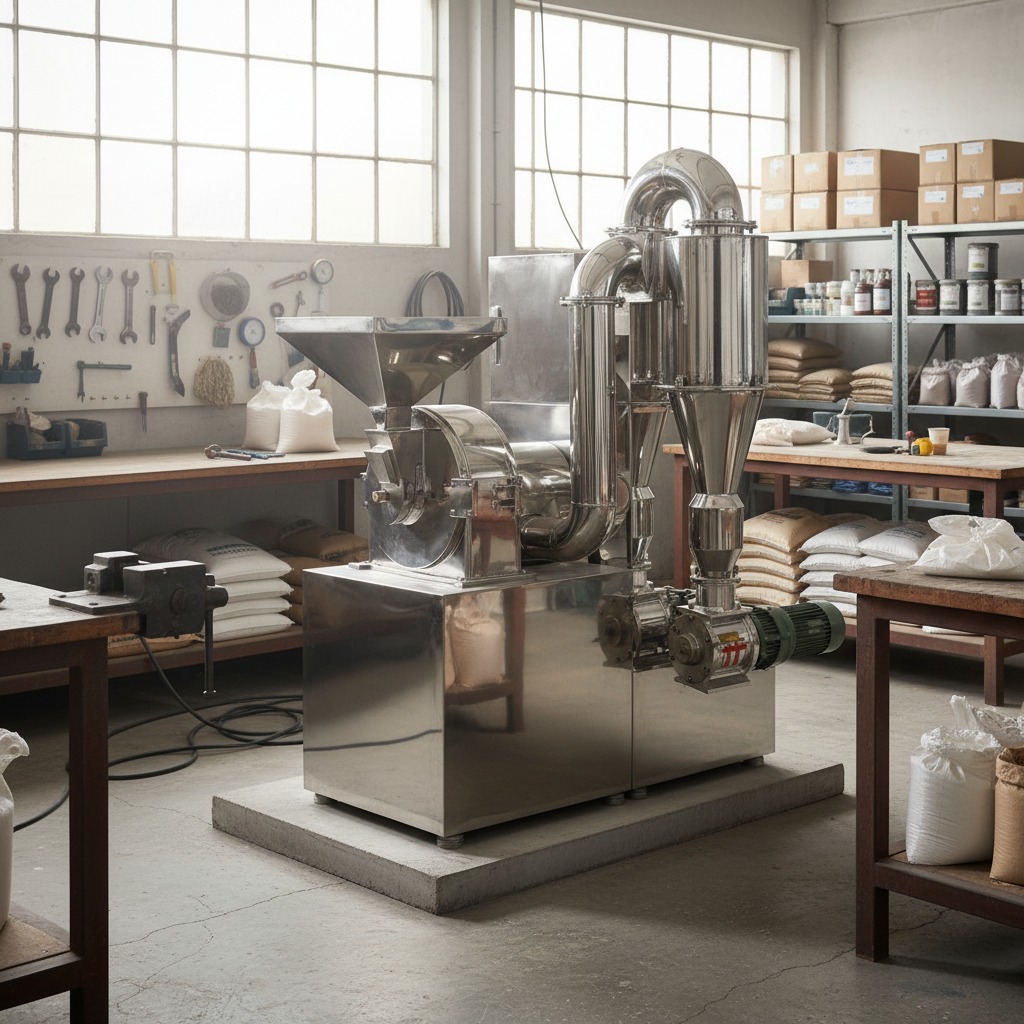
In the world of herbal medicine and natural product manufacturing, the Chinese herbal crusher stands out as a vital tool for efficient processing. This specialized equipment, often rooted in traditional Chinese manufacturing techniques, has evolved to meet contemporary demands for precision and speed. Whether you're a herbalist, a pharmaceutical producer, or involved in the food industry, understanding the capabilities of a Chinese herbal crusher can transform your operations. It excels in breaking down tough plant materials into fine powders, preserving the essence and potency of herbs without compromising quality.
Understanding the Core Features of a Chinese Herbal Crusher
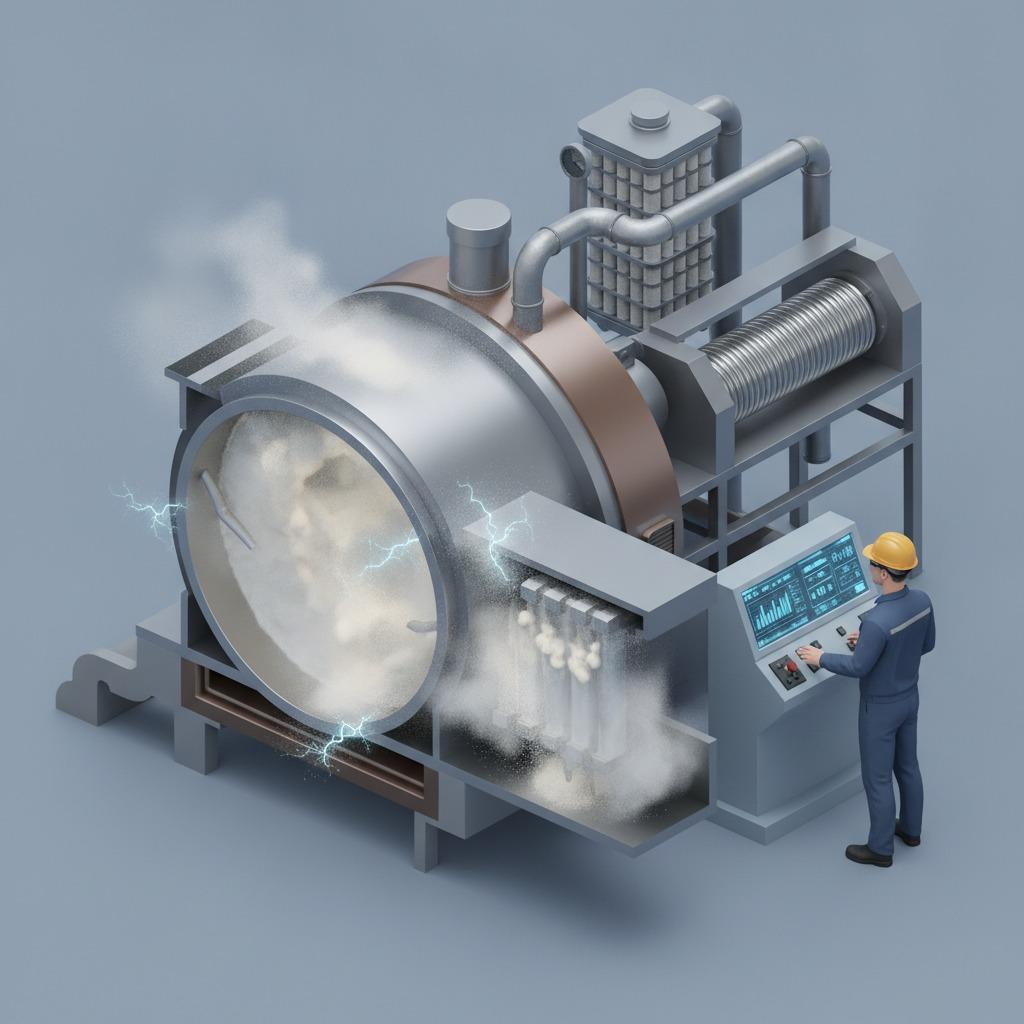
At its heart, the Chinese herbal crusher is engineered for robustness and efficiency. Typically constructed from high-grade stainless steel, it resists corrosion and ensures hygienic processing, which is crucial for medicinal applications. The machine features a high-capacity hopper that allows for continuous feeding of herbs, leading into a powerful grinding chamber where blades or hammers pulverize the material at high speeds. This design not only reduces particle size effectively but also minimizes heat generation, protecting sensitive herbal compounds from degradation.
One of the standout aspects is its versatility. A standard Chinese herbal crusher can handle a variety of materials, from dried roots and leaves to spices and resins. With adjustable settings, users can control the fineness of the grind, making it suitable for everything from coarse chops to ultra-fine powders used in capsules or teas. Safety features, such as emergency stop buttons and enclosed chambers, are integrated to prevent accidents in busy production environments. Maintenance is straightforward, with removable parts that can be easily cleaned, ensuring compliance with health and safety standards.
In terms of power, these crushers are equipped with reliable motors that deliver consistent torque, even under heavy loads. This reliability is particularly important for small to medium-scale operations where downtime can be costly. Compared to manual grinding methods, a Chinese herbal crusher dramatically increases productivity, allowing processors to handle larger volumes without sacrificing quality. It's no wonder that this machine has become a staple in traditional Chinese medicine factories and beyond.
Spotlight on the 30B Crusher: A Reliable Choice for Herbal Processing
Among the various models, the 30B crusher represents a pinnacle of Chinese engineering tailored for herbal applications. The 30B crusher is renowned for its compact design and high output, making it ideal for workshops with limited space yet demanding throughput. This model incorporates advanced blade technology that ensures uniform particle distribution, which is essential for consistent product quality in herbal supplements.
The 30B crusher operates on a principle of high-speed impact, where herbs are fed into the chamber and instantly reduced to desired sizes. Its stainless steel interior prevents contamination, a critical factor when dealing with therapeutic herbs. Users appreciate the ease of operation; simply load the hopper, set the timer, and let the machine do the work. With capacities reaching up to several kilograms per batch, it's perfect for both batch and continuous processing in pharmaceutical or nutraceutical settings.
What sets the 30B crusher apart is its energy efficiency. Despite its power, it consumes less electricity than many competitors, reducing operational costs over time. For those in the herbal industry, this model supports the growing demand for natural remedies by enabling quick turnaround times. Whether grinding ginseng roots or licorice, the 30B crusher delivers results that maintain the herb's bioactive properties, ensuring end products are as effective as possible.
Exploring the Grinding Machine for Herbs: Versatility in Action
A grinding machine for herbs, often synonymous with the Chinese herbal crusher, is more than just a pulverizer—it's a gateway to innovation in natural product creation. These machines are designed to tackle the unique challenges of herbal materials, which can vary in hardness, moisture content, and texture. The grinding machine for herbs uses a combination of shear and impact forces to achieve fine milling, resulting in powders that mix seamlessly into formulations.
Key to its appeal is the integration of cyclone separators in many models, which efficiently remove dust and fine particles, promoting a cleaner working environment. This feature is especially beneficial in labs or factories where air quality affects both worker health and product purity. Adjustable mesh screens allow for customization, so a grinding machine for herbs can produce powders ranging from 50 to 500 microns, catering to diverse needs like tea blends or tablet compressions.
In practical use, a grinding machine for herbs streamlines workflows. For instance, in traditional Chinese medicine preparation, it reduces processing time from hours to minutes, allowing practitioners to focus on formulation rather than labor-intensive grinding. Its durability ensures long-term value, with many units lasting years under regular use. As the global interest in herbal remedies surges, investing in a reliable grinding machine for herbs becomes a strategic move for businesses aiming to scale sustainably.
The 30B Herbal Grinder: Precision for Professional Results
Diving deeper into specialized variants, the 30B herbal grinder offers precision that elevates herbal processing to professional standards. This grinder is particularly favored in the East Asian markets for its adherence to traditional methods while incorporating modern tech. The 30B herbal grinder features a turbo mechanism that enhances pulverization speed, ideal for dense herbs like astragalus or goji berries.
Built with user-friendly controls, the 30B herbal grinder allows operators to monitor temperature and speed in real-time, preventing overheating that could alter herbal efficacy. Its stainless steel construction not only aids in easy disassembly for cleaning but also meets international food-grade standards, broadening its applicability to the food and cosmetic industries. Output consistency is another hallmark; batches processed with the 30B herbal grinder yield uniform particles, which is vital for quality control in manufacturing.
For entrepreneurs starting in the herbal sector, the 30B herbal grinder provides an accessible entry point. It's scalable, meaning it can grow with your business—from small artisanal batches to larger productions. Testimonials from users highlight its quiet operation and low vibration, making it suitable for urban settings. By choosing the 30B herbal grinder, you're not just acquiring a tool; you're investing in a piece of equipment that bridges tradition and innovation.
Applications and Benefits Across Industries
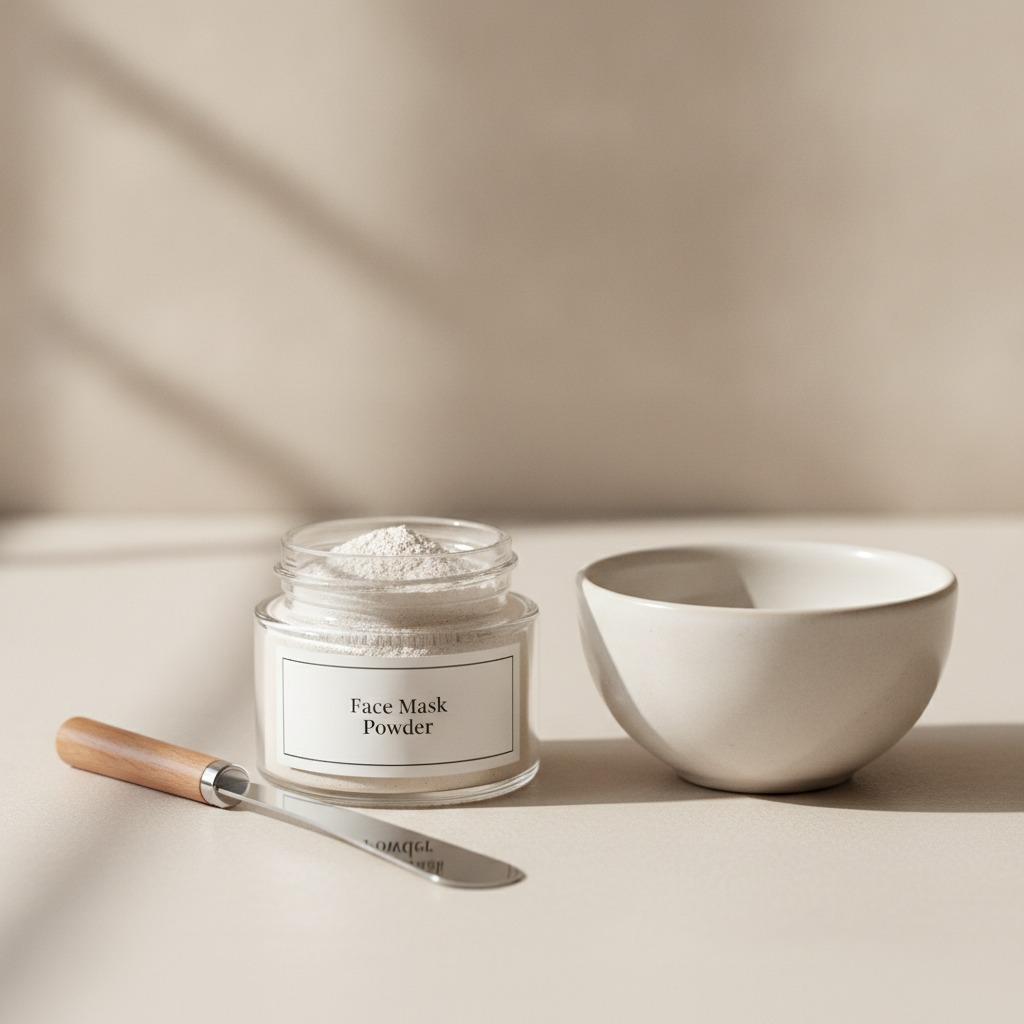
The applications of a Chinese herbal crusher extend far beyond traditional uses, influencing sectors like pharmaceuticals, cosmetics, and even agriculture. In pharmaceuticals, it facilitates the creation of standardized herbal extracts, ensuring dosage accuracy in medications. For cosmetics, fine powders from the crusher enhance product textures in creams and masks, drawing on the natural benefits of herbs like aloe or chamomile.
Benefits include not only efficiency but also cost savings. By reducing waste through precise grinding, a Chinese herbal crusher optimizes material use. It also promotes sustainability, as finer powders require less packaging and transport. In research settings, these machines aid in extracting essential oils and studying herbal compositions, advancing scientific understanding.
Safety and compliance are paramount; modern Chinese herbal crushers incorporate features like overload protection and noise reduction, aligning with global regulations. For companies, integrating such equipment boosts competitiveness in the wellness market, where consumers demand pure, potent products. Overall, the Chinese herbal crusher, along with models like the 30B crusher and 30B herbal grinder, empowers industries to harness nature's bounty effectively.
Choosing the Right Chinese Herbal Crusher for Your Needs
Selecting the ideal Chinese herbal crusher involves considering factors like capacity, material type, and end-product requirements. For small operations, a compact 30B crusher might suffice, while larger facilities benefit from high-volume grinding machines for herbs. Evaluate power sources, as some models offer electric or even portable options for field use.
Consulting with suppliers ensures you get a machine tailored to your herbs' properties—brittle leaves need different settings than fibrous roots. Regular maintenance, such as blade sharpening and lubrication, extends lifespan and performance. By prioritizing quality in your Chinese herbal crusher choice, you ensure reliable, high-quality output that meets market standards.
In conclusion, the evolution of the Chinese herbal crusher reflects a blend of ancient wisdom and cutting-edge technology, making it indispensable for anyone in herbal processing. From the versatile 30B herbal grinder to robust grinding machines for herbs, these tools drive efficiency and innovation, paving the way for healthier, natural products worldwide.