In the vast world of chemistry, few compounds possess the quiet versatility and widespread utility of Aluminum hydroxide. This inorganic compound, represented by the chemical formula Al(OH)₃, typically presents as a fine, white, amorphous powder, unassuming in its appearance yet critical to countless industrial, medical, and commercial applications. Found naturally as the mineral gibbsite, it is a substance that bridges the gap between the raw earth and highly refined modern products. Its unique properties allow it to serve as a powerful flame retardant, a gentle antacid, a crucial manufacturing filler, and a key ingredient in water purification, making it one of the most significant non-metallic mineral products produced globally.
From Earth's Crust to Industrial Use
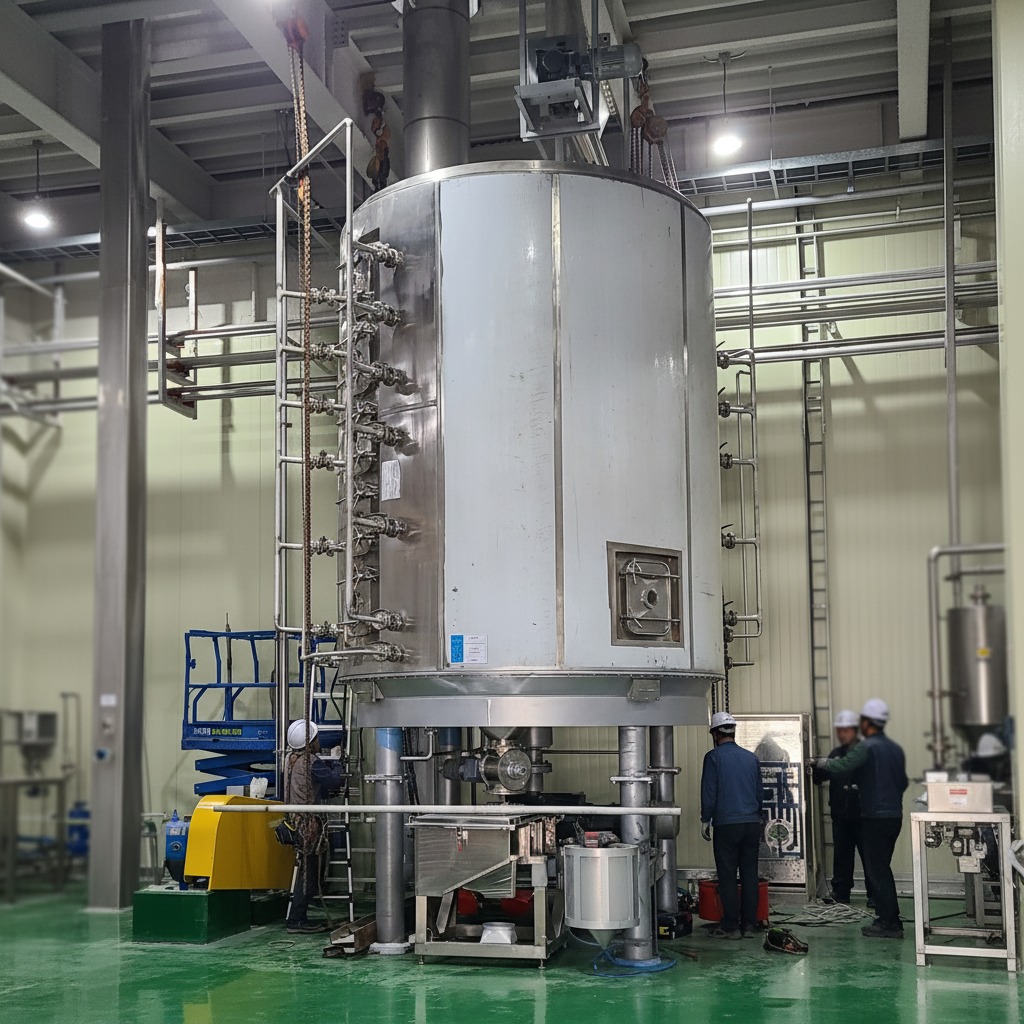
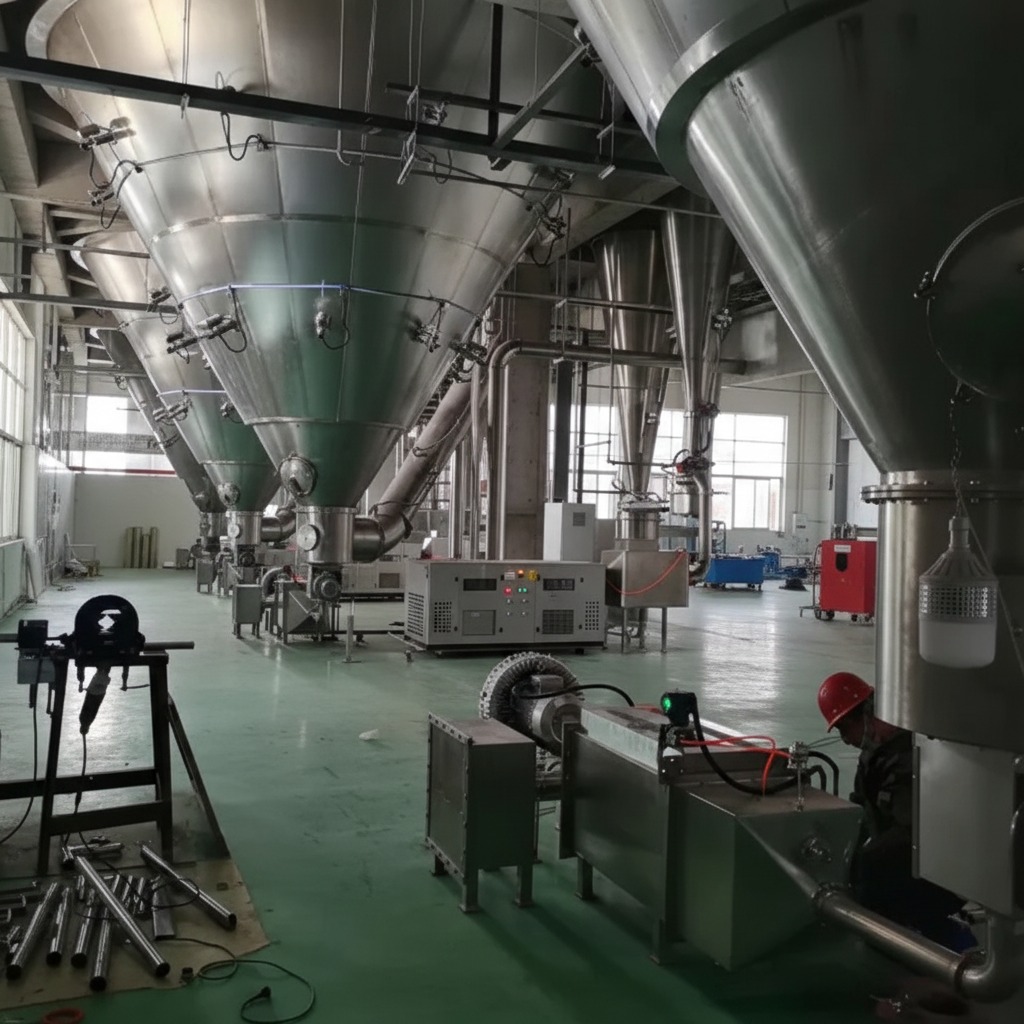
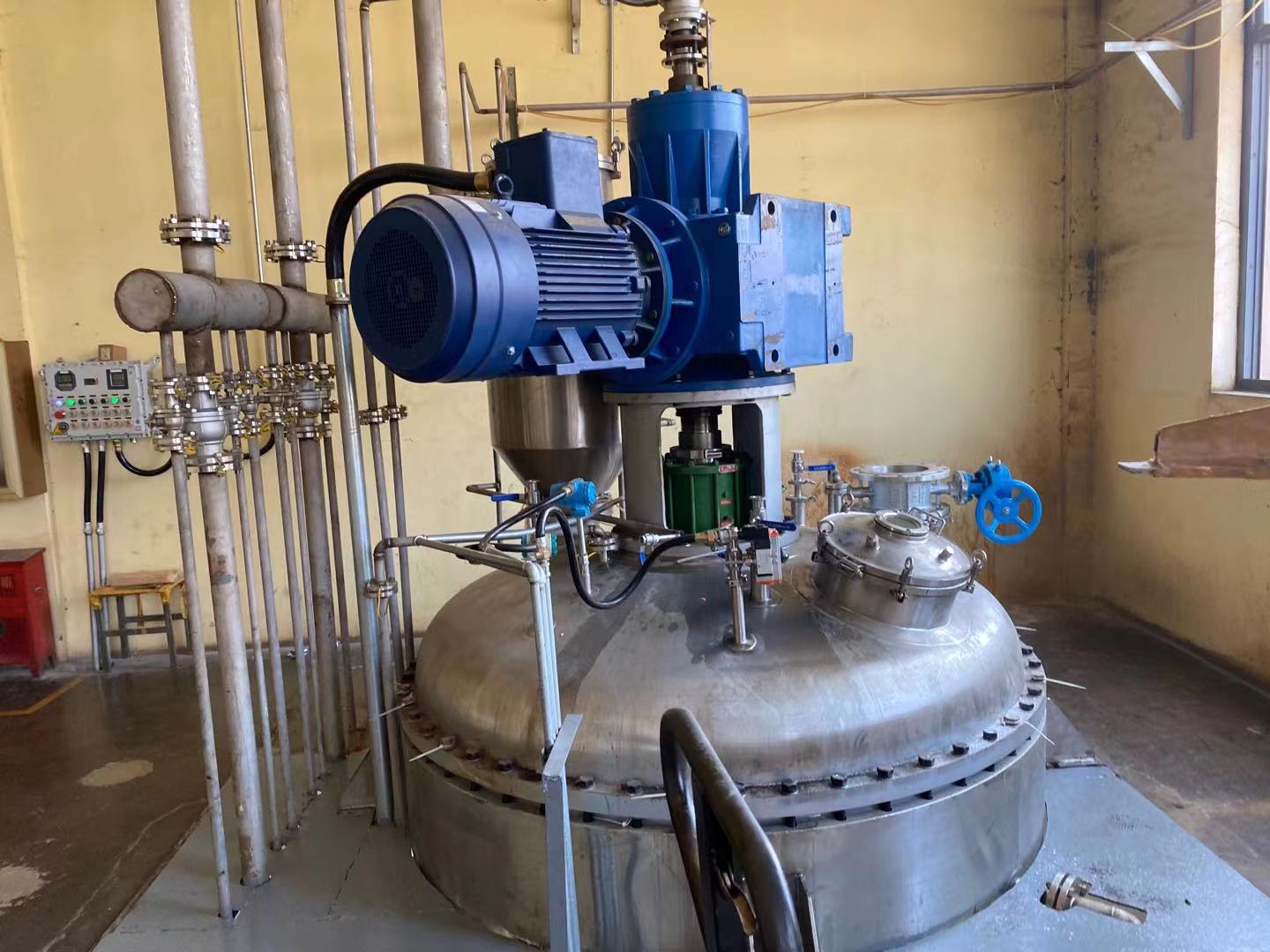
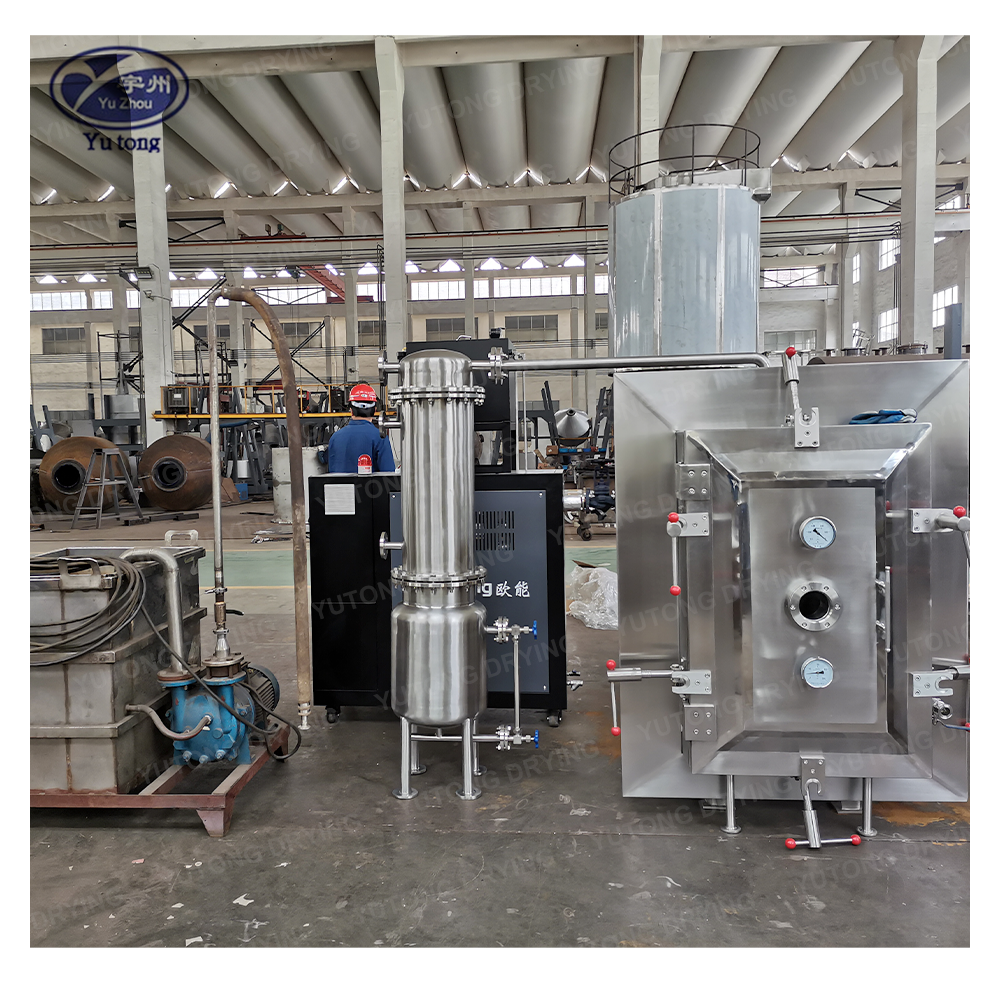
Our journey with this remarkable substance begins deep within the Earth's crust, where it exists as a primary component of bauxite ore. Bauxite is the world’s main source of aluminum, and the extraction of aluminum hydroxide is the first major step in producing aluminum metal. This transformation from rugged ore to a pure white powder is achieved through a fascinating industrial procedure known as the Bayer process. In this process, bauxite is washed, crushed, and dissolved in a hot solution of sodium hydroxide, creating a sodium aluminate solution. The impurities, collectively known as red mud, are filtered out. The clear aluminate solution is then cooled, and seed crystals of the desired compound are added to precipitate the solid Al(OH)₃. The resulting crystals are washed and dried, yielding a high-purity product ready for its myriad applications. This carefully controlled process turns a raw mineral into a highly consistent and reliable industrial material.
A Guardian Against Fire: The Flame Retardant Properties
Perhaps one of the most critical and life-saving applications of this compound is its role as a flame retardant. It is a halogen-free retardant, making it an environmentally friendlier alternative to other chemical treatments. Its effectiveness lies in a simple yet elegant chemical reaction. When heated to temperatures above 200°C, it undergoes an endothermic decomposition, meaning it absorbs a significant amount of heat energy from its surroundings. This process has a threefold effect: first, the absorption of heat cools the material, delaying its ignition. Second, the decomposition releases water vapor—up to 35% of the compound's mass. This water vapor acts as a diluent, pushing oxygen away from the flame and smothering it. Finally, the residue left behind is aluminum oxide, a non-combustible ceramic layer that insulates the underlying material from further heat exposure. This powerful mechanism is why it is incorporated into materials like wire and cable insulation, carpet backing, and plastic components for electronics and construction.
A Soothing Agent in Medicine
Beyond the factory floor, this versatile powder plays a gentle but vital role in healthcare and pharmaceuticals. Its most common medical use is as an antacid, providing relief from heartburn, acid indigestion, and stomach upset. In this capacity, it works by neutralizing excess hydrochloric acid in the stomach. The hydroxide ions react with the acidic protons to form water, raising the stomach's pH and alleviating discomfort. It is also used as a phosphate binder for people with chronic kidney failure. These patients cannot effectively excrete phosphate, leading to dangerously high levels in their blood. The aluminum compound binds with dietary phosphate in the gastrointestinal tract, forming insoluble aluminum phosphate that is then excreted from the body. Furthermore, it serves as an adjuvant in certain vaccines, helping to stimulate a stronger immune response to the vaccine's active ingredient, thereby enhancing its protective effects.
The Unseen Workhorse of Modern Materials
In the world of manufacturing, Al(OH)₃ is an indispensable additive and filler for a wide range of materials, particularly plastics and composites. When blended into polymers like polyester, epoxy resins, and rubber, it not only imparts flame retardancy but also improves the material's mechanical properties. It can enhance arc and track resistance in electrical insulators, increase tensile strength, and act as a viscosity suppressant. As a white pigment, it can also be used as a filler in paper and paints, providing brightness and opacity. Its utility extends to environmental applications as well, most notably in water treatment. In this context, it functions as a flocculant. When added to water, it forms gelatinous precipitates that attract and entrap suspended particles, bacteria, and other impurities, causing them to clump together and settle, which makes them easy to filter out, resulting in clearer, cleaner water.
Beyond the Basics: Diverse Chemical Roles
The applications do not stop there. The substance is a crucial starting material for the synthesis of other important aluminum compounds. Calcination—heating it to high temperatures—drives off the water to produce aluminum oxide, or alumina. Alumina is the primary material used to produce aluminum metal through the Hall-Héroult process and is also a key component in manufacturing advanced ceramics, abrasives, and refractory materials. In the cosmetics industry, its fine, uniform particles are used in various products as an absorbent, opacifying agent, and skin protectant. It can also be found in the production of certain types of glass, where it enhances chemical resistance and durability. This chemical precursor role underscores its fundamental importance across the entire chemical and materials science landscape, making it a cornerstone of modern industrial chemistry.