Understanding the Aluminum Hydroxide Tray Dryer: Essential Equipment for Industrial Drying Processes
In the realm of industrial chemical processing, the aluminum hydroxide tray dryer stands out as a vital piece of equipment designed to efficiently remove moisture from aluminum hydroxide, a compound widely used in pharmaceuticals, water treatment, and flame-retardant materials. This dryer operates by spreading the wet material in thin layers on trays, allowing hot air to circulate and evaporate the water content uniformly. For industries dealing with large-scale production, integrating an aluminum hydroxide tray dryer ensures consistent quality and high throughput, minimizing waste and energy consumption. As manufacturing demands grow, understanding this technology becomes crucial for optimizing operations.
Key Features of Industrial Tray Dryers for Aluminum Hydroxide
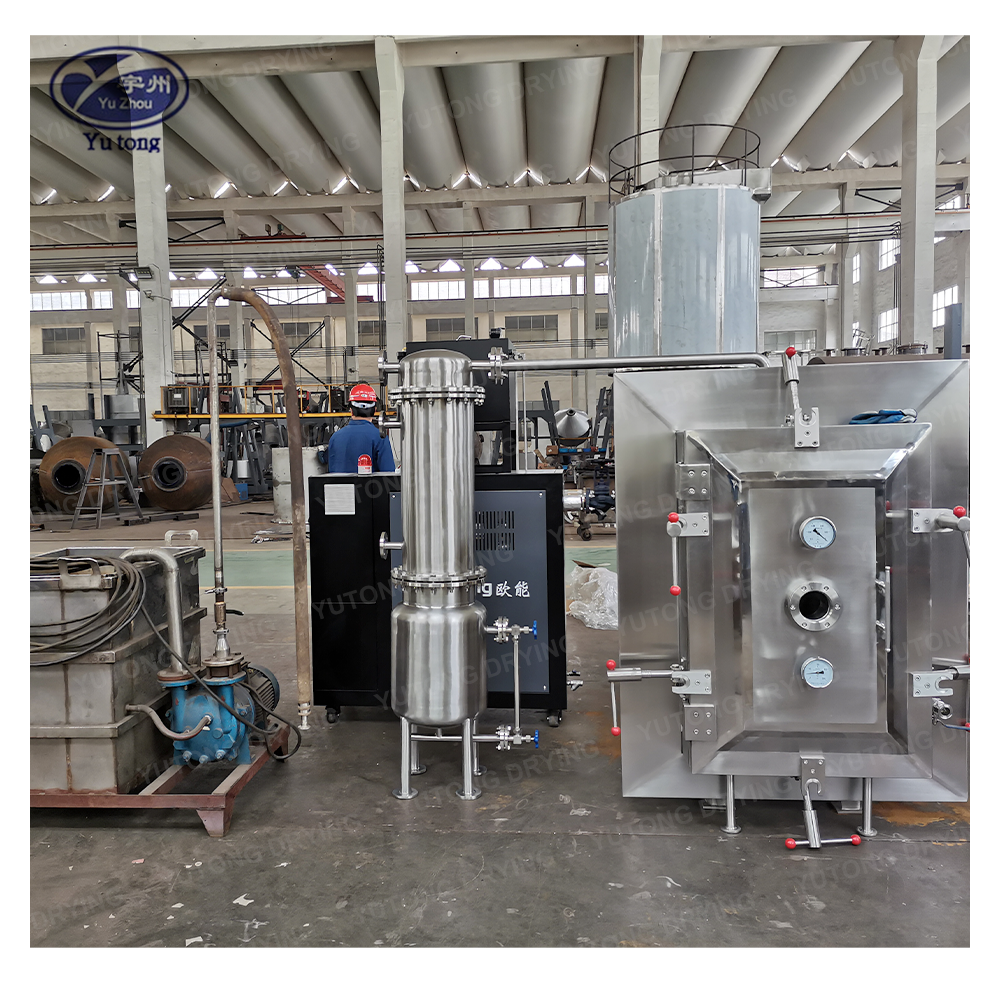
Industrial tray dryer aluminum hydroxide systems are engineered for robustness, featuring stainless steel construction that resists corrosion from the chemical's alkaline nature. These dryers typically include multiple stacked trays, each holding a batch of the material, with fans and heating elements that maintain precise temperatures between 50 to 150 degrees Celsius, depending on the moisture content and desired dryness level. The design allows for even airflow distribution, preventing hotspots that could degrade the product. Safety features such as explosion-proof motors and automated controls are standard, ensuring compliance with stringent industrial regulations. Moreover, these systems often incorporate energy recovery mechanisms, recirculating warm air to reduce operational costs by up to 30 percent in high-volume setups.
One notable advantage is the scalability of industrial tray dryer aluminum hydroxide units. They can handle batches from a few kilograms to several tons, making them suitable for both pilot-scale testing and full production lines. The trays are removable for easy loading and unloading, and many models include mesh screens to support fine particles without clogging. In pharmaceutical applications, where purity is paramount, these dryers meet GMP standards, featuring smooth interiors that facilitate thorough cleaning and sterilization. This level of customization ensures that the drying process aligns with specific formulation needs, such as achieving a residual moisture level below 1 percent.
The Role of Tray Dryer Manufacturers in Delivering Quality Solutions
Tray dryer manufacturers play a pivotal role in advancing drying technology, offering tailored solutions that cater to the unique challenges of processing aluminum hydroxide. Reputable manufacturers focus on innovation, incorporating advanced PLC systems for real-time monitoring of humidity, temperature, and airflow. This integration not only enhances precision but also allows for data logging to support quality assurance and process validation. When selecting from tray dryer manufacturers, it's essential to consider their experience in chemical processing; those with a track record in handling hygroscopic materials like aluminum hydroxide provide equipment that minimizes agglomeration and maintains particle integrity.
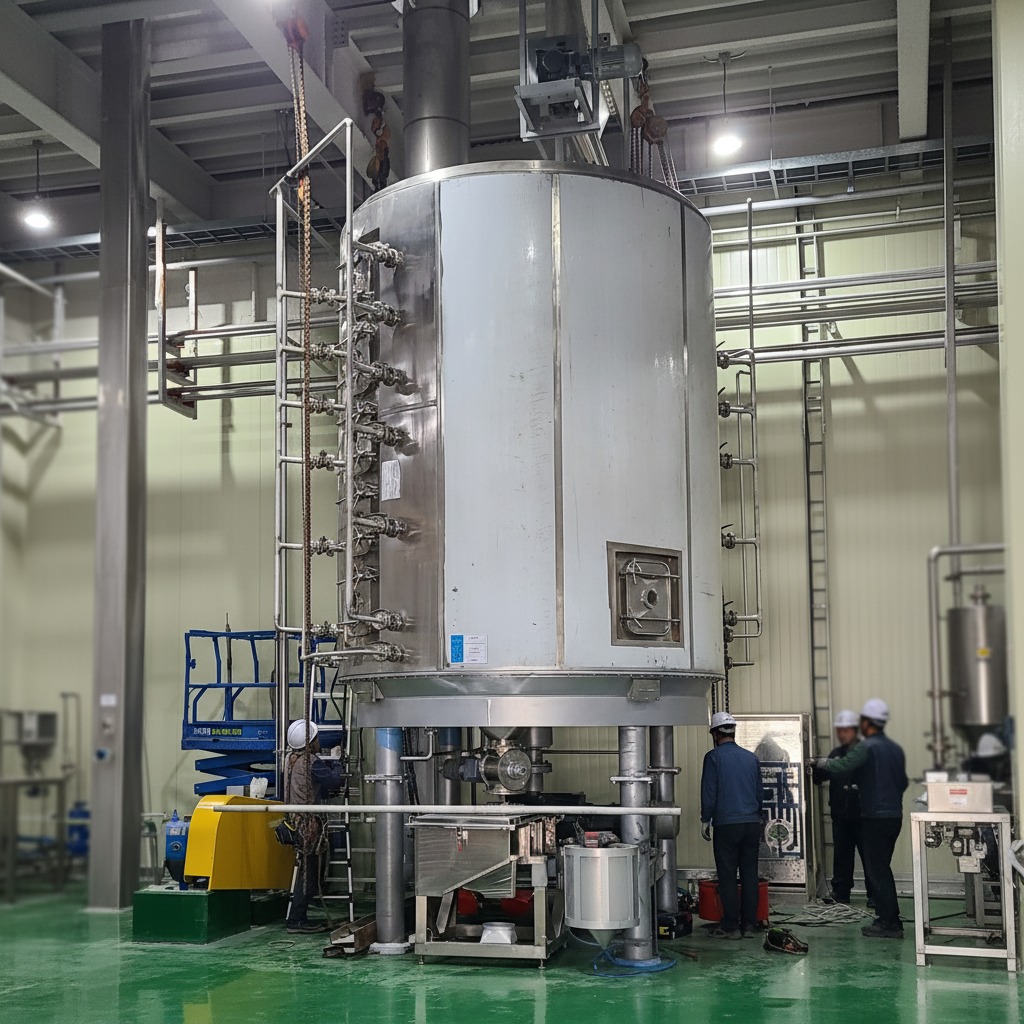
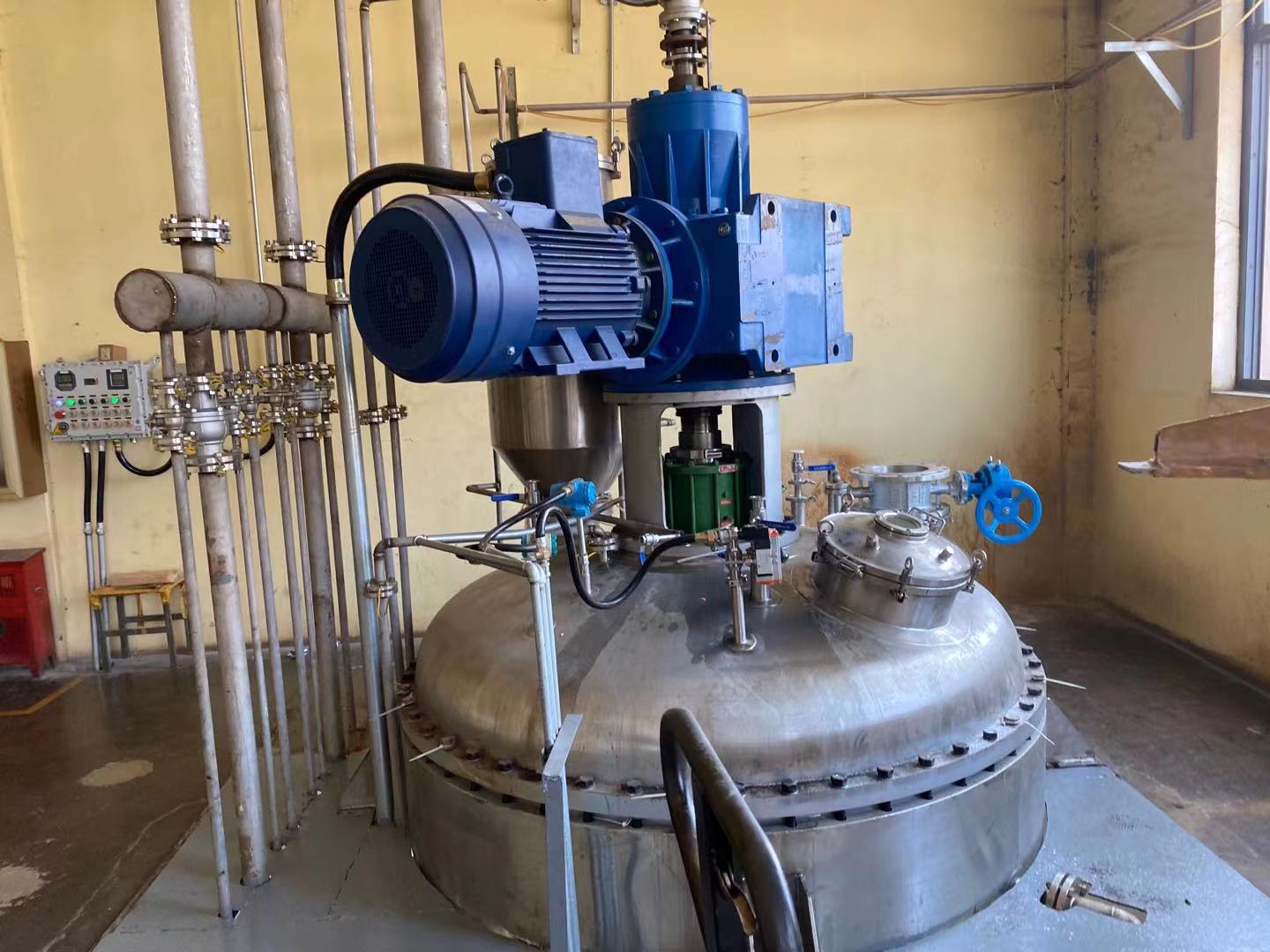
Leading tray dryer manufacturers often provide comprehensive support, from initial design consultations to after-sales service, including installation and training. Their expertise ensures that the aluminum hydroxide tray dryer is optimized for the client's workflow, potentially integrating with upstream mixers or reactors—much like the stainless steel vessels used in precursor stages for injecting reactants or monitoring conditions. For instance, in a fermentation-related process adapted for chemical synthesis, the dryer's compatibility with controlled environments mirrors the precision required in large-scale tanks equipped with pipes for fluid management. This holistic approach from manufacturers helps industries achieve seamless operations, reducing downtime and enhancing overall productivity.
Applications and Benefits in Modern Manufacturing
The aluminum hydroxide tray dryer finds extensive applications across diverse sectors. In the water treatment industry, it dries precipitated aluminum hydroxide for use as a coagulant, ensuring the final product is free-flowing and effective. Pharmaceutical manufacturers rely on it to prepare excipients, where uniform drying prevents inconsistencies in tablet formulations. Additionally, in the production of flame-retardant plastics, the dryer processes aluminum hydroxide fillers to achieve the optimal particle size distribution, enhancing material safety without compromising mechanical properties.
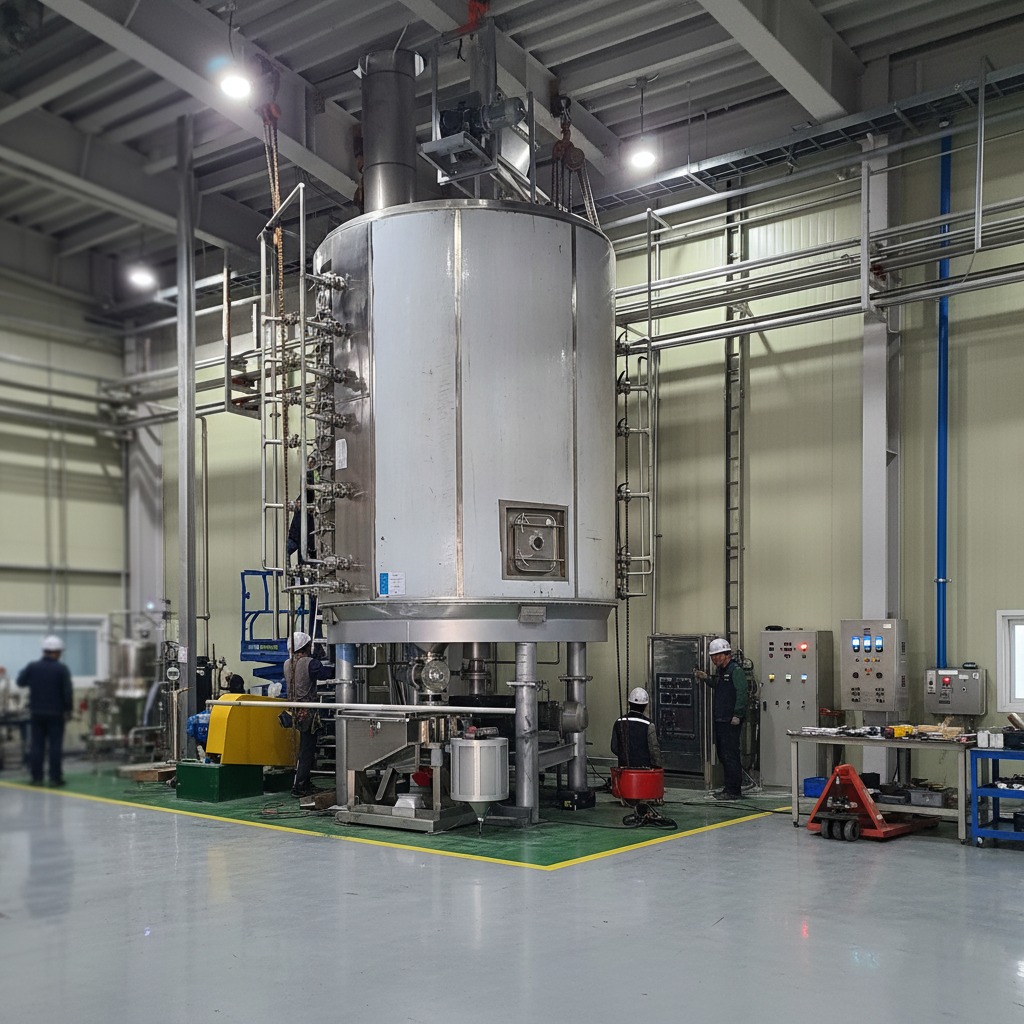
Beyond core functions, the benefits of an industrial tray dryer aluminum hydroxide setup include environmental sustainability. Modern designs from top tray dryer manufacturers incorporate low-emission heating sources, such as electric or steam systems, that align with green manufacturing goals. Energy efficiency is further boosted by insulated chambers that retain heat, potentially lowering utility bills in continuous operations. For facilities scaling up production, these dryers offer a cost-effective alternative to more complex fluid bed systems, providing reliable performance with simpler maintenance requirements. The presence of skilled labor during installation, as seen in setups around large industrial vessels, underscores the need for professional oversight to maximize longevity and safety.
Choosing the Right Aluminum Hydroxide Tray Dryer for Your Needs
Selecting an appropriate aluminum hydroxide tray dryer involves evaluating capacity, material compatibility, and compliance certifications. Industrial tray dryer aluminum hydroxide models should be assessed based on their throughput rates; for example, a 24-tray unit might process 500 kilograms per batch, ideal for mid-sized plants. Tray dryer manufacturers often offer customization options, such as adjustable tray heights or variable speed blowers, to fine-tune the drying kinetics for aluminum hydroxide's specific thermal properties.
Consideration of ancillary features is also key. Integration with temperature control systems, similar to those in stainless steel fermentation tanks, allows for maintaining precise conditions that prevent thermal degradation. Hygienic designs with sanitary fittings ensure easy cleaning, crucial for industries like pharmaceuticals where contamination risks are high. By partnering with experienced tray dryer manufacturers, businesses can access pilot testing services to validate the dryer's performance before full-scale implementation. This strategic selection process not only optimizes drying efficiency but also contributes to long-term cost savings and product quality.
In summary, the aluminum hydroxide tray dryer represents a cornerstone of efficient industrial drying, supported by innovative designs from trusted tray dryer manufacturers. As industries evolve, embracing these technologies ensures competitive edge through reliability, sustainability, and precision in processing aluminum hydroxide.